

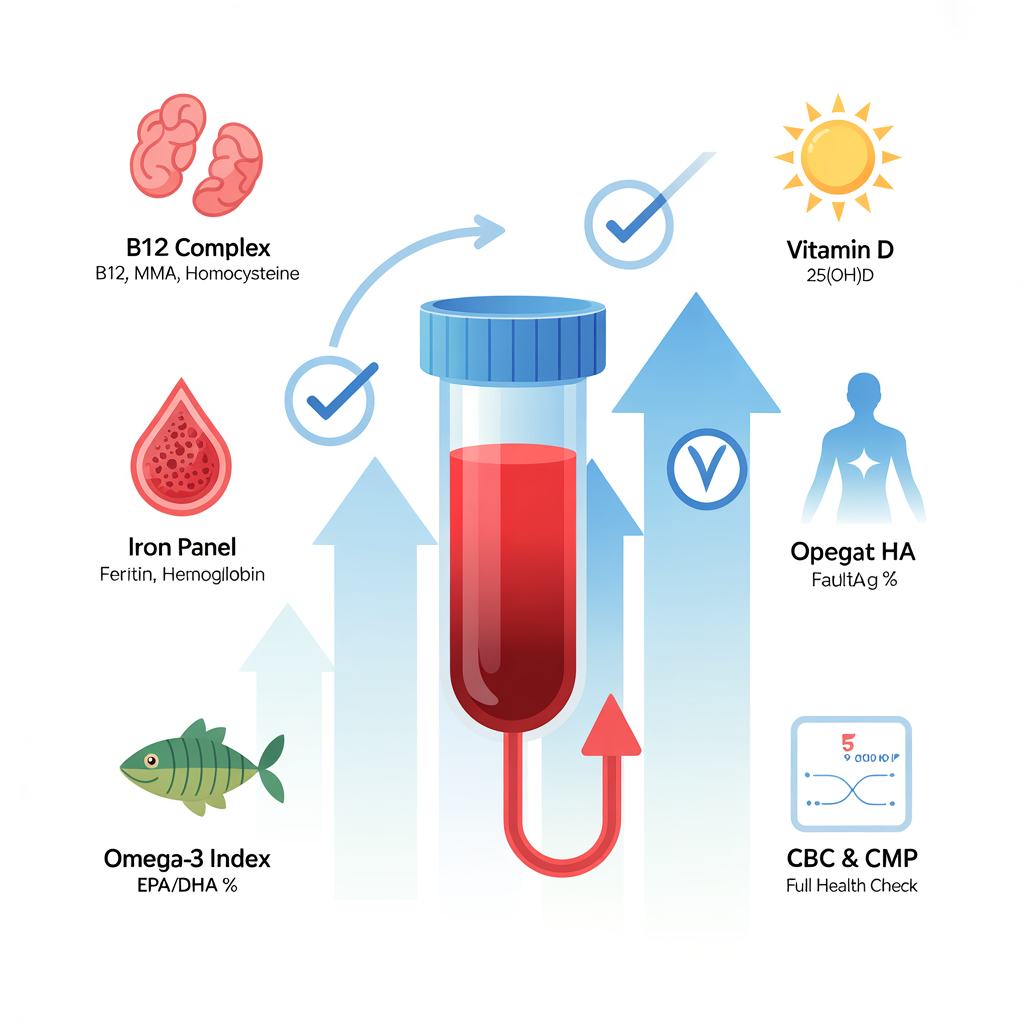
Section 1: Why Regular Blood Work is Non-Negotiable for Vegans
Embarking on a vegan journey is a profound commitment to health and ethics, but optimal wellness requires verification, not just intention. This is precisely why understanding precisely which vegan blood test what to check is so critically important.
While a meticulously planned vegan diet is nutritionally complete for all stages of life, individual physiology—absorption efficiency, genetic predispositions, and lifestyle factors—can vary dramatically, which is why a vegan blood test what to check list is essential. Proactive testing, as part of a comprehensive vegan blood test what to check strategy, transforms your health journey from hopeful speculation into precise, data-driven science. The core principle is prevention over correction.
Identifying a subtle dip in nutrient stores early, through a strategic vegan blood test what to check protocol, allows for simple, timely dietary or supplemental adjustments. This proactive stance prevents the long-term, sometimes irreversible, damage that can stem from a full-blown, symptomatic deficiency. Beyond the tangible health benefits, comprehensive blood work provides unparalleled psychological peace of mind. Concrete, numerical data proving your vitality is the most powerful tool to respectfully address and alleviate concerns from family members or healthcare providers who may be skeptical of plant-based nutrition.
Furthermore, establishing a personalized baseline—ideally before or immediately after adopting a vegan lifestyle—creates an indispensable point of comparison. This baseline allows you to objectively track how your body responds and thrives over time, offering clear evidence of your dietary success. For a new vegan, a comprehensive vegan blood test what to check panel should be conducted within the first 3-6 months.
Established vegans benefit from annual testing, while those with specific health concerns, athletic demands, or life stages like pregnancy may require semi-annual checks. This definitive guide demystifies the entire process, detailing exactly which vegan blood test what to check markers are essential, how to accurately interpret the complex results, and what immediate, actionable steps to take based on your unique data. Understanding which vegan blood test what to check is the first step in taking full control of your plant-based health.
Section 2: The Essential Blood Tests: What to Request and Why
When discussing your vegan blood test what to check needs with a healthcare provider, it is vital to request specific, targeted markers that go far beyond a standard annual physical panel. Here is the exhaustive, non-negotiable list for a complete nutritional assessment.
TEST 1: The Comprehensive Vitamin B12 Panel (The Absolute Priority)
Do not accept a simple serum B12 test alone. For a complete picture, you must request a full functional panel:
- A key part of any vegan blood test what to check panel is Serum B12: This measures the amount of B12 circulating in your blood. The Optimal Level is: >400 pg/mL. Note that many lab “normal” ranges start as low as 200 pg/mL, but this threshold is for diagnosing clinical deficiency, not optimal health, which is the goal of a vegan blood test what to check.
- Methylmalonic Acid (MMA): This is a far more accurate functional test. Elevated MMA (>300 nmol/L) indicates a cellular B12 deficiency is occurring, even if your serum B12 appears in a borderline or low-normal range.
- Homocysteine: This amino acid is often elevated when there is a deficiency in B12 or folate. Optimal Level: <10 µmol/L.
Why This Trio is Non-Negotiable: Serum B12 can be misleading and does not reflect how your cells are actually utilizing the vitamin. MMA and homocysteine provide the functional truth. If any single marker is off, immediate action is required: begin a daily 1,000-2,000 mcg sublingual cyanocobalamin supplement and retest in 3 months. This is the cornerstone of knowing which vegan blood test what to check for long-term neurological health.
TEST 2: The Complete Iron Panel (Beyond Basic Anemia Screening)
Anemia, indicated by low hemoglobin, is a late-stage sign of iron deficiency. The crucial marker in your vegan blood test what to check list is your iron stores.
- Ferritin: This protein stores iron in your body—think of it as your iron savings account. It is the single most important marker. Optimal Range: 30-100 ng/mL for women, 50-150 ng/mL for men. Many healthy vegans naturally sit at the lower end of this range.
- Hemoglobin: The oxygen-carrying protein in red blood cells. Low levels indicate anemia.
- Total Iron-Binding Capacity (TIBC) & Transferrin Saturation: These help differentiate between true iron deficiency anemia and anemia caused by other chronic conditions.
Action Plan: If ferritin is low (<30 ng/mL), strategically increase intake of lentils, beans, tofu, and fortified cereals. Crucially, always pair these with a vitamin C source (e.g., bell peppers, citrus, strawberries) at the same meal to boost non-heme iron absorption by 2-3 times. Consider a gentle, well-absorbed iron supplement like ferrous bisglycinate (25-50 mg), taken with vitamin C and away from coffee, tea, or calcium supplements.
TEST 3: Vitamin D [25-Hydroxyvitamin D or 25(OH)D]
Deficiency in this hormone is a global pandemic, unrelated to diet. However, it remains a critical part of your vegan blood test what to check routine. Optimal Levels: 40-60 ng/mL (100-150 nmol/L).
Action Plan: If below 40 ng/mL, supplement with 2,000-4,000 IU of vegan D3 (sourced from lichen) daily. Safe, sensible sun exposure (15-30 minutes of midday sun on arms and legs) can contribute. Retest in 3-4 months to adjust your dosage accurately. Fortified foods are unreliable as a sole source.
TEST 4: Omega-3 Index (An Optional but Highly Valuable Test)
For omega-3 status, a crucial part of a vegan blood test what to check plan, this innovative test measures the percentage of EPA and DHA in your red blood cell membranes, reflecting your long-term intake over the prior 3-4 months.
- Optimal: >8% (associated with the lowest risk of cardiovascular disease)
- Intermediate Risk: 4-8%
- High Risk: <4%
The Vegan Context: Plant sources like flax, chia, and walnuts provide ALA, but the human conversion of ALA to the essential long-chain EPA and DHA is notoriously inefficient (~5-10%). A low Omega-3 Index is a strong indicator to add a direct source: an algae-based DHA/EPA supplement (250-500 mg combined daily).
TEST 5: A vegan blood test what to check must include a Complete Blood Count (CBC) & Comprehensive Metabolic Panel (CMP). These are standard health checks included in most panels. In the CBC, pay special attention to the Mean Corpuscular Volume (MCV), which measures the average size of your red blood cells—a high MCV is a critical flag for potential B12 or folate deficiency. The CMP checks electrolytes, kidney function, liver enzymes, and blood glucose—all important metrics to monitor health improvements on a plant-based diet. more Trusted resources are here.
Section 3: Additional Tests to Consider Based on Symptoms or Risk Factors
While the core vegan blood test what to check panel above is essential for everyone, these additional tests can provide deeper, more personalized insight, especially if you experience specific symptoms.
- Zinc: Plant-based zinc has lower bioavailability due to naturally occurring phytates. Consider testing if you experience frequent colds/infections, unexplained hair loss, or slow wound healing. Optimal serum zinc: 70-120 µg/dL. Dietary focus should be on pumpkin seeds, hemp seeds, cashews, and legumes.
- Iodine (via Urine Test): Critical for thyroid hormone production. Vegans who avoid iodized salt and seaweed are at potential risk. Optimal urinary iodine: 100-199 µg/L. A simple solution is to use iodized salt in cooking or take a 150 mcg potassium iodide supplement.
- Thyroid Panel (TSH, Free T4, Free T3): Consider if you have symptoms like unexplained fatigue, weight changes, hair thinning, or cold intolerance. While goitrogens in raw cruciferous vegetables (like kale and broccoli) are rarely problematic if iodine status is adequate and vegetables are cooked, checking thyroid function provides a clear baseline.
Section 4: How to Get Your Blood Work Done: Navigating the Options
Option 1: for obtaining a vegan blood test what to check: Through Your Primary Care Physician (Typically Insurance-Covered). Come prepared and be specific. Use this script: “I follow a vegan diet for health reasons and want to ensure my nutritional status is optimal through preventive screening. I’d like to request a comprehensive panel that includes: a full B12 workup (serum B12, methylmalonic acid, and homocysteine), a complete iron panel with ferritin, vitamin D, and standard CBC/CMP.”
Option 2: Direct-to-Consumer Lab Testing Services
Companies like Walk-In Lab, Life Extension, or Ulta Lab Tests allow you to order tests à la carte online at a significant discount, then get your blood drawn at a national lab like Quest or LabCorp. This is ideal for the self-motivated, those without cooperative doctors, or individuals with high-deductible insurance plans. A comprehensive vegan panel typically costs between $250-$450.
Option 3: At-Home Finger-Prick Test Kits
Brands like Everlywell or LetsGetChecked offer mail-in kits. While convenient and private, they are often more expensive per biomarker, and the finger-prick method can be less accurate for certain tests compared to a venous blood draw from a lab.
Section 5: Masterclass in Reading Your Results: “Normal” vs. Optimal
This is the most critical skill you’ll develop after deciding which vegan blood test what to check. Standard lab “reference ranges” are broad statistical averages (often encompassing the middle 95% of a population that includes many unhealthy individuals), not targets for optimal health.
- Vitamin D: A lab may list “normal” as >20 ng/mL. Optimal for robust immune function, bone health, and mood regulation is 40-60 ng/mL.
- B12: Lab normal often starts at 200 pg/mL. For optimal neurological function and to prevent subtle nerve damage, aim for >400 pg/mL.
- Ferritin: A lab may only flag levels below 15 ng/mL as deficient. For vibrant energy, healthy hair, skin, and nails, an optimal ferritin is >30 ng/mL for women and >50 ng/mL for men.
Red Flags (Require Immediate Intervention):
- B12 <200 pg/mL
- Ferritin <15 ng/mL
- Vitamin D <20 ng/mL
- MMA >400 nmol/L
Yellow Flags (Suboptimal; Warrant Adjustment):
- B12 between 200-400 pg/mL
- Ferritin between 15-30 ng/mL (women) or 15-50 ng/mL (men)
- Vitamin D between 20-30 ng/mL
Green Flags (Ideal Status):
All markers are solidly within the optimal ranges listed above. Maintain your excellent habits.
Remember: Trends are more revealing than a single snapshot. One slightly low result could be due to lab error or recent illness. A consistent downward trend over multiple tests, however, clearly indicates a need for intervention.
Section 6: Action Plans for Common Test Result Scenarios
SCENARIO 1: “All Results Are Perfectly Optimal!”
- Action: This is the goal! Celebrate this objective confirmation that your vegan diet and supplement regimen are working brilliantly. Continue your current protocol exactly as is and schedule your next annual vegan blood test what to check panel.
SCENARIO 2: “Low B12”
- Immediate Action based on a vegan blood test what to check: Begin supplementing with 1,000-2,000 mcg of sublingual cyanocobalamin daily. If MMA is significantly elevated, discuss a short course of B12 injections with your doctor to rapidly replenish stores. Retest the full panel in 3 months. This scenario reinforces the non-negotiable rule: all vegans must supplement B12 reliably.
SCENARIO 3: “Low Ferritin (Iron Stores)”
- Action: Enhance your diet with daily servings of iron-rich plants: lentils, chickpeas, tofu, or fortified cereals. The golden rule: always consume these with a vitamin C source in the same meal (e.g., lentil chili with tomatoes, spinach salad with lemon dressing). Avoid tea and coffee for at least an hour before and after iron-rich meals. A supplement may be necessary to boost stores efficiently.
SCENARIO 4: “Multiple Markers Are Low”
- Reality Check: This pattern suggests either significant overall dietary inadequacy (e.g., a “junk food vegan” diet) or an underlying absorption issue like celiac disease or atrophic gastritis.
- Action: First, consult a registered dietitian who specializes in plant-based nutrition to meticulously review your food intake. If diet is not the clear culprit, a referral to a gastroenterologist for further evaluation is the prudent next step.
Section 7: Strategically Working with Your Healthcare Provider
Seek out a physician who understands the importance of a vegan blood test what to check and is either supportive of or specialized in plant-based nutrition. If your current doctor is dismissive, come to your appointment prepared. Bring relevant documents and, most powerfully, your own blood work results. Frame the conversation around data: “Here are my markers; how can we optimize them?”
Section 8: Debunking Common Blood Work Myths
- MYTH 1: “Vegans need monthly blood tests.” REALITY: For most, 1-2 times per year is perfectly sufficient once a stable baseline is established.
- MYTH 2: “All vegans are B12 deficient.” REALITY: Only vegans who fail to supplement or consume adequately fortified foods are deficient. Supplementing vegans often have superior B12 status.
- MYTH 3: “You can’t get enough iron from plants.” REALITY: You absolutely can. The issue is absorption, not presence. Strategic pairing with vitamin C solves this.
- MYTH 4: “If you feel fine, you don’t need tests.” REALITY: Nutrient deficiencies can be clinically “silent” for months or even years before symptoms manifest. Testing is preventive medicine.
Related Blog Post: The Complete Vegan Nutrition Guide
Section 9: Your Personalized Testing Schedule
- New Vegan (0-1 year): Establish a baseline immediately. Follow up with a comprehensive vegan blood test what to check panel at the 6-month mark.
- Established Vegan (1+ years): Test annually. This is the gold standard for ongoing monitoring.
- Special Circumstances: Pregnancy, intense athletic training, or a diagnosed medical condition may warrant testing every 6 months under a doctor’s guidance.
Understanding and acting upon the knowledge of which vegan blood test what to check empowers you to move through your plant-based life with confidence and clarity. It replaces anxiety with assurance, guesswork with granular data, and hope with hard evidence. This proactive, informed approach is the hallmark of a sustainable, thriving, and truly healthy vegan lifestyle. Don’t just wonder if you’re healthy—know with certainty that you are, by making a comprehensive vegan blood test what to check panel a regular part of your health regimen.
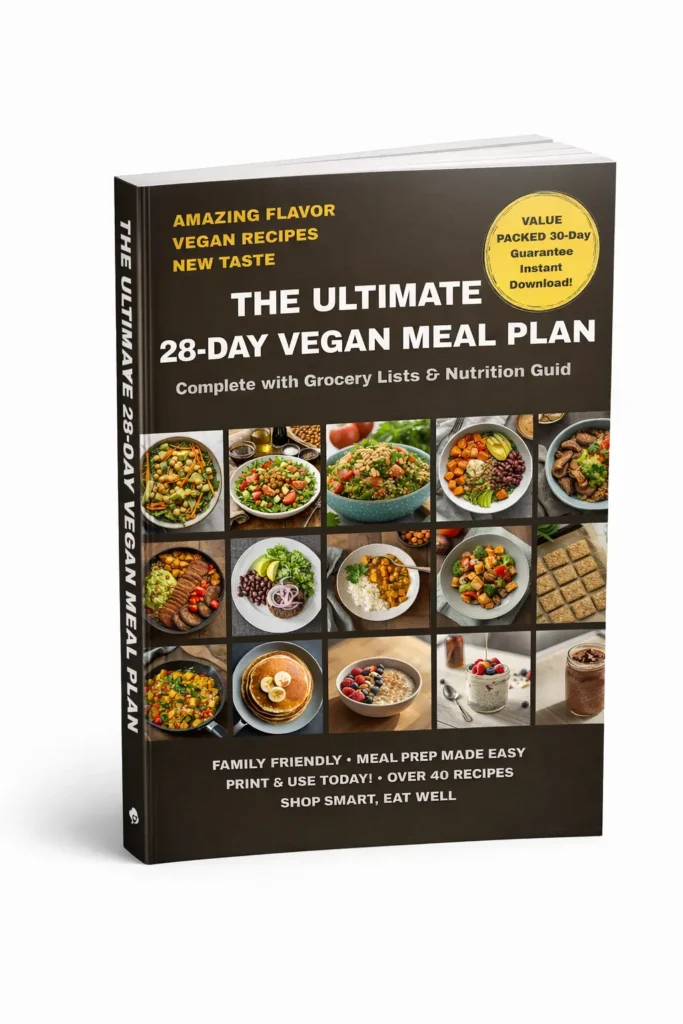
P.S. To help you eat well and feel great from day one, here’s my 28-Day Vegan Meal Plan with all the shopping lists and nutrition details included. Check it out here.
Want to try before you buy?
Enter your email below to get 2 free recipes instantly: