
Medical Disclaimer: The information on this page is for general educational purposes only and does not constitute medical advice. If you have concerns about biotin deficiency, hair loss, or nutritional status, consult a registered dietitian or your doctor before making significant dietary changes. This content does not replace professional medical diagnosis or treatment.
Vegan biotin foods are harder to source than most people realise: a 2023 PMC systematic review found that typical vegan meal plans cover only 56% of the daily biotin requirement. Biotin (vitamin B7) is critical for hair growth, nail strength, skin integrity, and energy metabolism. Most animal-derived sources are off the table on a plant-based diet, so knowing which plant foods deliver the most biotin is essential. This guide covers the 15 best plant sources, daily intake targets, deficiency signs to watch for, and how to close the biotin gap systematically.
Vegan Biotin Foods: Best 15 Plant Sources for Hair and Nails
Most vegans are quietly falling short on biotin without realising it, and the consequences show up first in their hair. The 15 vegan biotin foods ranked in this guide will show you exactly where to find this nutrient on a plant-based diet, how much you need daily, and how to build a consistent intake that supports healthy hair, strong nails, and steady energy metabolism. By the end of this article, you will have a clear, actionable plan to close the biotin gap that affects the majority of people eating plant-based.
Biotin, also known as vitamin B7, is one of the eight B vitamins and one of the most misunderstood in the context of plant-based nutrition. It sits at the intersection of energy metabolism, fatty acid synthesis, and keratin production, making it directly relevant to how your hair grows, how your nails form, and how efficiently your cells convert food into usable energy. Yet unlike vitamin B12, which gets significant attention in vegan nutrition circles, biotin rarely makes the conversation, even though the research shows a substantial gap between needs and actual intake.
The reason vegan biotin foods are so important is structural: the richest conventional sources of biotin are egg yolk, chicken liver, and salmon, all of which are absent from a plant-based diet. This creates a sourcing challenge that requires intentional food selection to overcome. Understanding which plant foods provide meaningful amounts, and how to combine them effectively, is the foundation of addressing this gap.
What Biotin Actually Does in the Body
Before exploring the top vegan biotin foods, it is worth understanding what this nutrient actually does, because that context explains why deficiency has such visible consequences.
Biotin functions as a coenzyme for five critical carboxylase enzymes in the body. These enzymes are responsible for gluconeogenesis (producing glucose from non-carbohydrate sources), fatty acid synthesis, leucine metabolism, and the breakdown of odd-chain fatty acids. In practical terms, biotin sits at the centre of your body’s energy production machinery. Without adequate biotin, cellular energy metabolism becomes inefficient, and the downstream effects accumulate across multiple systems.
The hair and nail connection is direct. Biotin is required for the synthesis of keratin, the structural protein that makes up hair shafts and nail plates. Keratin production is a high-turnover process that runs continuously, which means the demand for biotin is ongoing rather than occasional. A chronic shortfall does not cause an acute crisis. Instead, it produces the gradual deterioration that many vegans attribute to other causes: hair that breaks more easily, slower nail growth, nails that chip or peel, and in more significant deficiency, diffuse hair thinning.
The connection to pregnancy is equally important. Biotin is required for normal embryonic development, and marginal deficiency during pregnancy is significantly more common than clinical deficiency in the general population. Research published in the American Journal of Clinical Nutrition found that approximately 50% of pregnant women show biotin deficiency markers even at intakes that appear adequate by standard measures, making vegan biotin foods a critical consideration for anyone who is pregnant or planning to become pregnant. For more on nutrient planning during pregnancy on a plant-based diet, see the guide on vegan nutrition for pregnancy and fertility.
Beyond hair and pregnancy, biotin plays a supporting role in cognitive function, blood glucose regulation (through its involvement in gluconeogenesis), and skin barrier integrity. The skin manifestations of deficiency, including seborrheic dermatitis and a characteristic perioral rash, were first documented in the 1940s in patients consuming large quantities of raw egg white, which contains avidin, a protein that blocks biotin absorption entirely.
A 2023 systematic review published in PMC analysed nutrient intake across multiple vegan diet studies and found that biotin was among the nutrients most consistently falling below adequate intake levels. Typical vegan meal plans covered only 56% of the daily requirement on average, making it one of the larger nutrient gaps in plant-based diets alongside vitamin B12 and iodine.
The good news is that biotin deficiency is preventable with deliberate food selection. Unlike vitamin B12, which simply cannot be reliably obtained from unfortified plant foods and requires supplementation, biotin is present in a range of plant-based ingredients. The challenge is knowing which sources are substantial enough to matter and how to combine them into a realistic daily eating pattern.
-
Complete 28-day calendarEvery breakfast, lunch, dinner & snack planned
-
40+ nutritionist-approved recipesVibrant photo for every single dish
-
Easy weekly grocery listsShop smart, spend less, waste nothing
-
Protein, iron & B12 at every mealNutritionally complete — no guesswork
-
Saves 7+ hours weeklyPrint it once, follow it all month
-
Bonus: Nutrition Guide ToolkitVegan tips, guides & family meal prep
The 15 Best Vegan Biotin Foods Ranked
The following list represents the most reliable vegan biotin foods available on a plant-based diet. Biotin content in plant foods varies depending on growing conditions, processing methods, and cooking technique, which is why ranges rather than fixed values are given for most sources. All figures are per standard serving size.
Nutritional Yeast (per 2 tablespoons / 16g)
Nutritional yeast is the most concentrated and reliable source of biotin among vegan biotin foods. A single 2-tablespoon serving provides 21 mcg of biotin, covering 70% of the daily adequate intake in one ingredient. It also delivers complete protein, B12 (in fortified versions), zinc, selenium, and glutamic acid for umami flavour. Add it to sauces, soups, pasta, and grain bowls for a significant biotin contribution without changing the character of a dish.
1. Nutritional Yeast (up to 21 mcg per 2 tablespoons)
The clear leader among vegan biotin foods. Two tablespoons provides approximately 70% of the daily adequate intake. Use it daily in sauces, soups, and sprinkled over grain bowls. Choose a fortified version to also cover B12 in the same ingredient.
2. Sunflower Seeds (18.4 mcg per 28g)
Sunflower seeds are the highest-biotin whole plant food per gram. A small 28g handful delivers nearly 60% of daily needs. They are also rich in vitamin E, selenium, copper, and magnesium. Add them to breakfast bowls, salads, and trail mixes as a daily habit.
3. Sweet Potato (4.9 mcg per medium potato)
One medium baked sweet potato provides a meaningful biotin contribution alongside beta-carotene, vitamin C, potassium, and fibre. Cooking sweet potato increases biotin bioavailability compared to raw. This makes it one of the most accessible and versatile plant-based biotin sources for everyday eating.
4. Almonds (4.4 mcg per 28g)
A small handful of almonds provides biotin alongside vitamin E, magnesium, calcium, and healthy monounsaturated fats. Almond butter delivers a comparable amount. Roasting almonds does not significantly reduce their biotin content, making them a flexible everyday option whether eaten whole, as butter, or used in cooking.
5. Oats (4.1 mcg per 40g dry)
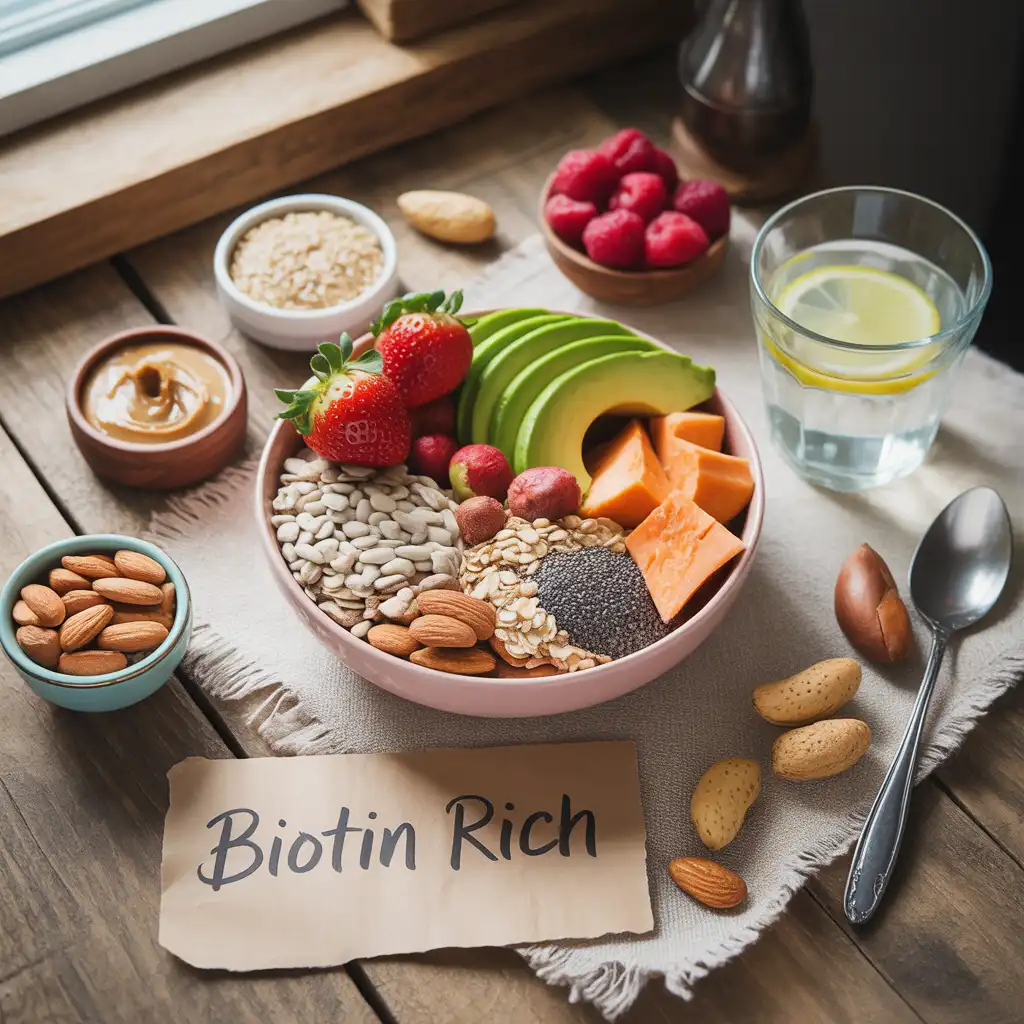
Oats are a reliable daily biotin contributor that most vegans are already eating. A standard bowl of porridge made from 40g of dry oats provides around 4 mcg, and when combined with sunflower seeds and almonds as toppings, a single breakfast can deliver 25 mcg or more. The beta-glucan in oats also provides strong cardiovascular protection, connecting biotin intake to broader nutritional benefit.
6. Tempeh (3.8 mcg per 100g)
Tempeh is a fermented soy product with a notably different nutritional profile than tofu. Fermentation increases biotin bioavailability and also produces additional B vitamins through microbial synthesis. Tempeh is also one of the richest plant-based protein sources and connects naturally to folate and riboflavin intake. For those navigating B-vitamin planning, the guide on vegan folate foods provides complementary nutrient context.
7. Spinach (3.0 mcg per 100g cooked)
Cooked spinach delivers more biotin per serving than raw because cooking breaks down the cell walls, increasing nutrient release. Spinach is also one of the richest plant sources of folate, iron, and magnesium, making it a high-value addition to any anti-deficiency eating strategy. For the full picture of how leafy greens connect to B-vitamin status, see the post on B12 and B-vitamin balance for vegans.
8. Broccoli (2.5 mcg per 100g cooked)
Broccoli is a consistent minor contributor across multiple B vitamins including biotin, folate, and pantothenic acid. Its biotin content is modest per serving but cumulative when eaten several times per week alongside other vegan biotin foods. Lightly steamed broccoli retains more biotin than boiled, since biotin is water-soluble and leaches into cooking water.
9. Avocado (2.6 mcg per half avocado)
Half an avocado provides a small but consistent biotin contribution alongside its well-known healthy fat and potassium profile. The fat content in avocado also supports fat-soluble nutrient absorption from the same meal, making it a synergistic addition to biotin-rich dishes.
10. Walnuts (1.9 mcg per 28g)
Walnuts offer a combined benefit across biotin, omega-3 ALA, and polyphenol intake. Their biotin content is lower than sunflower seeds and almonds, but their cardiovascular and anti-inflammatory benefits make them a frequent inclusion in well-planned plant-based diets. For more on the omega-3 connection, see the guide to plant-based omega-3 sources.
11. Peanuts (1.5 mcg per 28g)
Technically legumes, peanuts and peanut butter are useful everyday biotin contributors. They are also among the most affordable plant protein sources. Two tablespoons of peanut butter (approximately 32g) provides around 3.5 mcg of biotin alongside protein, niacin, and magnesium.
12. Mushrooms (cooked, 2.0 mcg per 100g)
Mushrooms are one of the few non-seed, non-nut plant foods with meaningful biotin content. Cooked mushrooms release more biotin than raw. Shiitake and portobello varieties tend to provide slightly higher amounts. Mushrooms also supply ergothioneine, a unique antioxidant not found in significant quantities elsewhere in the plant kingdom.
13. Bananas (0.2 mcg per medium banana)
Bananas are a minor biotin source but are eaten frequently enough by most vegans that they form part of the daily cumulative total. Their more significant contribution is potassium, vitamin B6, and quick-releasing carbohydrate. Include them as part of the overall biotin picture rather than as a primary source.
14. Cauliflower (0.4 mcg per 100g)
Cauliflower provides a small biotin contribution and is a useful blank canvas for combining with higher-biotin ingredients like nutritional yeast, sunflower seeds, and almonds in mixed dishes. Its value in the context of vegan biotin foods is additive rather than primary.
15. Legumes: Lentils and Chickpeas (0.3 to 0.8 mcg per 100g cooked)
Lentils and chickpeas provide small but consistent biotin amounts alongside their dominant contributions of folate, iron, and protein. For the choline connection across legume-based eating, see the post on vegan choline foods, which covers how legumes support multiple B-vitamin pathways simultaneously.
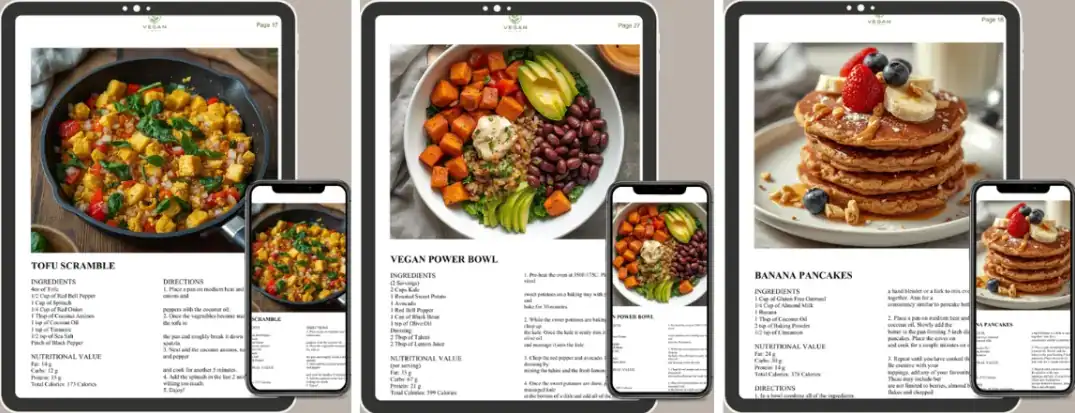
Building consistent daily intake from these vegan biotin foods is straightforward when they are integrated into a structured meal plan. The Ultimate 28-Day Vegan Meal Plan + Grocery List (Complete Solution) covers exactly this: it includes nutritionist-approved recipes and easy weekly grocery lists covering all 4 weeks, so the ingredients that support your B-vitamin intake are already built into every shopping cycle.
Ultimate 28-Day Vegan Meal Plan
+ Complete Grocery List & Toolkit
Built by a professional chef with 10+ years in MENA & Mediterranean kitchens
- 36 chef-tested vegan recipes — full-colour photo for every single one
- Complete 28-day meal calendar — every breakfast, lunch, dinner & snack planned
- 4 weekly grocery lists — organised by supermarket section, nothing specialty
- Getting started guides — nutrition, vegan swaps, protein facts, foods list
- Pantry & nutrition hub — Middle Eastern ingredients, whole grains, substitutions
- Budget-friendly tips — eat well, spend less every week
- BONUS: Vegan Nutrition Toolkit — protein cheat sheet, dining out guide, meal prep tips, label reading & quick reference sheets
Daily Biotin Targets and How to Hit Them
The National Institutes of Health sets the adequate intake for biotin at 30 mcg per day for adults. Pregnant women require 30 mcg and breastfeeding women require 35 mcg. There is no established upper tolerable limit because biotin has no documented toxic threshold in the research literature. However, very high supplement doses (5,000 to 10,000 mcg, which are commonly found in cosmetic hair supplement products) can interfere with thyroid and cardiac biomarker blood tests and should be avoided unless medically directed.
The practical goal for anyone relying on vegan biotin foods is to build a daily intake of 30 to 40 mcg from food, using supplementation only as a backup when food sources are insufficient. The process grid below shows how a typical day of eating can stack toward the target.
Porridge with 40g oats (4.1 mcg) + 1 tbsp sunflower seeds (6.5 mcg) + 1 tbsp almond butter (2.2 mcg) = approx. 12.8 mcg
Grain bowl with 100g tempeh (3.8 mcg) + 100g cooked spinach (3.0 mcg) + 1 tbsp nutritional yeast (10.5 mcg) = approx. 17.3 mcg
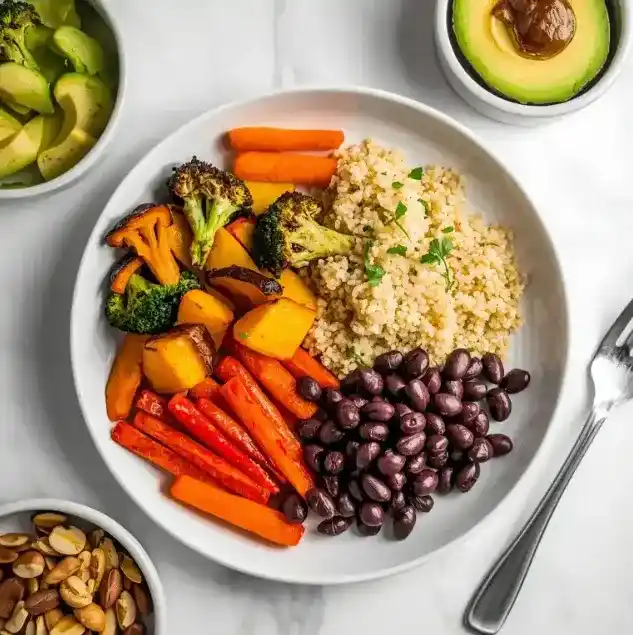
Baked sweet potato (4.9 mcg) + 100g cooked broccoli (2.5 mcg) + half avocado (2.6 mcg) = approx. 10 mcg
28g walnuts (1.9 mcg) + banana (0.2 mcg) + 28g peanuts (1.5 mcg) = approx. 3.6 mcg
Combined: approx. 43 mcg. This exceeds the 30 mcg adequate intake target and demonstrates that vegan biotin foods can meet daily needs without supplementation when planned intentionally.
The key practical insight is that two ingredients carry the majority of the workload: nutritional yeast and sunflower seeds. Including both daily provides roughly 27 to 39 mcg between them alone. The remaining vegan biotin foods then act as cumulative top-ups that comfortably push the daily total above 30 mcg.
Signs and Symptoms of Biotin Deficiency
Biotin deficiency is relatively rare in healthy adults who eat varied diets. However, the 2023 PMC systematic review findings show it is a real and underappreciated risk specifically within plant-based eating patterns. The symptoms develop gradually, which is why many people do not connect them to a nutritional cause.
Hair thinning or increased shedding, brittle or splitting nails, dry or scaly skin around the nose and mouth, fatigue and low energy, muscle pain or cramping, and in more significant deficiency, a characteristic rash around the eyes, nose, and mouth. Neurological symptoms including depression, numbness in the extremities, and cognitive sluggishness can occur in prolonged deficiency. Vegans who are also pregnant or who eat large quantities of raw oats should be especially attentive to these signs, as both factors increase deficiency risk.
One important note: hair loss is among the most widely searched symptoms associated with biotin deficiency, but it is also caused by iron deficiency, zinc deficiency, excessive stress, hormonal changes, and protein insufficiency. Biotin supplementation will not reverse hair loss caused by other factors. Before attributing hair loss to low biotin specifically, it is worth assessing overall nutritional status with a blood test. For the broader picture of how plant-based nutrition relates to hair health, the post on vegan diet and hair loss prevention covers the full nutrient picture including iron, zinc, and protein contributions.
Biotin Absorption: What Blocks It
Knowing which vegan biotin foods to eat is only part of the strategy. Understanding what impairs biotin absorption is equally important.
Raw Egg White (Avidin)
The most well-known biotin absorption blocker is avidin, a glycoprotein found in raw egg white. Avidin binds biotin in the digestive tract with extraordinary affinity, blocking its absorption entirely. Cooking egg white denatures avidin completely. Since this involves an animal product, it is not directly relevant to vegan diets, but the mechanism is worth understanding because it explains why the earliest documented cases of biotin deficiency occurred in people consuming raw egg white regularly.
Alcohol
Chronic alcohol consumption impairs biotin absorption and accelerates its urinary excretion. Even moderate regular alcohol intake has been shown to reduce plasma biotin levels. People who drink alcohol regularly and follow a plant-based diet should pay particular attention to their intake from vegan biotin foods and may benefit from supplementation.
Certain Anticonvulsant Medications
Long-term use of anticonvulsants including phenytoin, carbamazepine, and primidone is associated with biotin deficiency through accelerated biotinidase activity and reduced absorption. Anyone on long-term anticonvulsant therapy should discuss biotin status with their prescribing physician.
Raw Oats and Antinutrients
Raw oats contain phytic acid, which can bind to biotin and reduce its absorption. Cooking oats, as in porridge, partially reduces this effect. The practical implication is that overnight oats prepared with cold water and left uncooked may deliver less biotin than a standard cooked porridge, even from the same quantity of oats.
Biotin is water-soluble and heat-stable up to moderate cooking temperatures. The main cooking loss is leaching into boiling water. Steaming, roasting, and sauteing vegetables preserves significantly more biotin than boiling. When boiling is unavoidable, use the cooking liquid in soups or sauces to retain the biotin that has leached out.
Vegan Biotin Supplements: When Food Is Not Enough
For most healthy adults eating a varied whole-food plant-based diet that regularly includes the top vegan biotin foods covered in this guide, supplementation may not be necessary. However, several groups should strongly consider a biotin supplement as a consistent practice.
| Group | Reason for Higher Risk | Suggested Approach |
|---|---|---|
| Pregnant vegans | Increased demand, poor conversion markers even at adequate intake | 30 to 35 mcg daily from food + prenatal supplement covering biotin |
| Vegans with poor diet variety | Limited exposure to top plant biotin sources | 100 to 300 mcg supplement daily |
| People on anticonvulsants | Medication depletes biotin stores | Medical supervision required. Discuss with prescriber. |
| Vegans with digestive conditions | Malabsorption reduces uptake from all dietary sources | 100 to 300 mcg supplement daily |
| Heavy alcohol consumers | Alcohol impairs absorption and increases urinary excretion | 100 mcg supplement daily |
Standard biotin supplements are typically available in doses of 100 mcg, 300 mcg, 1,000 mcg, and 5,000 mcg. For general dietary insurance on a plant-based diet, a 100 to 300 mcg supplement is more than sufficient. Supplements in the 5,000 to 10,000 mcg range are marketed for cosmetic hair benefits but have no stronger clinical evidence for hair growth in non-deficient individuals, and their high doses can skew thyroid and cardiac blood test results significantly enough to cause diagnostic errors. The Physicians Committee for Responsible Medicine and major nutrition organisations advise against these high-dose cosmetic supplements unless deficiency has been confirmed.
When choosing a supplement, look for biotin listed as d-biotin (the active form). All standard commercial biotin supplements are vegan by default since biotin is synthesised microbially in industrial production, not derived from animal sources.
For those who want their B-vitamin needs integrated into daily meals rather than managed supplement by supplement, the Ultimate 28-Day Vegan Meal Plan + Grocery List (Complete Solution) includes nutritionist-approved recipes and every meal meets protein, iron, and B12 needs across all 28 days, with simple recipes using common supermarket ingredients that naturally include the biotin-rich foods covered in this guide.
The reason vegan biotin foods are so important is structural: the richest conventional sources of biotin are egg yolk, chicken liver, and salmon, all of which are absent from a plant-based diet. A 2023 systematic review published on PubMed found that typical vegan meal plans cover only 56% of the daily biotin requirement on average. Understanding which plant foods provide meaningful amounts, and how to combine them effectively, is the foundation of addressing this gap.
The connection to pregnancy is equally important. Biotin is required for normal embryonic development, and marginal deficiency during pregnancy is significantly more common than clinical deficiency in the general population. Research published in the American Journal of Clinical Nutrition found that approximately 50% of pregnant women show biotin deficiency markers even at intakes that appear adequate by standard measures, making vegan biotin foods a critical consideration for anyone who is pregnant or planning to become pregnant. For more on nutrient planning during pregnancy on a plant-based diet, see the guide on vegan nutrition for pregnancy and fertility.
Tempeh is a fermented soy product with a notably different nutritional profile than tofu. Fermentation increases biotin bioavailability and also produces additional B vitamins through microbial synthesis. Tempeh is also one of the richest plant-based protein sources, and Vegan Health covers how fermented soy products support B-vitamin status in plant-based diets. For those navigating B-vitamin planning, the guide on vegan folate foods provides complementary nutrient context.
Standard biotin supplements are typically available in doses of 100 mcg, 300 mcg, 1,000 mcg, and 5,000 mcg. For general dietary insurance on a plant-based diet, a 100 to 300 mcg supplement is more than sufficient. Supplements in the 5,000 to 10,000 mcg range are marketed for cosmetic hair benefits but have no stronger clinical evidence for hair growth in non-deficient individuals, and their high doses can skew thyroid and cardiac blood test results significantly enough to cause diagnostic errors. The NIH Office of Dietary Supplements biotin fact sheet covers upper intake guidance and drug interactions in full. Major nutrition organisations advise against these high-dose cosmetic supplements unless deficiency has been confirmed.
The key practical insight is that two ingredients carry the majority of the workload: nutritional yeast and sunflower seeds. Including both daily provides roughly 27 to 39 mcg between them alone. Examine.com provides a full evidence summary on biotin dosing and food sources for anyone who wants to explore the research in more depth. The remaining vegan biotin foods then act as cumulative top-ups that comfortably push the daily total above 30 mcg.
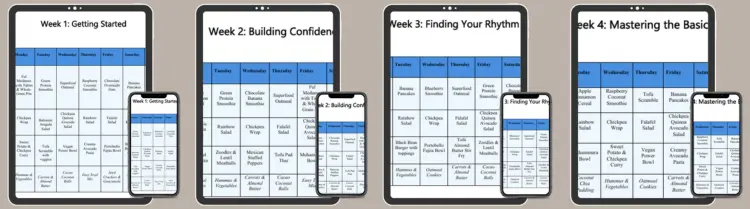
28-Day Vegan Meal Plan
+ Grocery List
Complete Solution · Nutritionist-Approved · Print & Use Today
Read on any device · No apps needed
Frequently Asked Questions
How do vegan biotin foods compare to eggs as a biotin source?
Cooked eggs are among the richest biotin sources in omnivorous diets, providing approximately 10 mcg per egg. However, two tablespoons of nutritional yeast provides 21 mcg, and 28g of sunflower seeds provides 18.4 mcg, both surpassing a single egg. The challenge with vegan biotin foods is not the ceiling of what is achievable but the awareness needed to include these sources consistently. Most vegans who struggle with biotin are not eating nutritional yeast or sunflower seeds regularly, which is the gap to address first before considering supplementation.
Will eating more vegan biotin foods make my hair grow faster?
Addressing a biotin deficiency will restore normal hair growth and reduce shedding caused by that specific deficiency. However, if your biotin levels are already adequate, adding more biotin from vegan biotin foods or supplements will not accelerate hair growth beyond your genetic baseline. The marketing of high-dose biotin products for hair growth in people without deficiency is not supported by clinical evidence. If you are experiencing hair thinning, get a comprehensive nutritional blood panel including biotin, ferritin, serum iron, zinc, and thyroid function before attributing the cause to any single nutrient.
Can I get enough biotin from vegan biotin foods without supplements?
Yes, for most healthy non-pregnant adults. If your daily eating pattern includes 2 tablespoons of nutritional yeast, a handful of sunflower seeds, a portion of oats, and regular servings of tempeh, cooked spinach, sweet potato, and almonds, reaching 30 mcg daily is achievable without supplementation. The practical challenge is the consistency of including these specific ingredients across every day of the week. For pregnant vegans, the evidence suggests that food sources alone may not be sufficient to meet the elevated demand, and a prenatal supplement covering biotin is advisable regardless of dietary quality.
Is biotin deficiency common in vegans?
Clinical biotin deficiency characterised by dermatitis, hair loss, and neurological symptoms is rare in healthy adults of any dietary pattern. However, subclinical or marginal deficiency, where biotin levels are below optimal but not low enough to produce acute symptoms, is considerably more common in vegans. The 2023 PMC systematic review that found typical vegan meal plans covering only 56% of the adequate intake is the most relevant data point. Marginal deficiency may contribute to slower hair growth, brittle nails, and fatigue without ever producing a diagnosable condition. This is the range most worth addressing through dietary adjustment.
What is the easiest way to follow a biotin-focused vegan diet?
The simplest approach is to follow a structured plan. The Ultimate 28-Day Vegan Meal Plan + Grocery List (Complete Solution) includes nutritionist-approved recipes and easy weekly grocery lists covering all 4 weeks.
How does biotin relate to vitamin B12 and other B vitamins on a vegan diet?
Biotin, B12, folate, riboflavin, choline, and niacin are all B vitamins that interact in interconnected metabolic pathways. Deficiency in one often impairs the function of others because they share enzymatic roles in energy metabolism and cell replication. For example, biotin and B12 both influence homocysteine metabolism, and deficiency in either raises homocysteine levels independently. This is why comprehensive B-vitamin planning matters on a plant-based diet rather than addressing each nutrient in isolation. The posts on vegan B12, vegan folate, and vegan choline cover each of these connections in depth.
Does cooking destroy biotin in vegan foods?
Biotin is relatively heat-stable but water-soluble. Dry heat cooking methods including roasting, baking, and sauteing preserve biotin well. Boiling causes leaching into the cooking water, reducing the amount remaining in the food itself by 20 to 40% depending on cooking time and volume of water. Steaming is the best cooking method for preserving biotin in vegetables. For seeds and nuts, light roasting does not significantly affect biotin content. If boiling is part of your preparation, using the cooking liquid in soups or sauces recovers the biotin that has leached out.
Can high-dose biotin supplements cause problems for vegans?
High-dose biotin supplements (5,000 mcg and above, commonly marketed for hair and nail growth) can cause significant interference with laboratory blood tests. Biotin at high concentrations interferes with immunoassay-based tests including thyroid function panels (TSH, T3, T4), cardiac troponin (used to diagnose heart attacks), and several hormone tests. There are documented cases of people receiving incorrect diagnoses because high biotin supplementation produced falsely normal or abnormal lab results. Always inform your doctor of any high-dose biotin supplement before undergoing blood tests. For dietary adequacy, 100 to 300 mcg is more than sufficient.
Are vegan biotin foods enough during pregnancy?
The research suggests caution. Approximately 50% of pregnant women show biotin deficiency markers even at intakes that appear adequate by standard measures, and this figure is likely higher in vegans who already start from a lower baseline. During pregnancy, biotin demand increases due to accelerated cell division, foetal development, and higher rates of biotin catabolism. The prudent approach for pregnant vegans is to maximise intake from vegan biotin foods while also taking a prenatal supplement that includes biotin. Standard prenatal multivitamins typically include 30 to 150 mcg of biotin. Discuss specific supplementation with your midwife or obstetrician.
How long does it take to correct biotin deficiency through diet?
Biotin is a water-soluble vitamin with relatively rapid turnover. Plasma biotin levels respond to dietary changes within days to a few weeks in cases of marginal deficiency. Visible improvements in hair and nail quality take longer because they depend on new growth cycles: hair grows approximately 1 cm per month, so measurable improvement in hair quality following correction of deficiency typically becomes noticeable after 8 to 12 weeks. Nail improvement follows a similar timeline. The key is consistency: daily inclusion of the top vegan biotin foods rather than sporadic high-intake days.
Do vegan biotin foods also benefit skin health?
Yes. Biotin is required for fatty acid synthesis in the skin, which supports the integrity of the skin barrier and the production of sebum. Deficiency is associated with seborrheic dermatitis, a scaly and inflamed skin condition, as well as dry and cracked skin. Beyond biotin specifically, the anti-inflammatory properties of a plant-based diet support skin health through reduced systemic inflammation. The combination of adequate biotin from vegan biotin foods alongside omega-3 fatty acids from walnuts and flaxseeds, and vitamin E from sunflower seeds and almonds, creates a nutritional pattern that supports skin from multiple directions simultaneously.
Is nutritional yeast the best single source of vegan biotin?
For practical daily use, yes. Nutritional yeast provides the highest biotin content per standard serving size (21 mcg per 2 tablespoons), is easy to incorporate into meals without altering flavour significantly, and simultaneously contributes complete protein, zinc, selenium, and in fortified versions, vitamin B12. No other single vegan biotin food matches this combination of biotin density and everyday usability. Sunflower seeds come close in biotin content (18.4 mcg per 28g) and are equally easy to add to daily eating, making them a strong runner-up for people who do not enjoy nutritional yeast.
Your Action Plan for Vegan Biotin Foods
Closing the biotin gap on a plant-based diet does not require an overhaul of your eating pattern. It requires two consistent daily habits: two tablespoons of nutritional yeast in a meal and a 28g serving of sunflower seeds on or alongside another meal. Those two changes alone cover 93% of the daily adequate intake. Adding cooked spinach, oats, tempeh, sweet potato, and almonds across the rest of the day takes the total comfortably past 40 mcg without supplements for most healthy adults. The 15 vegan biotin foods in this guide give you enough options to vary your sources across different meals, seasons, and preferences while keeping intake consistently above the threshold where deficiency begins to affect hair, nails, and energy.
If you are pregnant, relying on limited food variety, or dealing with a digestive condition that affects absorption, add a 100 to 300 mcg supplement as a practical insurance measure. Monitor your hair, nails, and energy as the most accessible real-world markers of biotin adequacy over the following 8 to 12 weeks. Getting every B vitamin covered systematically across 28 days is where consistent results come from. The Ultimate 28-Day Vegan Meal Plan + Grocery List (Complete Solution) gives you exactly that, with 36 chef-tested recipes with a photo for every recipe and easy weekly grocery lists covering all 4 weeks.
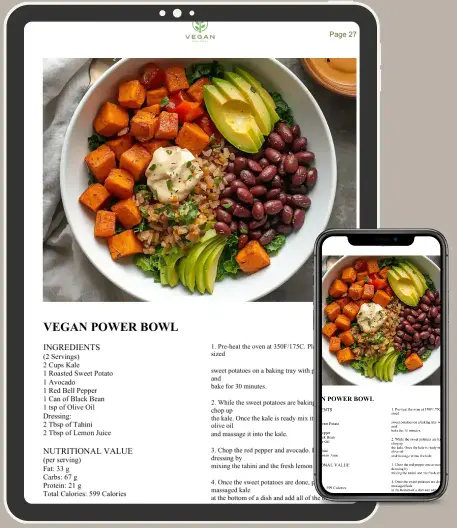
The Complete 28-Day Vegan Meal Plan + Grocery List
- 28-day structured calendar — breakfast, lunch, dinner & snack, every single day
- Every meal meets protein, iron & B12 — no guesswork, no gaps
- 4 weekly grocery lists — categorised, budget-friendly, zero waste
- Saves 7+ hours weekly — print once, follow all month
- Bonus Nutrition Guide Toolkit — vegan tips, guides & family meal prep
Instant digital download · Printable PDF · Use today