
Mushroom Nutrition Vegan: The Complete Guide to the Food of the Future
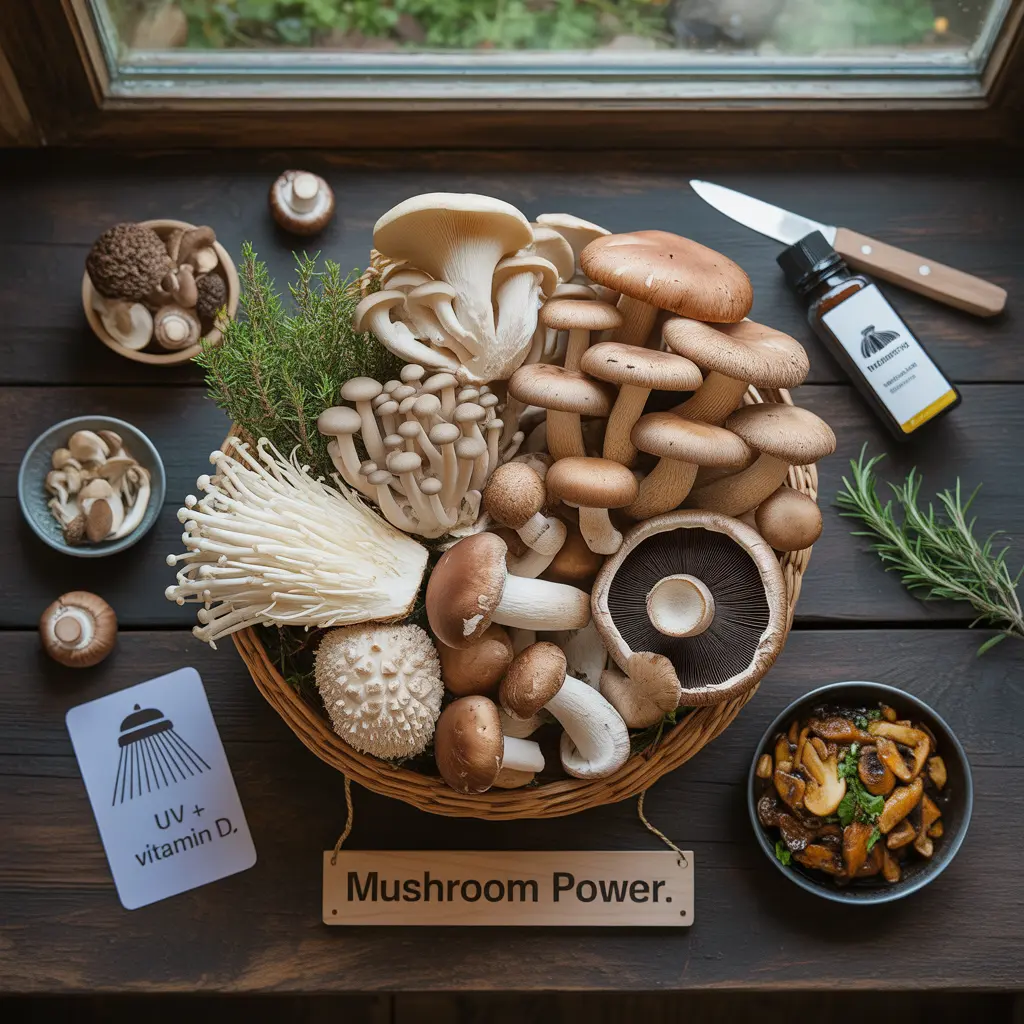
Mushroom nutrition is one of the most exciting areas of plant-based research. Edible mushrooms are the only non-animal food that naturally produces vitamin D when exposed to UV light. They provide complete umami depth, significant B vitamins, selenium, copper, and beta-glucan compounds with clinically studied immune and anti-inflammatory effects. This guide covers the science behind mushroom nutrition for vegan diets, the top eight species ranked by nutritional density, cooking techniques that maximise bioavailability, and exactly how to make mushrooms a daily nutritional cornerstone of plant-based eating.
Why Mushrooms Are the Future of Vegan Nutrition
Mushroom nutrition vegan diets can rely on is a topic moving rapidly from the margins of food science to its centre. Edible fungi attract serious research attention across immunology, oncology, sustainable food systems, and nutritional psychiatry. Mushrooms occupy a biological kingdom of their own, distinct from both plants and animals, and their nutritional profile reflects that uniqueness in ways that make them uniquely valuable for plant-based eating.
Fungi derive energy by breaking down organic matter, accumulating minerals, synthesising unique bioactive compounds, and producing nutritional outputs no plant can replicate. The most striking example is vitamin D: mushrooms exposed to UV light convert ergosterol to ergocalciferol (vitamin D2) through the same photochemical pathway human skin uses. This makes them the only food in the plant kingdom that can meaningfully contribute to dietary vitamin D intake.
Beyond vitamin D, mushroom nutrition for vegan diets delivers B vitamins (B2, B3, B5) at concentrations rivalling many animal foods per calorie. They are rich in selenium, critical for thyroid function and antioxidant enzyme activity, and frequently low in plant diets. Their beta-glucan polysaccharides are among the most studied immunomodulatory compounds in nutritional science, and their free glutamate and guanylate make them one of the most powerful flavour tools in plant-based cooking.
For the broader context of how mushrooms fit into a complete plant-based nutrient strategy, the complete vegan nutrition guide provides the nutritional framework. For understanding their role in gut health and the microbiome, the vegan gut health guide covers how beta-glucans interact with gut microbiome diversity.
8 Mushroom Species Ranked by Nutritional Density for Vegan Diets
Not all mushrooms deliver equal nutritional value. The following eight represent the most nutritionally significant options for plant-based eaters, ranked by protein density, micronutrient profile, bioactive compound content, and culinary versatility.
The high-protein vegan dinner guide and the Middle Eastern vegan recipes guide feature mushroom-forward dishes that apply these benefits in everyday cooking.
The Vitamin D Discovery: The Mushroom Nutrition Vegan Advantage
The vitamin D capacity of mushrooms is one of the most practically significant discoveries in mushroom nutrition vegan eaters can apply immediately. When mushroom flesh is exposed to UV light, ergosterol in fungal cell walls converts to ergocalciferol (vitamin D2) through the same UV-driven reaction that produces vitamin D3 in human skin. The process is fast, dose-dependent, and produces concentrations that rival pharmaceutical supplements in some studies.
Placing fresh mushrooms gill-side up in direct midday sunlight for 15-30 minutes elevates their vitamin D content from near zero to 400-46,000 IU per 100g, depending on UV intensity, species, and exposure duration. Dried shiitake and maitake respond most strongly. The converted D2 is stable and survives cooking, meaning shop-bought dried mushrooms can be UV-treated at home before use.
Mushroom-derived D2 raises serum 25(OH)D levels less efficiently than lichen-sourced D3, which is also cleared more slowly from the body. But D2 contributes meaningfully to overall vitamin D status and is the only food-based vitamin D source on a fully plant-based diet. For mushroom nutrition vegan strategies, UV-treated mushrooms used alongside a D3 supplement in winter provide a practical dietary contribution to one of the most common plant-based nutrient gaps.
Place your fresh shiitake or portobello mushrooms gill-side up in direct sunlight between 10 AM and 2 PM for 20-30 minutes before cooking. This single habit can increase their vitamin D content by over 4,000%. The nutrient is stable in the converted form and survives cooking at normal temperatures. Cost: zero. Impact: significant contribution to one of the six most common nutrient gaps on a plant-based diet.
The vegan supplements guide covers the full D3 protocol and how UV-treated mushrooms fit within it. The vegan nutrient deficiencies guide covers the complete prevention framework.
Mushroom Nutrition Vegan Comparison: How Mushrooms Stack Up Against Common Plant Proteins
| Food (per 100g fresh/cooked) | Protein | Fiber | Selenium | Vitamin D | Copper | Calories |
|---|---|---|---|---|---|---|
| Dried Shiitake | 9.6g | 11.5g | 18mcg | 46,000 IU (UV) | 0.7mg | 296 kcal |
| Oyster Mushroom | 3.3g | 2.3g | 2.6mcg | 193 IU (UV) | 0.2mg | 33 kcal |
| Portobello | 2.1g | 1.3g | 9.3mcg | Up to 400 IU (UV) | 0.3mg | 22 kcal |
| Cooked Lentils | 9.0g | 7.9g | 2.8mcg | 0 | 0.25mg | 116 kcal |
| Cooked Chickpeas | 8.9g | 7.6g | 3.7mcg | 0 | 0.35mg | 164 kcal |
| Tofu | 8.1g | 0.3g | 13mcg | 0 | 0.19mg | 76 kcal |
| Brown Rice (cooked) | 2.6g | 1.8g | 9.8mcg | 0 | 0.08mg | 112 kcal |
Dried shiitake competes with legumes for protein density while providing selenium, copper, and UV-activated vitamin D that no legume can match. This mushroom nutrition vegan data confirms that mushrooms and legumes are nutritional complements, not competitors. Together they cover a wider micronutrient spectrum than either achieves alone, making mushroom-and-lentil combinations among the most nutritionally complete in plant-based cooking.
28-Day Vegan Meal Plan +
Grocery list.
Beta-Glucans and Immune Function: The Bioactive Edge of Mushroom Nutrition
Beyond their conventional nutritional profile, mushrooms produce beta-glucan polysaccharides that set them apart from every other plant food group. These complex carbohydrates, found in fungal cell walls, have been studied extensively for their effects on immune function, inflammation, blood glucose regulation, and cholesterol management.
The (1,3)/(1,6)-beta-D-glucans in shiitake (lentinan), maitake (D-fraction), and reishi activate pattern recognition receptors on macrophages, dendritic cells, and natural killer cells. This primes immune cells for more effective function, an effect called immunomodulation rather than immunostimulation. The clinical distinction matters: these compounds support immune intelligence rather than immune overactivation.
Mushroom beta-glucans from oyster and shiitake show LDL-cholesterol-lowering effects comparable to oat beta-glucan in controlled human studies. For anyone following a plant diet for cardiovascular health, incorporating mushrooms alongside the strategies in the vegan diet for high cholesterol guide creates a complementary dual-pathway approach.
Ergothioneine is an antioxidant amino acid that accumulates in human tissues but cannot be synthesised by the body. Mushrooms are by far its most concentrated dietary source. Oyster and chestnut mushrooms have the highest concentrations. Higher serum ergothioneine is associated with reduced cognitive decline, cardiovascular disease, and biological ageing markers. Mushroom nutrition vegan diets rely on provides the most practical and scalable source of this compound anywhere in food.
Mushroom beta-glucans also act as prebiotics, feeding fiber-fermenting gut bacteria and increasing SCFA production, connecting directly to the benefits covered in the vegan gut health guide and the anti-inflammatory vegan diet guide.
Mushroom Nutrition Vegan: Species-to-Benefit Map
The 6-Step Mushroom Cooking Protocol for Maximum Nutrition and Flavour
Cooking method significantly affects the nutritional availability of mushroom compounds. This six-step protocol maximises mushroom nutrition vegan cooks extract by applying professional technique from preparation through finish.
▼
▼
▼
▼
▼
The vegan umami flavor hacks guide covers the science behind steps 4 and 6 in detail. For batch cooking mushroom nutrition vegan meals across a full week, the vegan batch cooking guide covers workflow and storage.
20 Years of MENA and Mediterranean Kitchens: What Professional Cooking Taught About Mushroom Nutrition
Twenty years across MENA and Mediterranean professional kitchens gave a perspective on mushroom nutrition rarely seen in food content: the cultures that used mushrooms most extensively and longest did so for flavour, not health, and achieved exceptional nutritional outcomes as a byproduct.
The first insight is about dried mushrooms as a pantry essential. In traditional MENA and Mediterranean cooking, dried porcini and shiitake are foundational ingredients alongside saffron, sumac, and pomegranate molasses, never considered premium or occasional. In every serious kitchen, there was always cold-brewed dried mushroom liquid in the refrigerator. A tablespoon added to any legume dish or grain pilaf adds guanylate that activates umami synergy. The nutritional benefit is the bonus; the flavour is the reason.
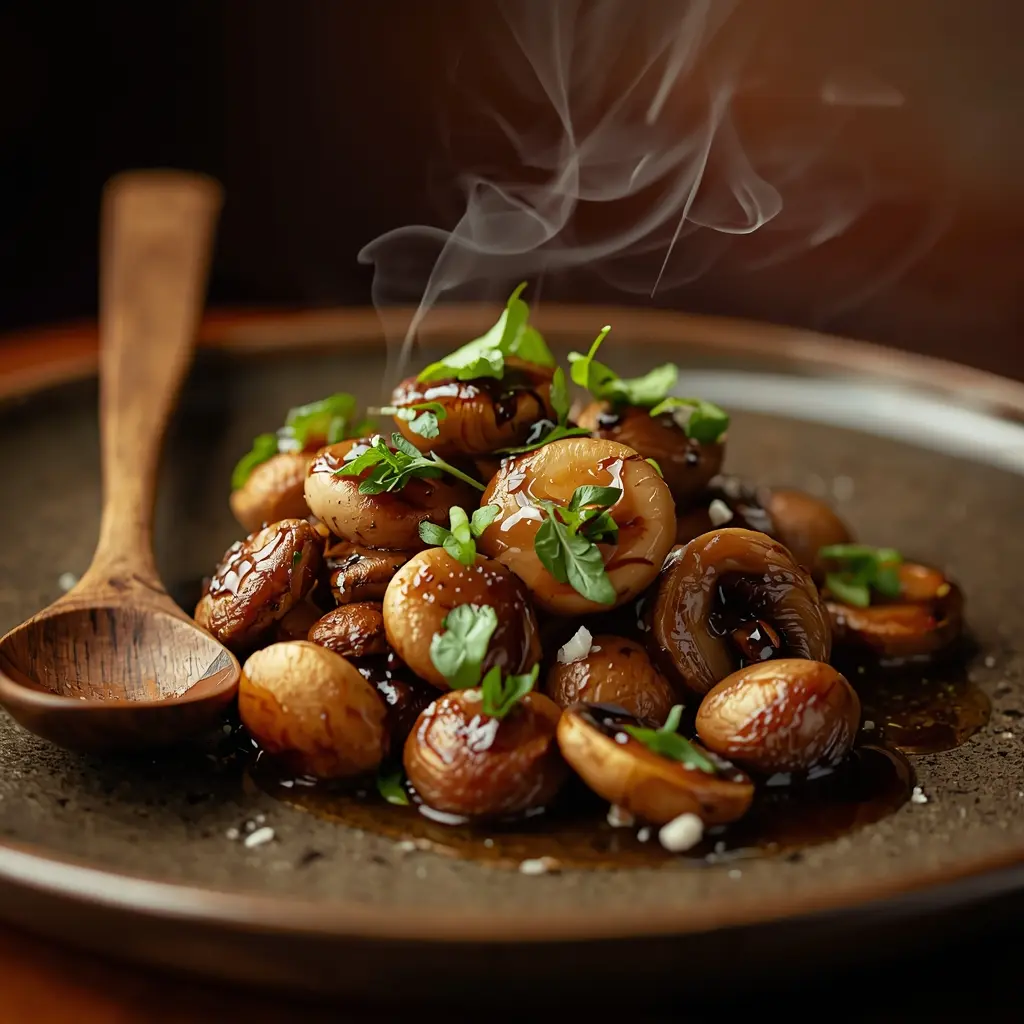
The second is cooking confidence with texture. The most common mistake is timidity: low heat, crowded pan, early stirring. Mushrooms need high heat, space, and patience. The goal is to push them to the point where they look almost over-cooked to the inexperienced eye. That deep golden-brown colour is where flavour compounds fully develop and the cell structure contracts to a meaty, satisfying chew. Nutritional compounds are stable at these temperatures. The flavour is not available any other way.
The third is using the whole mushroom. Stems carry equal beta-glucans and protein to the cap despite being tougher. In a professional kitchen, stems go into stock or slow-cooked sauces. Nothing is wasted and the cumulative nutritional contribution across a full dish is significantly higher.
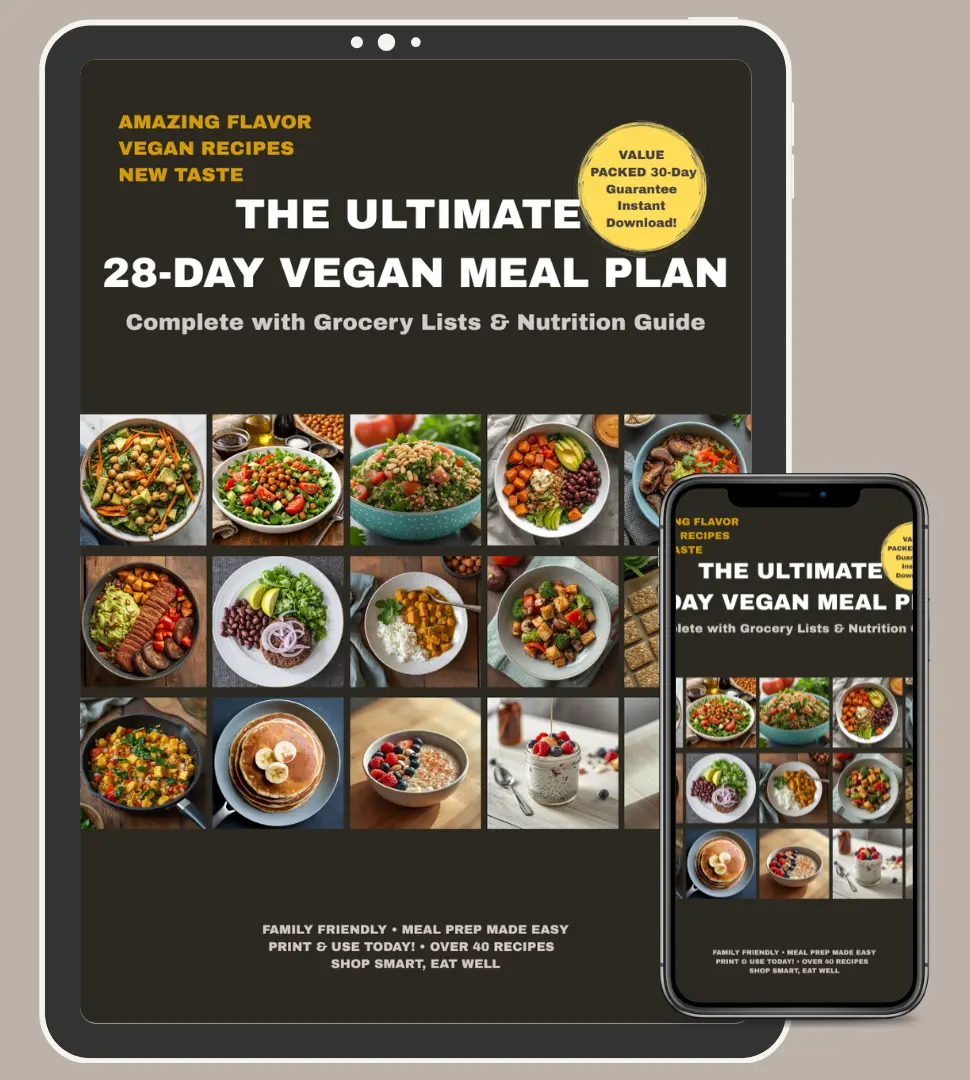
If you want mushroom-forward meals planned into a full month of nutritionally complete vegan cooking, the Ultimate 28-Day Vegan Meal Plan + Grocery List, (Complete Solution) covers every meal with vibrant photos, complete shopping lists, and simple recipes with common ingredients. Save 7+ hours weekly on meal planning.
Conclusion: Mushroom Nutrition Vegan Diets Cannot Afford to Ignore
Mushroom nutrition vegan diets can draw on is both ancient and cutting-edge. Used in traditional cooking across MENA, Mediterranean, and Asian cultures for thousands of years, edible fungi are now validated by nutritional science as uniquely valuable for exactly the reasons professional cooks have always valued them: flavour depth, versatility, and a nutritional profile that genuinely complements a plant-based diet rather than repeating it.
The practical message is straightforward. UV-treat your mushrooms for vitamin D. Use dried shiitake and porcini soaking liquid as your primary umami stock. Include oyster and chestnut mushrooms for protein, selenium, and ergothioneine. Pair with legumes for the most nutritionally comprehensive combinations in plant-based cooking. And cook with high heat, uncrowded, seasoned at the right moment. This mushroom nutrition vegan approach requires no special equipment, minimal additional cost, and delivers compounding benefits across flavour, immunity, cognition, and long-term health with every meal.
The Ultimate 28-Day Vegan Meal Plan + Grocery List, (Complete Solution) puts all of this into action: over 40 nutritionist-approved recipes, a vibrant photo for every dish, helpful vegan tips and guides, and a complete 28-day calendar. Print and use today.
Frequently Asked Questions About Mushroom Nutrition Vegan Diet
1. Are mushrooms good for a vegan diet?
Yes. Mushrooms provide nutrients no plant can: vitamin D via UV conversion, ergothioneine, selenium, copper, and beta-glucan bioactive compounds. Their umami depth also makes plant-based cooking more satisfying, supporting long-term dietary adherence.
2. Which mushroom has the most protein for vegans?
Dried porcini provides approximately 3.7g per 100g, the highest among common species. Fresh oyster mushrooms reach 3.3g per 100g. Dried shiitake reaches 9.6g per 100g as water removal concentrates all nutrients.
3. Can mushrooms provide vitamin D on a vegan diet?
Yes. Mushrooms exposed to UV light convert ergosterol to vitamin D2 (ergocalciferol), the same photochemical process that produces vitamin D in human skin. Placing fresh shiitake or portobello mushrooms gill-side up in direct midday sunlight for 20-30 minutes can increase their vitamin D content by over 4,000%.
4. What are beta-glucans in mushrooms and why do they matter?
Beta-glucans are complex polysaccharides found in mushroom cell walls that act as immunomodulatory agents, activating macrophages, natural killer cells, and dendritic cells for more effective immune function. They also act as prebiotics in the gut and show LDL-cholesterol-lowering effects comparable to oat beta-glucan in controlled studies.
5. How should vegans cook mushrooms to maximise nutrition?
For maximum benefit, UV-treat before cooking for vitamin D, sear in a hot uncrowded pan, salt after initial colouring rather than before, use dried mushroom soaking liquid as cooking stock, and finish with a glutamate source to activate umami synergy. These six steps maximise both nutrition and flavour simultaneously.
6. What is ergothioneine and which mushrooms contain it?
Ergothioneine is an antioxidant amino acid that cannot be synthesised by the human body and accumulates in human organs and tissues. Mushrooms are its primary dietary source. Oyster and chestnut mushrooms have the highest concentrations. Higher serum ergothioneine is associated with reduced biological ageing markers in observational research.
7. Are dried mushrooms more nutritious than fresh?
Per gram of weight, yes. Drying removes water and concentrates protein, B vitamins, selenium, copper, and umami compounds dramatically. Dried shiitake provides approximately 4-5x the protein and mineral content per gram compared to fresh. The soaking liquid from dried mushrooms is also nutritionally dense and should always be used in cooking.
8. Can mushrooms help with immune function on a vegan diet?
Yes. Lentinan from shiitake, D-fraction from maitake, and beta-glucans from reishi are among the most studied immunomodulatory compounds in nutritional science, showing activation of immune cell populations associated with more effective pathogen response and reduced inflammation.
9. Is Lion’s Mane mushroom worth including in a vegan diet?
For cognitive health, yes. Hericenones and erinacines from Lion’s Mane stimulate nerve growth factor (NGF) in pre-clinical and some clinical studies. It is increasingly found in functional food formulations targeting brain health, with a mild flavour easy to incorporate into soups, stir-fries, and grain bowls.
10. How do mushrooms compare to meat for umami flavour?
Dried shiitake and porcini contain the highest guanylate (GMP) concentrations of any food. Combined with a glutamate source, they activate the synergy that produces umami intensity up to 8x greater than either compound alone. Professional plant-based kitchens routinely use dried mushroom stock as a complete substitute for meat-based stocks.
11. Are all mushrooms safe to eat on a vegan diet?
All commercially farmed edible mushrooms are safe and nutritious. Wild foraging requires expert identification as some wild species are toxic. The mushrooms covered in this guide (shiitake, oyster, portobello, maitake, king oyster, lion’s mane, chestnut, porcini) are all commercially available and fully safe for regular consumption.
12. How many mushrooms should a vegan eat per day?
No established daily requirement exists, but 80-100g of fresh mushrooms or 10-15g of dried in one daily meal delivers meaningful selenium, B vitamins, beta-glucans, and umami compounds. UV-treating before cooking adds vitamin D. This mushroom nutrition vegan habit compounds into significant long-term nutritional benefit.
Still spending hours figuring out what to eat?
What’s included in your download
- 40+ nutritionist-approved recipes
- Complete 28-day calendar
- Meets protein, iron & B12 needs
- Family & meal prep friendly
- Vibrant photo for every recipe
- Simple, common ingredients
Instant PDF download. No subscriptions. No waiting.