

Section 1: The Social Vegan Reality: Navigating Food, Family, and Identity
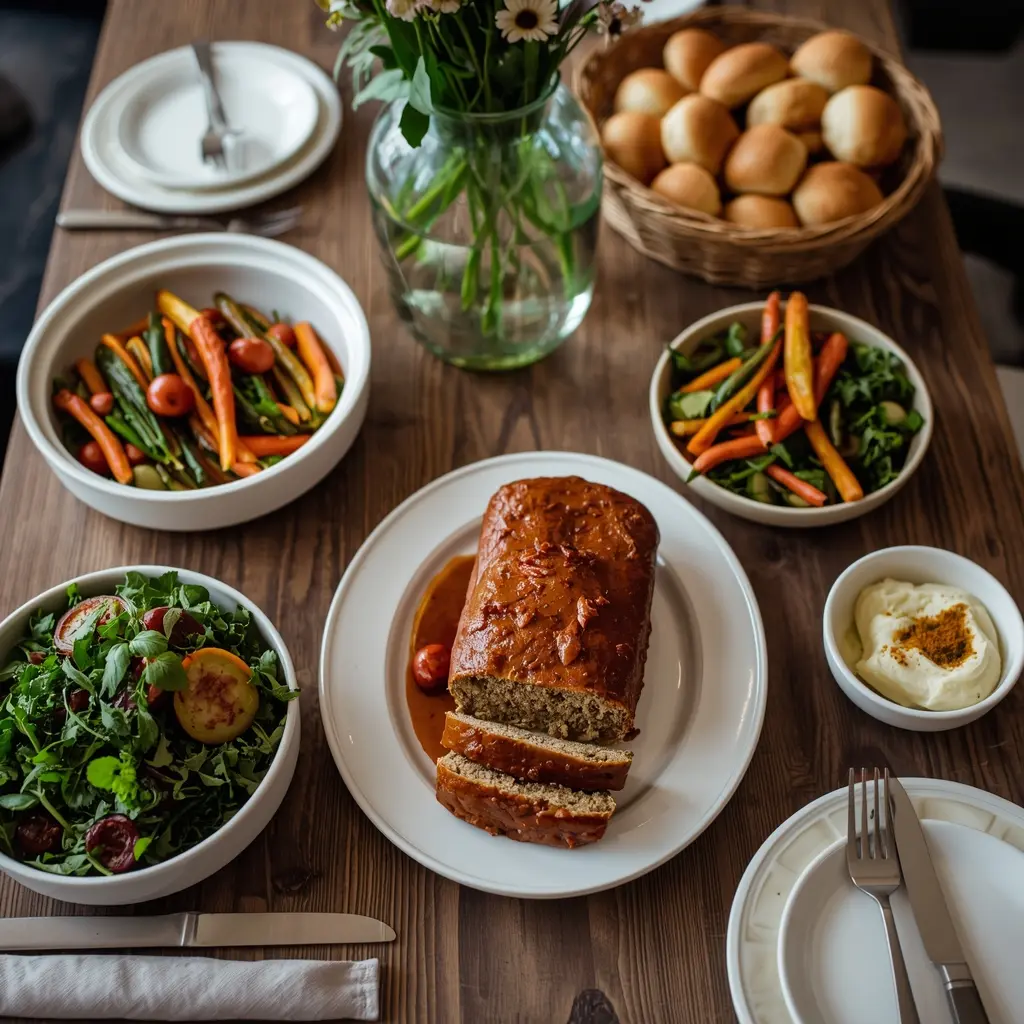
Understanding how to handle social situations as vegan begins with recognizing why these moments are the single biggest challenge, and often the breaking point, for those transitioning to plant-based living. Food is rarely just sustenance; it’s woven into the fabric of connection, tradition, cultural identity, and love. A shared meal is a ritual of belonging. When you change what’s on your plate, it can feel to others like you’re rejecting those shared values.
This emotional weight creates the “accommodation paradox”: being too flexible can compromise your values and make you resentful, while being too rigid can isolate you from your community. The art of how to handle social situations as vegan lies in navigating this middle path. Different cultural contexts add layers of complexity; collectivist cultures where food is central to family honor present different challenges than individualist ones. The strategy for how to handle social situations as vegan isn’t about winning arguments, but about setting clear, compassionate boundaries while preserving relationships.
It’s a long game focused on planting seeds through your actions and the quality of your food, rather than forcing immediate change. This foundational mindset is the first step in learning how to handle social situations as vegan with grace and resilience.
Section 2: Family Dinners: The Weekly Challenge of Shared Space and Tradition
Family dynamics present the most frequent test of your ability to handle social situations as vegan. Whether you live with non-vegan family or are visiting for a meal, strategy is everything.
Scenario 1: Living with Non-Vegan Family
A gradual approach is often the most effective way to handle social situations as vegan in a shared home. Rather than a sudden declaration, ease into it: “I’m trying Meatless Mondays,” then “I’m adding more plant-based meals,” and finally, “I’m fully vegan now.” This gives family time to adjust mentally and logistically.
The kitchen strategy is crucial. Designate your own shelf in the pantry and fridge. Offer to cook dinner for the family one or two nights a week this is your chance to show, not tell, how delicious vegan food can be. This “conversion by osmosis” method is a powerful, low-pressure way to handle social situations as vegan. When conversations arise, choose your scripts wisely. Avoid leading with ethics if it triggers defensiveness. Instead, say, “I’m trying this for my health/energy, and I feel amazing.” Frame it as a personal experiment, not a moral judgement.
Scenario 2: Visiting Family for Dinner
The golden rule for how to handle social situations as vegan as a guest is the 24-Hour Advance Warning. A simple text: “Hey, just a heads-up, I’m eating vegan now. No worries at all, I’m happy to bring a main dish everyone might enjoy!” This removes the host’s panic, shows consideration, and positions you as a solution, not a problem. The potluck strategy is your best friend. Bring a substantial, crowd-pleasing main like a rich lentil shepherd’s pie, a colorful Buddha bowl bar, or jackfruit tacos. Make enough for everyone.
Practice “stealth veganism”: let people enjoy the food first, then reveal it’s vegan if asked. This is a masterful way to handle social situations as vegan, as it bypasses prejudice. For comments like “But plants have feelings!”, use the graceful deflection: “You know, I’ve wondered about that too! I’m still learning. This salad is delicious though, did you grow the tomatoes?” This disarms without engaging in a fruitless debate.
Scenario 3: The Guilt-Trip Situation
When met with, “I made this special for you…” (a dish containing butter or cheese), your response needs to balance appreciation with firmness. A soft approach: “That is so incredibly thoughtful of you, I’m genuinely touched. I should have been clearer I’m not eating any animal products at all now. Next time, could I send you my favorite vegan recipe? I’d love to cook it with you.” If pressed, be kindly firm: “I appreciate the effort more than you know, but I don’t eat dairy/eggs anymore. Let’s find something I can enjoy with you right now.”
The ultimate strategic move for how to handle social situations as vegan is to eat a satisfying meal beforehand. Arriving satiated reduces the pressure on you and the host, allowing you to focus on connection.
Section 3: Holidays: The High-Stakes Culinary Theatre
Holidays are the ultimate test of your skills to handle social situations as vegan. These events are laden with tradition and emotion, making a strategic approach essential.
Thanksgiving Strategy:
Your playbook for how to handle social situations as vegan on Thanksgiving offers three paths:
- The Vegan Side-Dish Takeover: Volunteer to bring multiple essential dishes. Make legendary vegan mashed potatoes (with roasted garlic and cashew cream), a green bean casserole with crispy fried shallots, a savory bread stuffing with vegetable broth, and a pumpkin pie with coconut whip. You’ll eat like royalty, and your family will discover the dishes they look forward to are your vegan ones.
- The Full Vegan Thanksgiving (Host or Cook): This is a proactive way to handle social situations as vegan. Offer to host or take charge of cooking. Create a centerpiece like a stuffed pumpkin or a walnut-lentil loaf so impressive that the “missing” turkey becomes an afterthought.
- The Strategic Retreat: In hostile environments, the best way to handle social situations as vegan is to protect your peace. Eat a full, delicious meal at home. Attend for the company, not the food. Bring your own plate if you wish, and calmly state, “I’ve already eaten, but I wouldn’t miss time with you all.”
Christmas & Holiday Parties:
For potlucks, employ the Potluck Dominance Strategy. Bring two to three exceptional dishes, a creamy dip, a hearty pasta bake, and decadent desserts. Place them prominently. For how to handle social situations as vegan, dessert is your secret weapon. A rich chocolate torte or pecan pie that happens to be vegan can convert skeptics mid-bite. Another clever tactic is the Gift Strategy: bring beautifully packaged vegan cookies or truffles as a host gift, creating a positive, non-confrontational association with vegan food.
Religious & Cultural Celebrations:
Here, the strategy for how to handle social situations as vegan balances respect for tradition with integrity to your values. For a other holiday, bring vegan challah and a stunning babaganoush. For Italian Christmas Eve (the Feast of the Seven Fishes), prepare a lavish vegan seafood spread using hearts of palm, oyster mushrooms, and artichokes. When asked “why,” have a concise, positive 30-second pitch ready: “I’ve been exploring how food affects my health and the planet, and I’ve been feeling so great eating this way. It’s been a really positive change for me.” Good Forum to check.
First Date Strategies:
Section 4: Work Events: Maintaining Professionalism and Personal Integrity
The professional arena requires a tailored approach for how to handle social situations as vegan, balancing your dietary choices with career considerations.
Office Lunches & Catered Meetings:
For a planned team lunch, the proactive way to handle social situations as vegan is to check the menu online in advance and call the restaurant with any questions. Order confidently: “I’ll have the garden salad, please hold the cheese and add the grilled tofu. Thank you!” Confidence normalizes your request. For surprise catered events, maintain a “Desk Survival Kit” with protein bars, nuts, and fruit. A polite “I actually ate just before the meeting, but I’ll grab a coffee!” is a flawless exit. Better yet, if you hear of a catering order, proactively email the organizer: “Hi [Name], to help with planning, I’m vegan.
If it’s easier, I’m happy to provide a couple of caterer suggestions that have great vegan options. Thanks for organizing!” This is a solution-oriented way to handle social situations as vegan.
Business Dinners & Client Entertainment:
These high-stakes events require a focus on business, not food. The strategy for how to handle social situations as vegan here is simplicity and discretion. At a steakhouse, order a baked potato, steamed vegetables, and a side salad with oil and vinegar. Make minimal fuss. If choosing the restaurant, suggest an upscale spot known for its vegetable-forward or easily adaptable cuisine, it demonstrates good taste. Your calm, prepared demeanor is the key to handling social situations as a vegan professionally.
Section 5: The Art of Response: Handling Questions & Comments with Ease
A major part of how to handle social situations as vegan is mastering the art of the reply. Your goal is to defuse, not debate.
Common Questions & Scripts:
- “Where do you get your protein?”
❌ A lengthy scientific lecture.
✅ “Oh, from all the usual places, beans, lentils, tofu, nuts! It’s easier than people think.” (Smile, move on.) - “I could never give up cheese!”
❌ “It’s easy! You’re just weak!”
✅ “I totally get that! I felt the same way. There are some surprisingly good alternatives now if you’re ever curious.” (Empathetic, open-ended.) - “Humans are natural omnivores.”
❌ “Actually, our digestive systems prove…”
✅ “It’s an interesting topic! For me, this just feels right. How about those [local sports team]?” (Acknowledge, disengage, redirect.)
Hostile Comments:
- “You’re being so preachy.” (When you’ve said nothing.)
Response: “I’m not sure I’ve said anything about it? I’m just eating my lunch.” (Calmly points out the projection.) - “You think you’re better than us.”
Response: “Not at all. This is just a personal choice I’ve made for myself.” (Deflects and neutralizes.) - “You’ll get sick without meat.”
Response: “My blood work is actually the best it’s ever been, but I appreciate your concern!” (Uses authority [doctor] and gratitude to disarm.)
These scripts are essential tools for how to handle social situations as vegan without getting drained by circular conversations.
Here is my Post on Vegan Travel Guide.
Section 6: Advanced Strategies for Long-Term Social Harmony
Beyond scripts, cultivate these advanced mindsets for how to handle social situations as vegan:
The “Lead by Example” Method: This is the most powerful long-term strategy. Don’t talk about veganism unless asked. Let your increased energy, clear skin, and vibrant health spark curiosity. When you bring food, make it so good that people ask for the recipe. This magnetizes people toward your lifestyle without a single word of persuasion.
The “Strategic Silence” Technique: At a holiday table when a relative begins to bait you, simply smile, take a sip of water, and say, “I’m just here to enjoy everyone’s company tonight.” Then turn to another person and ask a question about their life. You cannot be dragged into an argument you refuse to join, a supreme tactic for how to handle social situations as vegan.
The “Ally Cultivation” System: Identify the most open-minded person in your family or friend group. Partner with them. At events, they can run interference, help in the kitchen, or simply offer supportive company. Having a buffer is a game-changer for how to handle social situations as vegan.
The “Gratitude Disarming” Method: Respond to any comment, even a barbed one, with genuine thanks. “Thanks for being curious about my meal!” or “I appreciate you thinking of me!” It’s psychologically very difficult to continue attacking someone who is thanking you.
Section 7: Recognizing When to Protect Your Peace
Part of knowing how to handle social situations as vegan is recognizing when a situation is toxic and requires boundaries, not better scripts.
Red Flags: Active sabotage of your food, constant mockery that feels abusive, a flat refusal to ever make any accommodation, or a person who makes your veganism all about their feelings of guilt or judgement.
Boundary Setting: Use clear “I” statements. “I need you to respect my dietary choices at the shared table, even if you don’t understand them.” “I’m not going to debate this anymore. Let’s talk about something else.” If patterns persist: “This is an important value to me. If you can’t respect it, we have a real problem in our relationship.”
With Family: It is okay to skip a holiday meal. It is okay to attend for only an hour. It is okay to prioritize your mental health. Your well-being is not a negotiation. A compassionate exit line could be: “I love you all, but the tension around food is too much for me right now. I need to sit this one out for my own peace. I’ll see you soon for a coffee instead.”
Mastering how to handle social situations as vegan is an ongoing practice in patience, communication, and self-respect. It involves equal parts strategy and heart: bringing delicious food, wielding graceful scripts, setting firm boundaries, and knowing when to simply lead by quiet, joyful example. By implementing these frameworks, you can move through the world with confidence, maintaining your integrity while nurturing the relationships that matter most. This is the true art of how to handle social situations as vegan.
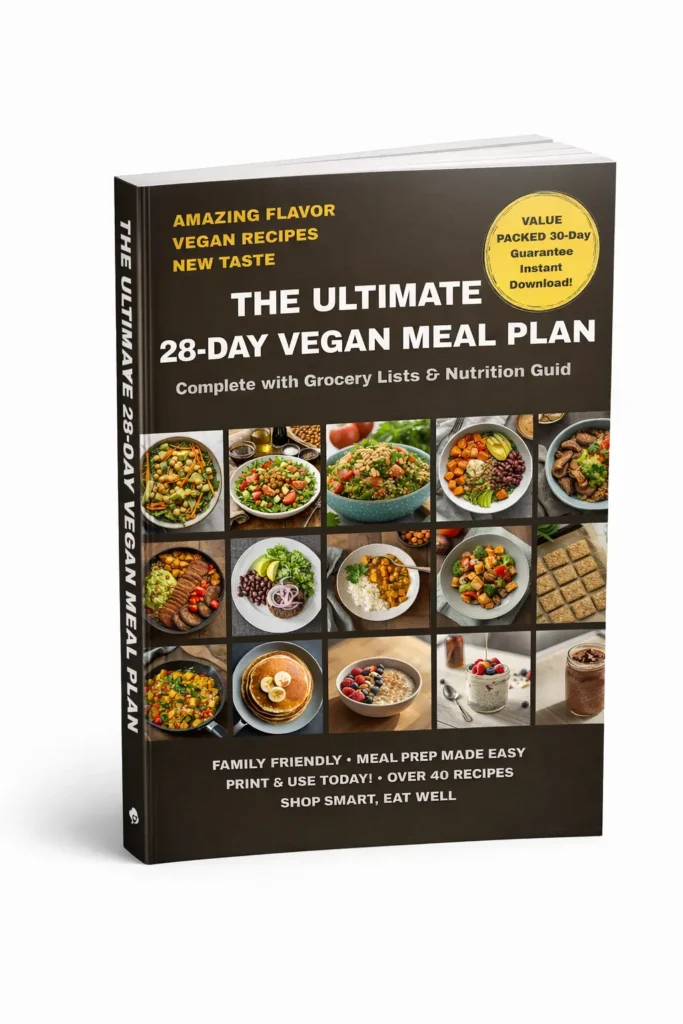
P.S. To help you eat well and feel great from day one, here’s my 28-Day Vegan Meal Plan with all the shopping lists and nutrition details included. Check it out here.
Want to try before you buy?
Enter your email below to get 2 free recipes instantly: