

Nutritional Disclaimer: This content is for informational purposes only and does not constitute medical or dietary advice. Always consult a registered dietitian or healthcare provider before making significant dietary changes, especially if you have a digestive condition, diabetes, or IBS.
High Fiber Vegan Foods: The Complete Guide to Plant-Based Fiber Sources
TL;DR
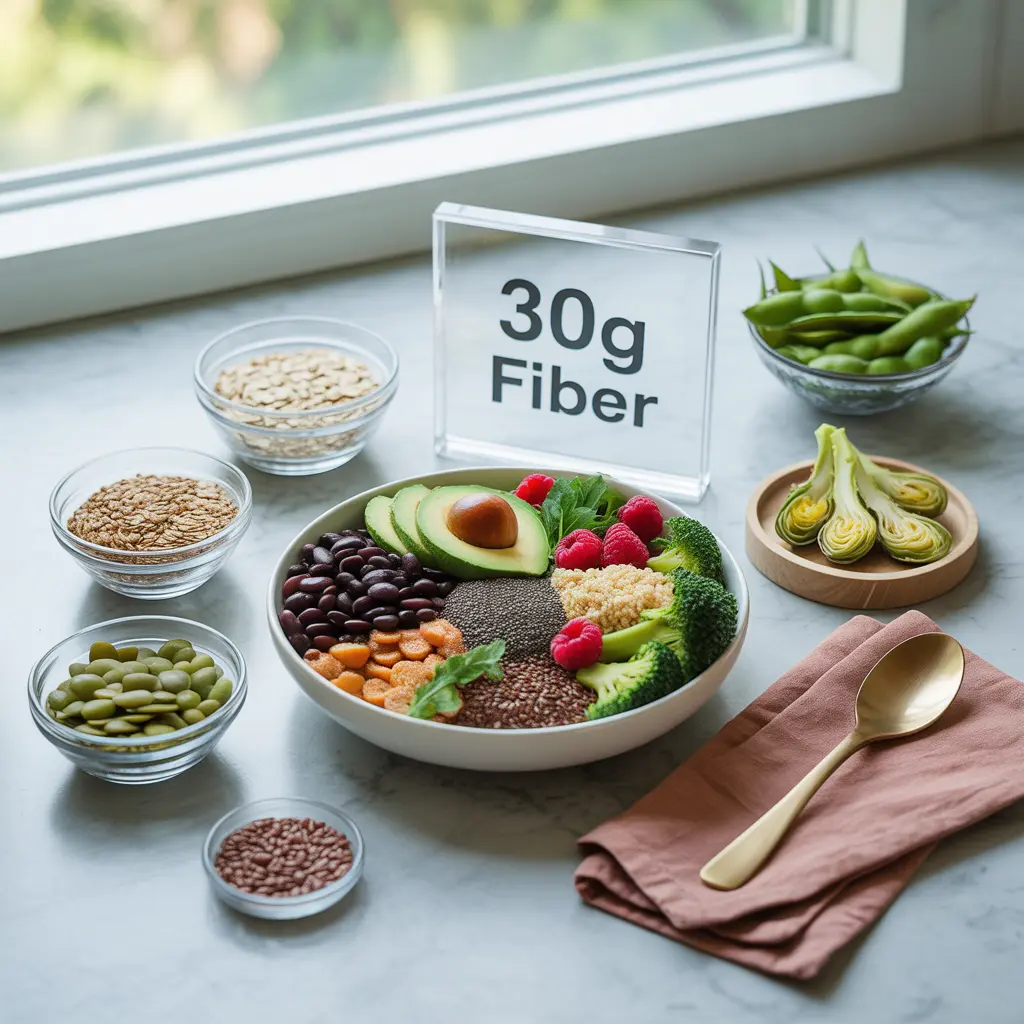
High fiber vegan foods are the most powerful nutritional tools available for gut health, blood sugar control, cholesterol reduction, weight management, and longevity. Plants are the only source of dietary fiber. This guide covers fiber biology, the three fiber types explained, the top 20 high fiber vegan foods ranked by fiber density, spotlight cards by food category, a step-by-step 30g daily protocol, the gut microbiome connection, MENA fiber-rich cooking, and 12 FAQs. The daily fiber target for adults is 30g minimum. Most people get less than 18g. High fiber vegan foods close that gap completely.
Why Fiber Is the Most Important Plant Nutrient
High fiber vegan foods deliver a nutritional advantage that no supplement can replicate. Fiber is not a single compound. It is a broad category of indigestible plant carbohydrates that interact with the gut, the microbiome, the immune system, and systemic metabolism in ways that continue to reshape nutritional science.
Every gram of additional daily fiber intake is associated with measurable health outcomes. The evidence base is among the strongest in all of nutrition research.
What Fiber Actually Does in the Body
Fiber plays six distinct physiological roles:
- Slows glucose absorption, reducing post-meal blood sugar spikes and insulin demand
- Binds bile acids in the digestive tract, forcing the liver to convert cholesterol into new bile, lowering circulating LDL
- Feeds gut bacteria, which ferment fiber into short-chain fatty acids (SCFAs) that fuel the colon lining and regulate immunity
- Increases stool bulk and transit speed, reducing exposure to carcinogens and lowering colorectal cancer risk
- Triggers satiety hormones (PYY, GLP-1), reducing caloric intake without conscious restriction
- Supports the gut lining integrity, reducing intestinal permeability linked to systemic inflammation
No other dietary component achieves all six simultaneously. The plant-based fiber foods list in this guide is organized to make hitting 30g daily practical, not theoretical.
Why Plant-Based Eaters Have a Structural Advantage
Research reviewed at NutritionFacts.org consistently shows that vegans consume significantly more fiber than omnivores on average, 34-38g daily versus 18-20g. This single difference explains a substantial portion of the health outcome gap between plant-based and omnivore dietary patterns. High fiber vegan foods are the mechanism behind many of the benefits attributed to plant-based eating overall.
For the full nutritional science, the vegan diet nutrition and science guide covers the evidence base on plant-based health outcomes including fiber’s central role.
Soluble vs. Insoluble vs. Resistant Starch: The Three Fiber Types
Not all fiber works the same way. Understanding the three types of dietary fiber is essential for using high fiber vegan foods strategically rather than just eating more plants randomly.
The Three Fiber Types: How Each One Works
Soluble Fiber
What it does: Dissolves in water to form a viscous gel. Slows digestion, binds cholesterol and bile acids, stabilizes blood sugar.
Key SCFAs produced: Propionate and butyrate via gut fermentation.
- Oats (beta-glucan)
- Legumes (pectin)
- Flaxseed (mucilage)
- Apples, citrus fruits
- Psyllium husk
Insoluble Fiber
What it does: Does not dissolve. Adds bulk to stool, accelerates intestinal transit, reduces constipation and diverticular disease risk.
Key benefit: Dilutes and speeds the removal of potential carcinogens from the colon.
- Wheat bran, whole grains
- Vegetable skins
- Nuts and seeds
- Cauliflower, green beans
- Root vegetable skins
Resistant Starch
What it does: Resists digestion in the small intestine. Reaches the colon intact and acts as a prebiotic, producing the highest butyrate yields of any fiber type.
Key benefit: Butyrate is the primary fuel for colonocytes and the most potent SCFA for gut lining integrity.
- Cooked and cooled legumes
- Cooked and cooled rice
- Green (unripe) bananas
- Cooked and cooled potatoes
- Oats (raw or overnight)
The Resistant Starch Hack Every Vegan Should Know
Cooking and then cooling starchy foods transforms a portion of their digestible starch into resistant starch. The process is called retrogradation.
- Cook lentils, cool overnight in the fridge: resistant starch increases by up to 50%
- Cook rice, refrigerate for 24 hours, reheat gently: resistant starch content roughly doubles
- Boil potatoes, cool completely before eating: significant resistant starch increase versus hot potatoes
This is one of the most practical ways to increase vegan fiber for gut health without changing what you eat, only changing how you prepare it. Meal prepping legumes and grains in advance is not just convenient. It is nutritionally superior for the plant fiber microbiome.
Top 20 Highest Fiber Vegan Foods Ranked
The bar chart below ranks the top 20 high fiber vegan foods by fiber content per standard serving. Both legumes and whole grains dominate the upper ranks, confirming that a plant-based fiber foods list built around these two categories is the fastest path to 30g daily.
Legumes dominate the top six positions. This is consistent across all plant fiber rankings. A single cup of lentils, split peas, or black beans delivers approximately half the daily fiber target in one serving. Vegan legumes fiber content is unmatched by any other food category.
The Simple Rule for Hitting 30g Daily
- 1 cup legumes per day: delivers 11-16g fiber immediately
- 2 tbsp chia or ground flaxseed: adds 8-10g
- 2-3 servings vegetables with skins: adds 6-9g
- 1 serving whole grain (oats, quinoa, brown rice): adds 3-8g
Total: 28-43g without trying. The daily fiber goal on a plant diet is not a challenge. It is the default outcome of eating plants at every meal.
Fiber by Food Category: Legumes, Vegetables, Grains, Fruits, Seeds
Each food category delivers fiber differently and contributes different fiber types. Building a varied plant-based fiber foods list across all five categories ensures coverage of soluble, insoluble, and resistant starch simultaneously.
Legumes: The Fiber Anchor
The undisputed foundation of any high fiber vegan foods strategy. Legumes deliver a unique combination of soluble fiber, resistant starch, and plant protein.
- Lentils: 15.6g per cup
- Black beans: 15g per cup
- Chickpeas: 12.5g per cup
- Adzuki beans: 17g per cup
- Navy beans: 19g per cup
Best use: Daily anchor. At least one cup of cooked legumes every day.
Vegetables: The Volume Play
Vegetables deliver primarily insoluble fiber and a wide range of prebiotic compounds. Diversity matters more than quantity in this category.
- Artichoke: 7g per medium
- Broccoli: 5.1g per cup cooked
- Brussels sprouts: 4g per cup
- Carrots: 3.6g per cup raw
- Sweet potato with skin: 4.8g
Best use: Variety across the week. Rotating 10+ vegetable species maximizes vegan prebiotic foods diversity.
Grains: The Sustained Delivery
High fiber vegan grains provide sustained fiber release throughout the day, particularly beta-glucan from oats which is the most clinically validated soluble fiber for cholesterol reduction.
- Oats: 8g per 80g dry
- Quinoa: 5.2g per cup cooked
- Barley: 6g per cup cooked
- Rye: 7.5g per 100g
- Brown rice: 3.5g per cup
Best use: Breakfast base (oats) and dinner grain rotation.
Fruits: The Soluble Fiber Boost
Fruit fiber is predominantly soluble, delivering pectin that forms the most effective gel for slowing glucose absorption and binding bile acids. Eat fruit with the skin whenever possible.
- Avocado: 10g per whole fruit
- Pear with skin: 5.5g
- Apple with skin: 4.4g
- Mango: 3.3g per cup
- Banana (green/unripe): 3g + resistant starch
Best use: Snacks and breakfast additions. Always include the skin.
Seeds: The Fiber Concentrators
Seeds deliver the highest fiber per gram ratio of any food category. Chia seeds and ground flaxseed are the most practical additions to any daily routine for rapid fiber increases.
- Chia seeds: 9.8g per 30g
- Ground flaxseed: 8g per 30g
- Hemp seeds: 1.2g per 30g (lower, but adds protein)
- Sunflower seeds: 3g per 30g
- Psyllium husk: 7g per tbsp
Best use: Daily addition to porridge, smoothies, or salads.
Nuts: The Insoluble Fiber Layer
Nuts contribute primarily insoluble fiber from their outer cell walls and skins, alongside heart-protective unsaturated fats. The fiber in nuts is enhanced when the skin is retained.
- Almonds: 3.5g per 30g
- Walnuts: 2g per 30g
- Pistachios: 3g per 30g
- Hazelnuts: 2.7g per 30g
- Brazil nuts: 2.1g per 30g
Best use: Snacks and toppings. Combine with fruit for a soluble-plus-insoluble fiber pairing.
For gut health specifics, the vegan gut health guide covers prebiotic fiber types, microbiome diversity, and the specific bacterial species that thrive on different plant fiber substrates.
How to Reach 30g+ Daily Fiber Without Bloating
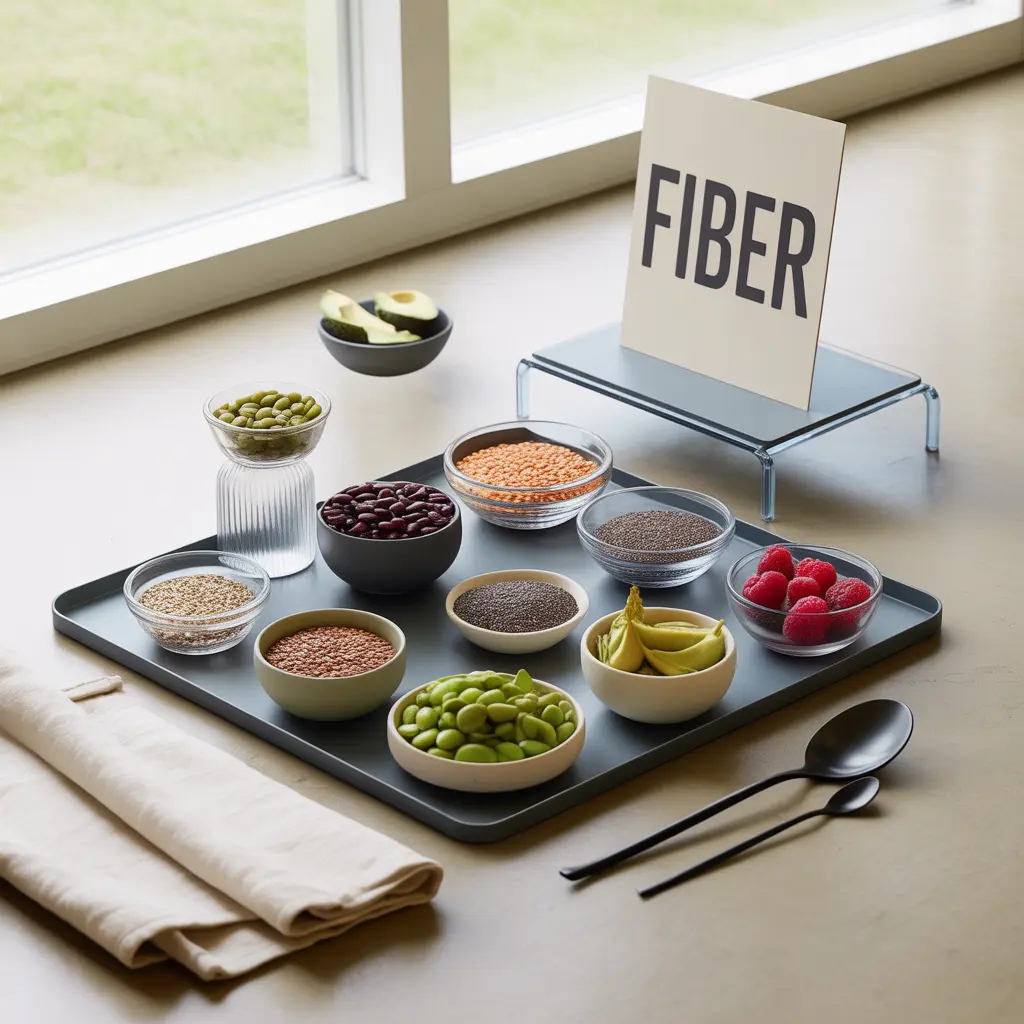
The most common reason people fail to increase their daily plant fiber intake is digestive discomfort. Bloating, gas, and cramping are real barriers. They are also entirely preventable with the right progressive approach.
Why Rapid Fiber Increases Cause Bloating
When fiber intake increases suddenly, the gut microbiome is not yet equipped with sufficient fiber-fermenting bacteria to process the additional load. The result is excess gas production. The solution is gradual introduction over 4-6 weeks, giving the microbiome time to adapt. See the full guide on managing vegan bloating for additional strategies.
The 6-Step Progressive Fiber Protocol
Week 1-2: Start with Soluble Fiber First
Soluble fiber is gentler on the gut than insoluble. Start with oats, chia seeds, and ripe fruit before adding large quantities of legumes.
- Add 2 tbsp chia seeds to morning porridge daily
- Eat one apple or pear with skin as a snack
- Replace white rice with oats at one meal
- Target: 18-22g total fiber daily
Week 2-3: Introduce Legumes Gradually
Start with well-cooked, thoroughly rinsed canned legumes. Cooking breaks down some fermentable oligosaccharides that cause gas in sensitive individuals.
- Add 1/2 cup cooked lentils to one meal daily
- Rinse canned legumes thoroughly before use
- Use digestive spices: cumin, fennel, asafoetida (hing)
- Target: 22-26g total fiber daily
Week 3-4: Build to Full Legume Serving
Increase to one full cup of legumes daily. Rotate between lentils, chickpeas, and black beans for microbiome diversity.
- 1 cup cooked legumes per day minimum
- Add ground flaxseed to one meal (2 tbsp)
- Increase vegetable variety: aim for 5 different vegetables weekly
- Target: 26-30g total fiber daily
Week 4-5: Add Resistant Starch
Begin cooking and cooling legumes and grains ahead of time. This shifts fermentation from the small intestine to the colon where it belongs.
- Batch cook lentils and refrigerate overnight before eating
- Prepare overnight oats (raw oats have more resistant starch than cooked)
- Include one green banana or cooled cooked potato per day
- Target: 30-35g total fiber daily
Week 5-6: Maximize Plant Species Diversity
Target 30 different plant species per week. This number is not as challenging as it sounds: every herb, spice, grain, legume, fruit, and vegetable variety counts.
- Rotate grain types: oats, quinoa, barley, rye, brown rice across the week
- Use mixed seed blends on salads and soups
- Add fresh herbs generously: parsley, coriander, mint all count
- Target: 35-40g total fiber daily
Ongoing: Hydration Is Non-Negotiable
Fiber absorbs water. Without adequate hydration, high fiber vegan foods intake can cause constipation rather than prevent it.
- Increase water intake by 500ml per day for every 10g fiber added
- Herbal teas count toward daily fluid intake
- Signs of adequate hydration: pale yellow urine throughout the day
- Minimum: 2-2.5 liters water daily at 30g+ fiber
For those with IBS or diagnosed digestive conditions, the fiber approach needs to be modified. The low FODMAP vegan diet guide covers fiber management strategies specific to IBS where certain high fiber foods may trigger symptoms.
The Gut Microbiome-Fiber Connection
The relationship between plant fiber and the gut microbiome is the most exciting frontier in nutritional science. Fiber does not just pass through the gut. It shapes which microbial species thrive there, and those species determine an extraordinary range of health outcomes well beyond digestion.
Short-Chain Fatty Acids: The Real Output of Fiber Fermentation
When gut bacteria ferment vegan dietary fiber sources, they produce short-chain fatty acids (SCFAs). The three primary SCFAs are:
- Butyrate: Primary fuel for colonocytes (colon cells). Maintains gut lining integrity. Has anti-inflammatory and anti-cancer properties in the colon.
- Propionate: Travels to the liver. Reduces cholesterol synthesis. Signals satiety hormones.
- Acetate: Enters systemic circulation. Feeds heart and muscle cells. Reduces appetite via central nervous system signaling.
The 30 Plants Per Week Target: Why It Matters
Research published in the American Gut Project and reviewed at Examine.com found that people who eat 30+ different plant species weekly have significantly more diverse gut microbiomes than those eating fewer than 10. Microbiome diversity is the single strongest predictor of gut health, immune function, and inflammatory status. High fiber vegan foods eaten in variety, not just volume, is what drives this diversity.
Fiber and Systemic Health: Beyond the Gut
The gut microbiome communicates with every major organ system. Fiber’s systemic effects include:
- Cardiovascular: Soluble fiber lowers LDL by 5-10%. Beta-glucan is the most validated compound. See the vegan cholesterol guide for full mechanisms.
- Blood sugar: Soluble fiber slows glucose absorption, reducing HbA1c and insulin resistance. Critical for the vegan type 2 diabetes approach.
- Weight: Fiber triggers PYY and GLP-1 satiety hormones. High fiber intake is inversely associated with body weight across all populations. Full detail in the vegan metabolism and weight loss guide.
- Inflammation: Butyrate inhibits NF-kB, the master inflammatory switch. High fiber plant diets are among the most anti-inflammatory dietary patterns documented. See anti-inflammatory vegan diet guide.
Chef Section: MENA Fiber-Rich Cooking Traditions
Twenty years in professional MENA and Mediterranean kitchens produces one unavoidable observation: traditional plant-based fiber intake in this culinary region is exceptional. Long before dietary fiber was a scientific category, these cuisines had built the highest-fiber meal structures in the world.
The MENA Fiber Kitchen: What It Looks Like
A traditional MENA daily plate includes structures that modern nutrition science now identifies as optimal for daily plant fiber intake:
- Ful medames for breakfast: slow-cooked fava beans with olive oil, cumin, and lemon. One cup delivers 9g fiber before the day begins.
- Lentil soup (shorbat adas) at lunch: Red lentils cooked with turmeric, cumin, and onion. A generous bowl adds 12-15g fiber.
- Mujaddara at dinner: lentils and rice with caramelized onions. A staple across the Levant, delivering 10-12g fiber per serving and significant resistant starch when cooled.
- Mezze culture: hummus (chickpeas), baba ghanoush (eggplant), tabbouleh (parsley and bulgur), fattoush (vegetables). A full mezze spread casually delivers 15-20g fiber before the main course.
Three Fiber-Maximizing Techniques from a Professional Kitchen
1. The Lentil Overnight Method
Cook a large batch of lentils. Do not eat them immediately. Refrigerate overnight. Reheat gently the next day. This doubles resistant starch content and shifts fermentation to the colon for maximum butyrate production. Finish with lemon juice (vitamin C) and cumin (aids digestion). This is the standard prep in a professional MENA kitchen and one of the most fiber-intelligent cooking methods in any cuisine.
2. The Legume-Spice Pairing Principle
MENA spice pairings with legumes are not arbitrary. Cumin, fennel seed, coriander, and asafoetida (hing) all contain compounds that reduce the gas-producing fermentation byproducts of legume fiber.
- Cumin reduces flatulence by inhibiting gas-producing bacteria
- Fennel seed relaxes intestinal smooth muscle, easing gas passage
- Asafoetida (used in Indian MENA fusion) is the most potent of all anti-flatulent spices
These spices make the difference between a high fiber vegan diet that is comfortable and one that is not.
3. The Bulgur and Freekeh Advantage
Bulgur wheat and freekeh (young green wheat) are staple MENA grains largely unknown in Western plant-based circles. Both are among the highest fiber grains available:
- Bulgur: 8.2g fiber per cup cooked (higher than quinoa and brown rice combined)
- Freekeh: up to 12g fiber per cup cooked, making it one of the highest fiber vegan grains in existence
Freekeh is also rich in prebiotics and contains lutein and zeaxanthin for eye health. It is extraordinary that it remains absent from most Western high fiber plant proteins discussions. Any MENA-inspired vegan rotation should include it weekly.
The MENA Fiber Day: A Pro Kitchen Summary
- Breakfast: Overnight oats with ground flaxseed + fresh fig or date + za’atar sprinkle on the side
- Lunch: Red lentil soup + bulgur tabbouleh with parsley, tomato, cucumber, lemon
- Dinner: Mujaddara (lentils and rice, cooled and reheated) + roasted eggplant with tahini + sliced cucumber and mint
- Total fiber estimate: 38-45g. Daily fiber goal exceeded with ease.
FAQ: 12 Questions About High Fiber Vegan Foods
Studies show vegans average 34-38g of daily fiber, compared to 18-20g for omnivores. This is one of the most significant nutritional differences between dietary patterns. The reason is structural: high fiber vegan foods like legumes, whole grains, and vegetables form the core of a plant-based diet rather than being optional additions.
Two additions produce the fastest increase:
- Add 2 tbsp chia seeds daily to porridge, smoothies, or water: adds 9.8g instantly
- Replace one refined carbohydrate with lentils or chickpeas at one meal: adds 12-15g
Combined, these two changes alone add 22-25g fiber to any baseline diet within 24 hours. Introduce gradually to avoid digestive discomfort.
Very high fiber intake (above 70g daily) can cause issues including:
- Mineral absorption interference: fiber can bind to iron, zinc, and calcium
- Digestive discomfort: gas, bloating, cramping in sensitive individuals
- Caloric dilution: very high fiber displaces calorie-dense foods, which may be problematic for athletes with high energy needs
For most adults, 30-50g daily is the optimal range. Above 50g, ensure adequate hydration and mineral status monitoring.
The high fiber plant proteins category is dominated by legumes:
- Lentils: 18g protein + 15.6g fiber per cup cooked
- Black beans: 15g protein + 15g fiber per cup
- Edamame: 17g protein + 11g fiber per cup
- Tempeh: 31g protein + 5g fiber per 100g
- Hemp seeds: 10g protein + 1.2g fiber per 30g (lower fiber but exceptionally high protein)
Legumes are the only food category that simultaneously tops both the fiber and protein rankings on a plant-based diet.
Cooking has a nuanced effect on fiber:
- Softens cell walls, slightly reducing total fiber content by 5-15%
- Increases digestibility of the remaining fiber, making it more accessible to gut bacteria
- Reduces antinutrients like phytic acid that inhibit mineral absorption
- Increases resistant starch when cooked and then cooled (retrogradation)
Overall, the benefits of cooking legumes and vegetables outweigh the modest fiber reduction for most people.
Food first is always the priority. If supplementation is needed:
- Psyllium husk: 7g soluble fiber per tablespoon. Most validated for cholesterol and blood sugar. Take with plenty of water.
- Inulin/FOS powder: Prebiotic fiber that specifically feeds Bifidobacteria. Start with small doses to avoid gas.
- Partially hydrolyzed guar gum (PHGG): Soluble fiber with minimal digestive side effects. Best tolerated supplement for IBS-prone individuals.
Supplements should never replace vegan dietary fiber sources. They lack the polyphenols, micronutrients, and fiber diversity of whole plant foods.
Fiber for weight loss on a vegan diet works through four mechanisms:
- Triggers PYY and GLP-1 satiety hormones, reducing hunger for hours post-meal
- Slows gastric emptying, extending the feeling of fullness
- Reduces caloric density of meals without reducing volume
- Improves insulin sensitivity, reducing fat storage signals
Studies show every 10g daily fiber increase is associated with 3.7% reduction in relative abdominal fat gain over time. See the full vegan metabolism and weight management guide for the complete picture.
No. IBS management requires distinguishing fiber types carefully:
- Generally well tolerated: Oat bran, psyllium, cooked carrots, cooked zucchini, rice bran
- Poorly tolerated in IBS: Raw onions, garlic, legumes in large quantities, wheat bran, inulin supplements
A low FODMAP approach temporarily restricts high-fermentable fiber foods while the gut adapts. The low FODMAP vegan diet guide provides a complete protocol for managing fiber intake with IBS.
Yes, with strong clinical evidence. Soluble fiber lowers LDL cholesterol through two mechanisms:
- Bile acid binding: Soluble fiber forms a gel that traps bile acids in the intestine. The liver must synthesize new bile from circulating cholesterol, directly lowering LDL.
- Propionate production: Gut fermentation of soluble fiber produces propionate, which inhibits hepatic cholesterol synthesis.
Beta-glucan from oats is the most clinically validated fiber for cholesterol reduction. 3g beta-glucan daily (about 80g dry oats) consistently reduces LDL by 5-10%. Full details at the vegan cholesterol guide.
Fiber is the primary dietary mechanism for blood sugar stabilization:
- Soluble fiber forms a viscous gel that slows the digestion and absorption of all carbohydrates consumed in the same meal
- Resistant starch bypasses digestion entirely, producing no blood glucose response
- The second meal effect: a high fiber breakfast reduces blood glucose response to lunch even 4-6 hours later
For the full vegan fiber blood sugar protocol, the vegan type 2 diabetes nutrition guide provides clinical targets and meal timing strategies.
The comparison is stark:
- General population average (US/UK): 14-18g daily
- Recommended minimum: 25-30g daily
- Vegan average: 34-38g daily
- Optimal for microbiome diversity: 30-50g from 30+ plant species
High fiber vegan foods consumed consistently push intake into the optimal range almost automatically. The daily fiber goal on a plant diet is the easiest nutrition target to hit of any dietary pattern.
Yes. The best prebiotic fiber foods on a plant diet are:
- Jerusalem artichoke: highest inulin content of any food (up to 19g per 100g)
- Garlic and onions: rich in fructooligosaccharides (FOS) that feed Bifidobacteria
- Leeks and asparagus: inulin-type fructans that specifically increase Lactobacillus populations
- Unripe bananas and cooled legumes: resistant starch for butyrate-producing Faecalibacterium prausnitzii
- Oats: beta-glucan is a bifidogenic prebiotic in addition to its cholesterol-lowering effects
Rotating these vegan prebiotic foods throughout the week is the most direct nutritional strategy for building and maintaining microbiome diversity. For the full framework, see the vegan gut health guide.
Final Thoughts: High Fiber Vegan Foods Are the Foundation
High fiber vegan foods are not a supplement strategy or a special protocol. They are the natural output of eating plants at every meal. Legumes, vegetables, whole grains, fruits, and seeds deliver the full spectrum of soluble, insoluble, and resistant starch fiber types that every system in the body depends on.
The 30g daily target is not a ceiling. It is the floor. A well-constructed plant-based fiber foods list built around the foods in this guide reaches 35-45g daily without effort. The gut microbiome, cardiovascular system, blood sugar regulation, and body weight all respond measurably to every additional gram.
Start with legumes once daily. Add chia seeds or ground flaxseed every morning. Eat the skins on fruit and vegetables. Introduce gradually. Hydrate consistently. Within four to six weeks, high fiber vegan foods will have transformed digestive health, reduced post-meal energy crashes, and established the gut microbiome diversity that underpins long-term health.
Still spending hours figuring out what to eat?
What’s included in your download
- 40+ nutritionist-approved recipes
- Complete 28-day calendar
- Meets protein, iron & B12 needs
- Family & meal prep friendly
- Vibrant photo for every recipe
- Simple, common ingredients
Instant PDF download. No subscriptions. No waiting.