

TL;DR: Blue Zones Diet Vegan Lessons at a Glance
- People in the world’s five Blue Zones (Sardinia, Okinawa, Nicoya, Ikaria, Loma Linda) eat 90 to 100% plant-based diets, consuming meat on average fewer than 5 times per month where it appears at all.
- Legumes: beans, lentils, and chickpeas: are the single most consistent dietary predictor of longevity across all five Blue Zone populations, consumed daily in average quantities of 100 to 200g per person.
- The longevity diet is not about superfoods. It is about dietary patterns: whole plant foods, minimal processing, low sodium, daily legumes, regular nuts, and eating to 80% fullness (“hara hachi bu” in Okinawa).
- The biological mechanisms include mTOR suppression by plant protein amino acid profiles, IGF-1 reduction from low animal protein intake, caloric restriction mimicry from legume fibre, and SCFA production from diverse plant fibre feeding longevity-associated gut microbiome species.
- A well-planned vegan diet is structurally aligned with every Blue Zone dietary pattern: and exceeds all of them in plant food diversity when properly designed.
Blue Zones Diet Vegan: The Complete Longevity Guide From the World’s Oldest People
In 2004, National Geographic explorer Dan Buettner and a team of demographers and epidemiologists began mapping regions of the world where people consistently lived past 100 at rates that defied statistical expectation. They called these places Blue Zones: a name derived from the blue circles they drew around the first such region on a research map. What they found, and have continued to document across decades of research, is both startling in its consistency and humbling in its simplicity.
People in Blue Zone communities eat predominantly or exclusively whole plant foods, move naturally throughout the day, maintain strong social bonds, and live with clear purpose. The dietary component is where the most actionable guidance for any vegan exists, because the blue zones diet is, at its core, a vegan diet with occasional exceptions.
The Five Blue Zones: What Each Population Actually Eats
What the Analysis Shows Across All Five Zones
Several striking consistencies emerged across five cultures that developed their food traditions independently:
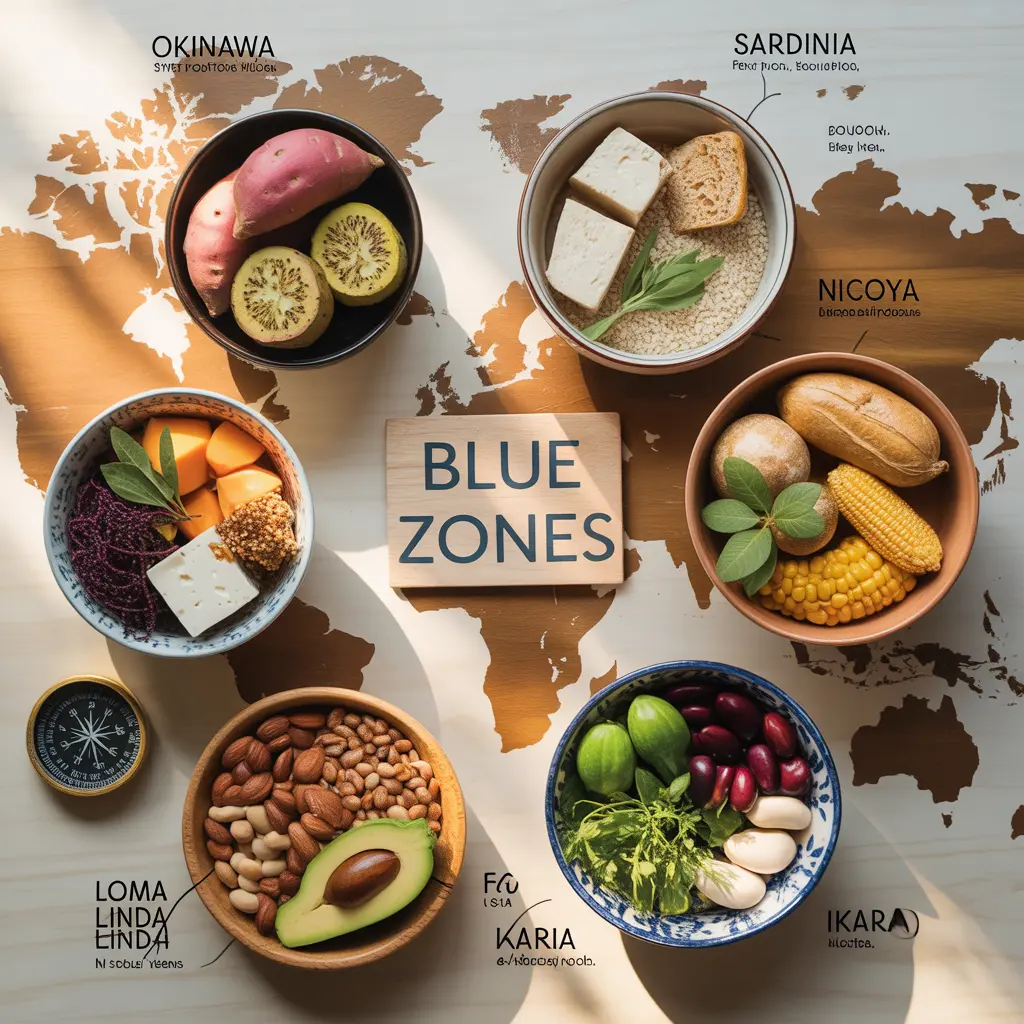
- Legumes every single day: Black beans in Nicoya, lentils in Sardinia and Ikaria, tofu in Okinawa, diverse legumes in Loma Linda. Every zone, every day, without exception.
- Minimal processed food: All Blue Zone diets consist of foods one to two steps from their whole state. No ultra-processed foods, no refined seed oils, no industrial food products as the dietary base.
- Abundant seasonal vegetables: Garden vegetables, wild greens, and seasonal produce dominate every plate. Okinawa’s primary staple is the purple sweet potato, not white rice. Sardinians eat garden vegetables at every meal.
- Nuts daily: Loma Linda Adventist data found 5+ nut servings per week associated with 2 years additional life expectancy. Nuts appear in every Blue Zone as a daily component.
- Whole grains over refined: Sardinian barley, Okinawan turmeric rice, Nicoyan corn. Whole grain consumption is universal. Refined grain products are absent from all centenarian diets.
The Longevity Science: Six Biological Mechanisms
How a Plant-Based Diet Extends Lifespan at the Cellular Level
Longevity research has moved into cellular and molecular biology, identifying the specific mechanisms through which Blue Zone dietary patterns extend both lifespan and healthspan.
The IGF-1 Story: Why Animal Protein Matters More Than Total Protein
One of the most significant mechanistic findings in longevity research is the specific relationship between animal protein intake and insulin-like growth factor 1 (IGF-1). IGF-1 promotes growth in younger organisms and has essential functions during development, but chronically elevated IGF-1 in adults is now strongly associated with increased cancer risk, accelerated cellular ageing, and reduced lifespan across multiple animal models and human cohort studies.
A pivotal study published in Cell Metabolism in 2014, covering 6,381 adults, found that people aged 50 to 65 with high protein intake (above 20% of calories) had a fourfold higher cancer mortality rate than those with low protein intake: but only when that protein came from animal sources. High plant protein intake was not associated with increased cancer mortality and was actually associated with reduced mortality in older adults (over 65) where adequate protein becomes protective against frailty. The researchers attributed this difference primarily to the differential IGF-1 response to animal versus plant protein.
Blue Zone populations eating predominantly plant protein show significantly lower circulating IGF-1 than age-matched Western populations. Loma Linda vegans specifically show the lowest IGF-1 levels of any dietary group in the Adventist Health Studies, aligning precisely with the lowest cancer rates in the cohort.
The Blue Zone Food Hierarchy
Food Spotlights: The Five Most Powerful Longevity Foods
1. Legumes: The Universal Longevity Food
A landmark multi-cohort analysis found legume intake the single strongest dietary predictor of survival: each 20g additional daily serving was associated with 7 to 8% lower all-cause mortality across Japanese, Swedish, Greek, and Australian populations studied independently. The mechanism is multifactorial: resistant starch feeding Akkermansia muciniphila for butyrate production, soluble fibre lowering LDL through bile acid sequestration, plant protein with minimal IGF-1 elevation, and polyphenols providing antioxidant protection. No other single food group simultaneously addresses as many longevity-relevant pathways.
2. Okinawan Purple Sweet Potato (and Sweet Potato Generally)
The traditional Okinawan diet before the Western food influence of the mid-20th century was built primarily on the purple sweet potato (beni imo), which provided 60 to 70% of daily calories in some analyses. This extraordinary monoculture of a single food source would be expected to produce nutritional deficiencies, yet traditional Okinawans exhibited exceptional health markers across every system. The explanation lies in the unusual nutritional density of the purple sweet potato: rich in anthocyanins (the same anti-inflammatory compounds in blueberries), high in potassium and vitamin C, and providing slow-release carbohydrate that avoids the postprandial glucose spikes associated with refined starch consumption.
The Okinawan longevity advantage has declined in younger generations who adopted Western food patterns. Okinawans who migrated to Brazil developed mortality rates comparable to the local Brazilian population within two generations, demonstrating the longevity was dietary rather than genetic.
3. Wild Greens and Bitter Herbs (Ikaria’s Secret Weapon)
Ikaria, where one-third of the population reaches their 90s, has one of the most plant-diverse diets of any Blue Zone. Ikarians consume over 150 wild plant species seasonally: plants with polyphenol concentrations 10 to 20 times higher than cultivated equivalents because they grow without irrigation or treatment. The herbal teas consumed daily (sage, rosemary, marjoram, wild mint) exhibit diuretic effects, ACE-inhibitory compounds that reduce cardiovascular risk, and anti-inflammatory polyphenols that slow the inflammaging process central to age-related disease. ACE inhibitory activity has been identified in over 80% of regularly consumed Ikarian herbs, explaining the exceptionally low hypertension rate in this centenarian population.
4. Nuts: The Two-Year Life Extension Food
The Adventist Health Study produced one of the most cited nutrition findings of the 1990s: Loma Linda Adventists who ate nuts 5 or more times per week lived approximately 2 years longer than those who rarely ate nuts, after controlling for all other lifestyle variables. This finding has since been replicated in multiple large cohort studies including PREDIMED, the Nurses’ Health Study, and the Health Professionals Follow-Up Study. The consistency across diverse populations makes nut consumption one of the most evidence-supported dietary longevity interventions available.
The mechanism includes LDL reduction from plant sterols, cardiovascular benefit from walnut ALA omega-3, anti-inflammatory polyphenols, and ellagitannin conversion to urolithin A (which promotes mitophagy and muscle preservation) by Gordonibacter gut bacteria.
5. Whole Grains and the Sardinian Barley Tradition
Sardinian mountain shepherds eat sourdough barley flatbread daily. Barley’s beta-glucan content (3 to 7g per 100g dry weight) is the highest of any grain and produces the strongest LDL-lowering effect of any food with an FDA health claim. Arabinoxylan fibre in barley specifically feeds Bifidobacterium longevity-associated species. The sourdough fermentation used by Sardinian women significantly reduces the glycaemic index, producing slow glucose release and stable postprandial insulin across the day.
The Vegan Advantage Over Blue Zone Diets
7-Day Blue Zones-Inspired Vegan Meal Plan
This plan draws one primary inspiration from each Blue Zone to create a week of genuinely varied, longevity-optimised plant-based eating. Each day is designed around the dietary principle that produced the longest-lived people in that specific zone.
Day 1: Okinawa (Hara Hachi Bu + Sweet Potato Base)
Breakfast: Purple or orange sweet potato mash with miso, spring onion, and sesame seeds. Matcha green tea alongside for EGCG polyphenols.
Lunch: Tofu and seaweed miso soup, edamame, brown rice with turmeric, pickled ginger.
Dinner: Stir-fried bitter melon (or courgette) with tofu, garlic, and sesame oil. Brown rice. Eat to 80% fullness: stop before satisfied.
Day 2: Sardinia (Barley, Legumes, and Garden Vegetables)
Breakfast: Barley porridge with almond milk, walnuts, and a drizzle of Medjool date syrup.
Lunch: Minestrone with white beans, barley, seasonal vegetables, and a generous glug of extra virgin olive oil. Sourdough whole grain bread.
Dinner: Lentil and vegetable stew with rosemary, garlic, and tomatoes. Side of raw fennel and rocket with olive oil and lemon.
Day 3: Nicoya (Black Beans, Corn, and Tropical Vitality)
Breakfast: Corn tortillas with black bean paste, sliced avocado, and fresh lime. Papaya and mango alongside.
Lunch: Gallo pinto (black beans and rice cooked together with onion, pepper, and coriander). Plantain, sliced tomato.
Dinner: Black bean soup with squash, cumin, and chilli. Whole corn tortilla. Fresh fruit for dessert.
Day 4: Ikaria (Wild Greens, Herbs, and Legumes)
Breakfast: Herbal tea (rosemary or sage). Whole grain bread with olive oil and tomato. Walnuts alongside.
Lunch: Large wild greens salad (arugula, dandelion if available, spinach, purslane) dressed with lemon and olive oil. Chickpea soup alongside.
Dinner: Lentils cooked with wild herbs, olive oil, and lemon. Roasted seasonal vegetables. A small glass of red wine if appropriate.
Day 5: Loma Linda (Adventist Vegan Blueprint)
Breakfast: Oat porridge with walnuts, ground flaxseeds, hemp seeds, and berries. Water as the primary breakfast drink.
Lunch: Large salad with leafy greens, chickpeas, avocado, sunflower seeds, and tahini dressing. Whole grain bread.
Dinner: Lentil loaf with roasted sweet potato and steamed broccoli. No meat, no dairy, no alcohol. The Adventist pattern taken to its fullest expression.
Days 6 and 7: Blue Zone Synthesis (Combining the Best of All Five)
Day 6: Tofu scramble with turmeric and vegetables (Okinawa protein principle). Mediterranean chickpea stew at lunch (Sardinia and Ikaria). Black bean and sweet potato bowl at dinner (Nicoya meets Okinawa).
Day 7: Overnight oats with walnuts and fruit (Loma Linda). Barley and lentil soup (Sardinia). A dinner plate built as Dan Buettner’s ideal Blue Zone template: half vegetables, quarter whole grain, quarter legumes, olive oil, fresh herbs, and a handful of nuts alongside.
Reference Tables
Blue Zone Dietary Patterns: Cross-Zone Comparison
Longevity Foods: Evidence Quality and Mechanism Summary
Chef Tips: Cooking for Longevity
Tip 1: Daily Legumes Are Non-Negotiable
In Lebanese cooking, the daily presence of legumes at the table mirrors Blue Zone longevity eating precisely: ful medames for breakfast, lentil soup for lunch, hummus alongside dinner. This was not a health protocol: it was simply how traditional Levantine households ate. The eastern Mediterranean food tradition shares the same plant-forward, legume-centred architecture as Ikarian and Sardinian longevity eating. The practical lesson: 100 to 200g cooked legumes, every day, in whatever preparation suits the meal. This single consistent habit moves a diet from health-conscious to genuinely longevity-aligned.
Tip 2: Eat Wild and Diverse Greens, Not Just Spinach
The Ikarian longevity advantage from wild greens is a polyphenol diversity argument: 150 plant species produces phytochemical complexity that a narrow diet of cultivated spinach cannot replicate. Rotate through arugula, watercress, dandelion, purslane, radicchio, and fresh herbs as significant salad components rather than treating all greens as interchangeable. Each species provides a distinct polyphenol family, and the diversity of input produces microbiome species diversity: one of the strongest measurable predictors of healthy ageing.
Tip 3: Hara Hachi Bu is a Cooking Principle, Not Just a Portion Principle
The Okinawan principle of eating to 80% fullness is most commonly discussed as a behavioural eating strategy. But as a professional chef, I see it primarily as a cooking principle: dishes designed with high water content, high fibre, high vegetable volume, and moderate caloric density naturally produce 80% fullness because they fill gastric volume before caloric overconsumption occurs. The legume soups, vegetable-forward stews, and grain bowls that dominate Blue Zone cooking are not accidental. They are caloric restriction mimicry achieved through food design rather than deliberate restriction. Designing vegan meals around high-volume, high-fibre, water-rich whole foods: building soups and stews rather than energy-dense processed products: produces the same physiological outcome as Okinawan portion discipline without any deliberate counting or restraint.
Frequently Asked Questions About the Blue Zones Diet and Vegan Eating
Is the Blue Zones diet vegan?
Not strictly by definition, but functionally very close. Blue Zone populations eat 90 to 100% plant-based foods by caloric contribution. Meat appears in most zones fewer than 5 times per month and in portions averaging under 85g. The Loma Linda Adventist Blue Zone includes a significant vegan subpopulation that demonstrates the longest lifespan of any group studied. A vegan diet exceeds or matches the plant food intake of every Blue Zone dietary pattern while eliminating the animal product components entirely.
What is the single most important Blue Zone food?
Legumes. Every Blue Zone population consumes legumes daily. A landmark multi-cohort longevity analysis found legume intake was the single strongest dietary predictor of survival across Japanese, Greek, Swedish, and Australian populations studied independently. Each 20g additional daily legume serving was associated with 7 to 8% lower all-cause mortality. No other individual food demonstrates this degree of consistent cross-population evidence for longevity.
Does the Blue Zone diet help you live to 100?
The Blue Zones research identifies dietary patterns associated with exceptional longevity, but diet is one of several factors alongside social connection, physical activity, and purpose. The cumulative evidence shows Blue Zone dietary patterns predict significantly lower all-cause mortality, lower chronic disease rates, and better preserved functional capacity in later decades. The dietary contribution is real and operates through the six biological mechanisms described above.
Why do Okinawans live so long?
Traditional longevity reflects purple sweet potato as the primary caloric staple (anthocyanins, slow carbohydrate), daily tofu, hara hachi bu eating, and strong social bonds. Health decline in younger Okinawans who adopted Western food confirms the longevity was dietary rather than genetic.
What do Seventh-day Adventists in Loma Linda eat?
Loma Linda Adventists eat plant-based diets and abstain from alcohol and tobacco. The Adventist Health Study 2 found vegan Adventists had the lowest body weight, lowest chronic disease rates, and longest life expectancy of all dietary subgroups, providing the clearest Western-population evidence that a plant-based diet is associated with maximal longevity benefit.
What is the quickest way to start eating like a Blue Zone?
Three changes produce the highest impact: eat 100 to 200g cooked legumes every day without exception; eat a 30g handful of walnuts daily; replace refined grains with whole grain equivalents (barley, oats, brown rice). These three habits implement the most consistently documented longevity-associated dietary practices across all five Blue Zones.
Still spending hours figuring out what to eat?
What’s included in your download
- 40+ nutritionist-approved recipes
- Complete 28-day calendar
- Meets protein, iron & B12 needs
- Family & meal prep friendly
- Vibrant photo for every recipe
- Simple, common ingredients
Instant PDF download. No subscriptions. No waiting.