- A vegan diet for over 50 is one of the most powerful dietary choices for long-term health, but it requires specific nutritional adjustments that a standard vegan plan does not address.
- Protein needs increase significantly after 50 due to sarcopenia. Most people following a vegan diet for over 50 are not eating nearly enough protein to protect their muscle mass.
- Calcium, vitamin D, and B12 are the three most critical nutrients to monitor and supplement consistently on a vegan diet for over 50.
- Omega-3 DHA and EPA, zinc, and iodine are frequently low in plant-based diets after 50 and have serious long-term consequences for brain, thyroid, and immune health.
- Annual blood tests are non-negotiable for anyone following a plant-based diet after 50. No exceptions.
- How Your Body Changes After 50
- The 9 Essential Nutritional Changes
- Complete Nutrition Blueprint for Over 50
- Best Vegan Power Foods for Over 50
- Heart Health on a Plant-Based Diet After 50
- Hormones, Menopause and Phytoestrogens
- Exercise and Strength Training After 50
- Brain Health and Cognitive Protection
- Frequently Asked Questions
- Your Action Plan: Start Here Today
If you are navigating a vegan diet for over 50, you are already making one of the smartest long-term health decisions available. The research is consistent: plant-based eaters have lower rates of heart disease, type 2 diabetes, certain cancers, and cognitive decline. But a vegan diet for over 50 is not the same as a vegan diet at 30.
Your body’s nutritional needs shift in ways that demand deliberate, informed adjustment. What worked beautifully in your thirties may leave significant gaps after 50. This guide covers every important shift, why it happens, and exactly what to do, so your vegan diet for over 50 supports you at the highest possible level.
If you want the full science behind plant-based nutrition before diving in, our complete vegan nutrition guide covers every nutrient in depth.
How Your Body Changes After 50 and Why Your Diet Must Adapt
After 50, several biological shifts create new nutritional demands that a standard vegan plan simply does not address. Understanding these changes is the foundation of making a vegan diet for over 50 genuinely work for your body.
Sarcopenia accelerates. This is the progressive, age-related loss of muscle mass that affects everyone after 40 at roughly 1 to 2 percent per year. After 60, the rate can double. The primary dietary defence is adequate protein combined with regular resistance exercise.
Bone density declines. Oestrogen and testosterone, which protect bone metabolism, decline significantly after 50. This makes calcium, vitamin D, magnesium, and vitamin K2 more important than at any earlier life stage. Even a nutritionally complete vegan diet for over 50 may not deliver adequate amounts of these nutrients without targeted attention.
Stomach acid decreases. This directly impairs absorption of vitamin B12, calcium, iron, and zinc. Higher supplementation levels are needed after 50 specifically because of this reduced absorption efficiency, not just because of higher nutrient requirements.
Metabolism slows. Basal metabolic rate declines by roughly 10 percent per decade after 50. Every calorie on a vegan diet for over 50 needs to be nutritionally dense. There is simply no room for empty calories from processed vegan products when nutrient needs remain high and calorie needs drop.
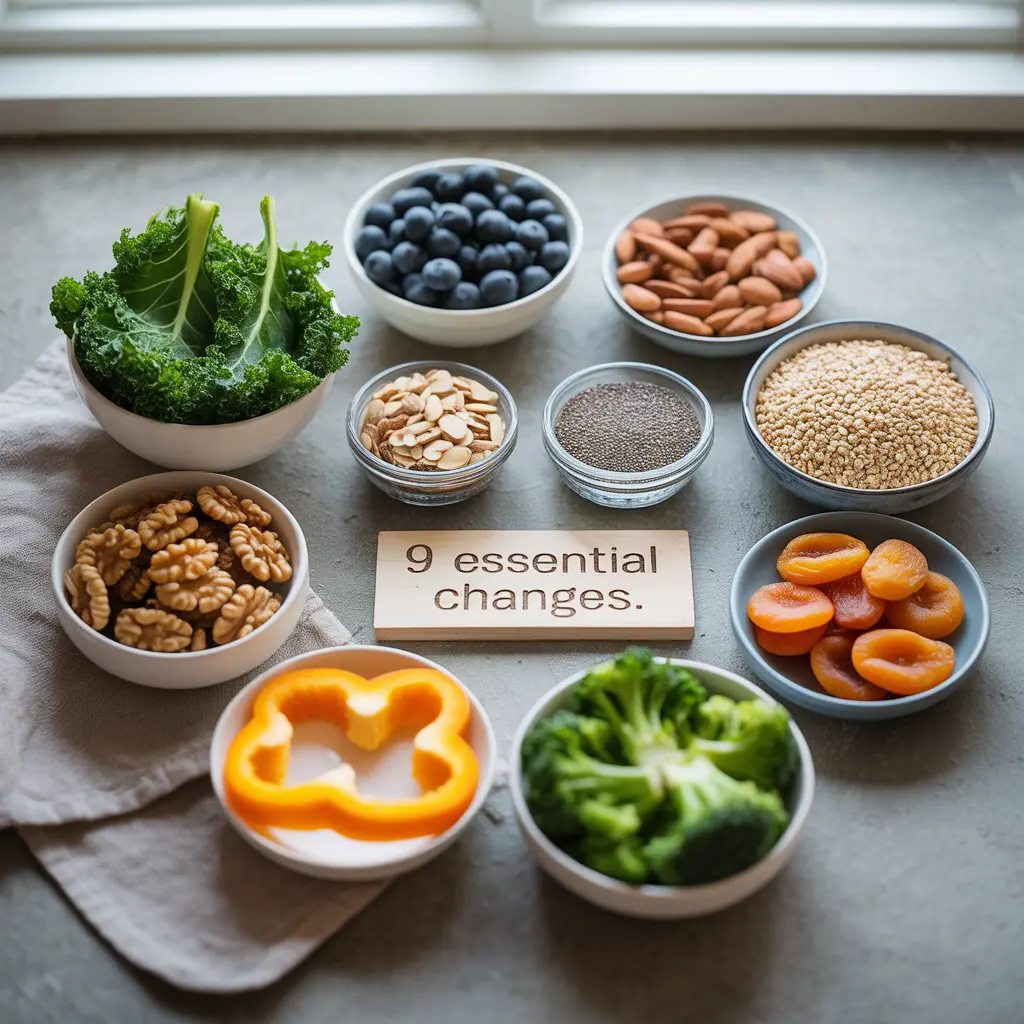
The 9 Essential Changes Your Vegan Diet for Over 50 Needs
1. Increase Protein to Protect Your Muscle Mass
Protein is the most urgent adjustment for anyone on a vegan diet for over 50. The standard adult RDA of 0.8g per kilogram of body weight per day is insufficient for preventing sarcopenia after 50. The optimal range for muscle preservation is 1.2 to 1.6g per kilogram per day.
For a 70kg person, that means 84 to 112g of protein daily. Most standard vegan meal plans fall well short of this target. High-protein vegan priorities: tofu, tempeh, seitan, edamame, lentils, chickpeas, and black beans at every meal, not just occasionally.
According to Healthline’s protein research, older adults require significantly more protein than the standard RDA to maintain muscle mass, with the most current evidence pointing toward 1.2 to 1.6g per kilogram as the optimal range for active adults over 50.
2. Prioritize Calcium for Bone Density
Calcium needs rise to 1,200mg per day for women over 50 and remain at 1,000mg for men. The most important calcium source on a vegan diet for over 50 is calcium-set tofu: 350mg per 100g, comparable to a glass of cow’s milk. Check the ingredients panel for calcium sulfate to confirm you are buying the right variety.
Spread calcium intake across two or three meals rather than in one large dose. Calcium is absorbed most efficiently in amounts under 500mg at one time.
3. Vitamin D: Non-Negotiable After 50
Skin efficiency at synthesising vitamin D from sunlight declines by up to 75 percent by age 70. Kidney conversion of vitamin D to its active hormonal form also decreases with age. The result is that sunlight exposure, even significant sunlight exposure, is increasingly unreliable as a vitamin D source after 50.
Supplement with vegan D3 from lichen (cholecalciferol) at 1,000 to 2,000 IU daily year-round. Not just in winter. Year-round. As confirmed by NHS guidance on vitamin D, supplementation is recommended for all adults, with higher doses appropriate for older individuals and those with limited sun exposure.
4. Vitamin B12: Your Most Critical Supplement
B12 is essential for every vegan at any age. After 50, reduced stomach acid means the body extracts less B12 from food and even from standard oral supplements. Higher supplementation compensates for this absorption gap.
Take 1,000mcg of methylcobalamin daily or 2,000mcg several times per week. Do not rely on fortified foods alone after 50. Supplement consistently and get blood levels tested annually. See our complete vegan supplement guide for exact dosing by age and deficiency status.
5. Omega-3 DHA and EPA for Brain and Heart
DHA and EPA are critical for brain function, cardiovascular health, joint inflammation, and mood. All of these become more important after 50. The body’s conversion of plant-based ALA to DHA and EPA, already inefficient in younger adults, decreases further with age.
Take an algae-based DHA and EPA supplement daily. Target 250 to 500mg combined DHA and EPA. Algae is the original source of omega-3s in the marine food chain. This is the most direct and reliable vegan route to these critical fats.
6. Iron: Understanding the Post-Menopause Shift
For women, menopause changes the iron equation. Before menopause: 18mg per day. After menopause: 8mg per day, the same as men. This does not mean iron stops mattering. On a vegan diet for over 50, non-heme plant iron remains less bioavailable than heme iron, making deficiency still possible.
Get ferritin levels tested annually. Pair all iron-rich foods with vitamin C. Avoid tea and coffee with meals. Never supplement iron without a confirmed blood test showing deficiency.
7. Zinc for Immune Function and Wound Healing
Zinc absorption efficiency decreases with age while immune function becomes more dependent on it. After 50, zinc supports wound healing, immune defence, hormone production, and the sense of taste and smell, all of which become more vulnerable to deficiency.
Eat pumpkin seeds, hemp seeds, cashews, oats, chickpeas, and tempeh daily. Soak and sprout legumes to reduce phytic acid and improve zinc absorption. Consider a low-dose zinc supplement if dietary intake is consistently below target.
8. Iodine for Thyroid Health
Thyroid function naturally slows with age. Iodine deficiency accelerates this decline. Many vegans over 50 who use sea salt or Himalayan pink salt instead of iodized table salt are unknowingly chronically low in iodine, producing symptoms of fatigue, weight gain, cold sensitivity, and brain fog that are often misread as normal ageing.
Use iodized salt consistently. Eat nori two to three times per week. Consider a low-dose iodine supplement if dietary sources are unreliable.
9. Recalibrate Calories as Your Metabolism Slows
A vegan diet for over 50 that felt perfectly calibrated at 40 may create a small daily calorie surplus after 50 due to metabolic slowing. The practical fix is not to eat less food but to reduce refined carbohydrates and processed vegan products while maintaining nutrient-dense whole foods at the same volume.
This preserves micronutrient intake while adjusting total energy downward. Eating less food is rarely the right answer. Eating smarter, denser food is.
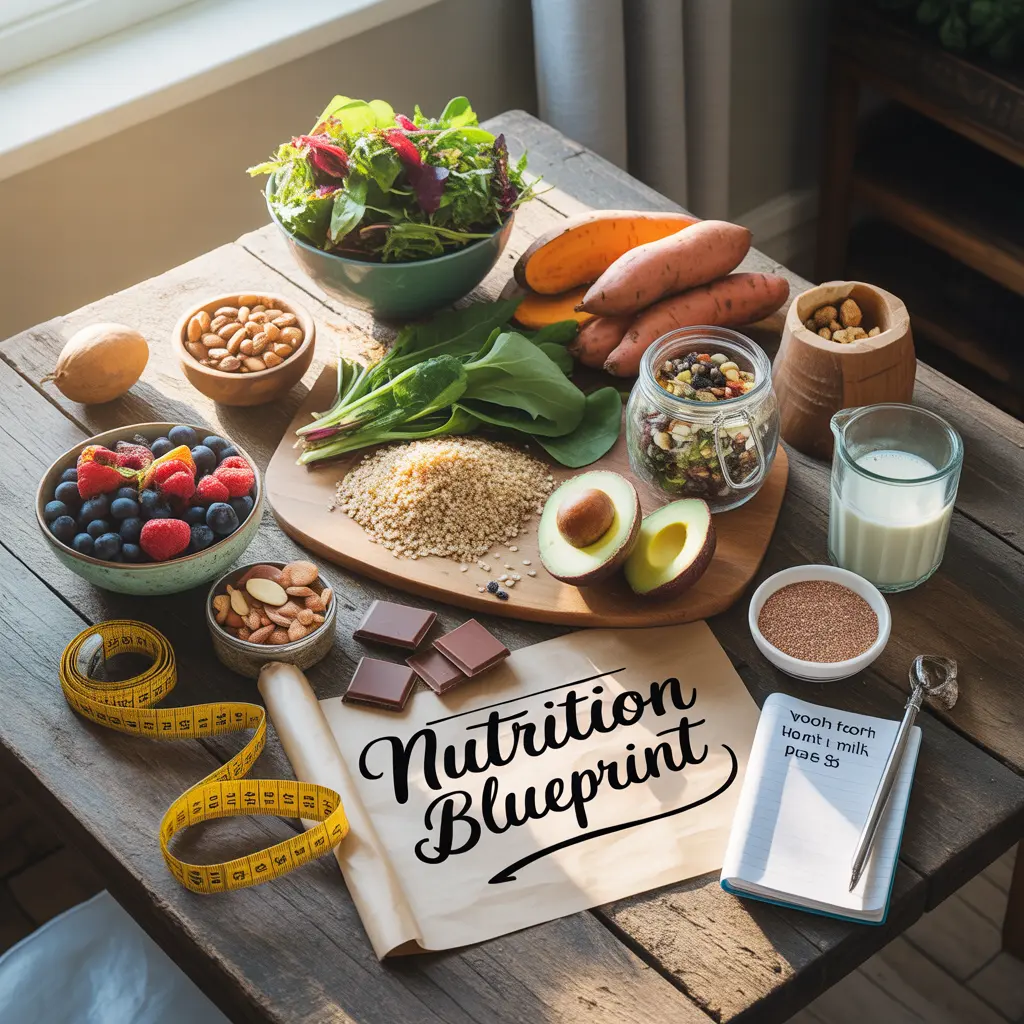
The table below gives you the complete nutritional blueprint for a vegan diet for over 50 in one place. Use it alongside your annual blood test results to identify exactly where you need to focus. Screenshot it and share it with your doctor or dietitian.
| Nutrient | RDA for Over 50 (M/F) | Why It Changes After 50 | Best Vegan Sources | Supplement Needed? | Deficiency Signs to Watch For |
|---|---|---|---|---|---|
| Protein | 1.2 to 1.6g per kg body weight (higher than standard RDA) | Sarcopenia accelerates. Muscle protein synthesis becomes less efficient. Higher intake is needed to achieve the same anabolic response. | Tofu, tempeh, seitan, edamame, lentils, chickpeas, black beans, vegan protein powder | Powder if whole food sources fall short of daily target | Muscle loss, weakness, slow recovery, poor wound healing, frequent illness |
| Calcium | 1,200mg/day (women 50+), 1,000mg/day (men 50+) | Oestrogen decline reduces calcium absorption. Bone resorption accelerates. Higher intake helps offset bone density loss. | Calcium-set tofu (350mg/100g), fortified plant milk, kale, bok choy, broccoli, almonds, white beans | Only if diet consistently falls short. Take under 500mg at one time for best absorption. | Bone fractures, dental problems, muscle cramps, numbness and tingling in extremities |
| Vitamin D | 800 to 2,000 IU daily (higher end after 60) | Skin efficiency at synthesising D from sunlight declines by up to 75 percent after 70. Kidney conversion to active form also decreases with age. | UV-exposed mushrooms, fortified plant milk. Sunlight increasingly unreliable after 50. | Yes, always. Vegan D3 (lichen-based cholecalciferol) 1,000 to 2,000 IU daily year-round. | Bone pain, muscle weakness, fatigue, low mood, frequent illness, slow wound healing |
| Vitamin B12 | 2.4mcg/day minimum, but higher supplementation needed after 50 | Stomach acid production declines with age, reducing B12 extraction from food and standard supplements. Higher-dose supplementation compensates. | Fortified plant milk, nutritional yeast, fortified cereals. Unreliable without supplementation. | Yes, always. 1,000mcg methylcobalamin daily or 2,000mcg several times per week. | Fatigue, brain fog, tingling in hands and feet, memory problems, mood changes, anaemia |
| Omega-3 DHA and EPA | 250 to 500mg DHA+EPA daily | ALA to DHA/EPA conversion decreases with age. Brain and cardiovascular needs increase. Inflammation management becomes more critical after 50. | Chia seeds and flaxseeds for ALA only. Algae-based DHA/EPA supplement is the only reliable source. | Yes, always. Algae-based DHA and EPA supplement daily with food. | Brain fog, poor memory, joint stiffness, dry skin, low mood, elevated triglycerides |
| Iron | 8mg/day (both men and post-menopausal women) | Women’s requirements drop after menopause (from 18mg to 8mg). But plant iron (non-heme) remains less bioavailable than animal iron. | Lentils, tofu, pumpkin seeds, fortified cereals, spinach, blackstrap molasses, chickpeas | Only if blood test confirms deficiency (ferritin below range). Do not supplement without testing. | Fatigue, pallor, shortness of breath, cold intolerance, poor concentration, brittle nails |
| Zinc | 11mg/day (men), 8mg/day (women) | Absorption efficiency decreases with age. Immune decline accelerates zinc depletion. Wound healing and taste/smell function depend on consistent zinc. | Pumpkin seeds, hemp seeds, cashews, chickpeas, oats, tofu, tempeh. Soak/sprout legumes to improve absorption. | Consider a low-dose zinc supplement (10 to 15mg) if dietary sources are inconsistent. | Frequent infections, slow healing, loss of taste and smell, skin problems, low testosterone |
| Iodine | 150mcg/day | Thyroid function naturally slows after 50. Many vegans unknowingly cut off dietary iodine by switching from iodized salt to sea salt or Himalayan pink salt. | Iodized table salt (daily), nori seaweed (2 to 3 times per week). Avoid relying on sea salt. | Consider a low-dose iodine supplement if using non-iodized salt consistently. | Fatigue, weight gain, cold sensitivity, dry skin, hair thinning, brain fog, low mood |
| Magnesium | 420mg/day (men), 320mg/day (women) | Involved in over 300 enzymatic reactions. Low magnesium impairs vitamin D activation, muscle function, and sleep quality, all of which decline after 50. | Dark leafy greens, pumpkin seeds, almonds, black beans, whole grains, dark chocolate (70%+) | Magnesium glycinate supplement (200 to 300mg) is often beneficial, especially for sleep quality. | Poor sleep, muscle cramps, constipation, anxiety, irregular heartbeat, high blood pressure |
| Vitamin K2 | 90 to 120mcg/day MK-7 form | K2 directs calcium into bones rather than arteries. Critically important when calcium intake is high. Almost absent in most vegan diets except natto (fermented soybeans). | Natto (extremely high), small amounts in fermented foods and leafy greens (as K1, which has limited conversion to K2). | Yes, MK-7 form supplement strongly recommended for anyone over 50 with high calcium intake. | Increased arterial calcification risk, reduced bone density despite adequate calcium intake |
| Selenium | 55mcg/day | Thyroid hormone conversion requires selenium. Antioxidant defence declines with age. Selenium supports both thyroid and immune function simultaneously. | 2 Brazil nuts per day provides full daily requirement. Sunflower seeds and whole grains contain smaller amounts. | Only if not eating Brazil nuts regularly. Do not exceed 400mcg daily as selenium is toxic at high doses. | Thyroid dysfunction, hair loss, fatigue, cognitive decline, weakened immunity |
| Choline | 550mg/day (men), 425mg/day (women) | Critical for brain health, memory, and liver function. Often overlooked in vegan nutrition discussions. Becomes more important as cognitive protection is prioritized after 50. | Tofu (107mg/100g), edamame (56mg/100g), broccoli, cauliflower, quinoa, peanuts | Consider a choline supplement if dietary intake is consistently low. | Memory problems, poor concentration, liver dysfunction, muscle damage |
For detailed guidance on which of these to test for and how to read your lab results, our complete vegan blood test guide walks you through every panel, every marker, and exactly what the numbers mean for your long-term health.
These are the daily food priorities that make a vegan diet for over 50 nutritionally complete without relying on a long list of supplements. Build your meals around the foods in Table 2 first, then fill specific gaps with targeted supplementation.
| Food | Key Nutrients for Over 50 | Specific Benefit After 50 | Target Servings Per Week | Easiest Way to Use It |
|---|---|---|---|---|
| Calcium-set tofu | Protein (8g/100g), Calcium (350mg/100g), Iron, Zinc | Bone density support plus muscle preservation combined in one food | 5 to 7 (daily) | Pan-fry and add to stir-fries, grain bowls, scrambles |
| Tempeh | Protein (19g/100g), Fiber (7g), Zinc, Magnesium, Isoflavones | Gut health, bone support via isoflavones, superior mineral bioavailability | 3 to 4 | Steam first, marinate, pan-fry. Use in grain bowls, tacos, sandwiches |
| Edamame | Complete protein (11g/100g), Calcium, Iron, Choline, Folate | High choline for brain protection, complete protein for muscle maintenance | 4 to 5 | Steamed as snack, tossed into salads and grain bowls |
| Lentils | Protein (9g/100g cooked), Iron, Folate, Fiber, Zinc | Iron and folate for cardiovascular protection, fiber for gut and cholesterol | 4 to 5 | Soups, dals, salads, Bolognese, stuffed peppers |
| Kale and dark leafy greens | Calcium, Vitamin K1, Iron, Magnesium, Antioxidants | Bone density, blood pressure, cancer protection, anti-inflammatory | Daily | Sauteed with garlic, added to soups, massaged in salads |
| Fortified plant milk | Calcium (120mg/100ml), Vitamin D, Vitamin B12, Iodine (some brands) | Three critical over-50 nutrients in one convenient daily food | Daily (300 to 400ml) | In oats, coffee, smoothies, sauces |
| Chia seeds and ground flaxseeds | ALA omega-3, Fiber, Calcium, Magnesium, Lignans | Hormone balance via lignans, cardiovascular ALA, gut health via fiber | Daily (1 to 2 tbsp) | Stirred into oats, smoothies, yoghurt, or baked into breads |
| Pumpkin seeds | Zinc (10mg/100g), Magnesium, Iron, Protein, Tryptophan | Zinc for immune function and wound healing. Magnesium for sleep and muscle health. | Daily (30g handful) | As a snack, on salads, stirred into oats or soups |
| Brazil nuts | Selenium (1,917mcg/100g, 2 nuts = full daily RDA) | Thyroid hormone conversion and antioxidant defence in two small nuts | Daily (2 nuts only, no more) | 2 nuts daily as part of breakfast or as a standalone snack |
| Nori (dried seaweed) | Iodine, Vitamin B12 analogues, Omega-3 (small amounts), Minerals | Thyroid support via iodine. One of very few plant sources of meaningful iodine. | 2 to 3 | As wraps, crumbled into salads, or eaten as a snack |
| Oats | Beta-glucan fiber, Zinc, Magnesium, B vitamins, Slow-release carbohydrates | Beta-glucan lowers LDL cholesterol. Steady blood sugar supports energy levels after 50. | Daily | Overnight oats, porridge, added to smoothies or baked goods |
| Walnuts | ALA omega-3, Polyphenols, Vitamin E, Manganese | Brain health via ALA and polyphenols. Anti-inflammatory. Cardiovascular protective. | Daily (30g portion) | As a snack, on oats or salads, or blended into sauces |
Building your vegan diet for over 50 around these foods consistently, rather than relying heavily on supplements, is the foundation of a successful long-term plant-based approach after 50. For a complete list of all vegan protein sources with full nutrition data, our vegan protein sources guide covers every option available.
According to findings from the EPIC-Oxford study, vegan diets are consistently associated with lower rates of heart disease, type 2 diabetes, hypertension, and obesity, all of which become increasingly prevalent after 50, making a well-structured vegan diet for over 50 one of the most evidence-backed preventive health choices available.
Heart Health on a Plant-Based Diet After 50
One of the greatest long-term benefits of a vegan diet for over 50 is cardiovascular protection. Plant-based diets are consistently associated with lower LDL cholesterol, lower blood pressure, less arterial inflammation, and reduced risk of atherosclerosis, all of which become increasingly critical after 50.
A vegan diet for over 50 that prioritizes whole plant foods naturally provides the fiber, antioxidants, and phytonutrients that protect the cardiovascular system most effectively. Beta-glucan fiber in oats directly lowers LDL cholesterol. Potassium in legumes and leafy greens reduces blood pressure. Polyphenols in berries and walnuts reduce arterial inflammation.
The risk area: sodium. Processed vegan foods, including vegan cheese, vegan meats, canned soups, and commercial sauces, can be very high in sodium. High sodium intake raises blood pressure and negates many of the cardiovascular benefits of a plant-based diet. Cook from whole ingredients as much as possible and use herbs and spices rather than salt-heavy sauces for flavoring.
Hormones, Menopause, and Phytoestrogens
For women, a vegan diet for over 50 offers specific hormonal advantages that are worth understanding. Soy foods including tofu, tempeh, and edamame contain isoflavones, plant compounds that bind weakly to oestrogen receptors. In the context of menopause, when natural oestrogen declines sharply, these phytoestrogens may provide a partial compensatory effect.
Research on soy and a vegan diet for over 50 shows that regular soy consumption is associated with modest reductions in hot flash frequency in some populations, improved bone density markers in post-menopausal women, and reduced LDL cholesterol. Effects are modest and individual responses vary, but the risk profile is extremely low and the potential benefits are real.
The concern that soy increases breast cancer risk is not supported by current evidence. Multiple large meta-analyses show that moderate, regular soy food consumption is either neutral or mildly protective against breast cancer recurrence in survivors. This applies to whole soy foods, not isolated soy protein supplements in very high doses.
Exercise, Strength Training, and Protein Timing After 50
No vegan diet for over 50 delivers its full protective benefits without resistance training. Dietary protein provides the raw material for muscle protein synthesis, but the anabolic signal that tells your body to actually build and maintain muscle comes primarily from mechanical loading through resistance exercise.
Two to three sessions of resistance training per week, combined with a vegan diet for over 50 that hits 1.2 to 1.6g of protein per kilogram of body weight, is the most evidence-backed approach to preventing sarcopenia and maintaining functional independence into later decades.
Protein timing matters more after 50 than it does for younger adults. Research on older adults consistently shows that spreading protein intake evenly across three meals (rather than having most protein at dinner) produces better muscle protein synthesis outcomes. Aim for 25 to 40g of protein per meal across all three main meals of the day.
Resistance training also directly improves bone density, insulin sensitivity, balance, and cognitive function, making it one of the most comprehensive health interventions available to anyone over 50 regardless of diet.
Brain Health and Cognitive Protection After 50
Brain health is one of the most compelling arguments for a vegan diet for over 50. Plant-based diets rich in polyphenols, fiber, and anti-inflammatory foods are consistently associated with reduced risk of cognitive decline and dementia in long-term observational studies.
The cognitive benefits of a vegan diet for over 50 are maximized when the diet includes daily omega-3 supplementation (DHA is structurally critical for brain cell membranes), adequate choline from tofu and edamame, consistent B12 levels (B12 deficiency directly causes neurological damage), and a rich variety of antioxidant-dense foods including berries, walnuts, dark leafy greens, and dark chocolate.
Chronic inflammation is one of the primary drivers of cognitive decline with age. The combination of high-fiber plant foods, regular omega-3 intake, and the absence of inflammatory saturated fats from animal products gives a well-planned vegan diet a genuine structural advantage for long-term brain health.
Frequently Asked Questions About Vegan Diet for Over 50
Is a vegan diet for over 50 safe for long-term health?
Yes. A well-planned vegan diet for over 50 is not only safe but is associated with lower rates of heart disease, type 2 diabetes, hypertension, and certain cancers compared to omnivorous diets. The key word is well-planned. Protein, B12, vitamin D, calcium, omega-3, zinc, and iodine all require deliberate attention after 50. Annual blood tests confirm everything is working correctly. See our vegan blood test guide for exactly what to test.
What are the most important supplements on a vegan diet after 50?
The most important supplements on a vegan diet for over 50 are, in order: vitamin B12 (1,000mcg methylcobalamin daily), vegan D3 from lichen (1,000 to 2,000 IU daily), algae-based DHA and EPA omega-3 (250 to 500mg daily), and vitamin K2 MK-7 (90 to 120mcg daily, especially if calcium intake is high). Add a magnesium glycinate supplement if sleep quality or muscle cramping is an issue. See our full vegan supplement guide for complete dosing details.
Can a vegan diet for over 50 help with menopause symptoms?
Possibly, yes. The isoflavones in soy foods like tofu, tempeh, and edamame have mild phytoestrogenic properties that research associates with modest reductions in hot flash frequency and improved bone density markers in post-menopausal women. Effects vary between individuals. The broader benefits of a plant-based diet, including reduced inflammation, lower cardiovascular risk, and better weight management, are consistent and well-established regardless of menopausal symptom effects.
How much protein do I actually need on a vegan diet after 50?
More than you probably think. For muscle preservation on a vegan diet for over 50 rich in whole plant proteins, the optimal range is 1.2 to 1.6g per kilogram of body weight per day. For a 65kg person, that means 78 to 104g of protein daily, significantly higher than the standard 0.8g RDA. Spread this across three meals evenly, with 25 to 40g of protein per meal, for best muscle protein synthesis results.
Is it too late to start a vegan diet after 50?
Absolutely not. Following a vegan diet for over 50 with proper planning produces measurable health improvements regardless of when you start. Studies on dietary intervention in older adults consistently show that switching to a whole-food plant-based diet improves cholesterol, blood pressure, blood sugar, and inflammatory markers within weeks to months. The protective benefits for heart disease, diabetes, and cognitive health accumulate over time. Starting at 55 or 65 is still enormously valuable.
Your Action Plan: Start Here Today
A vegan diet for over 50 is not complicated once you know what specifically needs to change. Here is your clear, prioritized starting point:
- Start B12 today. 1,000mcg methylcobalamin daily. Non-negotiable.
- Add vegan D3. 1,000 to 2,000 IU daily. Year-round.
- Add algae omega-3. 250 to 500mg DHA and EPA daily.
- Hit your protein target. Calculate 1.2 to 1.6g per kilogram of your body weight. Add tofu, tempeh, lentils, or edamame to every single meal.
- Eat calcium-set tofu daily. Check the label for calcium sulfate. Aim for 150g or more per day.
- Add resistance training. Two to three sessions per week. This is dietary protein’s essential partner.
- Book an annual blood panel. Iron, ferritin, B12, vitamin D, thyroid (TSH, T3, T4), zinc, and calcium as a minimum.
The vegan diet for over 50 is among the most evidence-backed approaches to long-term health available. The research is not ambiguous on this. The people who thrive on it are not doing anything extraordinary. They are simply consistent, informed, and intentional about the specific adjustments that an ageing plant-based body requires.
🛑 Tired of the “What do I eat?” stress?
Download the 28-Day Success System and get 100+ recipes, shopping lists.