

Travel note: Restaurant offerings and ingredient availability vary by region, season, and individual establishment. Always verify ingredients directly with local staff. This guide reflects common culinary traditions, not guarantees.
Vegan Travel Tips International: Eat Well in 50 Countries
Vegan travel tips international that actually work in the real world. This guide covers 50 countries organised by ease tier with specific dishes to order in each, translation cards in 12 languages so you can communicate your needs anywhere, airport survival scripts for the hardest vegan moment of any trip, and the 5 apps that find vegan food anywhere on earth. You will eat well, not just survive.
The fear behind every search for vegan travel tips international is the same: “I’ll be hungry and stuck in a foreign country with nothing to eat.” That fear is real, but it is also outdated. Veganism is easier to navigate internationally than most people expect. The reason is simple: most of the world’s traditional cuisines, the ones that predate industrialised meat production, are naturally plant-forward. Lentils in India, chickpeas in Lebanon, beans in Mexico, rice and vegetables across Asia. The challenge is not finding vegan food. It is knowing which countries, which dishes, and which phrases unlock it.
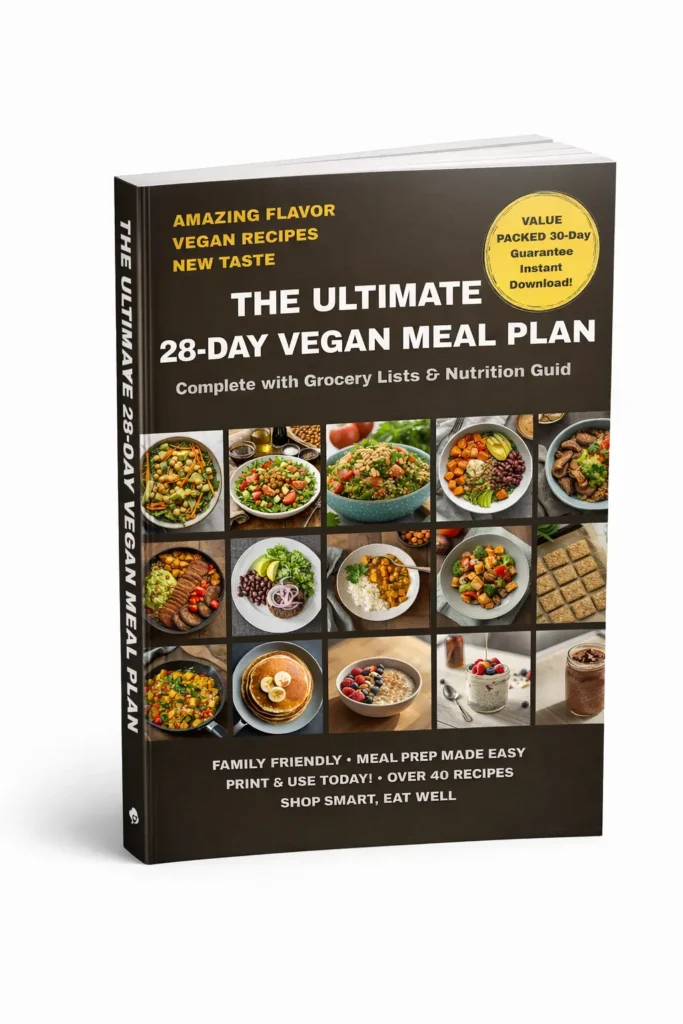
This guide gives you the exact knowledge to eat well in 50 countries. The Ultimate 28-Day Vegan Meal Plan + Grocery List (Complete Solution) is your home base: simple recipes with common supermarket ingredients so you return from your trip to a kitchen that is already set up for success.
The 3 Rules of Vegan International Travel
Before you book a flight, internalize these three rules. They are the difference between a stressful trip and a smooth one.
The 50-Country Cuisine Guide: Best and Worst for Vegans
This is organised by ease tier. Tier 1 countries have naturally plant-forward cuisines where you can eat well with minimal effort. Tier 2 requires some ordering knowledge. Tier 3 requires preparation. Every country listed includes specific dishes to order.
The vegan options at restaurants guide covers the detailed ordering scripts for many of these cuisines. For Middle Eastern travel specifically, the region I know best, the plant-forward default makes it one of the easiest places on earth to eat vegan.
Translation Cards: What to Say in 12 Languages
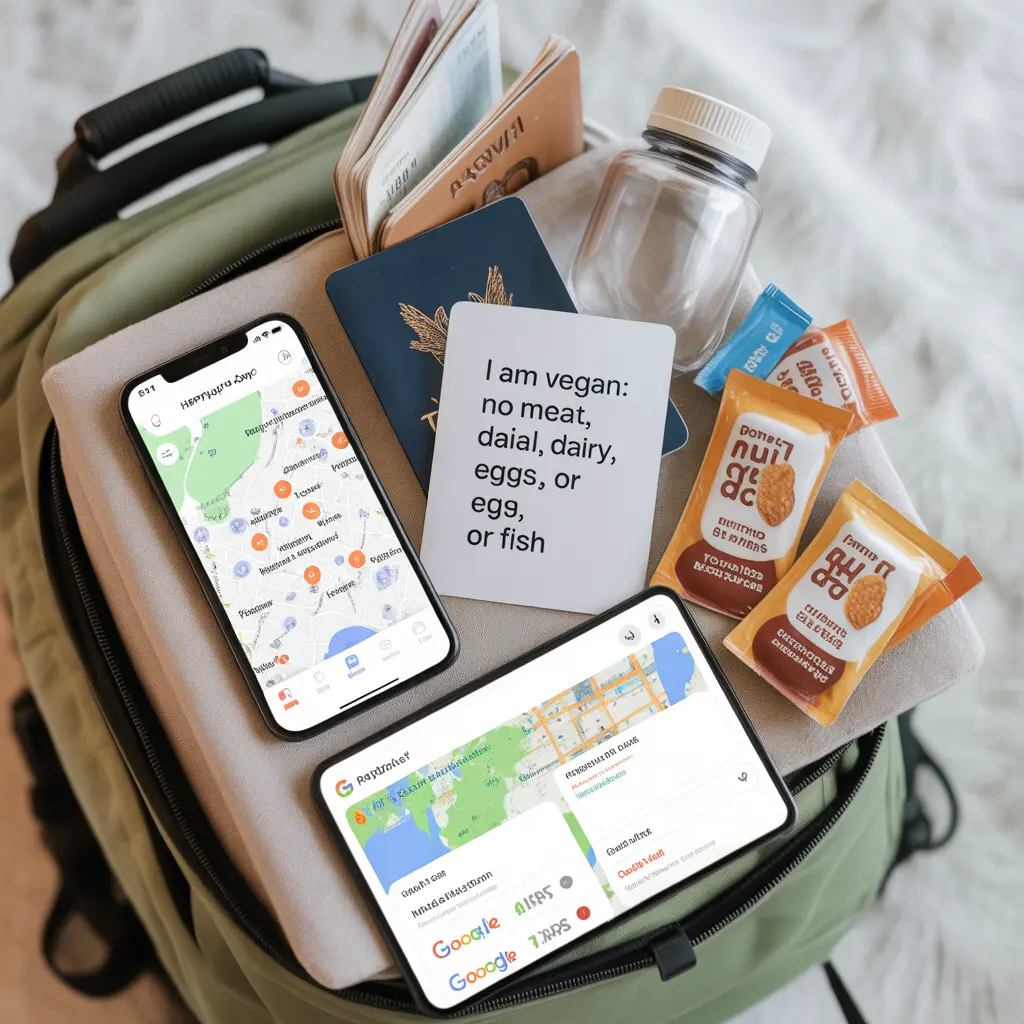
These are the exact phrases to show on your phone or print on a card. Each one says: “I do not eat meat, fish, dairy, or eggs. Is this dish vegan?” Phonetic pronunciation included where helpful.
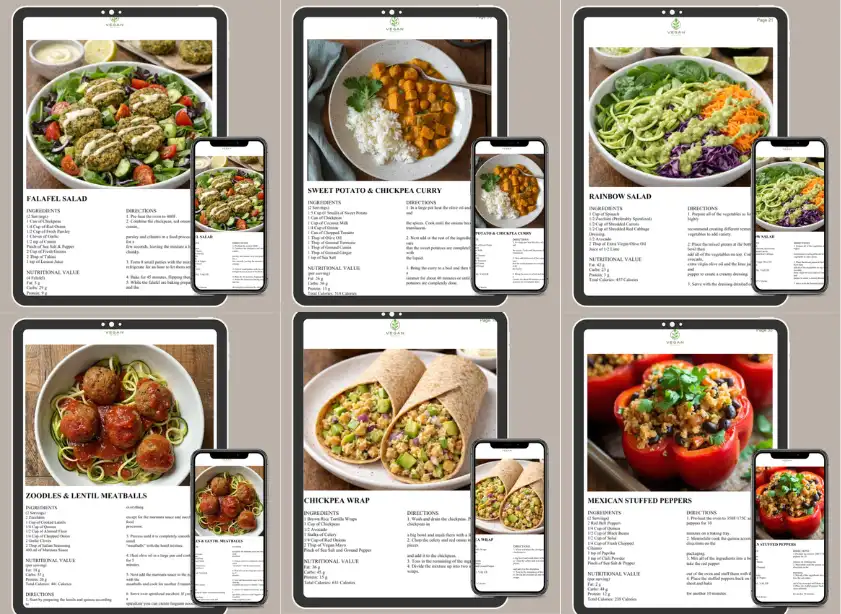
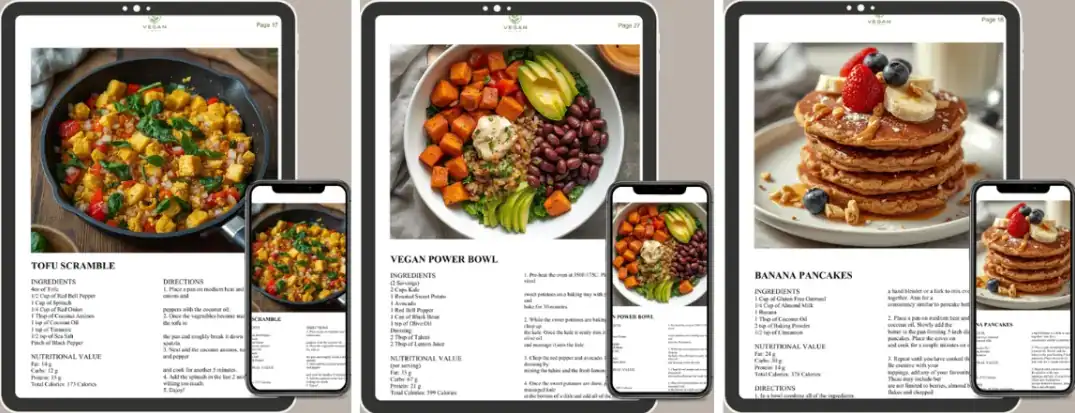
Psst.. Start your transformation now. Everything is done for you, 36 chef vegan recipes, 4 weekly grocery lists, and a full 28-day Meal Plan. Zero thinking, every meal decided. Balanced macros daily, one Sunday prep feeds your whole week. No subscription.
Get the Plan →Airport Survival Guide: The Hardest Vegan Moment of Any Trip
Airports are the worst place to be a hungry vegan. Limited options, high prices, and the stress of making a flight. Here is the survival protocol.
The 3 questions to ask at any airport food counter: “Do you have any plant-based options?” (Many airports now label these). “Is the bread/dressing vegan?” (Common trap). “Can I see the allergen menu?” (Legally required in many countries, clearly shows dairy and egg).
The vegan fast food guide covers airport chain options in more detail. For long layovers, use HappyCow to see if there is a dedicated vegan spot in the terminal or nearby—some airports now have excellent options (Amsterdam Schiphol, Singapore Changi, London Heathrow T5).
The 5 Apps Every Vegan Traveller Needs
These apps transform international vegan travel from stressful to straightforward. Download them before you leave.
The vegan travel tips international resource page keeps an updated list of apps as new ones launch.
Hotel, Hostel, and Airbnb Food Strategy
Where you sleep determines how you eat. Here is how to set yourself up for success before you even arrive.
Hotels
When booking, filter for “kitchenette” or “rooms with kitchen access.” If that is not possible, contact the hotel 48 hours before arrival: “I have a reservation under [name]. I wanted to note that I avoid all animal products, including dairy, eggs, and fish. Could you confirm if the breakfast buffet has any plant-based options, or if the kitchen can prepare something simple like oatmeal with water or plant milk?” Most hotels will accommodate a request made in advance.
Hostels
Hostels with kitchens are the best option for vegan travellers on a budget. The supermarket strategy: in any country, you can find bread, hummus or bean dip, avocados, tomatoes, cucumbers, and fruit. That is a solid meal anywhere on earth. In Asia, look for tofu, rice, and vegetables. In the Middle East, hummus and flatbread are everywhere. In Europe, supermarkets have plant milk sections in most major cities.
Airbnb and Vacation Rentals
This is the gold standard for vegan travel. You control the kitchen. One supermarket trip in a new country: oats or local grain, plant milk (check the ambient aisle if refrigerated section is unfamiliar), legumes (canned chickpeas or lentils are universal), local vegetables, bread, hummus or nut butter, and fruit. That is breakfast, lunch, and dinner for days. The vegan pantry staples list translates well to international supermarkets.
Cruise, Train, and Long-Haul Flight Food
Different modes of transport require different strategies. Here is the breakdown.
Long-Haul Flights
All major airlines offer a vegan meal code: VGML (Vegetarian Vegan Meal). You must request this at least 48 hours before departure, ideally when booking. Do not assume it will be available if you request at check-in. The VGML meal is often better than the standard economy meal, because it is prepared separately and with fresher ingredients. Also pack snacks: dates, nuts, oat sachets (ask flight attendant for hot water), and protein bars.
Cruises
Request vegan meals when booking, not at embarkation. Cruise lines with strong vegan programs: Virgin Voyages (entirely vegan restaurant on board), Holland America (extensive plant-based menu), and Royal Caribbean (vegan options in main dining room). Communicate your needs to the maître d’ on the first day. They will often prepare special meals for you each night if you ask.
Trains
Do not rely on dining cars outside Western Europe. Pack your own food for any train journey longer than three hours. In Europe, train station supermarkets are your friend. In India, train catering includes vegan options if you specify “pure vegetarian, no ghee, no dairy.” In most of the world, your own snacks are the safest bet.
Tired of overthinking your meals?
What’s included in your download
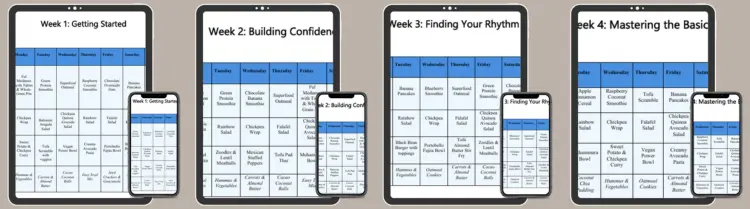
- 28-Day Meal Plan
- 4 Weekly Grocery Lists
- Balanced Nutrtion, protein, iron, B12
- Under $1 Per Serving
- 90-Min Sunday Prep
- Vegan Swaps Guide
- Nutrition Toolkit
- Beginner Action Plan
- Dining Out Guide
- 36 Chef Recipes
Instant PDF download. No subscriptions.
Frequently Asked Questions About Vegan Travel Tips International
Which countries are easiest for vegan travel?
Tier 1 countries from Section 2: India, Ethiopia, Lebanon, Israel, Mexico, Thailand, Taiwan, Vietnam, Turkey, and Sri Lanka. These cuisines are naturally plant-forward. You can eat well with minimal effort. The vegan travel tips international in this guide cover specific dishes for each.
How do I find vegan food abroad?
Four methods: use HappyCow (listings in 200+ countries), search Google Maps for “vegan” or “vegetarian” in the local language, look for Buddhist vegetarian restaurants in Asia, and learn the word for “vegan” or “plant-based” in the local language. The translation cards in Section 3 give you the exact phrases.
What should I pack as a vegan traveller?
Snacks: dates, almonds, protein bars, oat sachets, crackers. Tools: translation cards (screenshotted), HappyCow app (offline maps), portable cutlery, and a reusable container for leftovers or packed meals. The vegan pantry staples list includes shelf-stable travel items.
How do I ask for vegan food in another language?
Use the translation cards in Section 3. The phrase in any language is: “I do not eat meat, fish, dairy, or eggs. Is this dish vegan?” Screenshot the card for your destination and show it to the server. This removes the language barrier completely.
Is it hard to be vegan in Europe?
It depends on the country. Italy, Spain, and Greece are Tier 2: manageable with ordering knowledge. France and Germany are Tier 3: requires preparation. The UK, Germany (Berlin especially), and Nordic countries are very vegan-friendly. Eastern Europe is improving but still limited outside major cities. Research the specific country before you go.
What vegan food can I eat at airports?
Reliable chains: Pret a Manger, Itsu, Starbucks (oat milk, bagels), Cibo, and supermarket counters inside terminals. Ask: “Do you have plant-based options?” and “Can I see the allergen menu?” Pack snacks as backup. Section 4 covers the full airport survival strategy.
Which airlines offer vegan meals?
All major airlines offer a VGML (Vegetarian Vegan Meal) code. Request it at least 48 hours before departure, ideally when booking. Emirates, Singapore Airlines, British Airways, Delta, United, and Qantas all have solid vegan options. Budget airlines within Europe and Asia often do not provide meals at all. Pack snacks regardless.
What apps help vegans find food internationally?
HappyCow (restaurant finder), Google Translate (menu scanning), VeganXpress (chain restaurant options), Maps.me (offline maps with vegan tags), and PlantJammer (recipe ideas if you have a kitchen). Section 5 covers each in detail. The vegan options at restaurants guide also includes app strategies.
How do I stay vegan on a cruise?
Request vegan meals when booking, not at embarkation. Virgin Voyages has an entirely vegan restaurant. Holland America and Royal Caribbean have extensive plant-based menus. On the first day, speak to the maître d’. They can often prepare special meals for you each night. Communicate clearly and early.
Is vegan travel more expensive?
Not necessarily. In Tier 1 countries, the naturally plant-based dishes are often the cheapest items on the menu (dal in India, falafel in Lebanon, bean tacos in Mexico). In Tier 3 countries, you may rely more on supermarkets and self-catering, which is cheaper than eating out. Dedicated vegan restaurants in major cities can be pricey, but they are not your only option.
What are the hardest countries for vegan travel?
France (butter in everything), Argentina (meat-centric culture), Mongolia (limited vegetables), Iceland (expensive and limited), and parts of Eastern Europe (Poland, Hungary, Czech Republic outside major cities). These are navigable with preparation, but you will rely more on supermarkets and self-catering. The vegan social situations guide covers navigating group meals in challenging countries.
What is the easiest way to stay consistently vegan while traveling?
The simplest approach is preparation combined with reliable home habits. Before you travel: research the cuisine, download HappyCow, screenshot translation cards, and pack snacks. While traveling: use the apps and phrases in this guide. When you return: the Ultimate 28-Day Vegan Meal Plan + Grocery List (Complete Solution) gives you easy weekly grocery lists, 4 weeks covered and nutritionist-approved recipes. You come home to a kitchen that is already set up for success, and travel becomes an adventure, not a source of anxiety.
You now have a complete system for vegan travel tips international that works in 50 countries. The 3 rules that eliminate anxiety before you even leave: research the cuisine, learn five words, and always have a backup. A tiered guide to the best and hardest countries for vegan travel, with specific dishes to order in each. Translation cards in 12 languages so you can communicate your needs anywhere on earth. An airport survival protocol for the hardest vegan moment of any trip. The 5 apps that find vegan food in 200+ countries. Strategies for hotels, hostels, Airbnbs, cruises, and long-haul flights. And an inside perspective from a chef who has cooked and eaten across the MENA region and beyond. The world is more vegan-friendly than most people realize. The Ultimate 28-Day Vegan Meal Plan + Grocery List (Complete Solution) gives you the home foundation: 36 chef-tested recipes with a photo for every recipe, complete 28-day calendar with shopping lists, and simple recipes with common supermarket ingredients. The plan is nutritionist-approved, includes a bonus Vegan Nutrition Guide Toolkit, and is backed by a 30-day money-back guarantee. Travel with confidence, and come home to a kitchen that is ready for you.
✈️ Explore the World Without Stress
Staying vegan while traveling is easy when you have a plan. Use these resources to stay fueled, no matter where you land:
- 🍽️ Any Cuisine: Guide to Eating Vegan at ANY Restaurant
- 🤝 Group Dynamics: Social Survival: Handling Hosts & Group Dinners
- ⚡ Stay Strong: Athlete’s Guide: Maintaining Energy on the Go
- 📋 The Basics: Beginner’s 30-Day Success Roadmap
Want a portable meal plan for your next trip?
Get the 28-Day Travel-Ready BundleP.S. I’ve bundled everything for your first month into one easy 28-Day Vegan Meal Plan, including grocery lists and nutrition guides. Grab your copy here.
Want to try before you buy?
Enter your email below to get 2 free recipes instantly: