
Medical Disclaimer: The information on this page is for general educational purposes only and does not constitute medical or dietary advice. Protein requirements vary by individual. Always consult a qualified healthcare provider or registered dietitian before making significant changes to your nutrition plan. This content does not replace professional medical evaluation or individualized treatment.
Vegan Protein Deficiency How Much Need: Science-Based Daily Targets
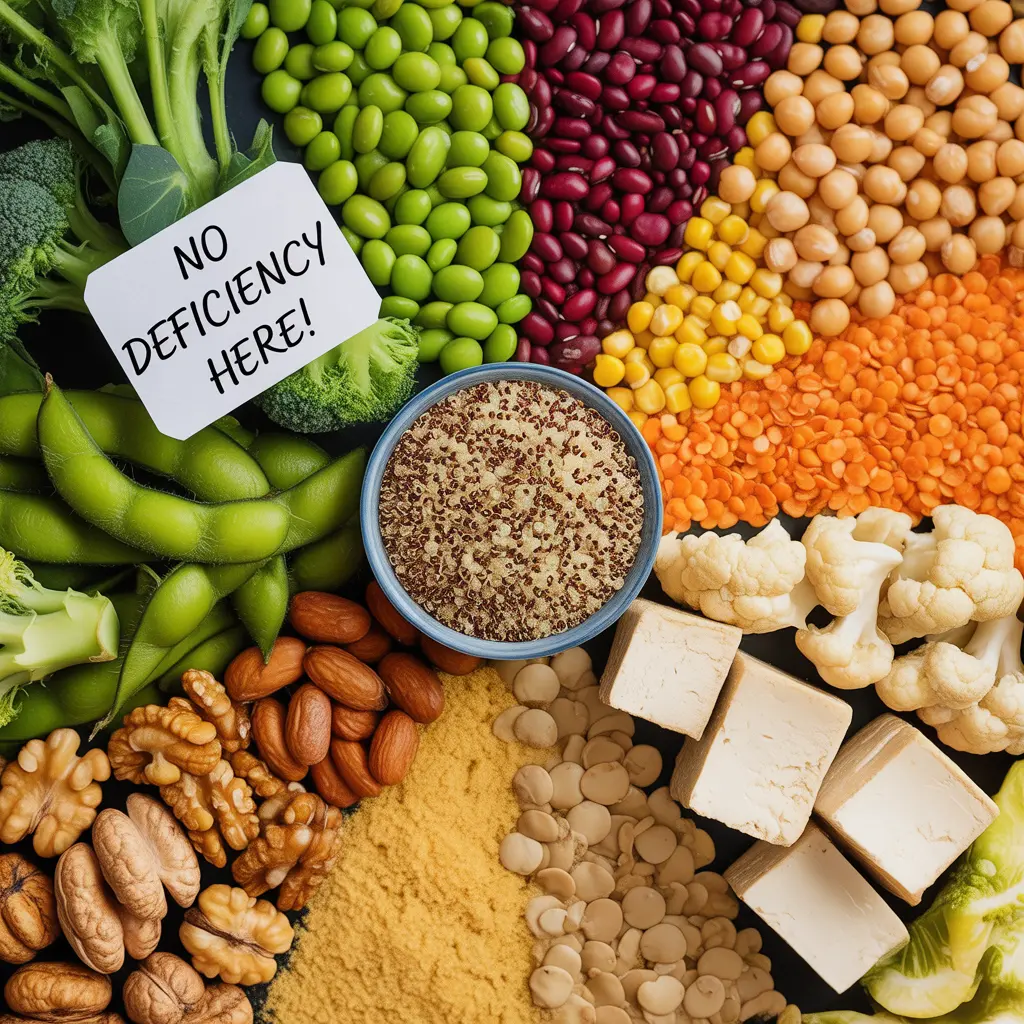
vegan protein deficiency how much need is answered with precise science: most adults require 0.8 grams per kilogram of body weight, while active individuals need 1.2 to 2.2 grams per kilogram. Clinical protein deficiency among vegans eating sufficient calories is exceptionally rare. This guide delivers a personal calculator, 15 high-protein plant foods, and a practical meal framework to meet your targets without stress or supplementation.
vegan protein deficiency how much need haunts every plant-based eater’s journey, from well-meaning relatives to skeptical friends, creating persistent anxiety that often stems from decades of marketing and outdated science rather than rigorous nutritional research. The evidence is clear: clinical protein deficiency among vegans eating sufficient calories is exceptionally rare, and the real question is not about avoiding deficiency but about strategically optimizing intake for your specific body and lifestyle. This definitive guide dismantles the myths, provides a precise calculator to answer your personal vegan protein deficiency how much need query, uncovers hidden protein powerhouses in your pantry, and delivers a practical system to ensure you are meeting and exceeding your body’s requirements.
The anxiety surrounding vegan protein deficiency how much need is a cultural artifact, not a biological imperative. For over a century, the meat and dairy industries have invested billions in advertising campaigns positioning animal products as the primary source of complete protein, creating a powerful cognitive bias that makes plants seem inherently insufficient. The 1970s concept of protein combining, the idea that vegans must eat specific foods together at the same meal, was a nutritional oversimplification that cemented in the public mind that vegan diets were complicated and inherently risky. Modern science confirms that the human body maintains a pool of amino acids over 24 hours, and variety throughout the day is all that is required. For more on evidence-based plant nutrition, the vegan diet nutrition facts science guide covers current research consensus.
Many healthcare professionals receive minimal nutrition training, often based on curricula that have not incorporated the last 30 years of plant-based research. When a patient asks about vegan protein deficiency how much need, a doctor relying on outdated information may default to recommending animal products. The current position of the Academy of Nutrition and Dietetics, as documented by the Academy of Nutrition and Dietetics, is that appropriately planned vegan diets are healthful and nutritionally adequate, but this evidence-based stance is still fighting an uphill battle against decades of cultural programming. For authoritative nutrient reference values, the NIH Office of Dietary Supplements protein factsheet provides official guidance.
The most compelling data against the vegan protein deficiency narrative comes from population studies. Research, including the large-scale EPIC-Oxford study available through PubMed, consistently shows that the average vegan meets or surpasses the Recommended Dietary Allowance for protein. Contrastingly, the average omnivore often consumes 150 to 200 percent of the RDA, frequently from processed sources linked to negative health outcomes. The population most obsessed with vegan protein deficiency how much need is typically not the one at any realistic risk. For more on meeting protein targets efficiently, the get 100g protein vegan easy way guide provides practical strategies.
Your Personal Protein Calculation
The antidote to vague fear is specific numbers. Let us replace anxiety with arithmetic and definitively answer your vegan protein deficiency how much need question using the science-based formula of grams per kilogram of body weight.
Science-Based Formula: Grams per Kilogram
Forget the gym-bro mantra of one gram per pound. International health organizations and sports nutritionists use bodyweight in kilograms for precision.
| Population Group | Protein Range (g/kg/day) | Example: 160 lb (73 kg) Adult |
|---|---|---|
| Sedentary adults (RDA) | 0.8 g/kg | ~58 g/day |
| Recreationally active | 1.2-1.6 g/kg | 88-117 g/day |
| Athletes, muscle building | 1.6-2.2 g/kg | 117-161 g/day |
| Weight loss, muscle preservation | 1.8-2.4 g/kg | 131-175 g/day |
| Older adults (65+) | 1.0-1.2 g/kg | 73-88 g/day |
These values assume adequate total calorie intake. Protein needs expressed per kilogram become harder to meet when calories are restricted, making nutrient density critical during weight loss phases. For more on protein distribution timing, peer-reviewed research from PubMed provides extensive analysis of muscle protein synthesis protocols.
Real-World Examples: Making the Numbers Tangible
Take a 160-pound (73 kg) individual: General health need is 73 kg times 0.8 grams equals 58 grams daily. Active lifestyle need is 73 kg times 1.4 grams equals 102 grams. Athletic building need is 73 kg times 1.9 grams equals 139 grams.
Seeing the number 58 grams is revolutionary. This target is not a mountain to climb. Fifty-eight grams looks like: Breakfast with oatmeal, two tablespoons peanut butter, and hemp seeds provides 20 grams. Lunch with a large salad, one cup chickpeas, and tahini dressing provides 25 grams. Dinner with stir-fry, half block of tofu, and broccoli over brown rice provides 25 grams. This example hits 70 plus grams effortlessly, demonstrating that answering your vegan protein deficiency how much need query leads to a simple, achievable food plan. For more on high-protein meal construction, the vegan high protein meals guide provides recipe frameworks.
Your Personal Vegan Protein Deficiency How Much Need Calculator
Step one: Convert weight. Your weight in pounds divided by 2.2 equals your weight in kilograms. Step two: Select multiplier based on your activity level from the table above. Step three: Calculate target. Your weight in kilograms times your selected multiplier equals your grams per day. This is your personalized, science-based answer to vegan protein deficiency how much need. For our 73 kg active person: 73 times 1.4 equals 102 grams. This specific target replaces vague worry with a clear goal. For more on protein tracking and adjustment, the vegan protein deficiency how much need guide provides detailed monitoring protocols.
A comprehensive review published in the Journal of the International Society of Sports Nutrition concluded that plant-based diets support muscle hypertrophy and strength gains equally to omnivorous patterns when total protein intake and resistance training are matched. The critical factor is consistent daily intake rather than protein source alone.
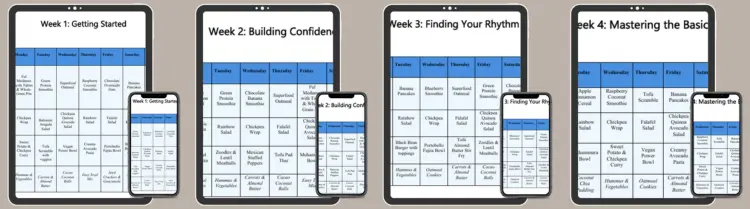
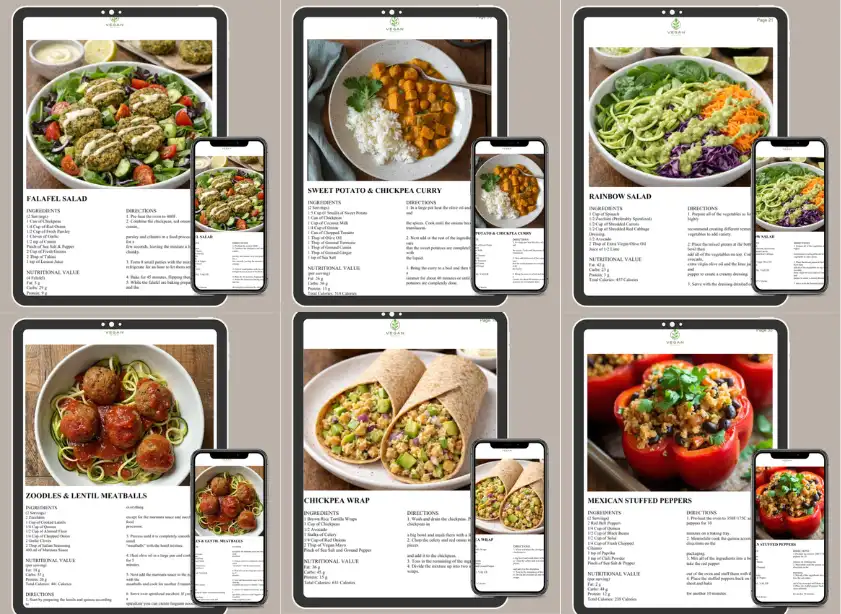
Psst.. Start your transformation now. Everything is done for you, 36 chef vegan recipes, 4 weekly grocery lists, and a full 28-day Meal Plan. Zero thinking, every meal decided. Balanced macros daily, one Sunday prep feeds your whole week. No subscription.
Get the Plan →When Intention Matters: High-Need Scenarios
While general vegan protein deficiency is unlikely, specific life phases and goals require more mindful attention to your vegan protein deficiency how much need numbers.
Scenario 1: The Athlete or Dedicated Muscle Builder
Here, total intake is paramount at 1.6 to 2.2 grams per kilogram. This requires deliberate planning: centering meals around tofu, tempeh, seitan, and legumes, and considering protein powder for convenience post-workout or to meet high totals. Distributing intake across 4 to 6 meals can optimize muscle protein synthesis throughout the day. For more on athletic protein timing, the vegan diet for athletes performance guide covers training-specific strategies.
Scenario 2: Active Weight Loss in a Calorie Deficit
To preserve metabolically active muscle while losing fat, prioritizing protein at 1.8 to 2.4 grams per kilogram is key. Focus on high-satiety, low-calorie-density protein sources: lentils, tofu, seitan, and plenty of vegetables. This is a prime scenario to track intake for a week to ensure you are hitting your elevated vegan protein deficiency how much need target. For more on weight loss protein strategies, the vegan diet weight loss plan guide provides calorie-conscious frameworks.
Scenario 3: Aging Gracefully (Over 60)
To combat age-related sarcopenia or muscle loss, needs increase slightly to 1.0 to 1.2 grams per kilogram at a minimum. Crucially, evenly distributing protein across all meals, aiming for 25 to 30 grams per meal, becomes more important than just the daily total, especially when paired with regular resistance training. For more on senior nutrition planning, the vegan diet for seniors guide covers age-appropriate adjustments.
Scenario 4: The Convenience-First or Processed-Food Vegan
If your diet relies heavily on vegan junk food, fries, white bread, and sugary snacks, you may have a low overall protein intake. This is not an inherent vegan protein deficiency issue but a dietary pattern issue. Swapping even a few processed items for whole plant foods automatically resolves it. For more on whole food transitions, the whole food vegan diet guide covers foundational principles.
Scenario 5: Extremely Low Calorie Intakes
At very low calorie levels under 1,500 calories, hitting protein goals is mathematically challenging. This is where strategic use of concentrated sources like protein powder, seitan, or isolated soy protein can be a practical tool to meet your vegan protein deficiency how much need target without excessive volume. For more on protein supplementation guidance, the vegan protein powder guide covers product selection and timing protocols.
Optimization Strategies to Hit Your Target
Once you know your vegan protein deficiency how much need number, these practical swaps and formulas make achieving it simple without stress or overthinking.
High-Impact Food Swaps for Net Protein Gain
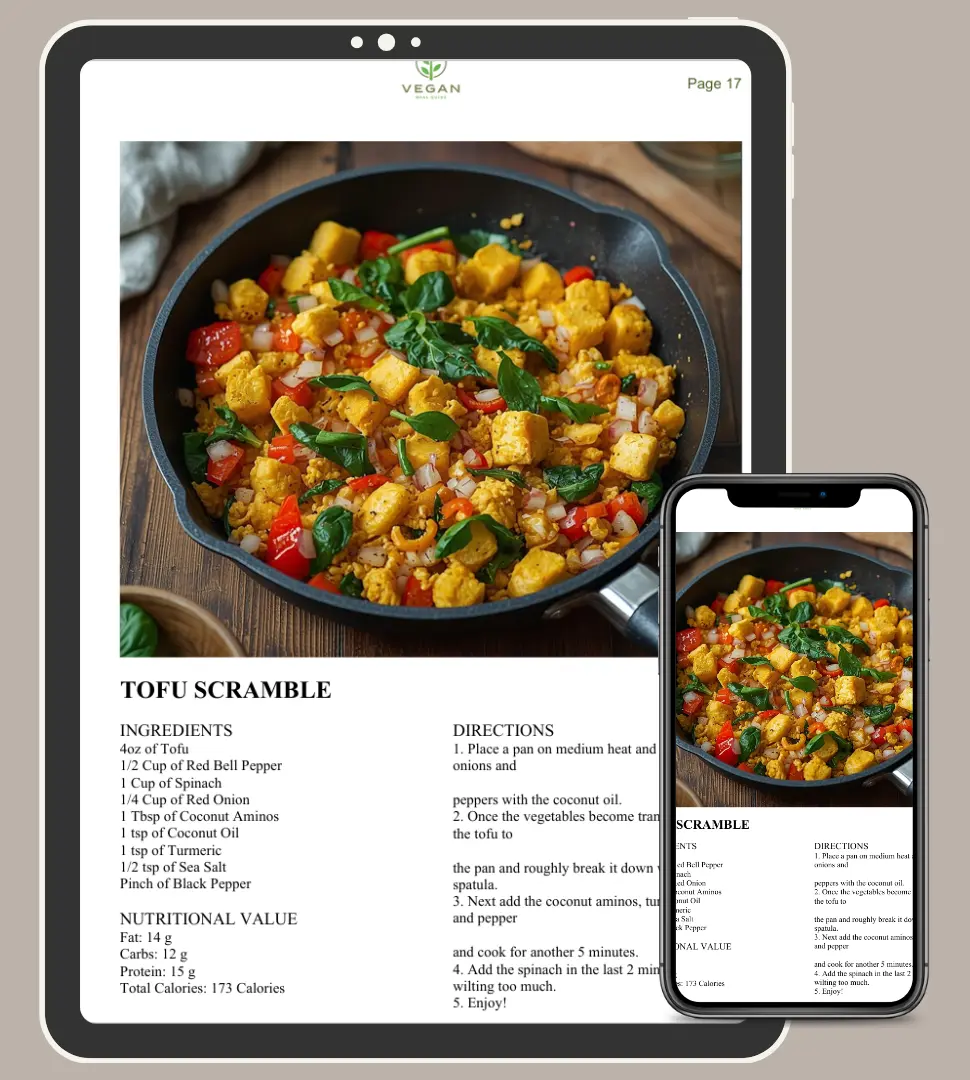
White rice at 4 grams per cup becomes quinoa at 8 grams or lentils at 18 grams, adding 4 to 14 grams. Regular pasta at 7 grams per cup becomes lentil pasta at 25 grams per cup, adding 18 grams. Breakfast toast becomes tofu scramble with vegetables, adding 15 to 20 grams. Creamy salad dressing becomes lemon-tahini dressing, adding 5 grams. Potato chips at 2 grams become roasted chickpeas at 14 grams, adding 12 grams. For more on strategic meal swaps, the high protein vegan dinner guide covers evening meal optimization.
The Protein Stacking Meal Blueprint
Construct any meal using this template for 30 to 40 grams of protein. Foundation: one to one and a half cups of protein-rich grain like quinoa or oats, or starchy vegetable. Protein anchor: three-quarters to one cup of beans, lentils, cubed tofu or tempeh, or seitan. Vegetable volume: one to two cups adds nutrients, fiber, and bonus protein. Flavor and finish: a sauce or sprinkle made from nuts, seeds, or nutritional yeast. Sample stack: one cup cooked lentils at 18 grams plus one cup quinoa at 8 grams plus two cups mixed broccoli and spinach at 9 grams plus one tablespoon hemp seeds at 3 grams equals a 38-gram protein meal.
Oatmeal with peanut butter, hemp seeds, and fortified plant milk
Large salad with chickpeas, tahini dressing, and quinoa
Apple with almond butter and pumpkin seeds
Tofu stir-fry with broccoli, brown rice, and nutritional yeast
Total: approximately 85 grams protein, distributed across four eating occasions to optimize muscle protein synthesis. For meal prep strategies that reduce daily cooking time while maintaining nutrient density, the vegan meal prep for beginners guide covers batch-cooking techniques that work well for protein-rich recipes.
Sneaky Add Boosters for Easy Gains
Blend silken tofu or canned white beans into smoothies, soups, and sauces for a 10 to 15 gram invisible protein boost. Make nutritional yeast your go-to topping for popcorn, pasta, and salads, adding 2 to 3 grams per tablespoon. Stir hemp seeds into yogurt, oatmeal, or batter, adding 10 grams per 3 tablespoons. Use chickpea flour for pancakes, scrambles, or baking. These simple additions accumulate throughout the day without requiring major meal restructuring.
Protein Powder: Tool, Not Crutch
Let us clarify the role of supplements in the context of vegan protein deficiency how much need. Protein powder serves as a convenience tool for specific scenarios, not a mandatory component of a healthy plant-based diet.
Legitimate Use Cases
Convenience for athletes with exceptionally high targets above 150 grams per day. Immediate post-workout nutrition when whole food is not practical. Aiding in meeting protein goals during aggressive calorie restriction. For individuals with medical conditions affecting appetite or digestion. In these scenarios, protein powder provides a time-efficient, portable solution that supports your vegan protein deficiency how much need target without compromising overall diet quality.
When It Is Unnecessary
If you are consistently meeting your vegan protein deficiency how much need target with whole foods, which is often more cost-effective and nutritious. If you have no specific performance goals and simply enjoy whole-food meals. Whole foods provide fiber, micronutrients, and phytonutrients that isolated supplements lack, making them the preferred foundation for most eaters.
A Quick Guide to Types
Pea protein is affordable, high in branched-chain amino acids, and mixes well. Brown rice protein has a mild flavor and is often blended with pea for a complete amino acid profile. Soy protein isolate is a complete protein, highly researched, and cost-effective. Hemp protein is a whole-food option with fiber and fats, but has a grainier texture. Blended formulas often provide the best taste, texture, and amino acid spectrum. For comprehensive product comparisons, the vegan protein powder vs whole food protein guide covers evidence-based selection criteria.
Supplements should complement, not replace, whole food intake. Prioritize protein from diverse plant sources before considering powders. If you do use protein powder, choose products with minimal additives and third-party testing for quality assurance.
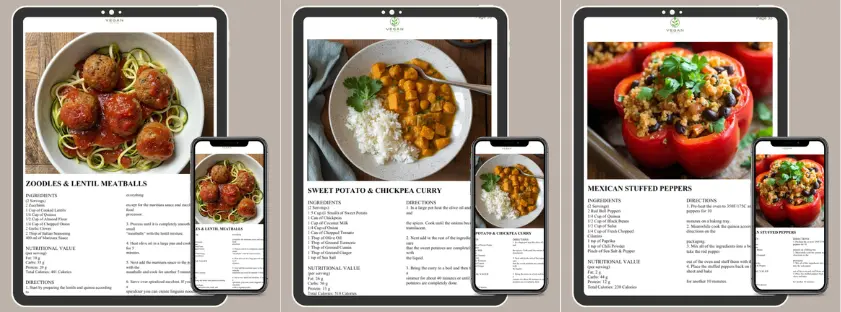
28-Day Vegan Meal Plan + Grocery list.
Transform your lifestyle with our comprehensive guide. This isn’t just a recipe book; it’s a complete system designed for success:
- 28-Day Meal Plan every meal, nothing to figure out
- 4 Weekly Grocery Lists sorted by aisle, saves money
- Balanced Macros protein, iron and B12 daily
- Under $1 Per Serving eat well on any budget
- 90-Min Sunday Prep one session, whole week fed
- Vegan Swaps Guide meat, dairy and eggs replaced
- Nutrition Toolkit protein targets and dining guide
- 36 Chef Recipes every meal photographed
Debunking Top Protein Myths
Misinformation about plant-based protein persists across social media and casual conversations. Separating fact from fiction empowers confident decision making when evaluating vegan protein deficiency how much need.
Myth 1: Plant Proteins Are Incomplete or Low Quality
Truth: All plants contain all nine essential amino acids. The proportions vary, but the term incomplete is misleading. A varied diet of grains, legumes, nuts, and seeds over the course of a day provides an optimal and abundant amino acid profile. The minor differences in digestibility are irrelevant when calorie and variety needs are met. For more on amino acid science, the vegan protein sources guide covers comprehensive profiles.
Myth 2: You Must Carefully Combine Proteins at Every Meal
Truth: This is a long-retracted concept. Your body’s amino acid pool functions over a 24-hour period. Eating rice at lunch and beans at dinner is perfectly adequate. The only combining needed is eating a variety of foods over the day. Focus on overall dietary diversity rather than meal-by-meal perfection.
Myth 3: Building Significant Muscle on a Vegan Diet Is Impossible
Truth: Muscle synthesis requires three things: a consistent calorie surplus, progressive resistance training, and sufficient total protein. The biological source of that protein is irrelevant once the total amount is sufficient. The growing roster of elite vegan bodybuilders, strength athletes, and Olympians is definitive proof. For more on muscle-building strategies, the vegan bodybuilding meal plan guide provides structured frameworks.
Myth 4: Soy Negatively Impacts Hormones, Especially in Men
Truth: Phytoestrogens in soy are structurally different and far weaker than human estrogen. They do not feminize. Comprehensive reviews of scientific literature show no adverse effects on testosterone or estrogen levels in men. Soy is a safe, healthy, and complete protein that can be included freely in a balanced plant-based diet.
Myth 5: More Protein Is Always Better for Health and Performance
Truth: The body can only utilize a certain amount of protein for tissue repair and building. Excessive intake is either excreted or stored as fat. Chronically very high intakes may stress renal function in individuals with pre-existing kidney issues. Meeting your specific vegan protein deficiency how much need target is the goal, not maximizing intake indiscriminately. For more on protein timing and distribution, peer-reviewed research from PubMed provides authoritative guidance.
Frequently Asked Questions
Can I meet my protein needs on a vegan diet without supplements?
Yes, absolutely. The Academy of Nutrition and Dietetics confirms that well-planned vegan diets provide all essential amino acids when calories are adequate and food variety is prioritized. By incorporating the high-protein plant foods outlined in this guide, most adults can meet daily targets through whole foods alone. Supplements offer convenience but are not required for nutritional adequacy.
Do I need to combine proteins at every meal?
No. Current nutritional science recognizes that the body maintains an amino acid pool, drawing from foods consumed throughout the day. Eating varied plant proteins across meals allows the body to assemble complete amino acid profiles. Focus on diversity over perfection at individual meals.
Which plant protein source is best for muscle building?
Soy products like tempeh and tofu provide complete protein with leucine content that supports muscle protein synthesis. Seitan offers exceptional protein density for those who tolerate gluten. Combining these with resistance training and adequate total calories creates an optimal environment for muscle adaptation.
How much protein should I eat after a workout?
Research suggests 20 to 40 grams of protein within two hours post-training optimizes muscle repair and adaptation. Plant-based options include tempeh sandwiches, lentil soup, tofu scrambles, or protein smoothies with pea protein and hemp seeds. Timing matters less than consistent daily intake.
What is the easiest way to follow a high-protein vegan diet?
The simplest approach is to follow a structured plan. The Ultimate 28-Day Vegan Meal Plan + Grocery List (Complete Solution) includes nutritionist-approved recipes and easy weekly grocery lists covering all 4 weeks, making it easy to start without planning everything from scratch.
Are protein powders necessary for vegan athletes?
Protein powders offer convenience but are not required for meeting protein needs with intentional food selection. Whole food vegan protein sources provide additional nutrients that isolated supplements lack. Consider powders only if whole food intake proves challenging due to schedule, appetite, or preference.
Can older adults meet protein needs on a vegan diet?
Yes. Older adults may benefit from slightly higher protein intake to support muscle preservation. Prioritizing easily digestible sources like lentils, tofu, and hemp seeds, combined with resistance exercise, supports healthy aging on a plant-based pattern. Consult a healthcare provider for personalized guidance.
Does cooking affect protein content in plant foods?
Cooking generally improves protein digestibility by denaturing proteins and breaking down cell walls. Some water-soluble amino acids may leach into cooking liquid, so using broth or sauces that incorporate cooking liquids preserves nutrient value. Traditional methods like soaking and fermentation further enhance bioavailability.
How do I know if I am getting enough protein?
Signs of adequate protein include stable energy, healthy hair and nails, preserved muscle mass, and normal immune function. If you experience persistent fatigue, hair loss, or slow recovery alongside a restrictive diet, discuss targeted nutrient testing with your healthcare provider. The vegan blood test guide covers relevant biomarkers.
Can children meet protein needs on a vegan diet?
Yes, with careful planning. Children have higher protein needs per kilogram than adults due to growth demands. Prioritizing calorie-dense plant proteins like nut butters, tofu, and legumes, combined with adequate total calories, supports healthy development. Work with a pediatric dietitian for personalized guidance.
Is soy safe for regular consumption?
Extensive research confirms that moderate soy consumption is safe and beneficial for most people. Soy foods provide complete protein, isoflavones with potential health benefits, and cardiovascular support. Individuals with thyroid conditions should discuss soy intake with their healthcare provider, but general population guidelines support regular inclusion.
What if I do not like the taste of some high-protein plant foods?
Preparation methods significantly impact flavor and texture. Marinating tempeh, pressing tofu, roasting chickpeas, or blending lentils into sauces transforms their sensory profile. Experiment with seasonings, cooking techniques, and recipe applications to find preparations you enjoy. Variety ensures you can meet protein needs without relying on foods you dislike.
Meeting Your Protein Needs with Whole Plant Foods
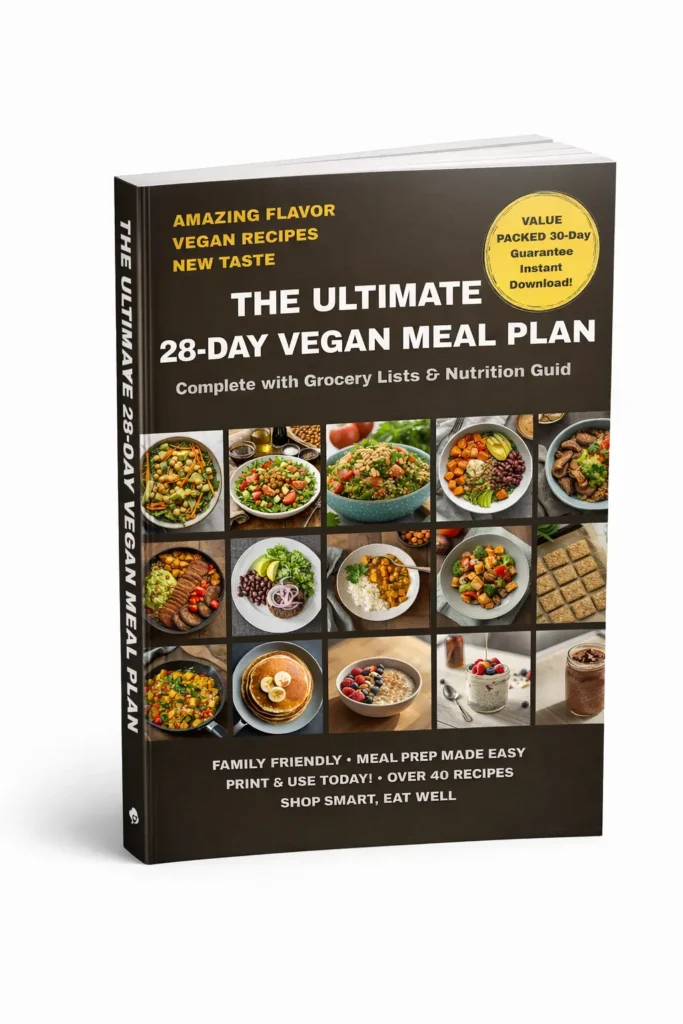
vegan protein deficiency how much need is not a limitation but an opportunity to explore diverse, nutrient-dense foods that support health, performance, and culinary enjoyment. The key is intentional selection: prioritize lentils, tofu, seitan, and other high-protein plant foods, prepare them using methods that enhance flavor and bioavailability, and distribute intake evenly across meals for optimal utilization. This food-first approach aligns with evidence-based guidance that plant-based diets meet protein requirements when varied and adequate in calories. By incorporating the high-protein plant foods outlined in this guide into your daily eating pattern, you can confidently meet your targets without relying on supplementation. The Ultimate 28-Day Vegan Meal Plan + Grocery List (Complete Solution) gives you exactly that, with 36 chef-tested recipes with a photo for every recipe, easy weekly grocery lists covering all 4 weeks, and a complete 28-day calendar so you always know what to prepare next.
Tired of overthinking your meals?
What’s included in your download
- 28-Day Meal Plan
- 4 Weekly Grocery Lists
- Balanced Nutrtion, protein, iron, B12
- Under $1 Per Serving
- 90-Min Sunday Prep
- Vegan Swaps Guide
- Nutrition Toolkit
- Beginner Action Plan
- Dining Out Guide
- 36 Chef Recipes
Instant PDF download. No subscriptions.
🔬 Master Your Protein & Health
Understanding the myth is the first step. Here is how to put the science into practice and ensure your body is thriving:
- 🥦 The Master List: 15 Best Vegan Protein Sources (Complete List)
- 💪 Get 100g Daily: The 100g Protein “Lazy” System
- 🩸 Prove It: The Essential Vegan Blood Test Checklist
- 📉 Weight Loss Science: The Science-Based Weight Loss Plan
Want a high-protein plan designed by science?
Get the 28-Day High-Protein BundleP.S. I put together a 28-Day Vegan Meal Plan with all the details, shopping lists included, to help you eat well without the hassle. It’s free, and you can check it out here.
Want to try before you buy?
Enter your email below to get 2 free recipes instantly: