
Medical Disclaimer: This article is for informational and educational purposes only and does not constitute medical advice. A vegan diet for migraines should be discussed with your neurologist or healthcare provider, especially if you are currently taking migraine medications. Never discontinue prescribed treatments without professional guidance.
Vegan Diet for Migraines: 7 Trigger Foods to Cut and What to Eat Instead
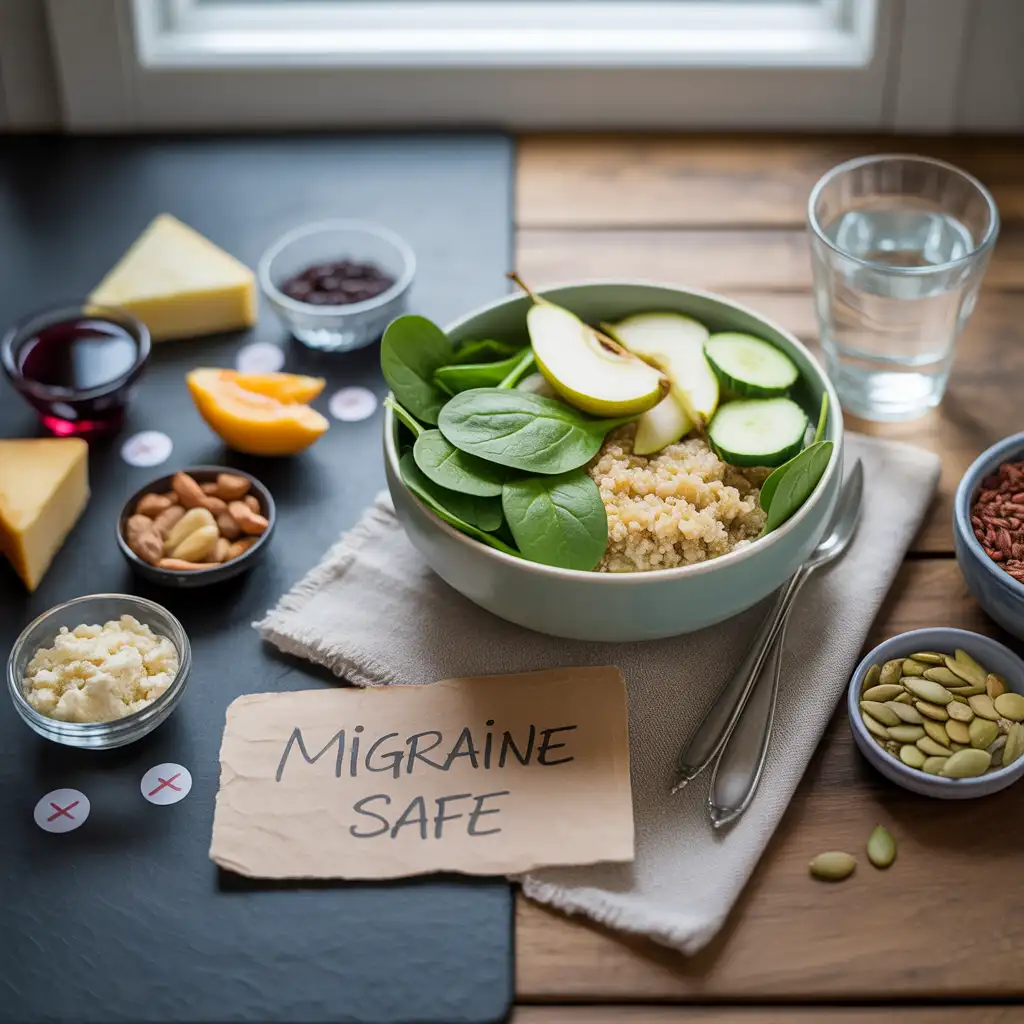
A vegan diet for migraines is one of the most underused tools for reducing attack frequency, and most migraine sufferers have no idea which plant-based foods eliminate their triggers while others quietly make things worse. This guide gives you the exact list of seven dietary triggers to cut, the anti-inflammatory foods that replace them, the science behind why it works, and a 7-day meal plan that puts it all together.
Plant-based diets reduce migraine frequency by eliminating tyramine, nitrates, and histamine found mainly in animal products.
Clinical evidence from the Physicians Committee for Responsible Medicine shows vegan diets cut migraine days significantly versus standard care.
The seven main dietary triggers — aged dairy, processed meat, alcohol, MSG, artificial sweeteners, eggs, and fermented cheese — are all animal-derived or heavily processed.
Anti-inflammatory plant foods (leafy greens, ginger, flaxseed, magnesium-rich legumes) reduce the underlying neuroinflammation driving migraines.
A structured 7-day meal plan removes guesswork and ensures you hit magnesium, riboflavin, and omega-3 targets daily.

What Triggers Migraines in Your Diet
Migraines are not simply headaches. They are a neurological event involving cortical spreading depression, trigeminal nerve activation, and inflammatory signalling cascades. Dietary triggers work by activating these pathways — and the majority of the most potent ones are concentrated in animal-derived and ultra-processed foods.
Tyramine is the most studied dietary migraine trigger. It forms when amino acids break down in aged, fermented, or preserved foods. The highest concentrations are found in aged cheeses, cured meats, smoked fish, and fermented dairy. Nitrates and nitrites, used as preservatives in processed meats, convert to nitric oxide in the body and cause cerebrovascular dilation — a direct migraine mechanism. Histamine, found in fermented and aged animal products, interferes with blood vessel tone and is a well-documented headache trigger in sensitive individuals.
7 Trigger Foods to Cut on a Vegan Diet for Migraines
The following seven categories are the most evidence-supported dietary migraine triggers. Eliminating them is the first and highest-impact step in any dietary migraine protocol. Note that while most vegans already avoid the animal-derived items on this list, several plant-based pitfalls appear here too.
-
Complete 28-day calendarEvery breakfast, lunch, dinner & snack planned
-
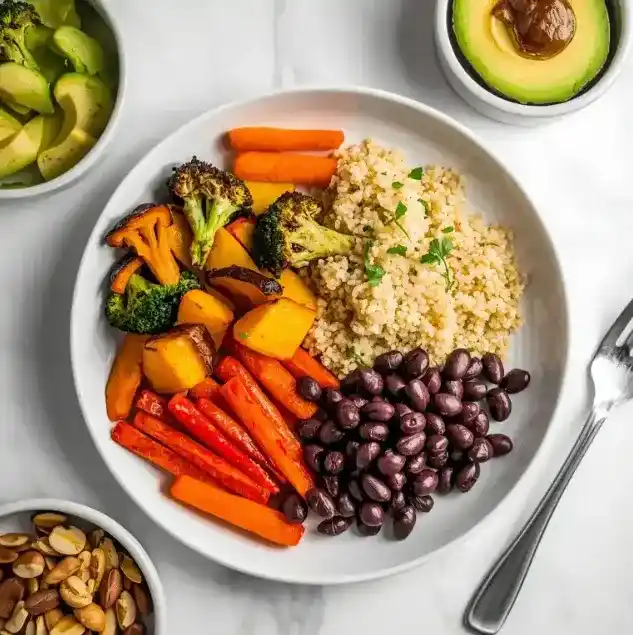
40+ nutritionist-approved recipesVibrant photo for every single dish
-
Easy weekly grocery listsShop smart, spend less, waste nothing
-
Protein, iron & B12 at every mealNutritionally complete — no guesswork
-
Saves 7+ hours weeklyPrint it once, follow it all month
-
Bonus: Nutrition Guide ToolkitVegan tips, guides & family meal prep
1. Aged and Fermented Dairy
Aged cheeses including parmesan, blue cheese, camembert, and gouda contain extremely high tyramine levels. Fermented dairy products like kefir and aged yoghurt follow the same pattern. These are already excluded on a vegan diet, which immediately removes the single highest tyramine source from your intake.
2. Cured and Processed Meat
Bacon, hot dogs, salami, pepperoni, and deli meats contain both nitrates and tyramine. Nitrate-induced vasodilation can trigger attacks within 30 minutes of consumption in sensitive individuals. Zero presence in a well-structured vegan diet.
3. Alcohol — Especially Red Wine and Beer
Red wine contains tyramine, histamine, sulphites, and tannins — a quadruple migraine trigger. Beer contains histamine and sulphites. These are vegan foods that should be avoided or strictly limited if you experience migraines. Even small amounts can provoke attacks in sensitive individuals.
4. MSG and Artificial Flavour Enhancers
Monosodium glutamate is used heavily in packaged vegan products including instant noodles, flavour sachets, and processed meat alternatives. Read labels carefully. MSG acts via glutamate receptor sensitisation, a pathway directly linked to migraine cortical spreading depression.
5. Artificial Sweeteners
Aspartame, found in diet sodas and sugar-free products, is one of the most frequently reported migraine triggers in the research literature. It is abundant in products marketed as “healthy” or “low calorie.” Whole-food sweeteners such as dates, maple syrup, and coconut sugar do not carry this risk.
6. Eggs
Eggs contain both lysozyme and sulphur-containing amino acids that some migraine sufferers react to. They also contain small amounts of tyramine. While not a trigger for everyone, they appear consistently in elimination diet protocols for migraines, and they are of course excluded on a vegan diet.
7. Fermented and Pickled Foods
Sauerkraut, kimchi, miso, tempeh, soy sauce, and kombucha are vegan foods that carry significant histamine loads. For histamine-sensitive migraine sufferers, these should be limited or rotated carefully. Fermented foods can still play a role in gut health on a vegan migraine diet, but dose and frequency matter significantly.
Getting these seven categories consistently under control across 28 days is the structural challenge of a vegan diet for migraines — the Ultimate 28-Day Vegan Meal Plan + Grocery List (Complete Solution) solves this with nutritionist-approved recipes built around low-trigger ingredients and a complete grocery list for every week.
Why a Vegan Diet Reduces Migraine Frequency
The evidence base for dietary intervention in migraine management has strengthened considerably in the past decade. Three mechanisms are well-supported by the literature.
Mechanism 1: Elimination of Chemical Triggers
As detailed above, the highest-concentration tyramine, nitrate, and histamine sources are animal-derived. A vegan diet for migraines performs passive elimination at scale — you do not need a detailed food diary to avoid the worst offenders because you have already removed their primary vehicles from your diet.
Mechanism 2: Reduced Systemic Inflammation
Migraine is fundamentally an inflammatory condition. C-reactive protein (CRP) and prostaglandin E2 are elevated in migraine patients and correlate with attack frequency. Plant-based diets consistently lower CRP by 20–35% compared to omnivore diets, according to meta-analyses published in PubMed. Anti-inflammatory phytonutrients including curcumin, quercetin, and omega-3 fatty acids from flaxseed and walnuts directly modulate prostaglandin synthesis.
Mechanism 3: Improved Magnesium and Riboflavin Status
Magnesium deficiency is present in up to 50% of migraine patients during an acute attack, according to research reviewed by Examine.com. Plant foods including dark leafy greens, pumpkin seeds, black beans, and almonds are among the highest magnesium sources in any diet. Riboflavin (vitamin B2) has been studied in randomised controlled trials at 400mg/day with significant reductions in migraine frequency at 3 months. Key plant sources include nutritional yeast, tempeh, almonds, and mushrooms.
Estimated Migraine Days Per Month: Diet Type Comparison (from clinical literature)
Estimates based on PCRM trial data and published systematic review ranges. Individual results vary. Not diagnostic.
Ultimate 28-Day Vegan Meal Plan
+ Complete Grocery List & Toolkit
Built by a professional chef with 10+ years in MENA & Mediterranean kitchens
- 36 chef-tested vegan recipes — full-colour photo for every single one
- Complete 28-day meal calendar — every breakfast, lunch, dinner & snack planned
- 4 weekly grocery lists — organised by supermarket section, nothing specialty
- Getting started guides — nutrition, vegan swaps, protein facts, foods list
- Pantry & nutrition hub — Middle Eastern ingredients, whole grains, substitutions
- Budget-friendly tips — eat well, spend less every week
- BONUS: Vegan Nutrition Toolkit — protein cheat sheet, dining out guide, meal prep tips, label reading & quick reference sheets
Key Nutrients That Fight Migraines
A vegan migraine diet is not just about removal. What you add matters equally. These four nutrients have the strongest evidence base for migraine prevention and are all highly achievable on a well-planned plant-based diet.
Magnesium: The Migraine Mineral
The American Migraine Foundation recognises magnesium as a first-line preventive supplement for migraine. Target: 400mg daily from food. Top vegan sources: pumpkin seeds (156mg per 28g), dark chocolate 70%+ (64mg per 28g), black beans (60mg per 100g cooked), spinach (79mg per 100g cooked), and almonds (76mg per 28g).
Riboflavin (Vitamin B2): Clinically Tested
A landmark randomised controlled trial published in PubMed (Schoenen et al.) found 400mg/day of riboflavin reduced migraine attack frequency by 50% in 59% of participants at 3 months. Vegan sources: nutritional yeast (9.7mg per 100g), tempeh (0.36mg per 100g), portobello mushrooms (0.43mg per 100g), almonds (0.32mg per 28g).
Omega-3 Fatty Acids: Anti-Inflammatory Signalling
EPA and DHA from algae-based omega-3 supplements reduce prostaglandin E2 production. A clinical trial by Ramsden et al. found that a high omega-3, low omega-6 diet reduced headache hours by 40% over 16 weeks. Flaxseed, chia seeds, hemp seeds, and walnuts provide ALA, which converts partially to EPA. Direct algal DHA/EPA supplementation covers the gap.
Coenzyme Q10: Mitochondrial Support
Migraine brains show mitochondrial dysfunction and reduced CoQ10 levels. Supplementation at 300mg/day has been shown to reduce migraine frequency in several small trials. Dietary sources of CoQ10 on a plant-based diet include broccoli, cauliflower, spinach, and legumes — though supplementation is typically needed for therapeutic levels.
Ingredient Spotlight
One of the single most effective migraine-prevention foods on a vegan diet. Extremely high in magnesium, zinc, and tryptophan — all relevant to migraine neurology.
Best Anti-Inflammatory Foods for Migraine Relief
The following categories of plant foods have the strongest combined evidence for migraine prevention through anti-inflammatory, magnesium-loading, and trigger-elimination mechanisms. These are the foods to build your vegan migraine diet around.
Dark Leafy Greens
Spinach, kale, Swiss chard, and collard greens provide magnesium, riboflavin, folate, and vitamin K2 precursors. Aim for two generous servings daily. Cooked greens are preferable to raw in large quantities because they deliver more magnesium per serving and are easier to digest.
Ginger
Fresh ginger contains gingerols and shogaols — compounds that inhibit prostaglandin synthesis and have been shown in trials to reduce both acute migraine pain and nausea associated with attacks. Use in teas, stir-fries, smoothies, and dressings. 1–2g of fresh ginger daily is the therapeutic range studied.
Flaxseed and Chia Seeds
High in alpha-linolenic acid (ALA), the plant precursor to anti-inflammatory EPA and DHA. They also provide magnesium and are histamine-neutral, making them safe for migraine sufferers. Use 2 tablespoons ground flaxseed daily for maximum ALA absorption.
Legumes: Lentils, Black Beans, Chickpeas
Dense magnesium sources with high fibre for gut health, which is increasingly linked to migraine via the gut-brain axis. They are also histamine-neutral when fresh or cooked from dried, making them safe daily staples on a vegan migraine diet. Canned legumes are fine if rinsed thoroughly.
Cherries and Berries
Tart cherries contain anthocyanins that inhibit COX-1 and COX-2 enzymes — the same inflammatory pathway targeted by NSAIDs. Blueberries, strawberries, and raspberries provide quercetin, which modulates histamine receptors and reduces neuroinflammation. These are among the safest sweet foods for migraine sufferers.
Quinoa and Brown Rice
Complex carbohydrates that stabilise blood glucose — a critical factor because blood sugar crashes are an independent migraine trigger. Unlike refined carbohydrates, quinoa and brown rice provide magnesium and B vitamins alongside slow-release energy.
The Ultimate 28-Day Vegan Meal Plan + Grocery List (Complete Solution) includes nutritionist-approved recipes featuring all of these migraine-protective ingredients — with simple recipes using common supermarket ingredients and a complete grocery list for every week.
7-Day Vegan Migraine Meal Plan
This plan is designed to hit daily magnesium targets (400mg+), provide riboflavin from whole foods, deliver ALA omega-3s from seeds, and eliminate all seven dietary trigger categories. It uses the simplest possible ingredient list for everyday cooking.
Vegan Foods to Avoid if You Get Migraines
A vegan diet for migraines eliminates most animal-derived triggers automatically, but several plant-based and processed vegan foods remain problematic. Many people find that going vegan improves their migraines only partially — and the reason is usually one of the following.
Vegan Foods That Can Trigger Migraines
| Food / Category | Trigger Compound | Risk Level | Safer Alternative |
|---|---|---|---|
| Red wine, beer | Histamine, tyramine, sulphites | High | Sparkling water, herbal tea |
| Soy sauce, tamari | Histamine, glutamate | Moderate | Coconut aminos (low-sodium) |
| Tempeh, miso | Histamine | Moderate (dose-dependent) | Limit to small portions, rotate |
| Kombucha | Histamine, tyramine, alcohol | High for sensitive individuals | Water kefir (lower histamine) |
| Dark chocolate 90%+ | Tyramine, phenylethylamine | Moderate | 70% dark chocolate in small amounts |
| Avocado (ripe/overripe) | Histamine | Low-moderate | Fresh, just-ripe avocado in moderation |
| Dried fruits | Sulphites, tyramine | Moderate | Fresh fruit |
| Packaged vegan meat alternatives | MSG, artificial flavours, yeast extract | High (processed varieties) | Whole food proteins: lentils, chickpeas, tofu |
Eliminating these over-looked vegan migraine triggers requires reading labels carefully and understanding the difference between whole-food plant-based eating and processed vegan substitutes. For more detail on building a clean whole-food vegan diet, the whole food vegan diet guide covers this in full.
How to Transition to a Vegan Migraine Diet: 4-Week Protocol
Do not attempt to change everything at once. Abrupt dietary changes can themselves trigger migraines through blood sugar shifts and caffeine withdrawal. A four-week, phased approach is clinically safer and more sustainable.
For more guidance on the gut-brain connection and plant-based eating, see the vegan gut health guide and the anti-inflammatory vegan diet guide — both relevant to the neuroinflammation component of migraine management. For nutrient specifics, the vegan magnesium foods guide and vegan omega-3 foods guide provide full food lists with amounts. For additional context on related health topics, the vegan diet for depression covers the overlapping neuroinflammation mechanisms, and the vegan brain health diet guide provides the broader neurological context.
28-Day Vegan Meal Plan +
Grocery list.
Frequently Asked Questions
Does a vegan diet actually help migraines?
Yes. Clinical evidence from the Physicians Committee for Responsible Medicine and multiple published trials confirms that plant-based diets reduce migraine frequency, intensity, and duration. The primary mechanisms are elimination of tyramine, nitrate, and histamine triggers, reduction of systemic inflammatory markers including CRP, and improved magnesium and riboflavin status — all nutrients central to migraine prevention protocols.
What is the single most important dietary change for migraines on a vegan diet?
Eliminating MSG and processed vegan meat alternatives is the change most vegan migraine sufferers have not yet made. Many people assume a vegan diet is automatically migraine-safe, but heavily processed vegan products often contain yeast extract, artificial flavours, and MSG at high concentrations. Shifting to whole-food plant proteins — lentils, chickpeas, tofu, tempeh in moderation — removes this hidden trigger category.
Is caffeine a migraine trigger on a vegan diet?
Caffeine is a complex migraine variable. It can abort an acute attack when consumed early (this is why it is in some migraine medications), but regular high consumption creates dependency, and caffeine withdrawal is itself a potent migraine trigger. For vegans who drink a lot of coffee or caffeinated tea, slow tapering rather than abrupt elimination is the safer approach. Green tea is generally better tolerated than coffee for migraine-prone individuals.
Can I eat soy products on a vegan migraine diet?
Yes, with selection. Whole soy foods like plain tofu and edamame are low in histamine and tyramine and are generally well-tolerated. Fermented soy products (tempeh, miso, soy sauce) carry higher histamine loads and should be limited to small portions and rotated. Highly processed soy-based meat substitutes often contain additional additives that are independent triggers. Coconut aminos is a useful low-histamine, lower-sodium replacement for soy sauce.
How long does it take for a vegan migraine diet to work?
Most clinical trials see meaningful migraine frequency reductions at 8–12 weeks of consistent dietary change. The first four weeks often involve some adjustment — including possible temporary worsening as caffeine and other habitual inputs are reduced. Track your migraine frequency, duration, and intensity against a pre-diet baseline over three months for a fair assessment. Do not judge results at four weeks.
What supplements should vegans with migraines take?
The four supplements with the strongest evidence base for vegan migraine sufferers are: magnesium glycinate or citrate (300–400mg/day), riboflavin vitamin B2 (400mg/day — clinical trial dose), algal DHA/EPA omega-3 (250–500mg combined daily), and CoQ10 (100–300mg/day). All four address mechanisms specific to migraine neurology. Discuss with your doctor before starting, particularly if you are on migraine medications. For more detail on vegan supplement planning, see the complete vegan supplements guide.
Is chocolate a migraine trigger for vegans?
Dark chocolate at very high cocoa percentages (90%+) contains tyramine and phenylethylamine at levels that trigger attacks in sensitive individuals. However, dark chocolate at 70% cocoa in small portions (15–20g) is tolerated by many migraine sufferers, and the magnesium content (64mg per 28g) is genuinely beneficial. Milk chocolate is not vegan and is also high in tyramine from the dairy content. Use 70% dark chocolate in small quantities and monitor your personal response.
Does hydration matter for vegan migraine management?
Dehydration is one of the most commonly overlooked migraine triggers and is entirely independent of diet type. Aim for 2–2.5 litres of water daily as a minimum. Herbal teas — ginger, peppermint, chamomile — count toward hydration and provide additional anti-inflammatory compounds. Avoid cold-pressed juices with high fruit sugar concentration, which can create blood glucose spikes followed by crashes that independently trigger attacks.
Are there anti-inflammatory vegan recipes specifically for migraines?
Yes. The core recipe categories to build your vegan migraine diet around are: lentil and leafy green soups, quinoa and pumpkin seed grain bowls, ginger-turmeric stir-fries with tofu and broccoli, chia and flaxseed smoothie bowls with berries, and chickpea and vegetable curries using coconut milk rather than cream. All of these hit multiple protective nutrient targets simultaneously while avoiding the seven trigger food categories. For cooking techniques that preserve magnesium and riboflavin content, see the vegan cooking techniques guide.
Can a vegan diet for migraines help with hormonal migraines?
Hormonal migraines — those linked to the menstrual cycle and oestrogen fluctuations — have a dietary component that plant-based diets address well. Phytoestrogens from flaxseed and soy (in moderation) help buffer oestrogen fluctuations. Reduced dietary fat intake on a whole-food vegan diet lowers circulating oestrogen, which reduces the amplitude of hormonal swings that trigger migraines. Magnesium also plays a specific role in premenstrual migraine prevention. For more, see the vegan hormone balancing diet guide.
What is the easiest way to follow a vegan diet for migraines?
The simplest approach is to follow a structured plan built around anti-inflammatory, low-trigger whole plant foods rather than trying to adapt standard recipes. The Ultimate 28-Day Vegan Meal Plan + Grocery List (Complete Solution) includes nutritionist-approved recipes with simple recipes using common supermarket ingredients and easy weekly grocery lists for 4 weeks — making it easy to start without planning everything from scratch.
Does gut health affect migraines on a vegan diet?
The gut-brain axis is increasingly recognised as a migraine pathway. Gut microbiome dysbiosis correlates with higher migraine frequency in population studies. Plant-based diets significantly increase microbiome diversity within 4–6 weeks, largely through increased prebiotic fibre from legumes, vegetables, and whole grains. This is a slower-acting but potentially powerful mechanism. Avoiding histamine-generating fermented foods initially while rebuilding gut flora through prebiotic-rich whole foods is the recommended approach for migraine sufferers in the first 8 weeks.
- The Role of Magnesium: Review the latest clinical data on how magnesium deficiency impacts neurological pathways at PubMed (National Library of Medicine).
- Migraine Dietetics: Explore evidence-based nutrition strategies for headache prevention via NutritionFacts.org.
- Nutrient Absorption: For a deep dive into plant-based nutrient bioavailability and nervous system support, visit VeganHealth.org.
Putting It All Together
A vegan diet for migraines works through three simultaneous mechanisms: passive elimination of the seven key chemical triggers, active delivery of anti-inflammatory and neuroprotective nutrients, and stabilisation of blood glucose through consistent whole-food plant eating. The evidence base is solid, the food is genuinely satisfying, and the four-week transition protocol keeps the adjustment period manageable. Your migraine frequency in month three on this approach should look meaningfully different from your baseline — the Ultimate 28-Day Vegan Meal Plan + Grocery List (Complete Solution) gives you exactly that, with nutritionist-approved recipes, a complete 28-day calendar, and easy weekly grocery lists covering all 4 weeks so you never have to guess what to eat next.