Disclaimer: This article is for informational and educational purposes only. It is not medical or dermatological advice. Consult a qualified healthcare professional or registered dietitian for personalised guidance, particularly if you have a skin condition or specific health concern.
Vegan Collagen Foods: How to Boost Collagen Production on a Plant-Based Diet

The Truth About Vegan Collagen: What Plants Can and Cannot Do
The term “vegan collagen foods” is technically a misnomer, and understanding why matters before anything else. Collagen is the most abundant protein in the human body, making up approximately 30% of total protein mass. It is the structural scaffold of skin, tendons, ligaments, cartilage, blood vessels, and bone. Collagen’s triple-helix molecular structure, built from repeating glycine-proline-hydroxyproline sequences, is unique to animal biology. No plant produces collagen. Algae, mushrooms, legumes, and seeds contain no collagen whatsoever.
This is not a problem for vegans. Here is why: you do not absorb dietary collagen intact from any source. When you eat collagen-containing animal products like bone broth, chicken skin, or gelatin, your digestive system breaks it down into individual amino acids and dipeptides. Your body then reassembles these building blocks into its own collagen via a multi-step enzymatic synthesis process. The collagen you built is yours, not borrowed from the animal source. The animal food provided raw materials. Your enzymes did the construction.
The Key Insight: You Build Collagen, You Don’t Absorb It
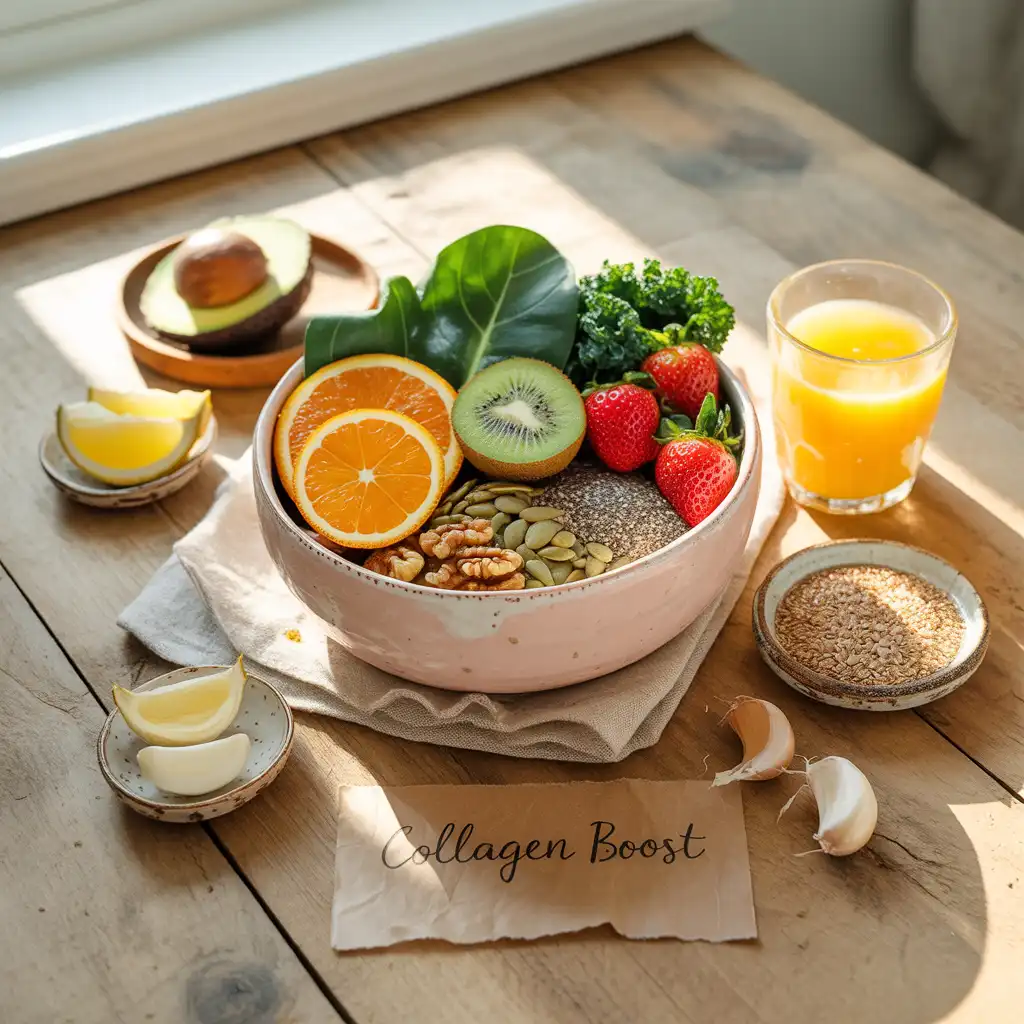
This means the question for vegans is not “where do I find plant collagen?” but “which plant foods provide the amino acids, vitamins, and minerals my body needs to make collagen efficiently?” The answer is: plants provide all of them. Vitamin C (essential cofactor), glycine and proline (structural amino acids from legumes and seeds), lysine (from legumes), zinc (from pumpkin seeds and legumes), and copper (from nuts and seeds) are all available in abundance from plant foods. A well-structured vegan diet can support excellent collagen synthesis, provided these specific nutrients are covered.
The collagen supplement industry is built on a partial truth: collagen peptide supplements do raise circulating collagen precursors and some studies show benefits for skin elasticity and joint comfort. But the mechanism is not direct replacement. It is providing a concentrated amino acid signal that upregulates the body’s own collagen synthesis. Plant foods that provide the same amino acid precursors and cofactors achieve the same signalling effect, with the additional benefit of fibre, antioxidants, and phytochemicals that protect existing collagen from degradation. This is why a comprehensive vegan collagen foods strategy is scientifically coherent and practically effective.
This topic connects closely to skin nutrition, which the vegan glowing skin guide on this site covers in full. The anti-ageing dimension of collagen is addressed in the vegan anti-ageing diet guide.

-
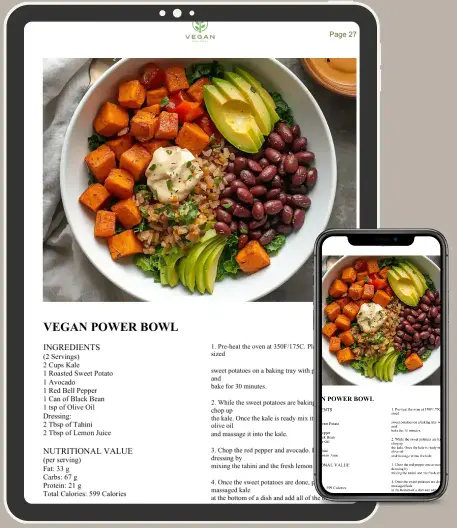
Complete 28-day calendarEvery breakfast, lunch, dinner & snack planned
-
40+ nutritionist-approved recipesVibrant photo for every single dish
-
Easy weekly grocery listsShop smart, spend less, waste nothing
-
Protein, iron & B12 at every mealNutritionally complete — no guesswork
-
Saves 7+ hours weeklyPrint it once, follow it all month
-
Bonus: Nutrition Guide ToolkitVegan tips, guides & family meal prep
The 6 Nutrients That Build Collagen on a Plant-Based Diet
These are the six non-negotiable nutritional inputs for collagen synthesis. Every vegan collagen foods strategy must deliver all six consistently. Deficiency in any one of them creates a bottleneck in the collagen production pathway regardless of how well the others are covered.
The most critical cofactor. Required by prolyl hydroxylase and lysyl hydroxylase enzymes that crosslink collagen’s triple helix. Without C, collagen fibres cannot form correctly: the biochemical basis of scurvy. Even subclinical C deficiency impairs collagen quality.
The most abundant amino acid in collagen, comprising one-third of all collagen amino acid sequences. Every third position in collagen’s triple helix is glycine. Plants are not rich in glycine, but tofu, tempeh, pumpkin seeds, and sesame provide meaningful amounts.
The second key structural amino acid in collagen, converted to hydroxyproline by vitamin C-dependent enzymes. Hydroxyproline stabilises the collagen triple helix. Legumes, cabbage, and asparagus are reasonable plant sources.
An essential amino acid (cannot be made by the body) needed to form hydroxylysine, which creates the cross-links that give collagen its tensile strength. Legumes are the primary plant lysine source. Low lysine is a genuine concern in grain-heavy vegan diets without legumes.
Cofactor for collagen-synthesising enzymes including matrix metalloproteinases that remodel collagen tissue. Zinc deficiency directly reduces collagen synthesis and slows wound healing. Phytates in plant foods reduce zinc absorption, making intake needs higher for vegans.
Required by lysyl oxidase, the enzyme that crosslinks collagen and elastin fibres in the extracellular matrix. Without copper, collagen loses structural integrity. Most vegans eating nuts, seeds, and legumes get adequate copper, but it is rarely tracked.
Lysine is the nutrient most worth monitoring in a vegan collagen foods strategy. It is an essential amino acid, meaning the body cannot synthesise it, and plant diets that centre on grains without adequate legume intake can fall short. Research discussed on PubMed confirms that lysine adequacy is directly associated with collagen synthesis capacity. One cup of cooked lentils provides approximately 1,200mg of lysine, covering a significant portion of daily needs. Eating legumes at least once daily is the single most important lysine strategy on a plant-based diet. The vegan protein sources guide on this site covers complete amino acid provision from plant foods in full.
Top Vegan Collagen Foods Ranked
This ranking assesses plant foods by their combined contribution across all six collagen-building nutrients. A food that provides high vitamin C but no glycine, proline, or lysine ranks lower than one that contributes across multiple collagen synthesis pathways simultaneously. The goal is collagen-building nutrition density, not single-nutrient supremacy.
Red bell peppers rank first because they deliver the highest vitamin C per calorie of any common food (approximately 190mg per 100g, over twice the adult RDA), while also providing proline and a range of antioxidant carotenoids that protect existing collagen from free radical degradation. One medium red pepper eaten daily with a legume-based meal covers the vitamin C requirement for collagen synthesis completely.
Tofu ranks exceptionally high because it provides glycine, proline, lysine, and zinc in a single food. Firm tofu from soybeans is one of the most complete single vegan collagen foods available, covering four of the six key nutrients in meaningful quantities. Combined with a vitamin C source at the same meal, a tofu stir-fry with red peppers and broccoli is arguably the single highest collagen-building meal combination in plant-based cooking.
Oats appear lower on the chart but deserve specific mention for silica. Silica (orthosilicic acid) is emerging in research as an important cofactor in collagen synthesis, with evidence suggesting it stimulates collagen production via the same prolyl hydroxylase pathway as vitamin C. Leeks, cucumber with skin, and oats are the best plant silica sources. Silica is one of several overlooked plant nutrients worth tracking in a structured plant-based diet.
Ultimate 28-Day Vegan Meal Plan
+ Complete Grocery List & Toolkit
Built by a professional chef with 10+ years in MENA & Mediterranean kitchens
- 36 chef-tested vegan recipes — full-colour photo for every single one
- Complete 28-day meal calendar — every breakfast, lunch, dinner & snack planned
- 4 weekly grocery lists — organised by supermarket section, nothing specialty
- Getting started guides — nutrition, vegan swaps, protein facts, foods list
- Pantry & nutrition hub — Middle Eastern ingredients, whole grains, substitutions
- Budget-friendly tips — eat well, spend less every week
- BONUS: Vegan Nutrition Toolkit — protein cheat sheet, dining out guide, meal prep tips, label reading & quick reference sheets
The Collagen Synthesis Pathway: How the Body Actually Builds It
Understanding the collagen synthesis pathway helps identify which nutrients are rate-limiting and why deficiency in any single step can block production even when other inputs are adequate. The pathway has five main stages, each dependent on specific nutritional inputs from vegan collagen foods.
Stage 2 is the most common bottleneck in plant-based diets. Vitamin C is used as a cofactor and consumed in the process of hydroxylation. This means vitamin C needs are ongoing and cannot be stored in advance. The body holds approximately 1,500mg of total vitamin C, with a half-life of about 10 to 20 days. At active collagen synthesis rates, this reserve is drawn on continuously. Consistent daily vitamin C from vegan collagen foods is more effective than occasional high-dose consumption.
The Vitamin C Timing Strategy
Vitamin C is water-soluble and absorbed in the small intestine over 4 to 6 hours. Blood levels peak roughly 2 hours after intake and decline within 6 to 8 hours. For consistent prolyl hydroxylase activity throughout the day, spreading vitamin C-rich vegan collagen foods across morning, midday, and evening meals is more effective than eating them all at once. Half a kiwi with breakfast, bell pepper in a lunch salad, and broccoli at dinner distributes vitamin C across the day’s collagen synthesis windows.
What Destroys Collagen: The Dietary Threats to Address
A vegan collagen foods strategy is incomplete without addressing the inputs that degrade existing collagen and suppress new synthesis. Several dietary factors common even in vegan diets accelerate collagen breakdown.
Top Collagen Destroyers in Any Diet
- High sugar and refined carbohydrates: Advanced glycation end-products (AGEs) form when glucose cross-links with collagen proteins, stiffening and degrading them. High blood glucose is one of the most potent accelerants of collagen ageing. Ultra-processed vegan products with refined sugars contribute directly to AGE formation.
- UV radiation without antioxidant protection: UV generates reactive oxygen species that break down collagen in the dermis. Dietary antioxidants from plant foods (carotenoids, polyphenols, vitamin C, vitamin E) quench these ROS before they damage collagen. A whole-food plant-based diet is one of the strongest dietary shields against UV-driven collagen degradation.
- Chronic high cortisol (stress): Cortisol inhibits collagen synthesis by suppressing fibroblast activity. Dietary strategies that support adrenal function and reduce systemic inflammation help maintain collagen production during periods of chronic stress.
- Smoking and alcohol: Both directly degrade collagen through oxidative and enzymatic mechanisms. Smoking is the most potent preventable accelerant of facial collagen loss.
- Very low protein intake: Collagen is a protein. Insufficient total protein intake creates a substrate deficit for collagen synthesis. Ensure at least 1.0 to 1.2g protein per kilogram of body weight daily from diverse plant sources.
The sugar-collagen connection is the most actionable dietary threat for most people. AGE accumulation is dose-dependent and cumulative. Reducing refined sugar intake from processed vegan products while increasing polyphenol-rich plant foods that inhibit AGE formation (blueberries, pomegranate, green tea, rosemary) is one of the most evidence-backed dietary strategies for collagen preservation. This overlaps directly with the skin nutrition approach in the vegan glowing skin guide.
Vegan Collagen Supplements: What the Evidence Says
The vegan supplement market now includes several “vegan collagen booster” products. Understanding what these actually contain, and whether they work, is important for making informed purchasing decisions.
Types of Vegan Collagen Supplements
Vegan collagen boosters: These are not collagen. They are blends of the six collagen-synthesis nutrients (vitamin C, amino acids, zinc, copper) plus often silica and additional antioxidants. They work to the same extent that the foods providing these nutrients work, which is meaningful. The evidence supports the individual ingredients. Whether the combination in a proprietary supplement outperforms eating the same nutrients from whole food vegan collagen foods is not established.
Marine collagen (not vegan): Fish-derived collagen peptides. Not relevant for vegans and not appropriate within a vegan framework. Referenced here only to clarify that these are not what is meant by vegan collagen supplements.
Fermentation-derived collagen (emerging): Biotech companies are developing yeast and bacterial fermentation processes to produce collagen protein identical to human collagen without animal inputs. This technology exists but is not yet widely commercialised in consumer supplements. It represents the most genuinely “vegan collagen” approach but is currently limited in availability and evidence.
The most reliable supplement strategy for supporting vegan collagen production remains targeted nutrition: a high-quality vitamin C supplement if dietary intake is insufficient, a zinc supplement if plant-based intake plus phytate inhibition creates a shortfall, and silica supplementation (orthosilicic acid form) if food sources are not regular. Evidence summaries for these individual nutrients are available through Examine.com.
28-Day Vegan Meal Plan
+ Grocery List
Complete Solution · Nutritionist-Approved · Print & Use Today
Read on any device · No apps needed
7-Step Vegan Collagen-Boosting Protocol
Eat a vitamin C-rich food at every meal. This is the single highest-impact habit in a vegan collagen foods strategy. Vitamin C is rate-limiting and consumed in the collagen synthesis process. Half a red bell pepper at lunch, kiwi at breakfast, and broccoli at dinner distributes cofactor availability across the day’s production windows. Target 200 to 300mg daily from food, well above the 65 to 90mg RDA, to ensure surplus for active collagen synthesis.
Include legumes at least once daily for lysine and glycine. Lysine is the essential amino acid most at risk in grain-heavy plant-based diets. Lentils, black beans, chickpeas, edamame, tofu, and tempeh are all rich lysine sources. One cup of cooked lentils or a 150g serving of tofu covers a substantial portion of daily lysine needs for collagen synthesis. This also connects to overall protein adequacy covered in the vegan protein guide.
Eat a daily handful of mixed seeds for zinc and copper. Pumpkin seeds (zinc), sunflower seeds (copper and proline), and sesame seeds (copper via tahini) cover both mineral cofactors in a practical daily format. Soak seeds for 8 hours before eating to reduce phytate content and improve zinc absorption. Two tablespoons of pumpkin seeds provides approximately 2.5mg of zinc, roughly 25 to 30% of the vegan-adjusted daily target.
Use tofu or tempeh as your primary protein source 4 to 5 days per week. No other single plant food delivers glycine, proline, lysine, and zinc together the way soy-based foods do. A tofu stir-fry with red peppers and broccoli covers four of the six collagen nutrients in one dish. Tempeh provides the same amino acid profile with the added benefit of fermentation for gut health.
Reduce refined sugar and ultra-processed vegan products. Advanced glycation end-products (AGEs) from high sugar intake directly degrade collagen. Replacing refined sugar sources with whole fruit, using dates or bananas as natural sweeteners in cooking, and reducing reliance on processed vegan snacks and desserts protects existing collagen as effectively as consuming new collagen precursors builds it. Protecting what you have matters as much as building more.
Include oats, leeks, and cucumber with skin for silica. Silica stimulates collagen synthesis via the same prolyl hydroxylase pathway as vitamin C. These three foods are the most practical daily silica sources. A daily bowl of oat porridge, leek in soups and stews, and cucumber with skin in salads provides consistent dietary silica without supplementation.
Load your diet with polyphenol-rich foods to protect collagen from oxidative degradation. Blueberries, green tea, pomegranate, dark cocoa, and rosemary all contain polyphenols with documented anti-glycation and collagen-protective mechanisms. These foods work at stage 5 of the collagen pathway and beyond, protecting the collagen matrix already built. Combine with vitamin E from seeds and olive oil for synergistic antioxidant coverage. The vegan vitamin C guide and the vegan vitamin E guide cover the antioxidant nutrition picture in detail.
Chef’s Perspective: MENA Traditions and Collagen Nutrition
In over twenty years cooking professionally across Lebanon, the Gulf, and Saudi Arabia, I worked with ingredient combinations that now read as textbook vegan collagen foods strategies, designed by culinary tradition rather than nutritional science. The MENA kitchen unknowingly assembles collagen-building nutrients with remarkable consistency.
Consider the classic Lebanese mezze plate: hummus (chickpeas providing lysine and proline), a side of ful medames (fava beans, more lysine), fresh lemon juice over everything (vitamin C), tahini drizzled across multiple dishes (copper and proline from sesame), and raw cucumber and tomato salad with parsley on the side (vitamin C, silica from cucumber skin). Every major collagen-synthesis nutrient appears on this table. No supplement required.
The MENA tradition of using lemon generously across savoury dishes is particularly noteworthy. In Lebanese cooking, lemon is not a garnish. It is a fundamental seasoning applied to salads, hummus, lentil soups, grilled vegetables, and cooked legumes. This instinct to acidify and brighten food with citrus creates consistent vitamin C exposure across every meal of the day. The prolyl hydroxylase enzymes responsible for collagen formation would approve.
When designing collagen-focused vegan meals in my kitchen today, I think about the combination of vitamin C with protein as the non-negotiable foundation. A lentil soup finished with fresh lemon juice. A chickpea stew with diced red pepper stirred in at the end. Tofu marinated in citrus and spices before cooking. These are MENA-inspired approaches that simultaneously deliver lysine, glycine, vitamin C, zinc, and copper in practically prepared, genuinely delicious food.
Frequently Asked Questions About Vegan Collagen Foods
Can vegans produce collagen without eating animal products?
Yes. The human body synthesises its own collagen from amino acid building blocks and enzyme cofactors. No dietary source provides collagen that is absorbed and used directly. Whether the building blocks come from animal or plant foods is irrelevant to the synthesis process: the enzymes and cellular machinery operate identically. Vegans who consistently consume the six key nutrients (vitamin C, glycine, proline, lysine, zinc, copper) from plant sources can support collagen synthesis as effectively as omnivores.
What is the best vegan collagen food for skin?
Red bell peppers are the single best vegan collagen food for skin, providing exceptional vitamin C (the most critical cofactor for collagen crosslinking) alongside carotenoid antioxidants that protect existing skin collagen from UV and free radical degradation. Combined with tofu or lentils for amino acid provision, red peppers form the foundation of an effective dietary skin collagen strategy. For comprehensive skin nutrition, combine with vitamin E from seeds and polyphenols from berries.
Do vegan collagen supplements actually work?
Products labelled as “vegan collagen supplements” are not collagen themselves. They are combinations of collagen synthesis nutrients: vitamin C, amino acids, zinc, copper, and sometimes silica. These ingredients do support collagen production when dietary intake is insufficient. Whether a proprietary supplement blend outperforms simply eating the same nutrients from well-chosen whole vegan collagen foods is not established by current evidence. For most people, the food-based strategy is equally effective and far more nutritionally comprehensive.
Is tofu a good vegan collagen food?
Tofu is one of the best single vegan collagen foods available. It provides glycine (the most abundant amino acid in collagen), proline, lysine (the essential amino acid most critical for collagen crosslinks), and zinc (a mineral cofactor). Four of the six key collagen synthesis nutrients in one food is exceptional for a plant source. Firm tofu has the highest protein and amino acid density. Combine it with a vitamin C source at the same meal, a squeeze of lemon or a side of bell peppers, to activate the hydroxylation enzymes that assemble these amino acids into functional collagen structures.
How much vitamin C do I need daily for collagen production?
The official adult RDA for vitamin C is 65 to 90mg per day, set at levels to prevent deficiency. For active collagen synthesis support, many researchers suggest intakes of 200 to 500mg daily from food, given that vitamin C is consumed as a cofactor in the hydroxylation process. This level is easily achieved from vegan collagen foods: one kiwi (92mg), half a red bell pepper (95mg), and a serving of broccoli (89mg) already exceeds 250mg combined. Spreading this intake across three meals is more effective for sustained collagen synthesis than consuming it all at once.
Does sugar really damage collagen?
Yes. When excess glucose in the bloodstream cross-links with collagen proteins through a process called glycation, it forms advanced glycation end-products (AGEs). AGE-modified collagen is stiffer, less functional, and more resistant to normal remodelling. This is part of why diabetic skin ages faster and heals more slowly: chronically elevated blood glucose saturates collagen with AGEs. For vegans, this means that a plant-based diet heavy in refined sugars, white flour products, and sweet processed vegan foods can undermine collagen health despite adequate intake of collagen-building nutrients.
Is lysine hard to get on a vegan diet?
Lysine is the amino acid most likely to be limiting in plant-based diets, particularly those centred on grains. Grains are naturally low in lysine. Legumes are high in lysine but low in methionine. A diet combining both covers the full essential amino acid spectrum. The practical solution is simple: eat legumes daily. One cup of cooked lentils provides approximately 1,200mg lysine. A 150g serving of tofu provides approximately 1,100mg. These amounts meaningfully address daily lysine needs for collagen synthesis alongside general protein requirements.
What is silica and does it help with vegan collagen production?
Silica, specifically orthosilicic acid (the bioavailable form in food), is an emerging collagen cofactor with growing research support. It appears to stimulate collagen-synthesising fibroblast cells and support the activity of prolyl hydroxylase, the same vitamin C-dependent enzyme that converts proline to hydroxyproline. Studies show associations between dietary silica intake and improved skin elasticity and collagen density. Plant sources include oats, leeks, cucumber (with skin), green beans, and horsetail herb. It is not officially classed as an essential nutrient but the evidence for its collagen-supporting role is increasingly compelling.
Can collagen loss from ageing be slowed by diet?
Yes, to a meaningful degree. Collagen production declines approximately 1% per year from around age 25 and accelerates after menopause in women. Dietary factors that slow this decline include consistent vitamin C intake for ongoing prolyl hydroxylase activity, polyphenol-rich foods that inhibit AGE formation and protect collagen from oxidative degradation, adequate total protein intake to provide synthesis substrates, and avoiding high sugar, smoking, and excessive UV exposure. A well-structured vegan diet built on whole plant foods is well-positioned to support collagen preservation across the lifespan.
Is bone broth better than vegan collagen foods for collagen production?
Bone broth provides collagen peptides and specific amino acids, particularly glycine and proline. However, because collagen is digested into individual amino acids before absorption, the collagen in bone broth does not arrive at your skin intact. What arrives are the same amino acids available from plant foods, plus a peptide signalling effect that may upregulate collagen synthesis. The same signalling can be achieved through adequate amino acid provision from vegan collagen foods. The practical advantage of a whole-food plant-based approach is the simultaneous delivery of antioxidants, polyphenols, and fibre that protect existing collagen and reduce the oxidative burden on the skin, benefits bone broth does not provide.
Does zinc deficiency affect collagen production?
Yes, significantly. Zinc is a cofactor for matrix metalloproteinases, the enzymes responsible for collagen remodelling, removal of damaged fibres, and tissue regeneration. Zinc deficiency slows wound healing, reduces skin integrity, and impairs the collagen turnover that keeps skin resilient. Vegans face higher zinc requirements due to phytate binding in plant foods reducing absorption by 25 to 30%. Soaking legumes and seeds, using sprouted options where available, and ensuring diverse zinc-rich plant food intake from pumpkin seeds, hemp seeds, lentils, and cashews addresses this. The vegan zinc guide on this site covers zinc absorption strategies in full.
Are there specific vegan collagen foods for joints as well as skin?
The collagen-building nutrients needed for skin are the same ones needed for joint cartilage, tendons, and ligaments, as these tissues are all primarily collagen-based. Type II collagen, found predominantly in cartilage, has the same amino acid and cofactor requirements as skin Type I collagen. Foods that support skin collagen production (legumes, bell peppers, tofu, pumpkin seeds) equally support joint collagen synthesis. Additionally, anti-inflammatory omega-3 from flaxseed and algae supplementation, and the anti-inflammatory compounds in turmeric and ginger, help reduce the inflammatory breakdown of collagen in joint tissue. The vegan omega-3 guide covers this connection in full.

28-Day Vegan Meal Plan
+ Grocery List
Complete Solution · Nutritionist-Approved · Print & Use Today
Read on any device · No apps needed
Conclusion: Building a Complete Vegan Collagen Foods Strategy
The vegan collagen foods picture is genuinely positive once the underlying biology is understood. You do not need to eat animal products to support collagen synthesis. You need to eat the six key nutrients that your own enzymes use to build collagen: vitamin C at every meal, lysine-rich legumes daily, glycine and proline from tofu and seeds, zinc from pumpkin and hemp seeds, and copper from cashews and sesame. Plants deliver all six. The synthesis machinery is in your cells. The building blocks are in your food.
The collagen-protective dimension is equally important. Reducing dietary sugar and refined carbohydrates, loading the diet with polyphenol-rich plant foods that inhibit AGE formation, and ensuring adequate vitamin E and C as antioxidant protection for the collagen matrix already built: these habits preserve what collagen synthesis has produced.
A whole-food plant-based diet structured around the foods in this guide provides a more comprehensive collagen nutrition environment than any supplement, because it simultaneously delivers precursors, cofactors, and protectors in one integrated food strategy. For the full nutritional context, explore the vitamin C guide, the zinc guide, and the vegan anti-ageing guide on this site. Supporting research is available via PubMed, Examine.com, and VeganHealth.org. Vegan collagen foods are not a compromise. They are the foundation.