Medical Disclaimer: This article is for informational and educational purposes only. It is not medical advice and does not replace the guidance of a qualified healthcare provider. ADHD is a complex neurological condition that often requires professional diagnosis and management. Dietary changes may support wellbeing but should not replace prescribed treatment without medical supervision.
A vegan diet for ADHD is one of the most under-researched and under-discussed topics in plant-based nutrition. ADHD affects an estimated 5 to 8 percent of children and 3 to 5 percent of adults globally. Searches for dietary ADHD interventions are growing rapidly as more people explore how nutrition connects to attention, impulse control, and executive function.
The vegan diet for ADHD approach is not about replacing medical treatment. It is about addressing the nutritional deficiencies that are consistently found in people with ADHD and that may amplify symptoms when left uncorrected. The four nutrients most strongly linked to ADHD symptom severity are iron, zinc, omega-3 fatty acids, and magnesium. All four are available from plant sources. None are reliably abundant in a poorly planned vegan diet.
This guide gives you the evidence on how plant foods support brain chemistry, which specific foods deliver the most benefit for ADHD brains, what dietary patterns make symptoms worse, and a complete protocol to build a vegan diet for ADHD that works consistently.
The Nutritional Drivers of ADHD
ADHD is a neurological condition rooted in differences in dopamine and norepinephrine signalling in the prefrontal cortex. What most people do not know is that several nutritional deficiencies directly impair these exact signalling pathways. This is not speculative. The research connecting iron, zinc, omega-3 fatty acids, and magnesium to ADHD symptom severity is among the most replicated in nutritional psychiatry.
Iron and ADHD
Iron is required for the synthesis of dopamine, the neurotransmitter most directly implicated in ADHD. Iron deficiency impairs the enzyme tyrosine hydroxylase, which is the rate-limiting step in dopamine production. Lower ferritin levels correlate with greater ADHD severity across multiple studies, and iron supplementation in iron-deficient children with ADHD has produced significant reductions in symptom scores.
A vegan diet for ADHD requires particular attention to iron absorption. Non-haem iron from plant foods is less bioavailable than haem iron from meat, but pairing iron-rich plant foods with vitamin C dramatically improves uptake. A vegan diet built around lentils, tofu, pumpkin seeds, and leafy greens alongside vitamin C sources is a practical strategy. The complete guide to vegan iron sources covers absorption in detail.
Zinc and ADHD
Zinc regulates dopamine transporter function and modulates the sensitivity of dopamine receptors in the prefrontal cortex. Research published in the Journal of Child Psychology and Psychiatry found that zinc supplementation significantly reduced impulsivity and social problems in children with ADHD. Plant-based zinc ADHD foods include hemp seeds, pumpkin seeds, lentils, chickpeas, and cashews. Phytates in legumes can reduce zinc absorption, so soaking and cooking legumes thoroughly helps.
Magnesium and ADHD
Vegan magnesium ADHD connection operates through multiple pathways. Magnesium is a cofactor in over 300 enzymatic reactions, including those involved in serotonin and dopamine synthesis. Magnesium deficiency is associated with increased irritability, reduced attention span, and sleep disruption, all of which amplify ADHD symptoms. A landmark study found that 72 percent of ADHD children had magnesium deficiency, and supplementation improved hyperactivity scores significantly. The good news for anyone following a vegan diet for ADHD is that plant-based eating is typically rich in magnesium when they include leafy greens, nuts, seeds, and whole grains.
Omega-3 Fatty Acids and ADHD
Vegan omega-3 ADHD evidence is among the strongest in nutritional psychiatry. DHA (docosahexaenoic acid) is a structural component of brain cell membranes and is critical for neurotransmitter receptor function. Multiple randomised controlled trials show that omega-3 supplementation reduces ADHD symptom severity, particularly inattention and emotional dysregulation. The challenge on a plant diet is conversion: ALA from flaxseeds and chia seeds converts to DHA at a low rate. Algae-based DHA supplements resolve this directly and are fully plant-based.

28-Day Vegan Meal Plan
+ Grocery List
Complete Solution · Nutritionist-Approved · Print & Use Today
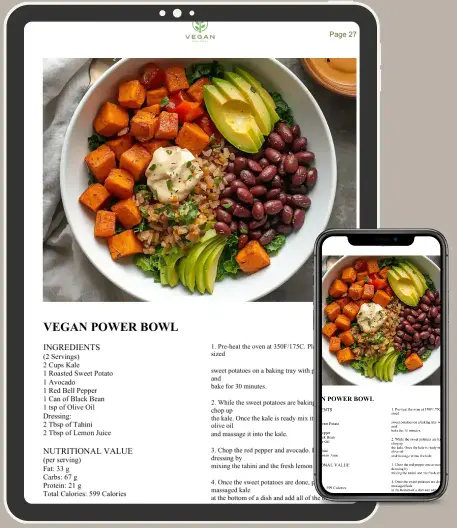
Read on any device · No apps needed
Plant-Based Dietary Strategies for ADHD Management
The strategic advantage of a vegan diet for ADHD goes beyond simply adding beneficial nutrients. It also removes the most problematic dietary inputs. Research from the Southampton study and subsequent replications confirmed that mixtures of artificial food colours and sodium benzoate significantly increase hyperactivity in children both with and without ADHD. These additives are found almost exclusively in processed and packaged foods, which are absent from a whole-food plant-based eating pattern.
Plant diet dopamine ADHD support operates through three channels simultaneously. First, iron, zinc, and B6 from plant foods provide the raw materials for dopamine synthesis. Second, complex carbohydrates from legumes and whole grains provide a steady glucose supply to the prefrontal cortex, which is metabolically demanding and highly sensitive to blood sugar fluctuations. Third, the gut microbiome, which is significantly more diverse on a plant-based diet, produces neurotransmitter precursors including 95 percent of the body’s serotonin.
The gut-brain ADHD connection is an area of rapidly emerging research. A 2019 study in Cell demonstrated bidirectional communication between gut microbiota and prefrontal cortex function. Higher fibre intake, fermented foods, and diverse plant foods support a microbiome composition associated with better mood regulation and reduced neuroinflammation, both of which are relevant to ADHD symptom management.
8 Best Plant Foods for ADHD Brain Nutrition
These eight plant foods are selected based on their nutrient density for the specific mechanisms involved in ADHD: dopamine synthesis, neurotransmitter receptor function, anti-inflammatory activity, and sustained energy delivery to the brain.
Foods That Worsen ADHD Symptoms
Artificial Food Colours and Preservatives
The Southampton study, replicated in multiple subsequent trials, confirmed that artificial food colours combined with the preservative sodium benzoate significantly increase hyperactivity in children. The mechanism involves disruption of dopamine and norepinephrine synthesis pathways. Vegan diets eliminate the major sources of these additives naturally, but processed vegan snacks, flavoured plant milks, and packaged foods may still contain them. Reading ingredient labels remains important.
Refined Sugar and High-Glycaemic Carbohydrates
The prefrontal cortex, which governs attention and executive function, is acutely sensitive to blood glucose instability. Rapid blood sugar spikes followed by crashes impair working memory, increase impulsivity, and reduce sustained attention. White bread, sugary cereals, refined pasta, and sweetened beverages create exactly this pattern. These are found in vegan diets as readily as in omnivorous ones, and their impact on the vegan diet hyperactivity connection is direct and well-documented.
High Omega-6 Processed Oils
Sunflower oil, corn oil, and soybean oil, which are common in processed foods and commercial cooking, are high in omega-6 fatty acids. When omega-6 intake is high relative to omega-3, the ratio promotes neuroinflammation. Neuroinflammation in the prefrontal cortex impairs the dopaminergic signalling that ADHD medication works to restore. On a plant-based ADHD diet, replacing refined seed oils with olive oil, walnut oil, and flaxseed oil addresses this imbalance.
Gluten and ADHD: What the Evidence Actually Shows
Gluten elimination for ADHD is widely discussed but narrowly evidenced. For individuals with coeliac disease or non-coeliac gluten sensitivity, gluten can directly impair cognitive function and increase neurological symptoms. For people without gluten sensitivity, the evidence for elimination is weak. Rather than removing gluten categorically, the more evidence-supported approach is to replace highly refined gluten-containing products (white bread, processed cereals) with whole grain alternatives.
The Dopamine-Nutrient Connection
How Plant Nutrients Support the Dopamine Pathway
Deficiency at any stage disrupts the entire chain. Iron, B6, zinc, and omega-3 are all required for full dopaminergic function.
Plant protein dopamine vegan strategy starts with tyrosine-rich legumes and soy products. Tofu, tempeh, lentils, and edamame are excellent sources of the tyrosine that the dopamine pathway needs. The conversion of tyrosine to dopamine requires iron as a cofactor for tyrosine hydroxylase, vitamin B6 for DOPA decarboxylase, and copper as an additional enzymatic support. All three are available from plant sources when the diet is adequately planned.
The final step in dopamine’s effectiveness is at the receptor level. Zinc regulates the sensitivity of dopamine receptors in the prefrontal cortex and striatum. When zinc is deficient, dopamine may be produced in adequate amounts but fail to signal effectively. This is one reason why zinc supplementation trials in ADHD show improvements in impulsivity and emotional regulation even when dopamine levels are not directly altered.
Omega-3 fatty acids, particularly DHA, affect dopamine function by maintaining the fluidity and structure of neuronal cell membranes. Rigid, low-DHA membranes impair receptor mobility and reduce the efficiency of neurotransmitter signalling. For anyone following a plant-based ADHD diet, addressing DHA specifically through algae-based supplements rather than relying solely on ALA conversion is the most reliable strategy. See the complete guide to vegan omega-3 sources for the full picture.
Top Vegan ADHD Foods Ranked by Brain-Nutrient Density
The ranking below scores each food across the four primary ADHD nutrient categories: iron, zinc, omega-3, and magnesium. A food scoring in three or four categories is considered a high-value ADHD food for the plant-based ADHD adult diet and for children’s nutrition.
ADHD Brain-Nutrient Score (out of 4 categories)
Building daily meals around the top-scoring foods gives the plant protein dopamine vegan pathway maximum nutritional support. Aim for at least two foods from the 3-4 score tier every day. Variety across the week ensures coverage of all four ADHD nutrient pathways simultaneously.
The 7-Step Vegan ADHD Nutrition Protocol
This vegan diet for ADHD protocol is built around the four primary nutritional mechanisms behind ADHD symptom management: dopamine synthesis support, anti-inflammatory dietary pattern, blood sugar stabilisation, and gut microbiome optimisation.
- Address iron first. Have a vegan iron panel checked (serum ferritin, not just haemoglobin) before anything else. If ferritin is below 30 ng/mL, work with a healthcare provider on targeted iron repletion. Build daily meals around lentils, tofu, tempeh, and pumpkin seeds. Always pair with vitamin C at the same meal. This single step has the most direct impact on dopamine synthesis capacity. See the full guide to vegan iron for pairing strategies.
- Add an algae-based DHA supplement. ALA from chia seeds and flaxseeds converts to DHA at approximately 0 to 9 percent efficiency. For ADHD brain support, supplement with 200 to 500 mg of algae-derived DHA daily. This is the most direct way to address the vegan omega-3 ADHD gap without relying on conversion. Choose a product tested for purity and contaminant-free sourcing.
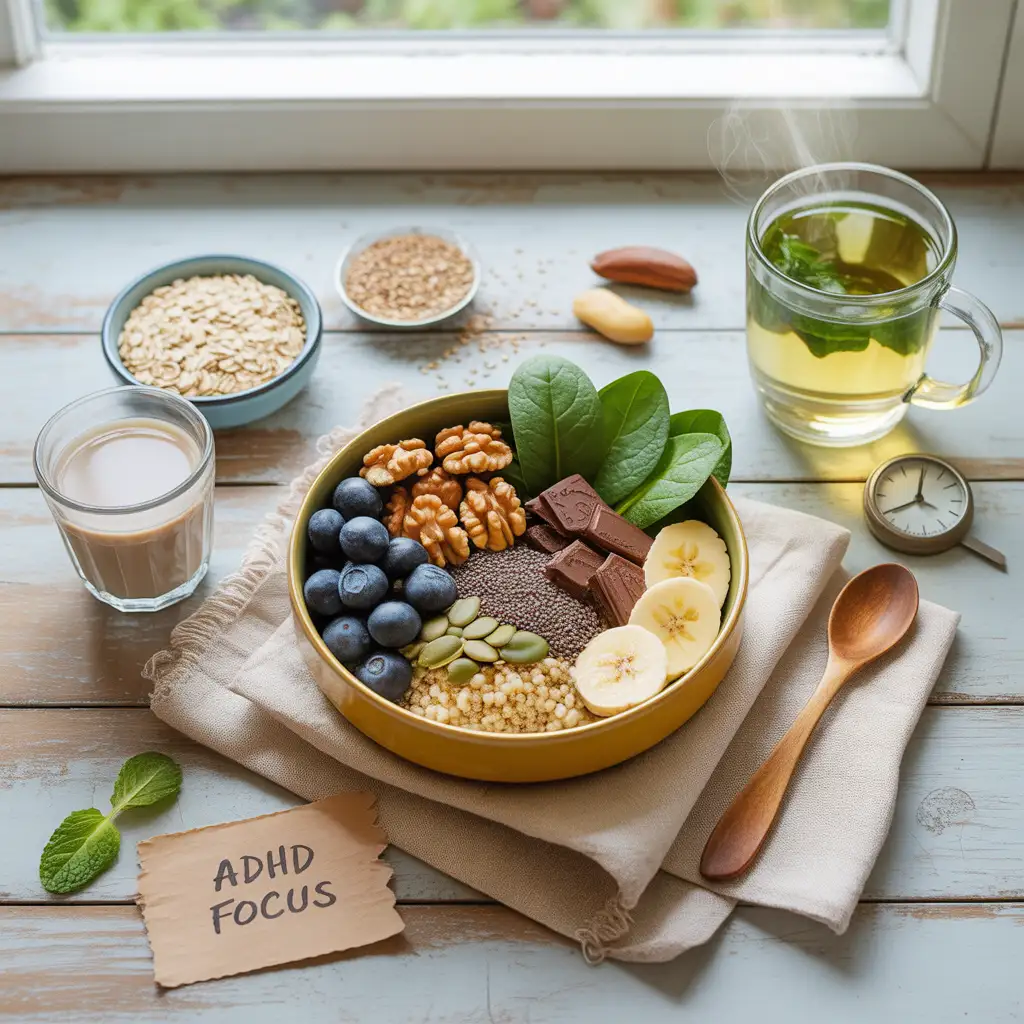
- Add pumpkin seeds and hemp seeds to breakfast daily. A combined 40g serving of pumpkin and hemp seeds on overnight oats, smoothie bowls, or porridge delivers zinc, magnesium, iron, and omega-3 in a single breakfast addition. This becomes automatic within one week and requires no recipe restructuring.
- Switch to whole grain carbohydrates exclusively. Replace white rice with brown rice, white bread with whole grain bread, and refined pasta with legume-based pasta. This eliminates the rapid blood glucose spikes that impair prefrontal cortex function in the hours following meals. The sustained energy delivery of complex carbohydrates supports the attention window needed for work, school, and daily tasks.
- Eliminate artificial colours, flavours, and preservatives. Check ingredient labels on all packaged foods, snacks, and drinks. Avoid E102, E104, E110, E122, E124, E129, and sodium benzoate (E211) specifically. These are the additives with the strongest evidence for worsening vegan ADHD symptoms. In practice, choosing whole foods over packaged foods eliminates most exposure automatically.
- Address the gut-brain connection. Include fermented plant foods daily, specifically sauerkraut, kimchi, miso, or plant-based kefir. Eat a minimum of 30 different plant foods per week to support microbiome diversity. A diverse gut microbiome produces neurotransmitter precursors, reduces neuroinflammation, and modulates the vagus nerve-brain axis. This is one of the most underused strategies available when following a vegan diet for ADHD.
- Time meals consistently. The prefrontal cortex is particularly sensitive to irregular eating patterns. Skipping meals or going more than four to five hours without food triggers cortisol elevation and blood glucose depletion, both of which worsen inattention and impulsivity. Build a consistent three-meal structure with one or two nutrient-dense snacks. Vegan ADHD nutrition functions best as a system, not a series of individual choices.
A Chef’s Perspective: MENA Brain-Nourishing Traditions
In over 20 years cooking professionally across the Middle East and Mediterranean, I have worked with ingredients that nutritional science is now confirming as exactly what the brain needs. Before the concept of brain food was a marketing category, MENA kitchens were building meals around the same compounds now studied in ADHD research.
The traditional Lebanese and Lebanese-inspired breakfast of labneh with za’atar, olive oil, and whole grain bread combines probiotic fermentation, omega-3 fatty acids from olive oil, magnesium from the sesame in za’atar, and slow-release carbohydrates in a single meal. Nobody called it a brain nutrition protocol. It was simply how food was prepared. The same is true of the Egyptian breakfast of ful medames, which delivers iron, zinc, and B vitamins from slow-cooked fava beans in a dish eaten daily across millions of households.
Saudi and Gulf cooking traditions use significant quantities of dates, which are one of the highest-magnesium fruits available. Cardamom, used extensively in Arabic coffee and rice dishes, has emerging evidence as a mild adaptogen that modulates cortisol. Saffron, used across Persian Gulf rice preparations, has been studied in multiple clinical trials as a neurologically active compound affecting dopamine and serotonin receptor sensitivity.
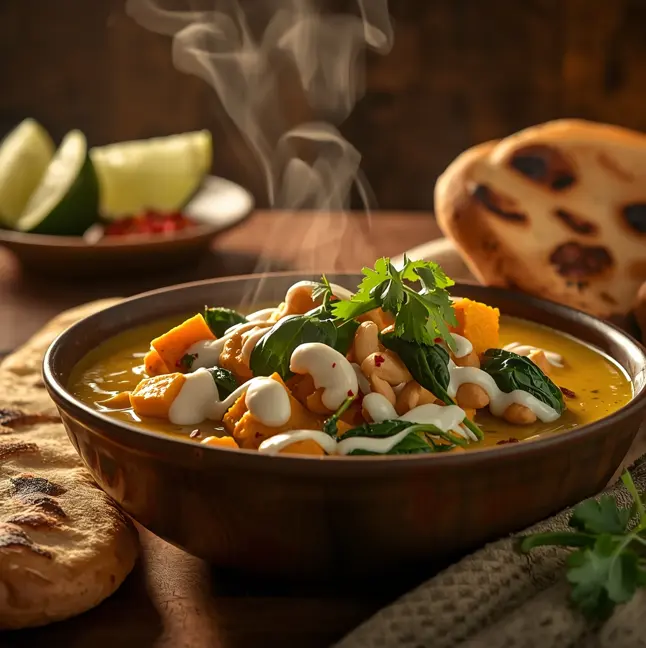
My kitchen recommendation for anyone following a vegan diet for ADHD: build your weekly cooking around the traditional Middle Eastern pantry. A pot of lentil soup, a batch of hummus, a daily handful of mixed seeds with olive oil, and fermented vegetables on the side covers more of the ADHD nutritional framework than most targeted supplement protocols. When food is built correctly, it does not require a supplement schedule. The Ultimate 28-Day Vegan Meal Plan + Grocery List (Complete Solution) is structured around exactly these principles: nutrient-dense, whole plant foods that deliver brain-supporting minerals, healthy fats, and stable energy at every meal.
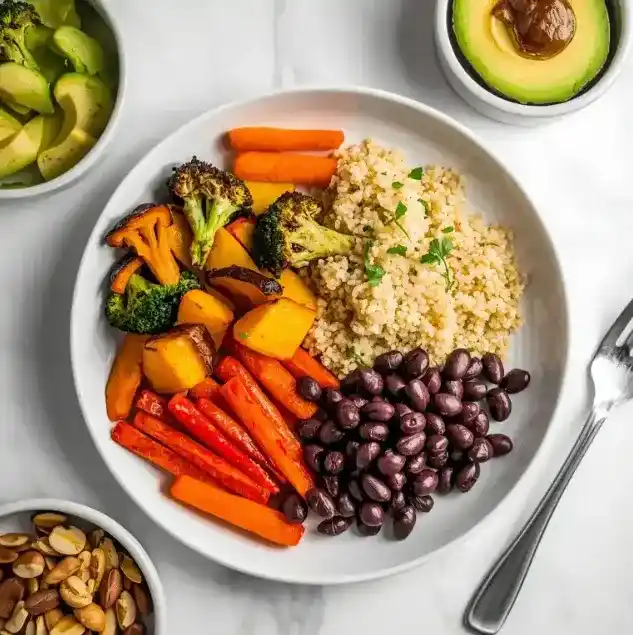
The Ultimate 28-Day Vegan Meal Plan + Grocery List
Everything you need to eat well for a full month — planned, photographed, and ready to print.
- Complete 28-day daily calendar
- 40+ nutritionist-approved recipes
- 4 weekly grocery lists
- Protein, iron & B12 at every meal
- Saves 7+ hours of planning per week
Frequently Asked Questions
Can a vegan diet for ADHD replace medication?
No. A vegan diet for ADHD is a complementary nutritional strategy, not a replacement for prescribed medical treatment. Nutrition addresses underlying deficiencies that may amplify symptoms, but ADHD involves neurological differences that dietary change alone cannot resolve. Always work with a healthcare provider before making any changes to prescribed ADHD treatment.
Which plant foods are highest in iron for ADHD?
The highest plant diet iron ADHD sources are cooked lentils (6.6mg per cup), cooked spinach (6.4mg per cup), tofu (3mg per 100g), pumpkin seeds (2.5mg per 28g), and tempeh (2.7mg per 100g). Always pair these with a vitamin C source such as bell pepper, tomato, or citrus at the same meal to maximise non-haem iron absorption.
Is a vegan diet for ADHD suitable for children?
Yes, with appropriate planning and professional guidance. Vegan diet ADHD children nutrition requires attention to iron, zinc, omega-3, calcium, vitamin D, and B12. Children have higher relative requirements than adults for many of these nutrients. An algae-based DHA supplement, B12 supplementation, and regular ferritin monitoring are particularly important. Work with a paediatric dietitian to ensure all needs are met.
Does sugar cause ADHD or worsen symptoms?
Sugar does not cause ADHD, but high sugar intake worsens ADHD symptoms by creating blood glucose instability that impairs prefrontal cortex function. The mechanism is not stimulant-like hyperactivity as commonly believed, but rather attentional disruption caused by post-sugar blood glucose crashes. Removing vegan sugar ADHD triggers such as sugary drinks, refined cereals, and sweetened snacks consistently improves focus and impulse control in practice.
What omega-3 supplement should a vegan with ADHD take?
Look for an algae-based DHA and EPA supplement, not a fish oil product. Algae is where fish originally obtain their omega-3, so algae-derived omega-3 is equally effective, fully plant-based, and free from the ocean contaminant concerns associated with fish oil. A dose of 200 to 500 mg DHA per day is the typical recommendation for vegan omega-3 ADHD support. EPA is also beneficial. Look for a product containing both.
How does the gut microbiome affect ADHD on a vegan diet?
Vegan gut brain ADHD connections operate through multiple pathways. The gut microbiome produces short-chain fatty acids that cross the blood-brain barrier and influence neuroinflammation. It also produces serotonin precursors and communicates directly with the brain via the vagus nerve. A plant-rich diet supports greater microbial diversity, which is associated with better mood regulation and reduced neuroinflammatory markers relevant to ADHD.
Does magnesium supplementation help ADHD?
Multiple studies support magnesium supplementation for ADHD, particularly for hyperactivity and sleep quality. The evidence is strongest in children with confirmed magnesium deficiency. A well-planned vegan diet is typically rich in magnesium, but if symptoms suggest deficiency (poor sleep, muscle cramps, irritability), a targeted supplement of 100 to 200 mg elemental magnesium per day is worth discussing with a healthcare provider. See the complete guide to vegan magnesium foods.
Are artificial sweeteners an issue for people with ADHD?
The evidence on artificial sweeteners and ADHD is less conclusive than for artificial colours. Some small studies suggest aspartame may affect brain function, but the research is inconsistent. The more important principle is to reduce all heavily processed sweet foods, as these are rarely whole-food and often contain a combination of additives that collectively affect the neurological environment. Choosing whole fruit as the primary sweetness source is the most practical approach.
How long does dietary change take to affect ADHD symptoms?
Removing artificial additives typically produces noticeable effects within two to four weeks. Correcting iron deficiency through diet alone takes three to six months to restore ferritin levels significantly. Omega-3 accumulation in brain tissue takes four to eight weeks of consistent supplementation. The vegan diet for ADHD without medication effects are most visible after a sustained three-month protocol, not a short-term elimination experiment.
What blood tests should a vegan with ADHD get?
The most relevant panel for a vegan with ADHD includes serum ferritin (not just haemoglobin), zinc, magnesium, vitamin D, B12, and omega-3 index if available. Ferritin specifically is essential because iron deficiency can be present with normal haemoglobin and anaemia absent. See the complete vegan blood test guide for the full recommended panel.
Is a vegan diet for ADHD also helpful for anxiety?
Yes. ADHD and anxiety are frequently comorbid, and the nutritional strategies that support dopamine regulation also support serotonin pathways involved in anxiety management. Magnesium, in particular, has strong evidence for both conditions. A vegan diet that addresses all four core ADHD nutrients while eliminating processed foods and stabilising blood sugar provides a dietary foundation that supports both ADHD and the anxiety that often accompanies it. The vegan diet and anxiety guide covers this overlap in detail.
Can a vegan diet help with ADHD executive function specifically?
Executive function, which includes planning, task initiation, working memory, and cognitive flexibility, is governed primarily by the prefrontal cortex. This region is directly affected by dopamine signalling quality, blood glucose stability, and neuroinflammation levels. A vegan diet for ADHD that addresses iron and zinc for dopamine support, omega-3 for membrane fluidity, and blood sugar stability through complex carbohydrates targets the exact physiological inputs that executive function depends on.
Building a Plant-Based ADHD Strategy That Works
A vegan diet for ADHD is one of the most evidence-aligned approaches available when built correctly. The four nutrients most linked to ADHD symptom severity, iron, zinc, omega-3, and magnesium, are all accessible from plant sources. The dietary pattern most associated with worsening ADHD, ultra-processed and additive-heavy food, is naturally reduced on a whole-food plant-based approach.
When following a vegan diet for ADHD, the key is moving from accidental vegan eating to intentional brain nutrition. Pumpkin seeds at breakfast, lentils at lunch, walnuts as a snack, and cooked spinach with dinner is not a restrictive plan. It is a nutrient delivery system for the prefrontal cortex built entirely from everyday plant foods. Paired with an algae-based DHA supplement and the elimination of artificial food dyes from packaged food, this framework addresses the nutritional drivers of ADHD as directly as any dietary intervention the research supports.
If you are ready to build every meal around this level of nutritional structure without spending hours planning each week, the Ultimate 28-Day Vegan Meal Plan + Grocery List (Complete Solution) removes all the guesswork. Every meal meets protein, iron, and B12 needs, with simple recipes built from common supermarket ingredients and four weekly grocery lists ready to use immediately. A structured plan is not optional when the goal is consistent brain nutrition. It is the system that makes the protocol work every day.
Supporting a vegan diet for ADHD does not require complexity. It requires the right foods, consistently eaten. The information in this guide gives you the foundation. The protocol gives you the structure. What matters now is applying both with the consistency the ADHD brain genuinely responds to.