
⚡ TL;DR: Vegan Gut Health at a Glance
- A diverse whole-food plant-based diet is the single most evidence-supported dietary strategy for improving gut microbiome diversity, increasing SCFA production, and reducing intestinal inflammation.
- The number of different plant species eaten per week is more predictive of gut microbiome health than any other single dietary variable. The research-supported target is 30 or more different plant foods per week.
- The gut microbiome is not a passive digestive organ. It produces neurotransmitters, regulates immune function, synthesises vitamins, controls appetite hormones, and communicates bidirectionally with the brain via the gut-brain axis.
- The four gut health mechanisms unique to plant-based eating are: prebiotic fibre fermentation, polyphenol microbiome feeding, resistant starch SCFA production, and the elimination of animal protein-derived secondary bile acids that damage the colon lining.
- Leaky gut syndrome (intestinal permeability) is driven by gut microbiome dysbiosis, chronic inflammation, and specific dietary triggers. A high-fibre plant-based diet directly addresses all three causes simultaneously.
- The vegan gut health advantage is not immediate. Full microbiome remodelling takes 4 to 8 weeks. Diversity improvements are measurable within 2 weeks. Sustained diversity requires sustained dietary variety, not a one-time change.
Vegan Gut Health: The Complete Guide to Healing Your Microbiome With Plants
The gut microbiome is the most metabolically active organ system in the human body that most people have never considered. It weighs approximately 1.5 kilograms, houses 38 trillion microbial cells, contains 100 times more genes than the entire human genome, and is in continuous, bidirectional biochemical communication with every major organ system including the brain, immune system, cardiovascular system, and endocrine system.
It is not a passive digestive tube. It is a living ecosystem that synthesises neurotransmitters, produces vitamins, trains the immune system, regulates appetite and body weight, controls the inflammatory tone of the entire body, and communicates with the brain through the vagus nerve in a signalling pathway researchers now call the gut-brain axis. The health of this ecosystem is arguably more predictive of long-term health outcomes than any other single biological variable currently measured in clinical medicine.
A well-structured whole-food plant-based diet is the most evidence-supported dietary strategy available for vegan gut health. Not because it excludes animal products, but because it characteristically delivers the three things the gut microbiome most requires: fibre diversity, polyphenol density, and fermentable carbohydrate complexity. This guide delivers the complete science, the best foods, and a practical 7-day framework for optimising gut health on a plant-based diet.
The Deep Science: How the Microbiome Works
🔬 The Gut Ecosystem: Architecture and Function
The gut microbiome is not a uniform population. It is a stratified ecosystem with dramatically different microbial communities across five anatomically and functionally distinct gut regions: the stomach (sparse, acidic), the small intestine (moderate density, primarily Lactobacillus), the ileocaecal junction (transitional), the colon (densest, most metabolically active), and the rectum. The colon is where the majority of microbiome activity relevant to nutrition and health occurs.
The colonic microbiome performs the following functions, all of which are directly relevant to dietary intervention:
- Short-chain fatty acid (SCFA) production: butyrate, propionate, and acetate are produced from fermentable dietary fibre. Butyrate is the primary fuel source for colonocytes (the cells lining the colon) and is essential for maintaining gut barrier integrity. Propionate travels to the liver where it inhibits hepatic glucose and cholesterol synthesis. Acetate enters the systemic circulation and serves as a fuel source for peripheral tissues.
- Neurotransmitter synthesis: gut microbiota produce approximately 95% of the body’s serotonin (via enterochromaffin cells stimulated by SCFAs and secondary bile acids), significant quantities of dopamine precursors, and GABA. The gut-brain axis transmits these signals bidirectionally via the vagus nerve.
- Immune system education: 70% of the immune system’s lymphocytes reside in gut-associated lymphoid tissue (GALT). The microbiome continuously trains these immune cells, determining the boundary between tolerance (of food antigens and commensal bacteria) and immune activation (against pathogens). Dysbiosis disrupts this education and is a root cause of autoimmune conditions.
- Vitamin synthesis: gut bacteria produce vitamin K2 (menaquinones), biotin, folate, and B12 (in small quantities in the colon, though this is absorbed too distally to contribute meaningfully to human B12 status).
- Secondary bile acid metabolism: gut bacteria convert primary bile acids produced in the liver to secondary bile acids including deoxycholic acid (DCA) and lithocholic acid (LCA). This has important health implications discussed in the leaky gut section below.
📊 The Keystone Species: Who Matters Most
Not all gut bacteria have equal functional importance. Several species have disproportionate effects on gut health outcomes and are directly modulated by dietary plant fibre:
🧬 The Gut-Brain Axis: Why Your Gut Runs Your Mind
The gut-brain axis is a bidirectional neural, endocrine, and immune communication network linking the enteric nervous system (the gut’s own neural network, containing 500 million neurons) with the central nervous system via the vagus nerve. The practical implications of this axis are enormous:
- Serotonin production: 95% of the body’s serotonin is synthesised by enterochromaffin cells in the gut wall, stimulated by SCFA production from microbiome activity. Low serotonin is associated with depression, anxiety, and poor sleep. A high-fibre plant-based diet that drives robust SCFA production therefore directly supports serotonin availability.
- BDNF modulation: butyrate crosses the blood-brain barrier and increases BDNF (brain-derived neurotrophic factor), the primary neuroplasticity and neuroprotection protein. Research in Nature Neuroscience found that gut microbiome manipulation directly modulates hippocampal BDNF levels in animal models, with implications for learning, memory, and depression risk.
- Cortisol regulation: gut dysbiosis increases intestinal permeability, allowing lipopolysaccharide (LPS) from gram-negative bacteria to enter circulation. LPS is a potent activator of the HPA axis, chronically elevating cortisol. Restoring gut barrier integrity through fibre and SCFA production reduces LPS translocation and secondarily reduces cortisol reactivity.
For the connection between gut health and mental wellbeing on a plant-based diet, our vegan diet and anxiety guide covers the gut-brain axis in the context of plant-based mental health in depth.
The Fibre Framework: Prebiotics, Resistant Starch, and Fermentable Carbs
🌿 Why Fibre Type Matters as Much as Fibre Quantity
Total fibre intake is the most commonly tracked gut health dietary variable, but it is a blunt instrument. Different fibre types feed different bacterial species through different fermentation pathways, producing different SCFA profiles and supporting different aspects of gut health. A diverse plant-based diet delivering multiple fibre types simultaneously is significantly more microbiome-supportive than an equivalent fibre dose from a single source.
Leaky Gut Explained: Causes, Mechanisms, and the Plant-Based Fix
🔓 What Intestinal Permeability Actually Is
The intestinal epithelium is a single layer of cells joined by tight junction proteins (primarily claudins, occludins, and zonulin-regulated junctions) that controls what passes from the gut lumen into the bloodstream. In a healthy gut, the tight junctions permit water, electrolytes, and digested nutrients to cross while blocking intact bacteria, bacterial fragments (including LPS), and undigested food proteins.
Intestinal hyperpermeability (colloquially called “leaky gut”) occurs when tight junction integrity is compromised, allowing these normally excluded molecules to enter systemic circulation. The consequences are systemic:
- LPS translocation: bacterial lipopolysaccharide from gram-negative gut bacteria enters the bloodstream and activates TLR4 receptors on immune cells throughout the body, triggering chronic systemic inflammation. This mechanism connects gut dysbiosis to cardiovascular disease, type 2 diabetes, obesity, and neuroinflammatory conditions.
- Food protein sensitisation: intact dietary proteins crossing the gut barrier trigger immune responses that in susceptible individuals develop into food intolerances or autoimmune reactions.
- Endotoxaemia: chronically elevated circulating LPS produces metabolic endotoxaemia, a condition associated with insulin resistance, adipose inflammation, and non-alcoholic fatty liver disease.
🌿 How a Plant-Based Diet Repairs Tight Junctions
The mechanisms through which a diverse plant-based diet repairs intestinal permeability are direct and well-documented:
- Butyrate upregulates tight junction protein expression. Butyrate produced by colonic SCFA fermentation directly increases the transcription of claudin-1, occludin, and ZO-1 tight junction proteins. Research in Journal of Nutritional Biochemistry found that butyrate supplementation restored tight junction integrity in cells damaged by LPS, with a magnitude of effect equivalent to pharmaceutical treatments. Maximising dietary resistant starch and fermentable fibre to drive butyrate production is the primary dietary strategy for leaky gut repair.
- Akkermansia muciniphila restores the mucus layer. The mucus layer covering the gut epithelium is the first physical barrier against pathogen contact with epithelial cells. A. muciniphila feeds on mucus glycoproteins but paradoxically increases mucus layer thickness by stimulating goblet cell mucin production. Its abundance is increased by polyphenol-rich plant foods including pomegranate, cranberry, blueberry, and green tea catechins.
- Polyphenols directly protect tight junctions. Quercetin (apples, onions, kale) directly binds to tight junction proteins and prevents their degradation by inflammatory cytokines. Resveratrol increases claudin-1 and occludin expression at the gene level. These mechanisms are independent of microbiome activity and provide additional epithelial protection.
- Elimination of secondary bile acids. Gut microbiota convert primary bile acids into secondary bile acids (DCA and LCA) that at high concentrations are directly cytotoxic to colonic epithelial cells, damage tight junctions, and promote the conditions under which colorectal cancer cells proliferate. Plant-based diets significantly reduce secondary bile acid production both by reducing the substrate (dietary fat that stimulates primary bile acid secretion) and by altering the microbial community that performs the conversion.
Ingredient Spotlights: The Top 5 Vegan Gut Health Foods
🧅 1. Jerusalem Artichokes: The Prebiotic Powerhouse
Jerusalem artichokes (also called sunchokes) contain the highest inulin concentration of any commonly available food, at 14 to 19g per 100g. Inulin is the most thoroughly researched prebiotic fibre with a 30-year clinical evidence base confirming selective Bifidobacterium proliferation, increased SCFA production, and improved gut barrier function.
- Bifidogenic effect: even small daily doses of inulin (3 to 4g) produce measurable increases in Bifidobacterium counts within 1 to 2 weeks. The effect is dose-dependent and reversible: Bifidobacterium counts fall when inulin consumption is discontinued, reinforcing the principle that gut health requires sustained dietary intervention rather than short-term protocols.
- Fructooligosaccharide (FOS) content: alongside inulin, Jerusalem artichokes provide significant FOS, which is fermented by different Bifidobacterium species than long-chain inulin, creating a complementary prebiotic profile from a single food.
- Potassium: 429mg per 100g, supporting the electrolyte needs that are important for intestinal smooth muscle function and regularity.
🍌 2. Resistant Starch from Cooked and Cooled Legumes
Cooked and cooled legumes are the most accessible and nutritionally complete source of resistant starch (RS3) in a plant-based diet. When legumes are cooked and then refrigerated for 12 to 24 hours, a significant proportion of the digestible starch retrogrades into a crystalline structure that resists digestion in the small intestine and passes intact to the colon for fermentation.
- RS3 formation: cooling cooked lentils overnight increases their resistant starch content by 30 to 50% compared to immediately consumed cooked lentils. Reheating to below 130°C preserves most of this retrograded starch, meaning batch-cooked and refrigerated legumes eaten over several days deliver higher resistant starch than freshly cooked equivalents.
- Butyrate yield: resistant starch from legumes is the most efficient dietary driver of butyrate production available in a plant-based diet, due to the specificity of Roseburia intestinalis and Ruminococcus bromii for RS3 fermentation. Butyrate is the primary colonocyte fuel and the key driver of tight junction maintenance.
- Dual protein and prebiotic function: legumes simultaneously deliver 15 to 18g protein per 200g cooked serving and 4 to 8g resistant starch, making them uniquely efficient in a plant-based gut health protocol: the same food addresses protein adequacy and microbiome feeding.
🍎 3. Apples: The Pectin and Polyphenol Gut Duo
Apples are the most studied single food for their combined prebiotic and probiotic effects on the gut microbiome. Their value comes from the synergistic action of pectin (soluble fibre) and polyphenols (quercetin, catechins) operating simultaneously.
- Pectin and Faecalibacterium prausnitzii: pectin is the preferred substrate of F. prausnitzii, the most abundant and anti-inflammatory butyrate-producing species in a healthy colon. F. prausnitzii is severely depleted in IBD and is being studied as a probiotic therapeutic. Daily apple consumption is one of the most evidence-supported dietary strategies for maintaining F. prausnitzii abundance.
- Quercetin and tight junction protection: quercetin at concentrations achievable from eating 2 apples daily has been shown to directly bind tight junction proteins and prevent their degradation by inflammatory cytokines, providing direct leaky gut repair independent of microbiome activity.
- The whole apple rule: apple juice, even fresh-pressed, delivers the sugar without the fibre or the polyphenol-fibre matrix that produces the gut health benefit. Whole apples, eaten with the skin on, are structurally distinct from apple juice in their gut health effects. The fibre matrix slows sugar absorption, feeds the microbiome, and protects the polyphenols from degradation during small intestinal transit.
🫛 4. Tempeh: The Fermented Prebiotic and Probiotic Dual Food
Tempeh occupies a unique position in vegan gut health nutrition because it simultaneously acts as a prebiotic (its fibre feeds existing gut bacteria), a probiotic source (in unpasteurised forms, it contains live Rhizopus mould cultures), and a protein source that is significantly more gut-friendly than unfermented legumes.
- Phytate reduction: the fermentation of soybeans to produce tempeh reduces phytate content by 50 to 70%, which improves mineral bioavailability but also reduces the anti-nutritional compounds that can irritate the gut lining in sensitive individuals. This makes tempeh significantly better tolerated than whole soybeans in people with digestive sensitivity.
- Prebiotic oligosaccharides: tempeh retains the raffinose and stachyose oligosaccharides from the original soybeans but in partly pre-fermented form, delivering substrates for gut microbiome fermentation with reduced gas production compared to unfermented beans.
- GABA production: Rhizopus oryzae, the primary fermentation mould in tempeh, produces gamma-aminobutyric acid (GABA) during the fermentation process. GABA in the gut communicates with the enteric nervous system and reduces intestinal hypersensitivity, relevant to IBS symptom management.
🍵 5. Green Tea: The Polyphenol Microbiome Shaper
Green tea catechins, particularly EGCG, have emerged as one of the most potent dietary compounds for reshaping the gut microbiome through polyphenol-microbiome cross-feeding. EGCG passes largely unabsorbed through the small intestine and reaches the colon intact, where it selectively modulates microbial populations.
- Akkermansia proliferation: multiple studies have confirmed that EGCG specifically increases Akkermansia muciniphila abundance in the gut, with implications for metabolic health, gut barrier integrity, and immune function. A 2021 study in Gut Microbes found that 8 weeks of green tea consumption significantly increased A. muciniphila in healthy adults alongside reductions in intestinal permeability markers.
- Dysbiosis correction: EGCG has antimicrobial activity against pathogenic bacterial species (Clostridioides difficile, Helicobacter pylori, and several Candida strains) while being growth-neutral or growth-promoting for beneficial commensals. This selective activity makes green tea an effective dysbiosis-correcting food without the non-selective disruption of antibiotic treatment.
- Prebiotic transformation: gut bacteria transform EGCG into metabolites including valerolactones and phenylacetic acids that are more bioavailable than the original EGCG and have documented anti-inflammatory and neuroprotective effects, demonstrating the bidirectional polyphenol-microbiome metabolic relationship.

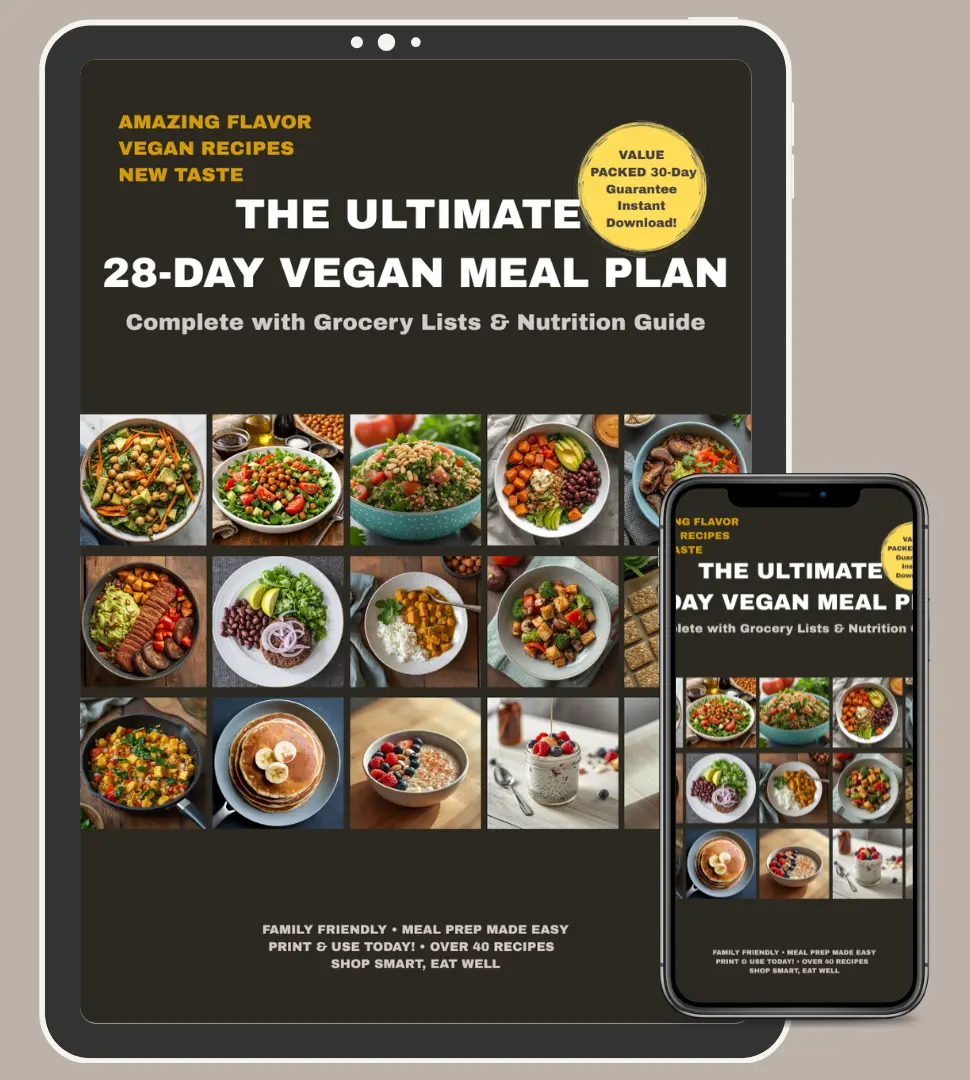
28-Day Vegan Meal Plan + Grocery list.
Transform your lifestyle with our comprehensive guide. This isn’t just a recipe book; it’s a complete system designed for success:
- The Vegan Guide: Essential transition tips and nutritional benefits.
- 40+ Chef Recipes: Breakfast, lunch, and dinner with high-quality photos.
- 4-Week Meal Plan: A fully structured day-by-day calendar.
- Grocery Lists: Categorized weekly lists to save you time and money.
- Photos: High-Quality Recipe Photos.
- Nutritions: Vegan Nutrition Guide Toolkit.
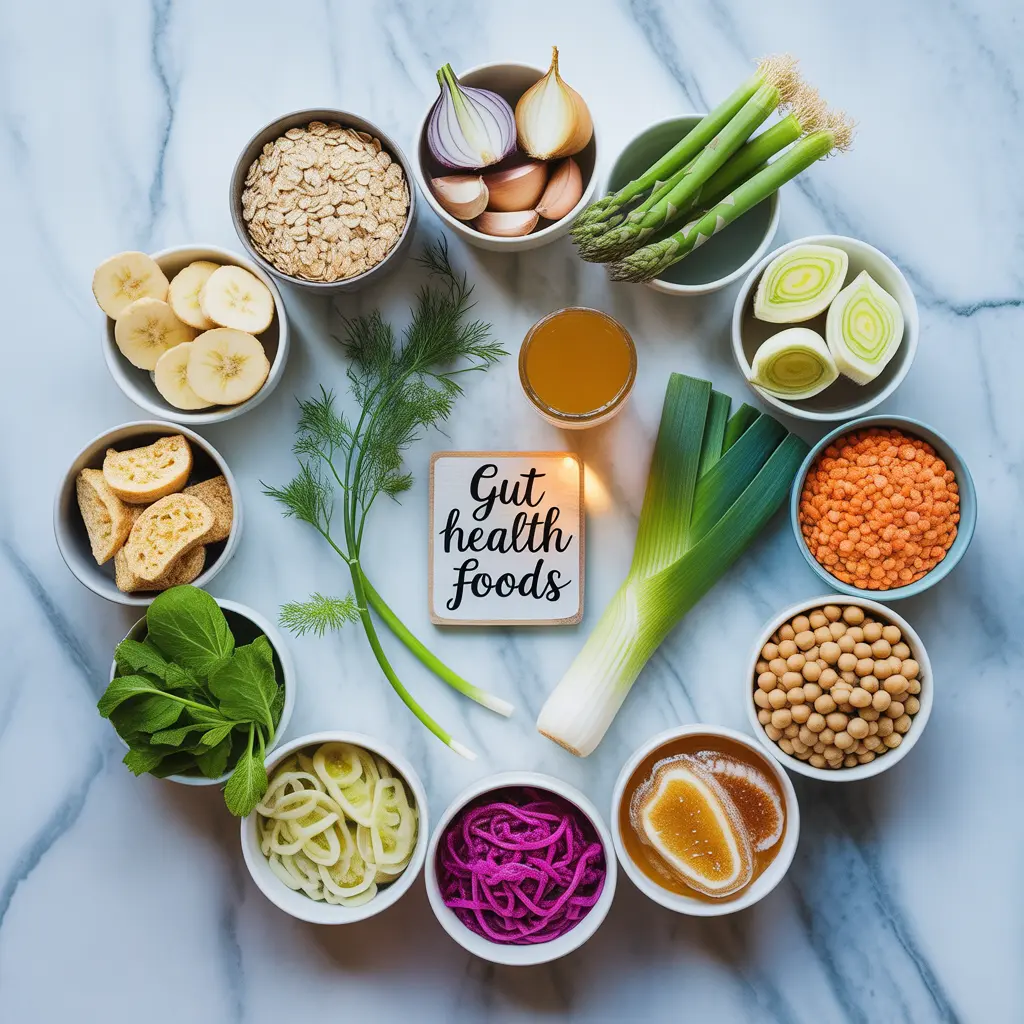
The 12 Best Plant Foods for Gut Health
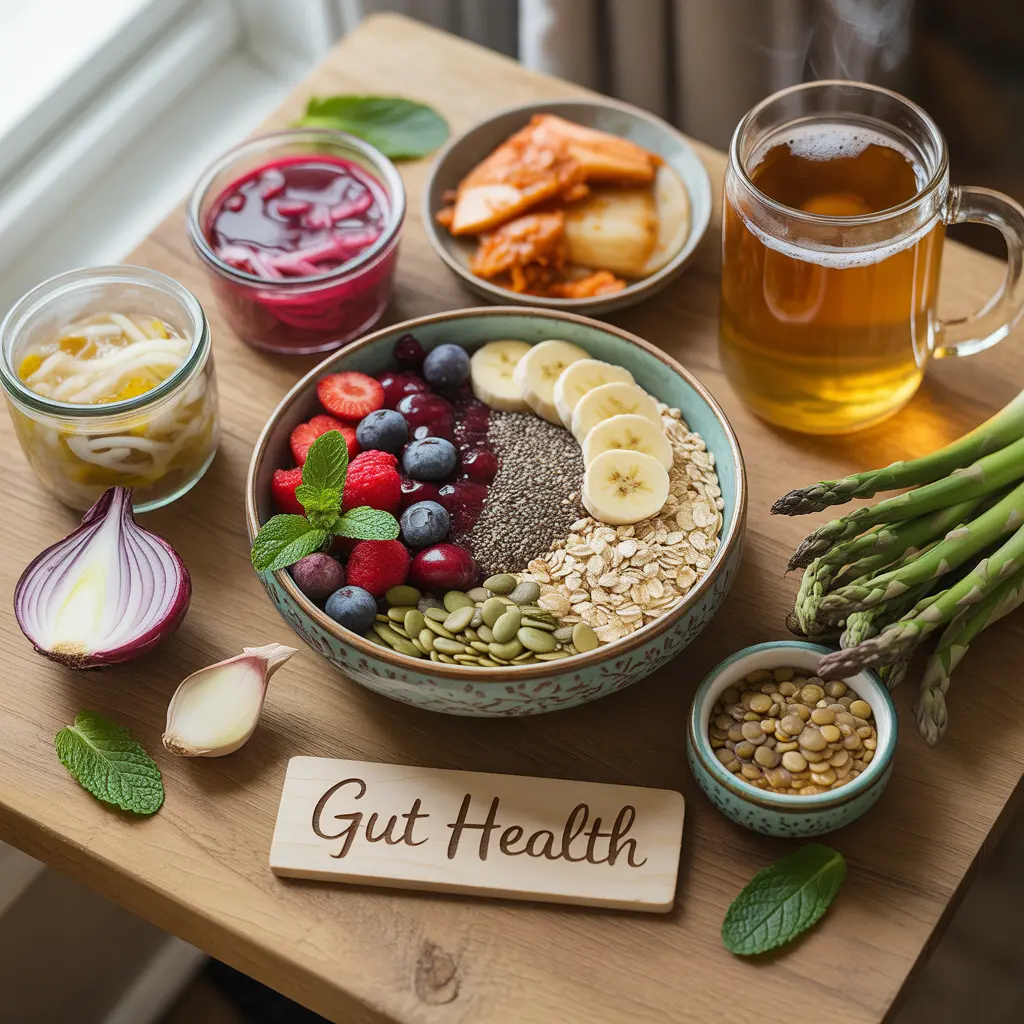
- Jerusalem artichokes: highest inulin prebiotic concentration of any food; the most direct Bifidobacterium stimulus available from diet
- Cooked and cooled legumes: resistant starch RS3; primary butyrate driver; dual protein and microbiome-feeding function
- Whole apples (with skin): pectin feeds F. prausnitzii; quercetin protects tight junctions; the whole-food matrix is essential
- Tempeh: fermented, phytate-reduced, prebiotic oligosaccharides, GABA production; the most gut-friendly legume protein
- Green tea: EGCG selectively increases Akkermansia; dysbiosis correction; polyphenol-microbiome cross-feeding
- Oats (whole rolled or steel-cut): beta-glucan feeds Roseburia and Bifidobacterium; arabinoxylan drives Roseburia intestinalis specifically
- Garlic and onions: FOS and inulin alongside allicin; antimicrobial against pathogens while supporting commensals
- Blueberries: anthocyanins feed Akkermansia; pectin feeds F. prausnitzii; polyphenol diversity supports microbiome richness
- Broccoli and cruciferous vegetables: glucosinolates feed specific microbiome species; sulforaphane reduces gut inflammation via Nrf2 activation
- Flaxseeds (ground): mucilage fibre supports A. muciniphila; lignans feed SCFA-producing bacteria; omega-3 reduces gut inflammation
- Chicory root and dandelion greens: inulin in chicory is the reference prebiotic compound; dandelion greens provide FOS alongside bitter compounds that stimulate digestive secretions
- Pomegranate seeds and juice: punicalagins are transformed by gut bacteria into urolithins with the most potent documented Akkermansia-proliferating effect of any polyphenol studied; also feeds F. prausnitzii

+ Grocery List
Fermented Plant Foods: The Probiotic Dimension
🫙 Why Fermented Foods Are Different From Probiotic Supplements
Probiotic supplements deliver a small number of well-characterised bacterial strains in high doses. Fermented plant foods deliver a more complex and less characterised community of microorganisms, along with the fermentation metabolites (organic acids, bacteriocins, and bioactive peptides) that profoundly affect gut environment in ways that isolated probiotic strains cannot replicate.
A landmark 2021 study published in Cell by Justin Sonnenburg’s lab at Stanford compared a high-fibre diet to a high-fermented-food diet in healthy adults over 17 weeks. The fermented food group showed significantly greater microbiome diversity increases than the high-fibre group, with 19 inflammatory proteins measurably reduced. This was a surprising finding that elevated fermented food consumption to an independent, evidence-based gut health intervention alongside dietary fibre diversity.
🥬 The Best Fermented Vegan Foods
- Sauerkraut (raw, unpasteurised): fermented cabbage containing Leuconostoc, Lactobacillus, and Pediococcus species. The lactic acid fermentation also produces significant vitamin C (cabbage vitamin C increases during fermentation as bacterial metabolites release bound forms). Must be unpasteurised to deliver live cultures. Look for “raw” and “live cultures” on the label.
- Kimchi (vegan versions): Korean fermented vegetables containing a more diverse microbial community than sauerkraut, due to the use of multiple vegetables and a more complex brine. Produces significant L. brevis and L. mesenteroides populations. Vegan kimchi omits fish sauce; seek products labelled vegan or make at home.
- Miso: fermented soybean paste produced by Aspergillus oryzae. Unlike most fermented foods, the beneficial effect of miso on gut health comes primarily from its prebiotic oligosaccharides and postbiotic compounds rather than from live cultures, as the miso is typically heat-treated during production. Miso soup still delivers gut benefit; add miso paste after removing from heat to preserve residual enzyme activity.
- Tempeh: as discussed in the spotlight above. Unique in combining protein density with fermentation benefits.
- Water kefir: a fermented beverage made with water kefir grains (a symbiotic culture of bacteria and yeasts) and water with sugar or fruit juice. Produces a diverse community of Lactobacillus, Leuconostoc, and Saccharomyces species. A fully vegan fermented beverage equivalent to dairy kefir in microbial diversity.
- Kombucha: fermented tea produced by a SCOBY (symbiotic culture of bacteria and yeasts). Contains organic acids, B vitamins, and live cultures. The probiotic benefit is debated in the literature, but the organic acid content supports gut acidic environment maintenance.
7-Day Vegan Gut Health Meal Plan
This plan is designed to deliver: a minimum of 30 different plant species across the week, daily prebiotic fibre from at least two different fibre types, resistant starch from cooked and cooled legumes, at least one fermented food daily, and polyphenol diversity from berries, tea, and vegetables at every day.
📅 Day 1: Prebiotic Foundation Day
Gut compounds: beta-glucan, arabinoxylan, FOS, pectin, ALA omega-3, EGCG
Gut compounds: RS3, inulin, FOS, sulforaphane, quercetin, live Lactobacillus from sauerkraut
Gut compounds: inulin (highest dose day), fermented soy, SCFA substrate from tempeh oligosaccharides
📅 Day 2: Polyphenol Diversity Day
Gut compounds: mucilage fibre from chia, anthocyanins, punicalagins, lignans from flax, EGCG
Gut compounds: pectin, quercetin, FOS, ellagitannins, live Leuconostoc from kimchi
Gut compounds: resistant starch, beta-carotene, sulforaphane from kale, diverse polyphenols
📅 Day 3: Resistant Starch Focus Day
📅 Days 4 to 7: The Diversity Rotation
Continue rotating through the prebiotic, polyphenol, resistant starch, and fermented food pillars. The diversity principle: introduce at least 3 to 4 new plant species each day that were not eaten the day before.
- Day 4: Focus on cruciferous diversity (broccoli, cauliflower, kale, Brussels sprouts in the same day). Water kefir as the fermented food. Oat and walnut breakfast.
- Day 5: Asparagus and leek soup for the FOS dose. Red lentil dal with extra onion and garlic. Tempeh dinner. Sauerkraut with lunch.
- Day 6: Maximum fruit diversity day: 5 different fruits across meals (apple, blueberries, kiwi, banana, pomegranate). Legume variety: chickpeas at lunch, edamame at dinner.
- Day 7: Gut rest and fermented food focus: include sauerkraut, miso, and water kefir across the day. Simple whole plant meals. Maximum plant species count for the week’s total.
Reference Tables
Prebiotic Fibre Sources: Plant Foods Ranked by Content and Bacterial Target
Fermented Vegan Foods: Microbial Profile Comparison
28-Day Vegan Meal Plan +
Grocery list.
Chef Tips: Cooking for a Healthy Gut
🔪 Tip 1: The Resistant Starch Kitchen Protocol
In professional kitchens across Lebanon, Dubai, and Saudi Arabia, cooking grains and legumes in large batches and refrigerating them is standard practice for operational efficiency. What professional kitchens discovered empirically and nutrition science has since confirmed is that this overnight refrigeration step significantly increases the resistant starch content of cooked legumes and grains.
Apply this deliberately in a home gut health kitchen:
- Batch cook legumes Sunday night: cook a full pot of lentils, chickpeas, or black beans. Refrigerate overnight. Monday through Wednesday meals built from these legumes deliver significantly more RS3 resistant starch than freshly cooked equivalents.
- Rice cooled in the fridge: cooked brown rice refrigerated overnight and reheated (to below 130°C) retains approximately 70% of its retrograded RS3. This applies to pasta as well: pasta salads made from cooled cooked pasta deliver more resistant starch than hot pasta dishes.
- Do not overcook: al dente pasta and lightly cooked legumes retain more intact cell structure, producing more RS3 on cooling than fully soft equivalents. The professional kitchen preference for textured, not-overcooked grains and legumes is inadvertently also the gut-health-optimal preparation method.
🫙 Tip 2: The Miso-Off-Heat Rule
Miso soup is one of the most gut-supportive daily habits in any culinary tradition. But it is almost universally prepared incorrectly in Western kitchens: the miso paste is added to boiling liquid and simmered for several minutes, destroying most of the enzyme activity and reducing the bioactive postbiotic compounds that survive pasteurisation.
The correct Levantine and Japanese kitchen approach: bring the broth to just below a simmer, remove from heat, and then stir the miso paste in. The resulting soup delivers its full metabolic and gut-supportive compound profile. This applies equally to tahini-based dressings: tahini’s enzyme content and its fat-soluble nutrients are best preserved when it is added to dishes off heat or used cold in dressings rather than cooked.
🌿 Tip 3: Diversity Through Herb and Spice Rotation
Reaching 30 different plant species per week sounds difficult until you count herbs and spices. Fresh parsley, dried cumin, coriander seeds, turmeric, black pepper, bay leaves, rosemary, thyme, and oregano all count as separate plant species in the diversity framework. A single dish containing lentils, onion, garlic, tomatoes, cumin, coriander, turmeric, and fresh parsley contains eight different plant species. A meal that also includes brown rice, spinach, and a lemon wedge adds three more.
This is how traditional Levantine cooking inadvertently hit or exceeded the 30-plant target well before it was a research concept. The richness and complexity of spice use in Lebanese, Moroccan, and Persian cuisines is not merely culinary tradition. It is a millennia-old mechanism for delivering botanical diversity to the gut microbiome.
5 Mistakes That Damage Your Gut on a Vegan Diet
❌ Mistake 1: Eating the Same Plant Foods Every Day
The greatest threat to a plant-based gut microbiome is dietary monotony. Eating the same seven or eight plant foods on rotation feeds the same narrow group of bacterial species while starving the rest. Over weeks and months, this produces a less diverse, less resilient microbiome than the baseline. The 30-plants-per-week target is not aspirational: it is the threshold below which measurable gut microbiome decline occurs in research populations. Rotate legume types, vegetable varieties, grain choices, fruit selection, and herb and spice combinations daily.
❌ Mistake 2: Relying on Probiotic Supplements Instead of Food
Probiotic supplements deliver 1 to 10 billion CFUs of 1 to 3 bacterial strains. The human gut microbiome contains 38 trillion cells of hundreds of species. The idea that a supplement can meaningfully reshape this ecosystem without the dietary substrate to sustain the introduced bacteria is mechanistically implausible. Research consistently shows that probiotic supplements produce transient changes that reverse within days of discontinuation without prebiotic dietary support. The evidence-based approach is to focus on dietary fibre diversity and fermented foods as the primary gut health interventions, with probiotic supplements as an adjunctive consideration during specific clinical situations (post-antibiotic recovery, specific diagnosed conditions) under professional guidance.
❌ Mistake 3: Increasing Fibre Too Fast
The most common reason people abandon a high-fibre plant-based diet after gut-health-motivated adoption is the gastrointestinal distress produced by rapid fibre increase. Bloating, gas, cramping, and irregular bowel movements are universal when fibre intake is increased dramatically in a short period. The microbiome needs 4 to 8 weeks to upregulate the enzymatic capacity to ferment increased fibre loads. Increase total fibre by no more than 5g per week. Start Jerusalem artichoke and FOS introduction at half portions. Drink significantly more water as fibre increases. The discomfort is temporary; the microbiome adaptation is permanent.
❌ Mistake 4: Drinking Sweetened Plant Milks as a Health Food
Sweetened oat milk (6 to 9g added sugar per 250ml), flavoured soy milk, and sweetened nut milks deliver refined sugar that feeds pathogenic and opportunistic gut bacteria including Candida species and pro-inflammatory Proteobacteria, simultaneously suppressing beneficial Bifidobacterium and Lactobacillus populations. The sugar in sweetened plant milks is among the most gut-damaging components of an otherwise healthy plant-based diet. Switch to unsweetened versions of all plant milks and use dates, fruit, or vanilla to add sweetness naturally when needed.
❌ Mistake 5: Not Managing Stress Alongside Diet
The gut-brain axis is bidirectional. Chronic psychological stress suppresses Lactobacillus species (particularly L. reuteri), increases gut permeability through cortisol-mediated tight junction disruption, slows gut motility, and reduces secretory IgA production in the gut lining. Research shows that stress-induced microbiome changes can produce measurable dysbiosis within 48 hours of sustained psychological stress exposure, partially undoing weeks of dietary gut health work. Managing stress through adequate sleep, regular physical activity, and mindfulness practices is not separate from gut health strategy. It is integral to it. No dietary intervention alone can compensate for the microbiome disruption of chronic stress.
Frequently Asked Questions About Vegan Gut Health
Is a vegan diet good for gut health?
Yes. Multiple large population studies and controlled dietary trials confirm that whole-food plant-based diets produce greater gut microbiome diversity, higher SCFA production, and lower markers of intestinal inflammation than omnivorous diets. The PREDICT study (11,000 participants) identified plant food diversity as the single strongest dietary predictor of gut microbiome health. The primary mechanisms are prebiotic fibre fermentation, polyphenol-microbiome cross-feeding, resistant starch butyrate production, and the elimination of secondary bile acid precursors from dietary animal fat.
How many plants should I eat per week for gut health?
30 or more different plant species per week is the research-supported threshold for optimal gut microbiome diversity outcomes. This includes all vegetables, fruits, legumes, whole grains, nuts, seeds, herbs, and spices: a dish seasoned with garlic, cumin, coriander, turmeric, and parsley contributes five plant species immediately. Most people eating a diverse whole-food vegan diet can reach 30 plants per week without specific effort once they are aware of counting herbs, spices, and variety-level differences (red onion vs white onion are separate species).
What is resistant starch and why does it matter for gut health?
Resistant starch (RS) is starch that resists digestion in the small intestine and reaches the colon intact, where it is fermented by specific gut bacteria including Roseburia intestinalis and Ruminococcus bromii. These bacteria produce butyrate as the primary fermentation product, and butyrate is the primary fuel source for colonocytes (the cells lining the colon). Adequate butyrate production from resistant starch is essential for gut barrier integrity, tight junction maintenance, and the prevention of intestinal permeability. The best plant sources are cooked and cooled legumes, cooked and cooled rice and pasta, unripe bananas, and whole oats.
Can a vegan diet heal leaky gut?
A whole-food plant-based diet addresses all three root causes of intestinal permeability simultaneously: it increases butyrate production that upregulates tight junction protein expression, increases Akkermansia muciniphila abundance that restores the mucus layer, and provides quercetin and other polyphenols that directly protect tight junction proteins from inflammatory degradation. It also eliminates dietary saturated fat that, as a TLR4 activator, drives the intestinal inflammation that damages tight junctions. Clinical evidence confirms that plant-based diets reduce intestinal permeability markers within 4 to 8 weeks of consistent adoption.
What is the gut-brain axis?
The gut-brain axis is a bidirectional neural, endocrine, and immune communication network linking the enteric nervous system (500 million neurons in the gut wall) with the central nervous system via the vagus nerve, blood-borne signalling molecules, and the immune system. The gut microbiome participates in this axis by producing neurotransmitters (95% of serotonin is produced in the gut), modulating vagus nerve signalling through SCFA production, regulating the HPA axis through LPS translocation effects on cortisol, and producing BDNF-modulating compounds. The practical implication is that gut health directly affects mood, cognition, anxiety, and sleep quality through these pathways.
Should I take probiotic supplements for gut health?
For most healthy adults following a diverse plant-based diet, probiotic supplements are less effective than fermented foods and dietary fibre diversity at improving gut microbiome health. Probiotic supplements deliver a small number of strains that do not persist without prebiotic support. Fermented foods (sauerkraut, kimchi, tempeh, water kefir) deliver diverse bacterial communities alongside the metabolic products of fermentation. Probiotic supplements are evidence-based specifically for: post-antibiotic microbiome recovery, diagnosed IBS with specific strains (particularly L. rhamnosus GG and B. infantis), and H. pylori eradication support. For general gut health maintenance, dietary diversity is more effective than supplementation.
Does going vegan cause bloating and digestive issues?
Transitional digestive distress when starting a high-fibre plant-based diet is normal and temporary. The gut microbiome needs 4 to 8 weeks to upregulate the enzymatic capacity to ferment the increased fibre load. Bloating, gas, and irregular stools during this period are signs of active microbiome adaptation, not pathology. The strategies to minimise transition discomfort are: increase fibre intake gradually (no more than 5g per week), introduce FOS-rich foods like Jerusalem artichokes and garlic in small portions initially, drink significantly more water, and soak legumes overnight before cooking. After the adaptation period, people following a diverse plant-based diet typically have better digestive comfort and regularity than before the transition.
Is white rice or brown rice better for gut health?
Brown rice is significantly more gut-beneficial than white rice. Brown rice retains the bran layer containing arabinoxylan and other fermentable fibres that feed Roseburia intestinalis and Bifidobacterium species. White rice, having had the bran removed, delivers primarily digestible starch with minimal microbiome-feeding capacity. However, both white and brown rice produce meaningful resistant starch when cooked and cooled overnight, making batch-cooked refrigerated brown rice one of the best combined gut health and resistant starch foods in a vegan kitchen.
Does cooking destroy the gut health benefits of plant foods?
Cooking has complex and food-specific effects on gut health compounds. Resistant starch is created by cooking and cooling. Inulin and FOS are heat-stable and survive cooking. Polyphenols are partially degraded by boiling but better preserved by steaming and stir-frying. Quercetin in onions and garlic is heat-stable and actually increases in bioavailability after cooking. Sulforaphane is destroyed by heat but can be pre-formed before cooking using the chop-and-rest technique. Fermented foods should never be heated above 70°C to preserve live cultures. The practical rule: diverse cooking methods (raw, steamed, stir-fried, roasted, fermented) across the week preserves the broadest range of gut-beneficial compounds.
Which vegan foods cause the most bloating?
The highest gas-producing foods are those with the highest fermentable fibre and oligosaccharide content: Jerusalem artichokes (very high inulin), raw garlic and onions (high FOS), lentils and chickpeas (raffinose and stachyose), broccoli and cauliflower (raffinose), and beans in large quantities. The gas is produced by beneficial fermentation, not pathological fermentation. The solution is gradual introduction over 4 to 6 weeks to allow microbiome adaptation, soaking legumes before cooking to reduce oligosaccharide content, and starting Jerusalem artichoke and raw onion portions at 50% of normal serving size during the adaptation period.
Can gut health affect skin on a vegan diet?
Yes, through several pathways. Gut dysbiosis and intestinal permeability allow LPS and bacterial metabolites to enter systemic circulation, triggering systemic inflammation that manifests in the skin as acne, eczema, rosacea, and psoriasis flares. The gut-skin axis is a recognised communication pathway, with specific microbiome species (particularly Akkermansia muciniphila and certain Lactobacillus species) associated with improved skin barrier function and reduced inflammatory skin conditions. Research supports the connection between a high-fibre, fermented-food-rich plant-based diet and improved inflammatory skin condition outcomes, though evidence for specific gut interventions in skin disease requires more clinical trials. Our vegan diet and acne guide covers the gut-skin axis in detail.
How long does it take to improve gut health on a vegan diet?
The timeline of gut microbiome changes on a plant-based diet follows a predictable sequence. Measurable shifts in bacterial community composition occur within 3 to 5 days of dietary change. Significant diversity increases are detectable at 2 weeks. SCFA production increases are measurable at 4 weeks. Full microbiome remodelling including the establishment of new keystone species and stable community composition takes 6 to 8 weeks. Importantly, these changes are reversible: a return to a low-fibre diet reverses the improvements within 1 to 2 weeks. Sustained gut health requires a sustained diverse plant-based diet, not a temporary protocol.
Still spending hours figuring out what to eat?
What’s included in your download
- 40+ nutritionist-approved recipes
- Complete 28-day calendar
- Meets protein, iron & B12 needs
- Family & meal prep friendly
- Vibrant photo for every recipe
- Simple, common ingredients
Instant PDF download. No subscriptions. No waiting.