
Section 1: The Supplement Reality Check: What Vegan Supplements What to Take Actually Matter
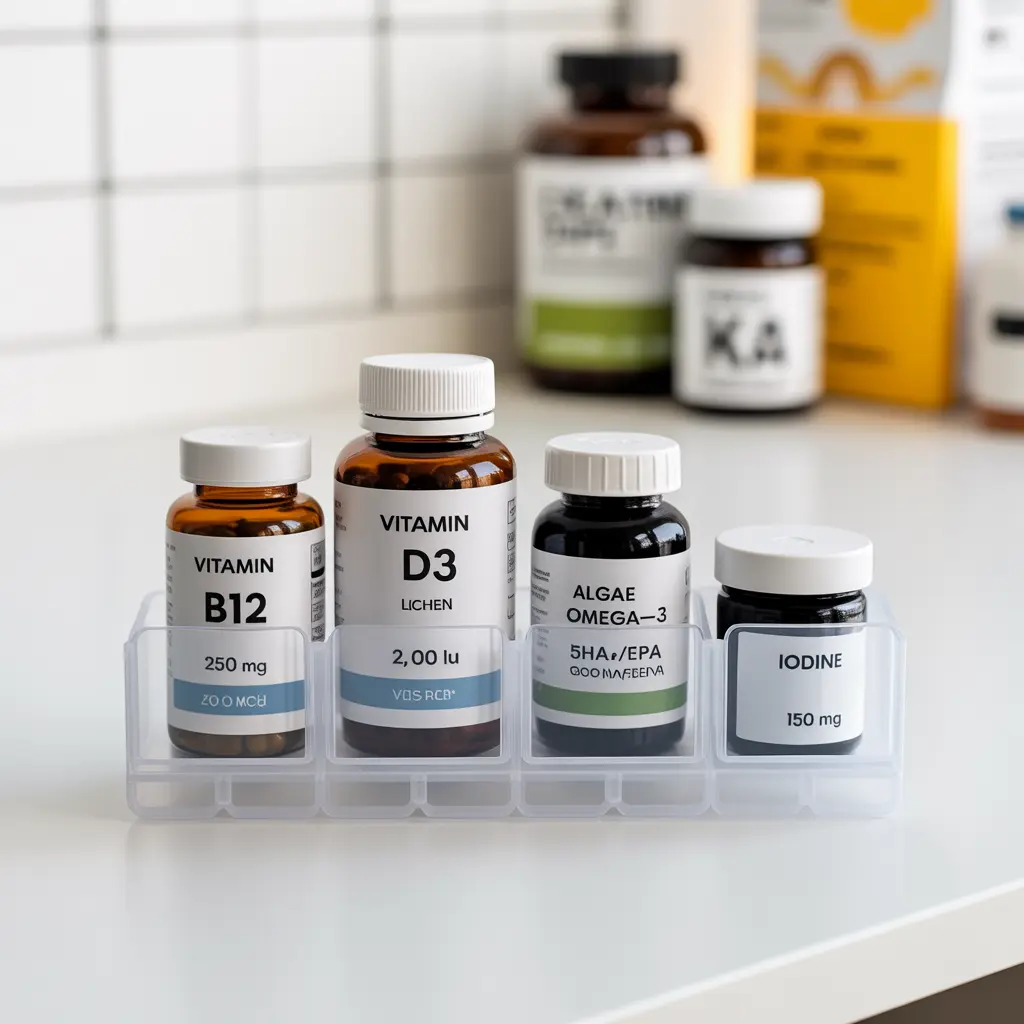
Navigating the world of supplements can be overwhelming, especially when you’re told you need to take dozens of pills as a vegan. The truth is much simpler: only a few supplements are truly essential, while many others are optional or complete wastes of money. Understanding exactly which vegan supplements what to take are necessary is the first step toward optimal health without breaking the bank.
The need for supplementation isn’t a sign that plant-based diets are deficient—it’s a reflection of our modern world. Our ancestors got vitamin B12 from soil bacteria on unwashed vegetables, vitamin D from daily sun exposure, and omega-3s from wild plants and algae. Today, we have sanitized food, indoor lifestyles, and different agricultural practices. The question of which vegan supplements what to take is fundamentally about bridging this gap between our evolutionary history and contemporary life.
Here’s the honest hierarchy of vegan supplements what to take:
- ESSENTIAL (Non-negotiable): Vitamin B12, Vitamin D (for most people)
- HIGHLY RECOMMENDED: Omega-3 (DHA/EPA), Iodine
- SITUATIONAL (Test First): Iron, Zinc, Calcium
- OPTIONAL (Performance/Optimization): Creatine, Vitamin K2
- WASTE OF MONEY: Most “detox” supplements, expensive multivitamins, superfood pills
This guide will walk you through each category, explaining why certain vegan supplements what to take are crucial while others are optional, providing exact dosages, and helping you create a personalized supplement protocol that actually works.
Section 2: ESSENTIAL #1 – Vitamin B12: The Non-Negotiable Foundation
When considering which vegan supplements what to take, vitamin B12 is absolutely non-negotiable. This vitamin isn’t made by plants or animals it’s produced by bacteria found in soil and water.
Animals get it either from eating contaminated plants or through supplementation (livestock are routinely supplemented). As vegans eating washed produce and drinking filtered water, we don’t get natural exposure.
Why B12 is Critical: Stores last 2-4 years before deficiency symptoms appear. Deficiency causes irreversible nerve damage, anemia, brain fog, and fatigue.
It is essential for DNA synthesis and red blood cell formation, making it a non-negotiable part of vegan supplements what to take.
Forms of B12 (Which to Choose):
Cyanocobalamin: Most studied, stable, and affordable. The small amount of cyanide released during conversion is harmless, making it a reliable choice when considering vegan supplements what to take.
Methylcobalamin: The “active” form, useful if you have absorption issues or MTHFR gene mutation. Adenosylcobalamin: Another active form but expensive with no clear advantage. Understanding the forms is a crucial part of determining vegan supplements what to take.
Hydroxocobalamin: Used in injections, longer-lasting in the body. Selecting the right form is a key decision in vegan supplements what to take.
Dosage Options (Pick ONE): Daily Method: 250-500 mcg daily (sublingual or chewable). Weekly Method: 2,500 mcg once weekly (your body absorbs what it needs and stores the rest). Fortified Foods Method (Not Recommended): Would require 3+ servings daily of fortified foods like plant milk, nutritional yeast, and cereals.
Adhering to a consistent dosage is the practical core of vegan supplements what to take. Special Situations: Age 50+: Absorption decreases; consider 1,000 mcg daily. Pregnancy/Breastfeeding: 500-1,000 mcg daily is critical for fetal development.
On Medications: Proton pump inhibitors or metformin can interfere with absorption. Navigating these needs clarifies the personalized aspect of vegan supplements what to take.
Section 3: ESSENTIAL #2 – Vitamin D: The Sunshine Vitamin
Determining which vegan supplements what to take must include vitamin D, as 75% of people are deficient regardless of diet. This “sunshine vitamin” is actually a hormone that affects nearly every cell in your body, influencing immune function, bone health, mood regulation, and more.
The Sun Reality:
To get enough vitamin D naturally, you’d need:
- 15-30 minutes of midday sun (10 AM-2 PM)
- Arms and legs exposed (not just face)
- No sunscreen initially
- Darker skin requires 3-6 times longer exposure
- Winter in northern latitudes makes natural production essentially impossible
D2 vs. D3:
- Vitamin D2 (Ergocalciferol): From mushrooms and yeast, less effective
- Vitamin D3 (Cholecalciferol): Traditionally from sheep’s wool (not vegan), but now available from lichen (vegan)
- Recommendation: Choose vegan D3 from lichen for better effectiveness, more Good resources are here.
Dosage Guidelines:
- Maintenance: 2,000-4,000 IU daily
- If Deficient (<20 ng/mL): 5,000-10,000 IU daily for 8-12 weeks, then retest
- Upper Limit: 4,000 IU daily is safe long-term; toxicity is rare below 10,000 IU daily
Testing:
Get a 25-hydroxyvitamin D [25(OH)D] blood test. Optimal range is 40-60 ng/mL (100-150 nmol/L). Test in late winter when levels are typically lowest.
Special Considerations:
- Darker Skin: May need 4,000-5,000 IU daily
- Northern Latitudes (Above 37°N): Essentially no vitamin D production October through March
- With K2?: Optional—may help direct calcium to bones rather than arteries
Product Recommendations:
- Budget: Vitacost Vegan D3 ($8 for 60 capsules, 5,000 IU)
- Mid-range: Garden of Life mykind Organics ($15 for 60 tablets, 2,000 IU)
- Premium: NatureWise Vegan D3 ($20 for 90 capsules, 5,000 IU)
Section 4: HIGHLY RECOMMENDED – Omega-3 (DHA/EPA): Brain and Heart Health
When evaluating which vegan supplements what to take for optimal health, omega-3s (specifically DHA and EPA) deserve serious consideration. While your body can convert ALA (from flax, chia, walnuts) to DHA/EPA, the conversion rate is only 5-10% at best.
The Omega-3 Types:
- ALA (Alpha-Linolenic Acid): From plants like flax, chia, hemp, walnuts. Essential but not sufficient alone.
- EPA (Eicosapentaenoic Acid): Anti-inflammatory, supports heart health and mood
- DHA (Docosahexaenoic Acid): Critical for brain structure (60% of brain fat is DHA), eye health, and fetal development
The Vegan Solution: Algae Oil
Fish get their omega-3s from eating algae. By going directly to the source with algae oil supplements, you get identical DHA/EPA without the mercury, ocean depletion, or ethical concerns.
Dosage Recommendations:
- Minimum Maintenance: 250 mg DHA+EPA combined daily
- Optimal: 300-600 mg DHA+EPA combined daily
- Therapeutic: 1,000-2,000 mg for depression or high inflammation (short-term)
- Pregnancy/Breastfeeding: 300-600 mg DHA minimum daily
Testing (Optional):
An Omega-3 Index Test measures DHA+EPA in red blood cells. Optimal is >8%. The test costs $50-100 through direct-to-consumer labs.
The Ratio Balance:
Western diets typically have too high an omega-6 to omega-3 ratio (often 20:1 instead of the ideal 4:1 or lower). Strategy: Reduce omega-6 (processed oils, fried foods) while increasing omega-3 intake.
Product Recommendations:
- Budget: Deva Vegan Omega-3 DHA ($15 for 90 softgels, 200 mg DHA)
- Mid-range: Nordic Naturals Algae Omega ($35 for 60 softgels, 715 mg omega-3)
- Premium: Testa Omega-3 ($30 for 60 capsules, 450 mg DHA+EPA)
Section 5: HIGHLY RECOMMENDED – Iodine: Thyroid Support
Iodine is often overlooked when considering which vegan supplements what to take, but it’s crucial for thyroid function, metabolism regulation, and brain development. The thyroid hormones T3 and T4 literally cannot be produced without iodine.
Vegan Iodine Sources:
- Iodized Salt: 1/4 teaspoon provides ~95 mcg (near daily requirement)
- Seaweed: Variable amounts—nori has 15-40 mcg per sheet, but kelp can have dangerously high amounts
- Problem: Many vegans use sea salt or Himalayan salt, which contain minimal iodine
Should You Supplement?
- If using iodized salt regularly: Probably don’t need supplementation
- If NOT using iodized salt AND not eating measured seaweed: Supplement recommended
Dosage:
- Adults: 150 mcg daily
- Pregnancy: 220 mcg daily
- Breastfeeding: 290 mcg daily
- Upper Limit: 1,100 mcg (excess can suppress thyroid function)
Cautions:
- Avoid kelp supplements—they often contain excessive, unpredictable amounts, which is important to remember when deciding on vegan supplements what to take.
- If you have thyroid issues, consult a doctor before supplementing as part of responsibly managing your vegan supplements what to take.
Testing:
Urinary iodine test measures excretion. Optimal range is 100-199 µg/L.
Product Recommendations:
- Simplest: Morton’s Iodized Salt ($2)
- Supplement: Pure Encapsulations Iodine ($12 for 60 capsules, 225 mcg)
- Food Source: gimMe Snacks roasted seaweed (controlled portions)
Section 6: SITUATIONAL – Iron: Test Before Supplementing
One of the most common mistakes when deciding which vegan supplements what to take is automatically supplementing iron. Many vegans have adequate iron levels, and excess iron can cause oxidative stress.
Should You Supplement?
NOT automatically. Test first. Consider supplementation if:
- Ferritin (iron stores) <30 ng/mL (women) or <50 ng/mL (men)
- Experiencing symptoms: fatigue, weakness, pale skin, shortness of breath
- Menstruating heavily, pregnant, or an athlete
Dietary Strategies First:
- Eat iron-rich foods: lentils, beans, tofu, spinach, pumpkin seeds
- Always pair with vitamin C: Increases absorption 3-4 times
- Avoid tea/coffee with iron-rich meals: Tannins reduce absorption
Supplement Forms (If Needed):
- Ferrous Bisglycinate: Best tolerated, fewer side effects
- Ferrous Sulfate: Cheap but more side effects (constipation, nausea)
- AVOID: Ferric forms and time-release formulas
Dosage:
- Low ferritin (15-30): 25-50 mg elemental iron daily
- Deficiency (<15): 50-100 mg elemental iron daily
- Important: Read labels for “elemental iron” content, not just compound weight
Retest after 3 months of supplementation. If no improvement, investigate underlying causes.
Product Recommendations:
- Gentle: Thorne Iron Bisglycinate ($8 for 60 capsules, 25 mg)
- Budget: Nature Made Iron ($5 for 180 tablets, 65 mg elemental iron)
Check my post on The Complete Vegan Blood Work Guide
Section 7: SITUATIONAL – Zinc: Often Adequate from Diet
When considering which vegan supplements what to take, zinc requires careful evaluation. While plant foods contain zinc, phytates in grains and legumes can reduce absorption. However, most long-term vegans adapt by increasing absorption efficiency.
Signs You Might Need Zinc:
- Frequent colds/infections
- Hair loss
- Slow wound healing
- Loss of taste/smell
- White spots on nails
Dietary Strategies:
- Soak/sprout beans and grains to reduce phytates
- Eat zinc-rich foods: pumpkin seeds, hemp seeds, cashews, chickpeas
- Daily goal: 1/4 cup pumpkin seeds provides ~20% of RDA
Supplementation (If Needed):
- Dosage: 15-30 mg daily (RDA is 8-11 mg, accounting for reduced absorption)
- Forms: Zinc picolinate (best absorbed), zinc citrate, zinc gluconate
- Important: Take separate from iron/calcium supplements
- Caution: Long-term high doses (>40 mg) can cause copper deficiency
Product Recommendations:
- Thorne Zinc Picolinate ($10 for 60 capsules, 15 mg)
- Garden of Life Vitamin Code Raw Zinc ($15 for 60 capsules, 30 mg)
Section 8: SITUATIONAL – Calcium: Usually Not Needed
Determining which vegan supplements what to take for calcium depends entirely on your diet. Most vegans can meet calcium needs through food alone.
Dietary Calcium Sources:
- Fortified plant milk: 300 mg per cup
- Calcium-set tofu: 350 mg per half cup
- Collard greens, kale: 250-350 mg per cooked cup
- Fortified orange juice: 300 mg per cup
- Tahini: 120 mg per 2 tablespoons
Who Might Need Supplements:
- Those who don’t consume fortified foods regularly
- Individuals with osteoporosis risk or low bone density
- People with malabsorption issues
If Supplementing:
- Dosage: 500-600 mg daily (body absorbs max ~500 mg at once)
- Forms: Calcium citrate (better absorbed) or calcium carbonate (cheaper, needs food)
- Timing: Separate from iron, take with vitamin D for better absorption
More Important Than Supplements:
- Weight-bearing exercise builds bone density
- Adequate vitamin D ensures calcium absorption
- Reduce sodium (increases calcium loss)
- Ensure adequate protein intake
Product Recommendations:
- Garden of Life mykind Organics Calcium ($25 for 90 tablets, 800 mg)
- Deva Vegan Cal-Mag Plus ($10 for 90 tablets, 500 mg calcium + magnesium)
Section 9: OPTIONAL – Creatine: For Strength and Brain Power
When exploring which vegan supplements what to take for performance, creatine stands out. While your body produces creatine and it’s found in meat, vegans have lower muscle creatine stores since we don’t consume dietary sources.
Benefits:
- Strength: Increases 5-15% in resistance training
- Muscle Growth: Indirect through ability to train harder
- Cognitive Function: May improve memory and processing speed
- Well-Researched: One of the most studied, safest supplements
Is It Vegan?
Yes! All creatine monohydrate is synthetically produced, not derived from animals.
Dosage:
- Loading (Optional): 20g daily for 5 days (4 doses of 5g)
- Maintenance: 5g daily (one teaspoon)
- Consistency: Daily use works best; timing doesn’t matter
What to Expect:
- Takes 2-4 weeks to saturate muscles
- Initial 2-4 lb water weight gain (in muscles, normal)
- Strength increases noticeable within 2-3 weeks
Product Recommendations:
- Budget: Bulk Supplements Creatine Monohydrate ($20 for 1 kg, 200 servings)
- Brand Name: Optimum Nutrition Creatine ($20 for 120 servings)
Section 10: OPTIONAL – Vitamin K2: For Bone and Heart Health
When deciding which vegan supplements what to take for optimization, vitamin K2 deserves consideration. It activates proteins that direct calcium to bones rather than arteries.
Vegan Sources:
- Natto: Fermented soybeans (by far the highest source: 1,000+ mcg per serving)
- Sauerkraut: Small amounts (4-5 mcg)
- Gut Bacteria: Produce some K2, but amount is uncertain
Should You Supplement?
- If eating natto regularly: No supplementation needed
- If concerned about bone/heart health: Optional supplement
- Evidence: Mixed, not as strong as for other supplements
Dosage (If Supplementing):
100-200 mcg daily of MK-7 form (longer-lasting)
Product Recommendations:
- Garden of Life mykind Organics K2 ($18 for 60 tablets, 150 mcg)
- Sports Research Vegan K2 ($16 for 60 softgels, 100 mcg)
Section 11: WASTE OF MONEY – Supplements You Don’t Need
Understanding which vegan supplements what to take also means knowing what to avoid. Save your money on these:
- Expensive Multivitamins: You’re paying for nutrients you already get from food. Better to target specific needs.
- Protein Powder (Unless Athlete): Most vegans easily meet protein needs through whole foods.
- “Superfood” Supplements: Acai, goji, maca pills are expensive with minimal proven benefits.
- “Detox” or “Cleanse” Supplements: Your liver and kidneys detox for free.
- Vitamin C (For Most): Vegans typically get plenty from fruits and vegetables.
- Collagen Supplements: Animal-derived; “vegan collagen” is just collagen boosters (vitamin C, amino acids).
- B-Complex Vitamins: Redundant if you’re eating a varied diet (except B12).
Section 12: The Simple Supplement Protocol
Based on understanding which vegan supplements what to take, here’s a simple, effective protocol:
TIER 1: ESSENTIAL (Everyone)
- Vitamin B12: 250-500 mcg daily OR 2,500 mcg weekly
- Vitamin D: 2,000-4,000 IU daily (vegan D3 from lichen)
TIER 2: HIGHLY RECOMMENDED (Most People)
- Omega-3 (DHA/EPA): 250-600 mg daily from algae oil
- Iodine: 150 mcg daily (if not using iodized salt)
TIER 3: TEST FIRST
- Iron: Only if ferritin is low
- Zinc: Only if deficient or showing symptoms
- Calcium: Only if not meeting dietary needs
TIER 4: OPTIONAL
- Creatine: 5g daily if strength training
- Vitamin K2: 100-200 mcg daily if concerned about bones/heart
Monthly Cost (Essential Only):
- B12: $2
- Vitamin D: $4
- Omega-3: $15-25
- Iodine: $3 (if supplementing)
- TOTAL: $24-34/month
Section 13: When to Take What
Optimal timing for which vegan supplements what to take:
Morning (With Breakfast):
- Vitamin D (fat-soluble, needs fat for absorption)
- Omega-3 (reduces potential fishy burps)
- Multivitamin (if using)
Anytime:
- B12 (sublingual on empty stomach works well)
- Creatine (timing doesn’t matter, consistency does)
- Iodine
Evening (Separate from Morning):
- Iron (on empty stomach if tolerated)
- Zinc (separate from calcium/iron)
Important Separations:
- ❌ Don’t take together: Iron + Calcium (compete for absorption)
- ❌ Don’t take together: Iron + Zinc (compete)
- ✅ Do take together: Iron + Vitamin C (increases absorption)
Realistic Approach: Most people take everything in the morning with breakfast. Consistency matters more than perfect timing.
Section 14: Pregnancy, Children, and Special Situations
When determining which vegan supplements what to take during pregnancy or for children:
Pregnancy:
- Prenatal Multivitamin: Contains critical folate (400-800 mcg daily)
- B12: 500-1,000 mcg daily
- Vitamin D: 4,000 IU daily
- DHA: 300-600 mg daily (critical for fetal brain)
- Iron: 27 mg daily (often in prenatal)
- Iodine: 220 mcg daily
- Choline: 450 mg daily (often missing; eat soy, quinoa, or supplement)
Breastfeeding:
- Continue prenatal vitamins
- DHA: 300-600 mg (passes to baby via milk)
- Iodine: 290 mcg daily
- B12: Critical—baby depends on mother’s levels
Children:
- Infants (0-12 months): Vitamin D drops (400 IU daily if breastfed)
- Toddlers/Children: B12 chewable (250-500 mcg daily), Vitamin D (600-1,000 IU), DHA (100-250 mg)
Section 15: FAQ & Troubleshooting
“Can I get everything from food?”
Almost, but not B12 or sufficient vitamin D in most climates. Omega-3 from ALA conversion is inefficient. Supplementation is smart, not a sign of dietary weakness.
“I’m taking supplements but still feel tired.”
Get blood work. Could be thyroid issues, sleep problems, stress, or other health factors not related to the basic vegan supplements what to take.
“Do I need to cycle supplements?”
No. These are nutrients, not drugs. Daily consistency provides best results.
“Can I take too much?”
Fat-soluble vitamins (D, K) can accumulate, but difficult with recommended doses. Water-soluble vitamins (B12, C) are excreted if in excess. Minerals (iron, zinc) shouldn’t exceed recommended amounts.
“Should I tell my doctor?”
Yes, especially if on medications. Some supplements (like vitamin K) can interact with blood thinners.
Understanding which vegan supplements what to take is fundamental to thriving on a plant-based diet. By focusing on the essentials (B12, D), adding the highly recommended (omega-3, iodine), and testing before supplementing situational nutrients (iron, zinc), you can optimize your health without wasting money on unnecessary products. Remember: supplements complement a healthy diet—they don’t replace one. Eat a varied, whole-food plant-based diet, take your essential supplements consistently, and enjoy the benefits of compassionate, healthy living.
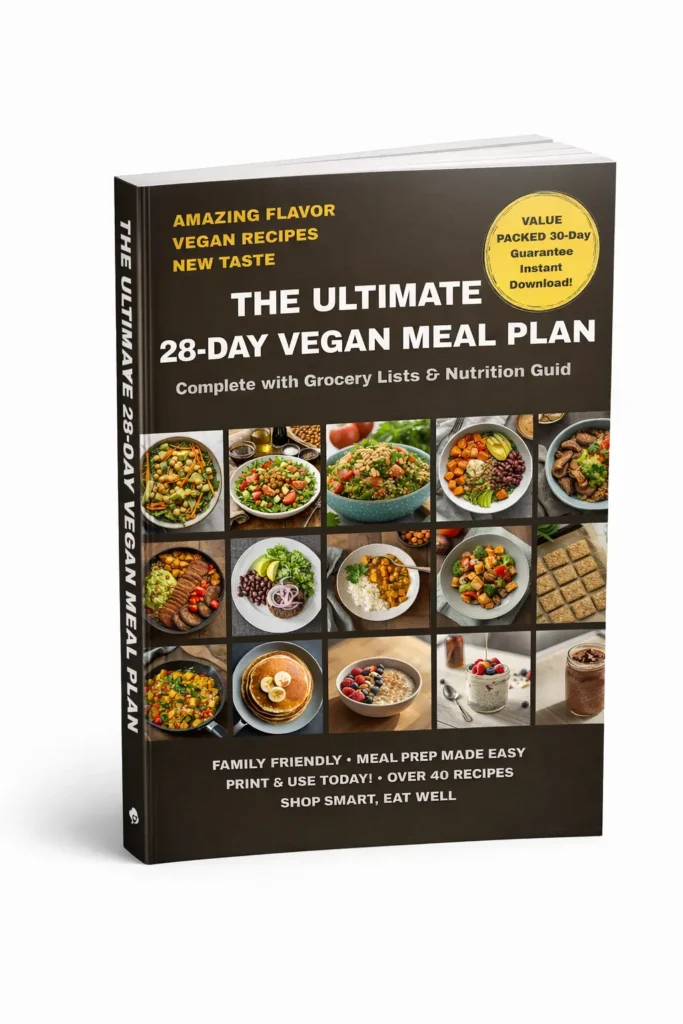
P.S. To guide you through your first month, here’s my Ultimate 28-Day Vegan Meal Plan complete with shopping lists and nutrition guides. Download it here.
Want to try before you buy?
Enter your email below to get 2 free recipes instantly: