Medical Disclaimer: This article is for informational and educational purposes only. It does not constitute medical advice. If you have a thyroid condition, cancer history, or are pregnant, consult a qualified healthcare provider before changing your selenium intake or starting supplementation. Both deficiency and excess selenium carry health risks.
Vegan selenium foods represent the most consistently overlooked gap in plant-based nutrition. While most discussions of vegan nutrient risk focus on B12, iron, and omega-3, selenium has emerged in multiple 2023-2026 systematic reviews as the nutrient most reliably below adequate levels in vegan populations, often more so than iodine or zinc.
The 2023 NuEva Study, which compared serum selenium biomarkers across 172 participants following omnivorous, flexitarian, vegetarian, and vegan dietary patterns, found that selenium biomarkers were significantly lower in vegans and vegetarians than in omnivores, with vegans showing the largest gap. A 2024 PubMed systematic review of nutritional adequacy across vegan dietary patterns cited selenium as appearing in every single analysis as a nutrient below target levels.
Despite this, selenium is rarely discussed, rarely tested, and rarely supplemented by vegans. This guide changes that. You will find every relevant vegan selenium food ranked by reliability, the Brazil nut problem explained clearly, the thyroid and immune connections laid out precisely, and a complete protocol you can implement today.
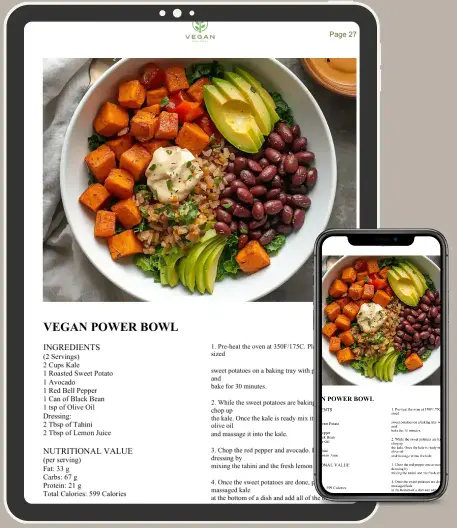
Ultimate 28-Day Vegan Meal Plan
+ Complete Grocery List & Toolkit
Built by a professional chef with 10+ years in MENA & Mediterranean kitchens
- 36 chef-tested vegan recipes — full-colour photo for every single one
- Complete 28-day meal calendar — every breakfast, lunch, dinner & snack planned
- 4 weekly grocery lists — organised by supermarket section, nothing specialty
- Getting started guides — nutrition, vegan swaps, protein facts, foods list
- Pantry & nutrition hub — Middle Eastern ingredients, whole grains, substitutions
- Budget-friendly tips — eat well, spend less every week
- BONUS: Vegan Nutrition Toolkit — protein cheat sheet, dining out guide, meal prep tips, label reading & quick reference sheets
Why Selenium Is the Most Underestimated Vegan Gap Nutrient
Selenium is a trace mineral required in microgram quantities, yet its absence disrupts biological systems disproportionate to the tiny amounts needed. It functions through selenoproteins, over 25 specialised proteins governing three critical biological systems:
- Thyroid hormone metabolism, selenoproteins deiodinase types 1, 2, and 3 convert inactive T4 into active T3
- Antioxidant defence, glutathione peroxidase (GPx) is a selenium-dependent enzyme that neutralises hydrogen peroxide and lipid peroxides
- Immune regulation, thioredoxin reductase controls redox signalling in T-cells and NK cells
The core reason vegan selenium foods deliver unreliable selenium is soil dependency. Selenium enters the food chain through plants, but only if the soil those plants grow in contains selenium. Selenium content in soil varies by a factor of 1,000 across different geographic regions. North American wheat grows in high-selenium soil and delivers meaningful selenium. European wheat, grown in selenium-depleted soils, delivers almost none. The same vegetable can be a significant selenium source or near-zero depending entirely on where it was grown.
This unpredictability is why building a reliable vegan selenium foods strategy requires more than simply identifying “selenium-containing plants.” It requires understanding which sources are consistent, which are variable, and when supplementation becomes the more rational choice.
Why animal diets are more consistent: Animals bioaccumulate selenium from supplemented feed, creating a buffering effect absent in plant sources. Plant selenium is variable, not inherently lower, but the variability creates a practical gap unless sources are chosen deliberately.
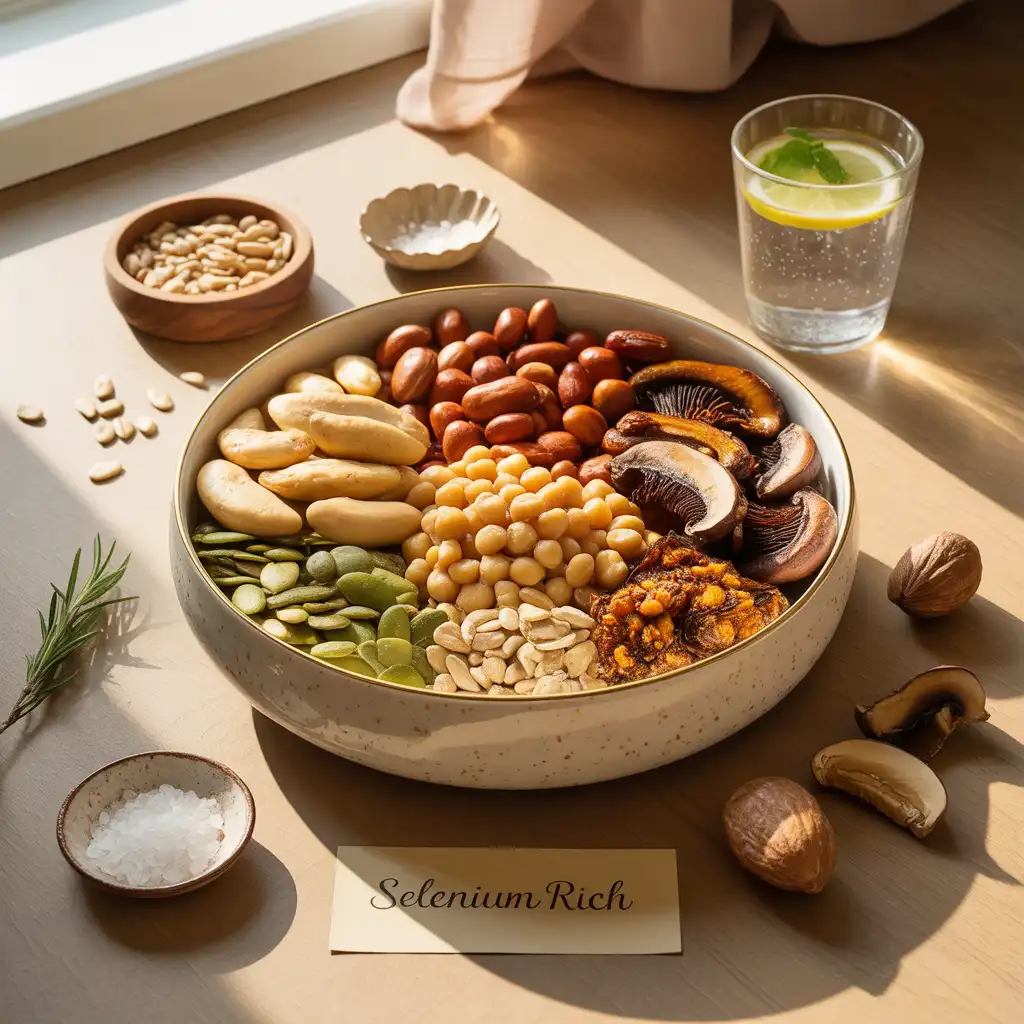
The Brazil Nut Paradox: Variability, Risk, and Reality
The variability arises from the diversity of soil selenium concentrations across the Amazon basin. Nuts from Bolivia’s Madre de Dios region routinely test at 55-91 mcg per nut. Nuts from Brazilian Acre state frequently test at 8-15 mcg per nut. Commercially sold Brazil nuts are blended from multiple origins without disclosure.
The Three Problems with Brazil Nuts as a Daily Selenium Strategy
- Uncontrollable variability, selenium content varies up to 11-fold per nut with no way to test at home
- Selenosis risk, three to five nuts from a high-selenium batch daily could push intake toward the 400 mcg upper tolerable limit, particularly for smaller individuals
- Barium and radium accumulation, Brazil trees have deep root systems that reach naturally radioactive geological deposits; long-term daily consumption is not recommended by several nutritional toxicologists
The rational use of Brazil nuts: Include one or two nuts two to three times per week as a supplementary source, not a daily foundation. Accept that the contribution is imprecise and do not rely on them as your only selenium strategy. Combine with the consistent plant sources ranked in Section 3.
Plant-Based Selenium Sources Ranked by Reliability and Content
The ranking below uses two criteria: average selenium content per serving and reliability of that content. The reliability rating reflects consistency across different growing regions and products.
Plant Selenium Sources: Average mcg per Serving + Reliability
Source: USDA FoodData Central; NuEva Study 2023. Values vary by origin and growing conditions.
Key takeaway: The most reliable daily strategy combines sunflower seeds (the anchor), tofu or tempeh (the protein companion), and sesame/tahini (the MENA kitchen staple) with occasional Brazil nuts as a variable top-up. Together these cover 40-60 mcg of selenium per day from food alone in most cases, close to the adult daily requirement of 55 mcg without depending on any single unpredictable source.
6 Spotlight Vegan Selenium Foods
The Ultimate 28-Day Vegan Meal Plan + Grocery List
Everything you need to eat well for a full month — planned, photographed, and ready to print.
- Complete 28-day daily calendar
- 40+ nutritionist-approved recipes
- 4 weekly grocery lists
- Protein, iron & B12 at every meal
- Saves 7+ hours of planning per week
Selenium and Thyroid Function: The T3/T4 and Immune Connection
How Selenium Powers the Thyroid Hormone System
Note: Selenium deficiency impairs this entire chain even when iodine and TSH levels appear normal. Normal thyroid blood tests can coexist with selenium-impaired T4-to-T3 conversion.
The selenium-thyroid connection is particularly relevant for vegans because iodine deficiency is already a known risk on plant-based diets. When both are suboptimal, thyroid dysfunction compounds rapidly. The vegan thyroid guide covers this dual-nutrient relationship, and the Hashimoto’s guide covers the selenium-TPO antibody relationship specifically.
Selenium and Immune Function: The GPx Mechanism
Beyond the thyroid, glutathione peroxidase (GPx) is the selenium-dependent antioxidant enzyme most directly linked to immune function. GPx neutralises hydrogen peroxide and lipid peroxides in immune cells, preventing the oxidative damage that impairs lymphocyte proliferation and NK cell activity. When selenium is deficient, immune cells become more vulnerable to oxidative stress, reducing their ability to mount effective responses to pathogens and regulate autoimmune activity.
Multiple human trials have shown that selenium supplementation in selenium-deficient populations significantly improves several immune parameters:
- Increased T-cell proliferation following antigen stimulation
- Enhanced NK cell cytotoxicity against virally infected cells
- Reduced inflammatory cytokine production (particularly IL-6 and TNF-alpha) in autoimmune contexts
- Faster viral clearance, selenium-deficient animals show accelerated viral mutation rates, a finding with significant implications for pandemic resilience research
Selenium and Cancer Protection
Established association: Epidemiological studies consistently find inverse associations between selenium status and cancer incidence, particularly for prostate, colorectal, lung, and bladder cancers. The protection mechanisms include GPx-mediated DNA damage prevention, thioredoxin reductase regulation of apoptosis, and selenoprotein suppression of pro-tumour inflammatory pathways.
This is not an invitation to megadose. The U-shaped dose-response for selenium and cancer means that very low and very high selenium status both associate with increased cancer risk. The optimal window is 55-100 mcg per day from combined food and supplement sources, which is precisely the range that a well-planned vegan selenium foods strategy with a modest supplement can achieve reliably.
Signs of Selenium Deficiency on a Plant-Based Diet
Selenium deficiency is subclinical in most cases, meaning it produces functional impairment in thyroid hormone conversion, immune activity, and antioxidant capacity before any obvious symptoms appear. By the time symptoms become noticeable, deficiency is typically significant.
Testing: Serum selenium is the standard first-line test, but selenoprotein P (SePP) is a more sensitive functional marker that reflects tissue selenium stores. Both should be requested if deficiency is suspected. Annual testing is appropriate for long-term vegans, particularly those living in low-selenium regions such as the UK, Ireland, New Zealand, Finland, and most of continental Europe. Include selenium in your standard annual vegan blood panel. See the complete nutrient deficiency guide for a full list of markers worth tracking.
The 7-Step Vegan Selenium Protocol
This protocol is ordered by priority. Steps 1-3 are foundational and should be implemented first. Steps 4-7 refine and secure your strategy based on individual circumstances.
-
1Add sunflower seeds daily, your selenium anchor
Add 28g (about ¼ cup) of raw sunflower seeds to your daily diet immediately. Sprinkle on oats, blend into smoothies, toss on salads, or eat as a standalone snack. This single change adds approximately 23 mcg of consistent selenium daily, covering 42% of the adult requirement from the most reliable plant source available. Do not replace this with Brazil nuts, which are too variable for a daily anchor role.
-
2Include tofu or tempeh at least three times per week
Tofu and tempeh are the most nutritionally efficient of all vegan selenium foods because they deliver selenium alongside protein, calcium, iron, and zinc simultaneously. A 150g serving of firm tofu provides 25-40 mcg of selenium, combining it with sunflower seeds on the same day reliably covers the adult daily requirement from food alone. Tempeh is the fermented upgrade: higher protein, enhanced mineral bioavailability from phytic acid breakdown.
-
3Use tahini or sesame daily as a natural selenium companion
Two tablespoons of tahini in hummus, dressings, or sauces contributes 11-14 mcg of selenium daily without any dedicated effort. For those already using tahini regularly in MENA-style cooking, this is a free selenium gain from existing dietary habits. Combined with sunflower seeds and tofu, this three-source combination achieves the 55 mcg daily target from whole food sources alone on most days.
-
4Add shiitake mushrooms two to three times per week
Cultivated shiitake mushrooms add 12-26 mcg of selenium per 100g serving, plus ergothioneine, beta-glucans for immune support, and vitamin D if they have been UV-exposed. This combination of immune-relevant nutrients makes shiitake the best mushroom addition to a vegan selenium foods protocol. Avoid relying on wild-harvested mushrooms, whose selenium content is too variable. Use dried shiitake (rehydrated) or fresh cultivated varieties.
-
5Supplement if you live in a low-selenium region
If you live in the UK, Ireland, New Zealand, Finland, or continental Europe, or if you eat primarily locally grown produce, the soil selenium deficit in your region means plant food selenium content is systematically lower regardless of food choice. In this case, a 55-100 mcg selenomethionine supplement daily is the most rational intervention. Do not exceed 200 mcg total from food and supplements combined without laboratory-confirmed deficiency and medical supervision. Pair with the full vegan supplement protocol for coordinated micronutrient management.
-
6Pair selenium sources with zinc-rich foods for synergistic effect
Selenium and zinc work together through overlapping selenoprotein and zinc metalloprotein pathways in immune function. Foods rich in both, such as pumpkin seeds, hemp seeds, and sunflower seeds, address both gaps simultaneously. The vegan zinc guide and the vegan iodine guide cover the complementary mineral strategy for a complete thyroid-protective nutrient stack.
-
7Test serum selenium and selenoprotein P annually
Serum selenium (normal range: 70-150 mcg/L) and selenoprotein P are both worth testing annually for long-term vegans. Functional selenium status can be low even when serum levels appear borderline normal, because selenoprotein P more accurately reflects tissue selenium availability. Target: serum selenium above 90 mcg/L for optimal GPx and deiodinase activity, not merely above the population deficiency threshold of 70 mcg/L. Request this test alongside your standard annual B12, vitamin D, and iron panel.
A Chef’s Perspective: MENA Ingredients Rich in Selenium
In over 20 years cooking professionally across the Middle East and Mediterranean, I worked daily with ingredients that are now confirmed to be among the most selenium-consistent sources available to plant-based eaters. The MENA culinary tradition built selenium into its daily cooking without ever naming the nutrient.
Tahini is the most significant. In Lebanese, Palestinian, and Gulf kitchens, tahini appears in some form at nearly every meal: in hummus at breakfast, in sauces at lunch, drizzled over salads and falafel at dinner. Two tablespoons at each meal translates to 33-42 mcg of selenium from tahini alone across a day. This is not a supplement protocol. It is a cooking tradition that incidentally resolved the selenium question in a region where plant-based eating was the default pattern for large portions of the population for centuries.
The broader pattern of seed-forward cooking across MENA cuisine, using sunflower seeds, sesame, and pumpkin seeds as regular flavour and texture elements, builds a reliable selenium foundation through culinary habit alone.
My practical recommendation: adopt the MENA cooking principle of making seeds and tahini a daily presence rather than a periodic addition. A tablespoon of tahini in a dressing, a handful of sunflower seeds on a grain bowl, a scattering of sesame on roasted vegetables, these are culinary gestures that happen to build the most consistent vegan selenium foods intake available outside of supplementation. The Ultimate 28-Day Vegan Meal Plan + Grocery List (Complete Solution) is built on exactly this philosophy: 36 chef-tested recipes using simple supermarket ingredients, meeting protein, iron, and B12 needs daily, with the seed-forward MENA cooking tradition embedded throughout.

Frequently Asked Questions
Do vegans need a selenium supplement?
It depends primarily on where you live. Vegans in North America and Japan can generally meet selenium needs from food alone because local soils and grains are selenium-sufficient. Vegans in the UK, Ireland, New Zealand, most of Europe, and parts of Asia are at significant risk of deficiency because regional soils are selenium-depleted. For these groups, a 55-100 mcg selenomethionine supplement daily is a rational and low-risk intervention. Test your status first if possible, then decide.
How many Brazil nuts should a vegan eat for selenium?
One to two Brazil nuts, two to three times per week maximum, not daily, and never more than three per day. The extreme selenium variability in Brazil nuts (8-91 mcg per nut) makes them unsafe as a daily dose-controlled strategy. At maximum selenium concentrations, two to three nuts per day could push intake above the 400 mcg upper tolerable limit. Use them as an occasional supplementary contributor to your vegan selenium foods intake, not as the primary strategy.
What is the best form of selenium supplement for vegans?
Selenomethionine is the preferred supplement form for vegans. It is the organic form of selenium, closest to how selenium naturally occurs in plant foods, and has higher bioavailability than inorganic selenite (selenium dioxide). Avoid supplements labelled only as “selenium” without specifying the form, and avoid those using selenate as the active compound. Check that the capsule shell is plant-based (cellulose-based, not gelatin). Target 55-100 mcg per day, and do not combine high-dose Brazil nut consumption with daily supplementation.
Can too much selenium be harmful?
Yes. Selenosis (selenium toxicity) produces a specific and recognisable clinical picture: garlic breath odour (from dimethylselenide exhalation), brittle nails with horizontal white lines, hair loss, fatigue, irritability, and in severe cases, neurological symptoms. The tolerable upper intake level is 400 mcg per day for adults. This is not easily reached from vegan selenium foods alone, but combining high-dose Brazil nut consumption (multiple nuts daily from selenium-rich batches) with supplementation can push intake into the dangerous range. Testing before and after supplementation is always advisable.
How does selenium affect thyroid health on a vegan diet?
Selenium is required for deiodinase enzymes that convert the inactive thyroid hormone T4 into active T3. Without adequate selenium, this conversion is impaired even when iodine, TSH, and T4 levels appear normal. This means a vegan can have a technically “normal” thyroid blood test while experiencing subclinical hypothyroid symptoms driven by selenium-impaired T4-to-T3 conversion. For vegans with Hashimoto’s, selenium has additional significance: multiple randomised controlled trials show that selenium supplementation at 200 mcg per day significantly reduces TPO antibody titres, one of the most direct dietary interventions available for autoimmune thyroid management.
Which mushrooms are the best vegan selenium foods?
Cultivated shiitake mushrooms are the most reliable for selenium content because commercial cultivation uses standardised substrate. Crimini and portobello mushrooms are also reasonable contributors. Wild-harvested mushrooms have highly variable selenium content depending on the soil in which they grow and cannot be reliably used as a selenium strategy. For regular use, dried shiitake rehydrated in cooking is as effective as fresh and more cost-efficient. Avoid purchasing supplements labelled “mushroom selenium” without transparent sourcing information.
Does selenium interact with other vegan nutrients?
Yes, several important interactions exist. Selenium and vitamin E work synergistically as antioxidants, which is why sunflower seeds (high in both) are particularly valuable. Selenium and iodine are both required for thyroid hormone production and should be addressed together for thyroid management. Selenium and zinc share overlapping roles in immune function. Excessive iron supplementation may impair selenium absorption by competing at intestinal absorption sites. Coordinating all trace minerals through a comprehensive annual blood test panel is the most rational approach.
Is selenium important during vegan pregnancy?
Yes. The RDA for selenium increases from 55 mcg to 60 mcg during pregnancy and to 70 mcg during breastfeeding. More significantly, the developing foetus requires selenium for selenoprotein development, thyroid hormone metabolism, and brain development from early in gestation. Pregnant vegans in low-selenium regions should ensure reliable daily intake from consistent vegan selenium foods combined with a prenatal supplement that specifies selenium content. Confirm selenium status via blood testing as part of preconception planning.
What is the difference between serum selenium and selenoprotein P tests?
Serum selenium measures total selenium circulating in blood and is the standard first-line test. It reflects recent intake but not necessarily tissue stores. Selenoprotein P (SePP) is a more sensitive and clinically informative test because it reflects the liver’s functional selenium reserves and is the form used to transport selenium to peripheral tissues including the thyroid and brain. SePP levels plateau at 70-100 mcg/L serum selenium, which is why the therapeutic target for vegans is serum selenium above 90 mcg/L rather than simply above the deficiency threshold of 70 mcg/L.
Why is selenium lower in vegans than vegetarians?
Vegetarians typically consume dairy and eggs, both of which are selenium-consistent foods because the animals producing them are fed selenium-supplemented commercial diets in most countries. This creates a reliable selenium floor in vegetarian diets that does not exist in fully plant-based diets. Vegans eliminating both dairy and eggs remove this buffered selenium contribution entirely, leaving plant food selenium as the only source. Since plant selenium is geographically variable in ways that animal-sourced selenium is not, the gap appears consistently across research populations.
Can I get enough selenium from sunflower seeds alone?
A 56g (double serving) of sunflower seeds daily provides approximately 46 mcg of selenium, close to but slightly below the 55 mcg adult RDA. This covers most of the daily requirement from a single consistent source, which is why sunflower seeds are the recommended anchor for the vegan selenium foods strategy. However, relying on any single food source alone creates unnecessary fragility. Combining 28g sunflower seeds with regular tofu, tempeh, tahini, and occasional shiitake mushrooms creates a more robust and nutritionally diverse selenium strategy than any single food alone.
How does selenium support cancer protection on a plant-based diet?
Selenium protects against cancer through three documented mechanisms. First, glutathione peroxidase (GPx) prevents oxidative DNA damage that initiates malignant transformation. Second, thioredoxin reductase regulates the apoptosis (programmed cell death) pathway that eliminates pre-cancerous cells before they proliferate. Third, selenium-rich diets are associated with a less pro-inflammatory tumour microenvironment. The cancer-protective effect follows a U-shaped curve: both very low and very high selenium status associate with increased risk. The optimal range of 55-100 mcg daily from combined vegan selenium foods and supplementation sits squarely in the protective window without approaching toxicity.
Closing the Most Overlooked Vegan Nutrient Gap
Vegan selenium foods are the most under-addressed category in plant-based nutrition. The research is consistent, the gap is real, and the solution is practical. You need sunflower seeds daily, tofu or tempeh three times per week, tahini as a cooking staple, shiitake mushrooms regularly, and a selenomethionine supplement if you live in a low-selenium region or confirm deficiency through testing.
The nutrients that most require active attention on a plant-based diet are B12, iodine, vitamin D, omega-3 DHA/EPA, zinc, and selenium. The last two on that list receive a fraction of the coverage they deserve. Building your vegan selenium foods strategy around consistent, reliable sources rather than the false security of occasional Brazil nuts closes a gap that quietly undermines thyroid function, immune resilience, and antioxidant capacity for many long-term plant-based eaters.
If you want a 28-day structured framework that builds the nutritional foundations of a well-planned plant-based diet, including the seed-forward cooking that supports consistent mineral intake, the Ultimate 28-Day Vegan Meal Plan + Grocery List (Complete Solution) gives you 36 chef-tested recipes, 4 weekly grocery lists, and a complete 28-day calendar. Every meal meets protein, iron, and B12 needs, built from common supermarket ingredients. The selenium strategy embedded in MENA-style seed cooking is part of every week.
Selenium is a vital trace mineral that plays a key role in thyroid metabolism and antioxidant defense. To ensure adequate intake on a plant-based diet, The NHS recommends incorporating a variety of sources such as Brazil nuts, bread, and lentils into your daily meals. For a deeper look at how this mineral supports immune function and protects against cellular damage, Harvard Medical School offers an extensive breakdown of the physiological benefits and recommended dietary allowances for maintaining optimal health.