Medical Disclaimer: This article is for informational purposes only. Functional mushrooms are not medicines and should not be used to treat, diagnose, or cure any condition. Some mushrooms interact with immunosuppressant medications or blood thinners. If you are immunocompromised, on medication, or pregnant, consult a qualified healthcare provider before using functional mushroom supplements.
Vegan functional mushrooms occupy a unique position in plant-based nutrition: they are whole foods with genuine pharmacological mechanisms, supported by an evidence base that spans thousands of years of traditional use and hundreds of modern clinical and laboratory studies. They are also one of the most aggressively marketed and least quality-controlled categories in the supplement industry.
The distinction between these two facts matters. Lion’s mane has genuine clinical evidence for nerve growth factor (NGF) stimulation. Turkey tail has Phase II clinical trial data supporting immune function in cancer patients. Shiitake contains eritadenine with proven cholesterol-lowering effects. These are not folk medicine claims.
At the same time, the product labelled “lion’s mane complex” in most health food stores may contain almost no lion’s mane fruiting body and up to 80% grain starch from mycelium grown on brown rice. Understanding the evidence behind vegan functional mushrooms and the quality markers that separate genuine products from marketing claims is the core practical challenge this guide addresses.
What Functional Mushrooms Are and Why They Differ from Culinary Mushrooms
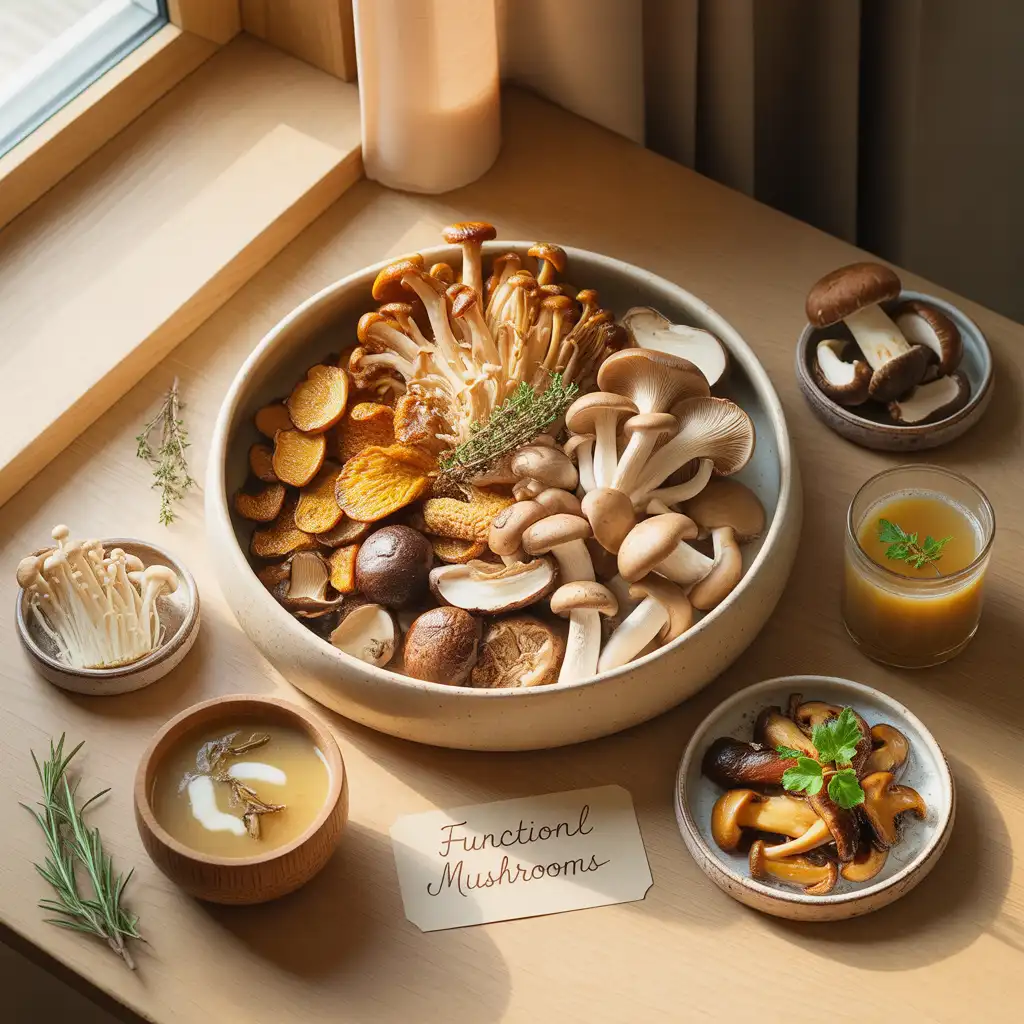
Vegan functional mushrooms are species used for health-specific biological effects beyond basic nutrition. The distinction from culinary mushrooms (button, portobello, shiitake used in cooking) is not categorical, shiitake and maitake are both culinary and functional, but is primarily about which compounds are present in meaningful concentrations and what biological effects they produce.
The Four Active Compound Classes
Understanding the active compounds in vegan functional mushrooms is essential for evaluating both the evidence and the product quality markers. Four compound classes drive the majority of studied effects:
- Beta-glucans: polysaccharides in the cell wall of mushroom fruiting bodies that bind to innate immune receptors (Dectin-1, TLR-2, CR3) and produce measurable immune modulation. The most studied and most clinically validated class. Present in all mushroom fruiting bodies.
- Triterpenes: bitter compounds concentrated in reishi (ganoderic acids) with anti-inflammatory, hepatoprotective, and adaptogenic properties. Found primarily in reishi and chaga. Require hot water and alcohol dual extraction for bioavailability.
- Hericenones and erinacines: compounds unique to lion’s mane (Hericium erinaceus) that stimulate nerve growth factor (NGF) and brain-derived neurotrophic factor (BDNF) synthesis. The only mushroom compounds with clinical evidence for direct neurological effects.
- Ergosterol: a provitamin D compound present in all mushrooms that converts to vitamin D2 on UV exposure. When mushrooms are sun-dried or UV-treated, ergosterol content makes them the only non-animal dietary source of vitamin D in meaningful amounts.
Evidence Strength Ranked: From Clinical to Preclinical
One of the most important services a guide to vegan functional mushrooms can provide is honest evidence grading. The industry markets all functional mushrooms as equally supported. The research does not support this. The following rankings reflect the quality and consistency of human clinical data, not laboratory or animal model findings.
Functional Mushrooms: Human Evidence Strength
Evidence ratings based on published human RCTs, cohort data, and systematic reviews as of 2025. Preclinical findings (cell culture, animal models) are not reflected in these ratings.
Honest framing: The evidence for most vegan functional mushrooms is promising but not conclusive at the human clinical level. Turkey tail and shiitake have Phase II RCT data. Lion’s mane has several small but positive RCTs for cognitive function. The others have mostly preclinical evidence or small pilot human studies. This does not mean they do not work, it means the evidence base is not yet sufficient to make definitive efficacy claims. Use these mushrooms as evidence-informed additions to a healthy plant-based diet, not as replacements for medical care.
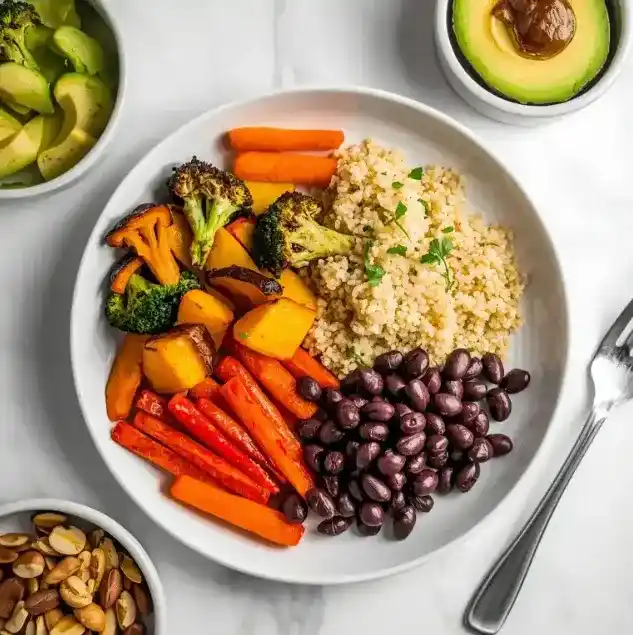
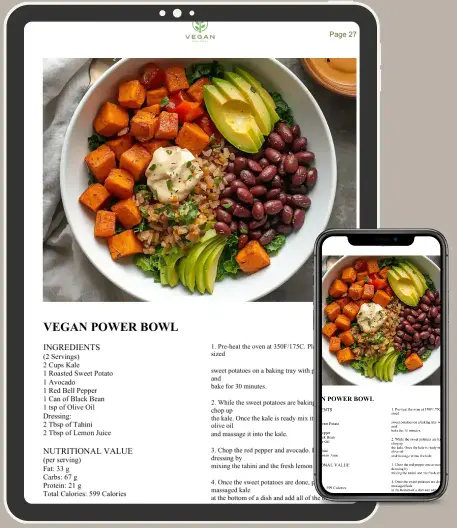
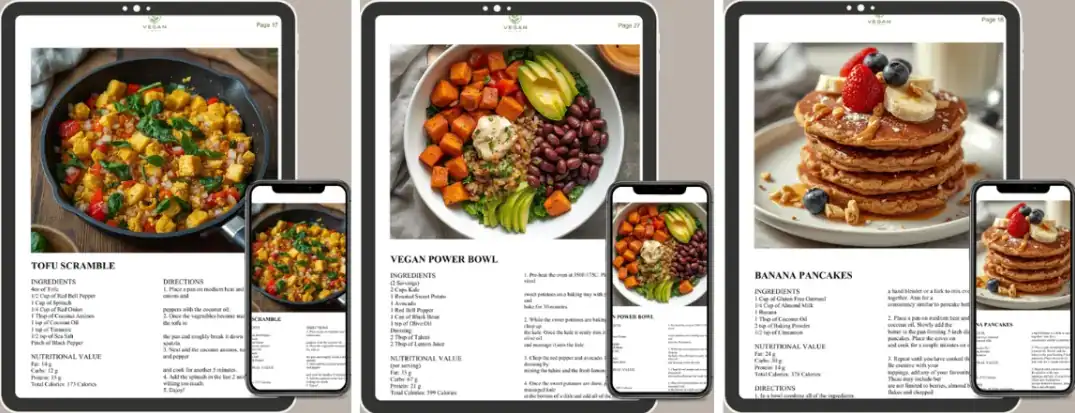
The Ultimate 28-Day Vegan Meal Plan + Grocery List
Everything you need to eat well for a full month — planned, photographed, and ready to print.
- Complete 28-day daily calendar
- 40+ nutritionist-approved recipes
- 4 weekly grocery lists
- Protein, iron & B12 at every meal
- Saves 7+ hours of planning per week
6 Spotlight Vegan Functional Mushrooms
These six species represent the breadth of functional mushroom evidence, from the most clinically validated to the most widely used in plant-based communities. Each entry includes the specific compounds responsible for the studied effects and the practical form in which to use them.
Beta-Glucans: The Central Active Mechanism
Beta-glucans are the primary bioactive compound across virtually all vegan functional mushrooms. Understanding how they work explains most of the clinical evidence and most of the quality requirements that distinguish effective from ineffective products.
Why Extraction Method Matters for Beta-Glucan Bioavailability
The extraction issue is why raw mushroom powder capsules are generally ineffective at functional doses. Mushroom cell walls are made of chitin, not cellulose, and humans do not produce the chitinase enzyme needed to break chitin down. Hot water extraction is the minimum processing step required to make beta-glucans bioavailable. This is also why cooking shiitake and maitake as food, applying sustained heat in water or stock, activates much of their beta-glucan content for culinary use. The immune mechanism in dietary context is covered alongside the fibre benefits in the plant-based cancer prevention guide.
The Supplement Quality Problem: What to Look For
The quality problem in vegan functional mushrooms is significant. A 2017 analysis found the majority of lion’s mane products contained mostly grain starch from mycelium-on-grain production, with beta-glucan content below 1%, compared to 30-50% in genuine fruiting body extracts.
The supplement quality issue is why whole food culinary consumption of shiitake and maitake is often more reliable than purchasing a supplement of unknown provenance. For species not available as food (reishi, chaga), a reputable dual-extract product from a supplier who publishes third-party COAs is the correct approach. See the vegan supplement guide for the broader context on quality markers across supplement categories.
The 7-Step Vegan Functional Mushroom Protocol
This vegan functional mushrooms protocol is structured around food-first delivery with targeted supplementation for species and doses that food cannot practically provide.
-
1Add dried shiitake to your cooking three to four times per week
Dried shiitake, rehydrated in hot water and cooked into soups, stir-fries, and grain dishes, delivers lentinan beta-glucans, eritadenine, and ergosterol with every serving. Cooking in water or stock at sustained heat activates the beta-glucans by breaking the chitin structure. This is the most accessible functional mushroom intervention available: common, affordable, and directly applicable to daily cooking. The rehydration liquid contains significant dissolved beta-glucans and should be used in the dish rather than discarded.
-
2Choose a lion’s mane dual-extract supplement for cognitive support
If cognitive support or neurological maintenance is a goal, lion’s mane is the only mushroom with clinical human evidence for NGF and BDNF stimulation. Select a fruiting-body dual-extract product stating both beta-glucan content and erinacine/hericenone content. Dose at 1-3g of extract daily. The Mori 2009 RCT used 1g three times daily; most commercial products use a single 1-2g daily dose which appears sufficient for maintenance. Minimum 8-12 weeks of consistent use before assessing effect on focus and memory.
-
3Add turkey tail extract during periods of immune stress or alongside medical treatment
Turkey tail has the strongest immune-specific clinical evidence among vegan functional mushrooms. For people managing illness, recovering from infection, or seeking adjuvant immune support during cancer treatment (with oncologist awareness), turkey tail PSK/PSP extract at 1-3g daily has the most direct clinical justification. Choose a product standardised for PSK or PSP content. Always inform your oncologist if using alongside cancer treatment, as turkey tail may potentiate certain immune-based therapies. The evidence is reviewed at PubMed (Uchida 2012, PSK clinical data).
-
4Use reishi dual-extract for stress, sleep, and liver support
Reishi’s ganoderic acid triterpenes are not captured by hot water extraction alone. A dual-extract product is required for the adaptogenic effects most associated with reishi’s traditional use. The most consistently observed human benefit is reduction in fatigue and improvement in sleep onset, making reishi a reasonable evening supplement. Ganoderic acids have also shown hepatoprotective effects relevant to liver health. Start at 1g daily and assess tolerance over two to four weeks before increasing to 2-3g.
-
5Sun-dry your shiitake for vitamin D2 conversion
Placing shiitake gills-up in direct sunlight for six hours activates ergosterol conversion to vitamin D2 (400-800 IU per mushroom). The mechanism works for any mushroom species. This is the only non-animal food source of vitamin D2 practically produced at home. For vegans in low-sunlight regions managing D deficiency, this is a meaningful supplementary food strategy alongside standard D3 supplementation.
-
6Check product quality: look for fruiting body, beta-glucan percentage, and COA
Before purchasing any functional mushroom supplement, apply the five quality markers: fruiting body confirmed, beta-glucan percentage stated (not just polysaccharides), extraction method specified, third-party COA published, and vegan capsule confirmed. Products that do not state beta-glucan content should be treated with scepticism. The supplement quality problem is widespread enough that spending twice as much on a verified fruiting-body extract is almost always the correct economic decision over buying a cheaper mycelium-on-grain product at half price.
-
7Track your broader vegan nutritional status alongside mushroom use
Vegan functional mushrooms are additions to a nutritional foundation, not substitutes for it. The most significant contributors to immune function, cognitive health, and energy on a plant-based diet remain B12, vitamin D, omega-3 DHA/EPA, and adequate protein. Mushroom compounds add meaningful benefit on top of a strong nutritional foundation and provide far less benefit on a nutritionally depleted base. Annual blood panel monitoring remains the most reliable way to ensure the broader nutrient picture is in order. See the nutrient deficiency guide for the recommended baseline testing, and the vegan supplement guide for the full foundational supplement stack.
A Chef’s Perspective: MENA and Asian Medicinal Mushroom Traditions
In over 20 years cooking professionally across the Middle East and Mediterranean, my experience with functional mushrooms came primarily through the dried mushroom traditions common in MENA and Asian cuisines. The distinction between culinary and medicinal was not always clear, the same mushrooms that flavoured stocks and stews in professional kitchens were the ones generations of traditional medicine had used for entirely different purposes.
Dried shiitake, rehydrated in hot water for stock-making, was a standard technique in every professional kitchen I worked in that drew on East Asian culinary traditions. The rehydration liquid, used as the base for sauces and soups, contains dissolved beta-glucans from the hot water extraction that happens during soaking. In professional cooking, we used it for depth of flavour. In functional nutrition, we now understand we were capturing the primary bioactive compounds of the mushroom.
The MENA culinary tradition does not include functional mushrooms as prominently as East Asian cuisines, but the principle of medicinal ingredient as daily food is deeply embedded in MENA cooking through spices, herbs, and bitter vegetables. Incorporating vegan functional mushrooms into MENA-style dishes, a shiitake-enriched ful medames, a maitake-added mujaddara, or a turkey tail-infused vegetable broth, requires only a willingness to add an unfamiliar ingredient to a familiar dish framework.
My practical recommendation for anyone building a vegan functional mushrooms practice: start with culinary use of shiitake and maitake as weekly ingredients before investing in supplements. The difference in cost is significant, the quality guarantee is higher (you know exactly what you are eating), and the culinary pleasure of a well-made mushroom dish is a form of consistency that supplement-taking rarely matches. The Ultimate 28-Day Vegan Meal Plan + Grocery List (Complete Solution) provides 36 chef-tested whole-food recipes using common supermarket ingredients, meeting protein, iron, and B12 needs, a practical cooking foundation into which dried shiitake and culinary mushrooms are straightforward weekly additions.
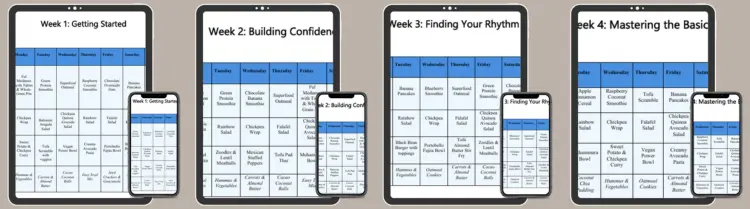
28-Day Vegan Meal Plan
+ Grocery List
Complete Solution · Nutritionist-Approved · Print & Use Today
Read on any device · No apps needed
Frequently Asked Questions
Are all functional mushrooms vegan?
The mushrooms themselves are all vegan. The vegan status concern applies to the supplements: many mushroom capsules use gelatin (from animal collagen) as the capsule shell. Genuinely vegan functional mushroom supplements use HPMC (vegetable cellulose) or pullulan capsules. Check the capsule material listed in product specifications before purchasing. Traditional Cordyceps sinensis (which grows on moth caterpillar larvae) is not vegan, but Cordyceps militaris (the cultivated version used in all commercial supplements) is entirely vegan and contains equivalent or higher levels of the active compound cordycepin.
What is the difference between mycelium and fruiting body?
The fruiting body is the visible mushroom structure containing the highest beta-glucan concentration. The mycelium grown on grain substrate (brown rice, oats) produces mostly grain starch. Fruiting body products have 30-50% beta-glucan content. Mycelium-on-grain products typically have 1-5% actual mushroom beta-glucans, with the total padded by grain starch. Always specify fruiting body.
Can I take multiple functional mushrooms together?
Yes, mushroom combination products are common and generally considered safe. Most beta-glucan mechanisms are additive rather than competing. Common combinations: lion’s mane plus cordyceps for cognitive and physical energy, lion’s mane plus reishi for cognitive support and stress reduction, turkey tail plus shiitake for comprehensive immune support. The main caution is avoiding very high total doses of immunostimulating mushrooms if you are immunocompromised or on immunosuppressant medication, where excessive immune stimulation can be counterproductive. Start with one species at a time to identify individual response before combining.
How long do functional mushrooms take to work?
Effects timelines vary by compound and mechanism. Beta-glucan immune activation is relatively rapid, studies show measurable NK cell enhancement within days to weeks of consistent use. Lion’s mane cognitive effects typically require 8-12 weeks of consistent daily use before subjective improvements in focus and memory are reported, consistent with the timescale for NGF-stimulated neuronal growth. Reishi sleep and fatigue effects are often reported within 2-4 weeks. The baseline requirement for all vegan functional mushrooms protocols is consistency over weeks to months, not acute effects from single doses. Products that claim rapid results are overstating the evidence.
Are functional mushrooms safe during pregnancy?
Safety data for functional mushroom supplements during pregnancy is insufficient to make definitive recommendations. Culinary consumption of shiitake, maitake, and oyster mushrooms as food is generally considered safe. Concentrated mushroom supplements, particularly those with immune-stimulating effects (turkey tail, reishi), should be avoided during pregnancy without specific guidance from a healthcare provider. Cordyceps specifically has some evidence of uterine-stimulating effects in animal models and should be avoided during pregnancy. When in doubt, prioritise food-form mushrooms over supplements during pregnancy and consult your midwife or obstetrician.
Is chaga safe to consume regularly?
Chaga contains very high oxalate levels, significantly higher than other functional mushrooms. Regular high-dose chaga consumption has been associated with oxalate nephropathy (kidney damage from oxalate crystal accumulation) in case reports, including at least one documented case of acute kidney failure in a cancer patient consuming large daily doses. For people with a history of kidney stones, kidney disease, or hyperoxaluria, chaga should be avoided entirely. For healthy adults, occasional small amounts are unlikely to cause harm, but chaga is not recommended for daily high-dose supplementation. The evidence for its benefits is also the weakest among commonly marketed functional mushrooms.
Can functional mushrooms replace conventional medical treatment?
No. Functional mushrooms are evidence-informed dietary additions, not medicines. Even turkey tail, with the strongest clinical evidence in cancer care, is used as an adjuvant alongside conventional treatment, not as a replacement for it. The role of functional mushrooms in plant-based nutrition is to add specific biological benefits on top of a healthy diet and lifestyle, immune priming, cognitive support, adaptogenic stress management, not to address acute illness or replace medical diagnosis and treatment. Anyone managing a serious medical condition should discuss functional mushroom use with their healthcare team, not replace treatment with it.
Do functional mushrooms affect the gut microbiome?
Yes, and this is an increasingly studied area. Mushroom beta-glucans act as prebiotics, selectively feeding beneficial gut bacteria including Bifidobacterium and Lactobacillus genera. Multiple studies show that regular beta-glucan intake from mushroom sources increases microbiome diversity and supports the production of short-chain fatty acids, particularly butyrate. The microbiome effect is complementary to the direct immune activation of beta-glucans through gut-associated immune tissue (Peyer’s patches), creating a dual gut-immune benefit. For the full context on the gut microbiome connection to immune health, see the vegan gut health guide.
What is the best functional mushroom for plant-based athletes?
Cordyceps militaris has the most direct athletic performance evidence, specifically for VO2 max improvement and endurance through cordycepin’s ATP production support. The effect size in human studies is modest but consistent across multiple small trials. For plant-based athletes, cordyceps at 1-3g daily from a hot-water extracted, fruiting-body product is the most evidence-supported choice. Lion’s mane may add secondary benefit through cognitive clarity and reaction time support. Turkey tail supports immune recovery during high training volumes when immune suppression is a risk. A combination of these three covers performance, cognitive, and immune dimensions relevant to athletic training.
Why is reishi so bitter and how should it be consumed?
The intense bitterness of reishi comes from its ganoderic acid triterpenes, the same compounds responsible for its adaptogenic effects. Reishi cannot be used as a culinary ingredient in the way shiitake or maitake can. The traditional Chinese method was to boil reishi pieces for several hours and drink the tea, which is extremely bitter. Modern formats include capsules (avoiding the taste entirely), dual-extract powder added to coffee or cacao where bitterness is masked, and commercial reishi teas with palatability additions. For most people, capsule or powder format mixed into a flavoured beverage is the most practical daily approach. The active compounds are identical regardless of palatability format.
Is eating shiitake regularly as food equivalent to taking a supplement?
A 2015 University of Florida RCT found eating 5-10g of dried shiitake daily for four weeks produced significant improvements in gut immunity, NK cell activity, and CRP in healthy adults at food doses. For general immune maintenance, regular culinary shiitake use is evidence-supported. For clinical-level immune goals, a standardised extract provides more predictable dosing.
Can vegan functional mushrooms help with stress and anxiety?
Reishi is the functional mushroom with the most direct evidence for stress response modulation through its adaptogenic triterpenes. The adaptogen classification means reishi may help the body mount a more balanced stress response rather than acting as a sedative or stimulant. Small human trials show reduced fatigue and improved sleep quality, both of which compound stress management. Lion’s mane has preliminary evidence for reducing anxiety symptoms through the gut-brain axis, possibly through NGF effects on hippocampal function. These are supportive roles, not treatments for anxiety disorders. Dietary and lifestyle foundations, including the nutritional pathways covered in the plant-based mental health guide, underpin any mushroom protocol for stress support.
Building a Genuine Vegan Functional Mushroom Practice
Vegan functional mushrooms represent one of the most genuinely interesting areas at the intersection of traditional food culture and modern clinical research. The evidence is not uniform, turkey tail and shiitake have strong clinical human data, chaga has little, but the overall picture supports incorporating functional mushrooms as an intentional addition to a plant-based diet.
The practical approach: cook with shiitake and maitake regularly, supplement lion’s mane for cognitive goals and turkey tail for immune goals using verified fruiting-body extracts, confirm every product’s beta-glucan percentage and extraction method, and situate mushroom use within a strong nutritional foundation.
If you want the whole-food cooking foundation that makes weekly culinary mushroom use practical and consistent, the Ultimate 28-Day Vegan Meal Plan + Grocery List (Complete Solution) gives you 36 chef-tested recipes with a photo for every recipe, four weekly grocery lists, and a complete 28-day calendar. Built from simple supermarket ingredients and meeting protein, iron, and B12 needs. Dried shiitake and culinary mushrooms are easily integrated into the recipe framework as weekly additions.