Medical Disclaimer: This article is written for informational and educational purposes only. It is not a substitute for professional medical advice, diagnosis, or treatment. Rheumatoid arthritis is a serious autoimmune condition requiring medical supervision. Do not alter or discontinue any prescribed medication or treatment based on information in this article. Always consult your rheumatologist, physician, or registered dietitian before making significant dietary changes. Individual responses to dietary intervention vary.
Vegan Diet for Rheumatoid Arthritis: The Complete Plant-Based Joint Health Guide

The Evidence: Plant-Based Diets and Rheumatoid Arthritis Research
A vegan diet for rheumatoid arthritis has moved from anecdote to clinical evidence over the past decade. The research base is not yet as large as the evidence behind plant-based eating and cardiovascular disease, but it is consistent, and the mechanistic case for why it should work is well established.
The landmark 2019 review published in Frontiers in Nutrition by the Physicians Committee for Responsible Medicine examined the mechanistic and clinical evidence for plant-based dietary interventions in rheumatoid arthritis. The review confirmed that plant-based diets reduced multiple inflammatory markers associated with RA activity, including CRP, IL-6, and TNF-alpha. These are not peripheral biomarkers. They are central to the synovial inflammation that drives joint destruction in RA.
Earlier controlled trials supported these findings. A 1999 trial on PubMed found that a vegan diet significantly reduced RA disease activity score compared to an omnivore control group, with effects persisting at one-year follow-up. A 2002 study confirmed meaningful improvements in subjective pain, morning stiffness, and grip strength in participants eating a plant-based diet. These are outcomes that matter directly to daily life with RA.
It is worth being honest about the limitations of the research base. Most trials are small, and blinding is difficult in dietary intervention studies. Individual responses to a vegan diet for rheumatoid arthritis vary considerably. Some people with RA report dramatic symptom improvement within weeks of switching to a whole-food plant-based diet; others notice more modest changes. The evidence supports a meaningful dietary contribution to symptom management and inflammatory marker reduction, not a replacement for medical treatment.
For those wanting to explore the clinical evidence in full, the NIH’s Office of Dietary Supplements provides reliable, evidence-graded summaries of nutritional interventions relevant to inflammatory conditions at ods.od.nih.gov. The research overview framework available there is a useful companion to the PubMed primary literature.
What to Realistically Expect From Dietary Change
A vegan diet for rheumatoid arthritis can contribute to reduced systemic inflammation, lower CRP and ESR levels, improved gut microbiome diversity, and in many cases reduced subjective pain and stiffness. It works best as a complement to rheumatological medical care, not a replacement. Disease-modifying antirheumatic drugs (DMARDs) remain the primary treatment for controlling joint erosion. Diet works in the same direction as these medications, not against them. The combination of medical treatment and a structured anti-inflammatory plant-based diet represents the strongest available approach for most people.

-
Complete 28-day calendarEvery breakfast, lunch, dinner & snack planned
-
40+ nutritionist-approved recipesVibrant photo for every single dish
-
Easy weekly grocery listsShop smart, spend less, waste nothing
-
Protein, iron & B12 at every mealNutritionally complete — no guesswork
-
Saves 7+ hours weeklyPrint it once, follow it all month
-
Bonus: Nutrition Guide ToolkitVegan tips, guides & family meal prep
5 Anti-Inflammatory Mechanisms Relevant to Joint Tissue
The reason a vegan diet for rheumatoid arthritis can reduce inflammation is not simply that it avoids meat. The mechanisms are specific, biologically well-characterised, and directly relevant to the pathways that drive synovial inflammation and joint damage in RA.
Reduced Arachidonic Acid
Arachidonic acid, found almost exclusively in animal products, is a precursor to prostaglandins and leukotrienes that directly promote joint inflammation. Eliminating it reduces the substrate for RA’s inflammatory cascade.
Higher Antioxidant Load
Plant-based diets deliver significantly more polyphenols, flavonoids, carotenoids, and vitamin C than omnivore diets. These quench reactive oxygen species that damage synovial tissue in active RA.
Fibre and SCFA Production
High plant fibre feeds gut bacteria that produce short-chain fatty acids (SCFAs), especially butyrate. SCFAs directly regulate immune T-cell activity, reducing the autoimmune drive that targets joint tissue.
Lower Saturated Fat
Saturated fat activates Toll-like receptor 4 (TLR4) on immune cells, triggering NF-kB signalling and cytokine release. Reducing saturated fat intake measurably lowers this inflammatory signalling pathway.
Microbiome Diversity
People with RA show reduced gut microbiome diversity compared to healthy controls. Plant-based diets consistently increase microbial species richness, which is associated with reduced systemic inflammation and improved immune regulation.
Of these five mechanisms, the arachidonic acid pathway and the gut microbiome connection are arguably the most clinically significant for RA specifically. Arachidonic acid is not found in plants in meaningful quantities. The moment a person adopts a vegan diet for rheumatoid arthritis, this precursor to leukotriene B4 and prostaglandin E2 is substantially reduced. Both LTB4 and PGE2 are directly elevated in RA synovial fluid and drive joint inflammation. Reducing their substrate supply has a direct mechanistic effect on joint inflammatory activity.
The gut microbiome finding is newer but increasingly well-supported. A 2022 trial at Stanford University (published in Cell) showed that a high-fibre diet increased microbiome diversity and reduced 19 inflammatory proteins. While not RA-specific, many of the proteins measured, including IL-17A and CXCL10, are specifically elevated in rheumatoid arthritis. This mechanistic pathway explains why dietary fibre intake is not just a general health measure but a plausible targeted intervention for autoimmune joint disease.
Top Anti-RA Plant Foods Ranked by Evidence Strength
The following ranking is based on the strength and specificity of clinical and mechanistic evidence for each food category’s relevance to RA inflammation. This is not a general anti-inflammatory ranking. It reflects foods where the evidence most directly connects to RA-specific inflammatory pathways.
Turmeric and algae-derived omega-3 share the top two positions for good reason. Both have randomised controlled trial evidence specifically in RA populations. Curcumin, the active compound in turmeric, inhibits NF-kB, a master regulator of inflammatory gene expression that is constitutively activated in RA synovial tissue. Multiple trials confirm curcumin reduces DAS28 (Disease Activity Score) and CRP in RA patients. Algae omega-3 provides EPA and DHA directly, bypassing the ALA conversion problem entirely. EPA directly competes with arachidonic acid for the same enzymes, reducing the production of pro-inflammatory eicosanoids that drive joint inflammation.
Ginger’s strong evidence positioning reflects its dual mechanism: inhibiting both COX-2 (the same enzyme pathway targeted by ibuprofen) and 5-lipoxygenase (5-LOX), which produces leukotrienes. Several small trials in RA and osteoarthritis populations confirm meaningful reductions in pain and stiffness scores with daily ginger supplementation or high culinary intake.
Ultimate 28-Day Vegan Meal Plan
+ Complete Grocery List & Toolkit
Built by a professional chef with 10+ years in MENA & Mediterranean kitchens
- 36 chef-tested vegan recipes — full-colour photo for every single one
- Complete 28-day meal calendar — every breakfast, lunch, dinner & snack planned
- 4 weekly grocery lists — organised by supermarket section, nothing specialty
- Getting started guides — nutrition, vegan swaps, protein facts, foods list
- Pantry & nutrition hub — Middle Eastern ingredients, whole grains, substitutions
- Budget-friendly tips — eat well, spend less every week
- BONUS: Vegan Nutrition Toolkit — protein cheat sheet, dining out guide, meal prep tips, label reading & quick reference sheets
Spotlight: 6 Joint-Protective Plant Foods
These six plant foods represent the most practical daily building blocks of an anti-inflammatory vegan diet for rheumatoid arthritis. Each has specific relevance to joint health and RA inflammatory pathways.
Curcumin inhibits NF-kB and reduces COX-2 activity. Use 1 tsp daily in cooking. Absorption increases dramatically with black pepper (piperine) and fat. Fresh root in warm drinks or stews is ideal for consistent high intake.
The richest plant source of ALA omega-3. While EPA/DHA conversion from ALA is limited, daily flaxseed still contributes to the omega-3 to omega-6 ratio, reducing the arachidonic acid competitive landscape. Use 2 tbsp daily in porridge or smoothies.
Exceptionally high in anti-inflammatory antioxidants including quercetin and kaempferol, both of which have specific evidence for reducing synovial inflammation markers. Also provides calcium and vitamin C for connective tissue support.
Dual COX-2 and 5-LOX inhibitor. Fresh ginger in daily cooking, teas, or juices provides the most bioavailable form of its active compounds. Several small RA trials confirm reduced pain and stiffness scores with consistent high ginger intake.
Among the highest plant sources of ALA omega-3 and also contain ellagic acid, a polyphenol with anti-inflammatory properties. Associated with reduced CRP in multiple dietary intervention trials. A 30g daily handful provides meaningful ALA contribution.
A high-fibre legume that directly feeds the SCFA-producing bacteria associated with reduced autoimmune inflammatory drive. Also provides folate, magnesium, and plant protein without the arachidonic acid load of animal proteins.
The Nightshade Controversy: What the Evidence Actually Shows
Few dietary myths in the arthritis space are more persistent than the belief that nightshade vegetables cause or worsen joint inflammation. For people exploring a vegan diet for rheumatoid arthritis, this misconception can lead to unnecessary elimination of some of the most nutritious plant foods available: tomatoes, peppers, aubergines, and potatoes are all nightshades, and all are valuable whole-plant foods.
The nightshade hypothesis centres on solanine, an alkaloid present in small quantities in foods like aubergine and green potatoes. The theoretical concern is that solanine might increase intestinal permeability and trigger immune activation. However, no controlled clinical study in RA patients has confirmed this effect at the levels of solanine present in normally consumed food. The amounts of solanine in ripe, cooked nightshade vegetables are far below any threshold that has been shown to be biologically relevant in human studies.
When to Trial a Nightshade Elimination
Despite the lack of population-level evidence, RA is an individual disease and some patients anecdotally report symptom improvements after eliminating nightshades. If you want to test this for yourself, a structured 4-week elimination followed by systematic reintroduction is the only valid way to assess your individual response. Do this under dietitian supervision if possible. For the majority of people, the rich polyphenol, vitamin C, and fibre content of nightshade vegetables makes them valuable components of an anti-inflammatory vegan diet for rheumatoid arthritis, not foods to fear.
Lycopene in tomatoes, capsaicin in peppers, and anthocyanins in purple aubergine are all well-evidenced anti-inflammatory compounds. Removing these from a vegan RA diet based on the nightshade myth eliminates significant anti-inflammatory value without proven benefit. Keep nightshades in the diet unless a carefully conducted personal elimination trial demonstrates an individual-specific response.

28-Day Vegan Meal Plan
+ Grocery List
Complete Solution · Nutritionist-Approved · Print & Use Today
Read on any device · No apps needed
Omega-3 Protocol: ALA, EPA, DHA, and the Algae Solution
Omega-3 fatty acids are arguably the most clinically important nutritional consideration in a vegan diet for rheumatoid arthritis. Multiple randomised controlled trials have confirmed that omega-3 supplementation reduces RA disease activity score, morning stiffness, and the number of tender joints. The mechanism is well understood: EPA and DHA compete directly with arachidonic acid, diverting the body’s inflammatory machinery away from pro-inflammatory prostaglandins and leukotrienes toward anti-inflammatory resolvins and protectins.
The ALA Conversion Problem for Vegans with RA
Plant foods provide ALA (alpha-linolenic acid), which the body can theoretically convert to EPA and DHA. The problem is that this conversion is inefficient: humans convert only approximately 5 to 10% of ALA to EPA, and less than 1% to DHA. For general health, this may be adequate if ALA intake is high. For RA, where EPA and DHA have specific, dose-dependent anti-inflammatory mechanisms, relying on ALA conversion alone is unlikely to provide the therapeutic EPA and DHA levels achieved in positive RA clinical trials. Algae-derived omega-3 supplements bypass this conversion limitation entirely by providing EPA and DHA directly from the original marine source, without any animal products.
The most comprehensive meta-analysis of omega-3 supplementation in RA, available via PubMed, confirmed statistically significant reductions in joint pain intensity, morning stiffness, number of painful joints, and disease activity score compared to placebo. Several included trials also showed reduced need for NSAIDs in participants with adequate omega-3 intake. Further evidence summaries on omega-3 dosing are available at Examine.com.
Practical Algae Omega-3 Guidance for Vegan RA Management
For a vegan diet for rheumatoid arthritis, the omega-3 protocol needs to address both food-based ALA intake and direct EPA/DHA supplementation from algae. Here is the practical framework:
- ALA-rich plant foods daily: Ground flaxseed (2 tbsp), chia seeds (2 tbsp), hemp seeds (3 tbsp), or walnuts (30g) provide 2–6g ALA. This supports baseline conversion and improves the overall omega-3 to omega-6 ratio.
- Reduce omega-6 cooking oils: High linoleic acid oils (sunflower, corn, safflower) compete with ALA conversion and worsen the omega-3/6 ratio. Use olive oil or avocado oil instead.
- Algae omega-3 supplement: 1,000–2,000 mg combined EPA and DHA daily from an algae-based supplement. This is the equivalent of fish oil supplementation in clinical trials, but from the primary source without animal products. Look for supplements combining both EPA and DHA rather than DHA-only products.
- Take with a fat-containing meal: Omega-3s are fat-soluble and absorb better with dietary fat present.
This combination of high-ALA plant foods plus direct algae EPA/DHA supplementation creates the omega-3 nutritional environment that clinical trials have associated with reduced RA disease activity. It is one of the most clearly evidence-supported dietary interventions available for any inflammatory condition.
7-Step Vegan RA Nutrition Protocol
This protocol integrates the mechanisms, food rankings, omega-3 strategy, and clinical evidence into a practical daily framework. It is designed to work alongside, not in place of, medical RA treatment.
Build every meal around anti-inflammatory plant foods. Dark leafy greens, legumes, turmeric, ginger, and berries are the foundation. Each meal should contain at least two of these categories. This creates consistent daily exposure to the antioxidant and SCFA-producing fibre load needed to shift the inflammatory environment.
Use turmeric with black pepper and fat at least once daily. A teaspoon of turmeric with a pinch of black pepper (piperine) in a fat-containing dish increases curcumin bioavailability by up to 2,000% compared to turmeric alone. A golden lentil stew, turmeric rice with olive oil, or a miso and turmeric soup are all practical formats. Consistency matters more than quantity here.
Take an algae omega-3 supplement providing 1,000 to 2,000 mg EPA and DHA daily. This is the highest-priority supplement recommendation in a vegan diet for rheumatoid arthritis. Take it with your largest meal of the day for best absorption. Do not rely on ALA conversion from plant foods alone for RA management.
Eat high-ALA plant foods daily alongside your algae supplement. Ground flaxseed, chia seeds, hemp seeds, and walnuts all contribute meaningfully to the overall omega-3 to omega-6 ratio. Two tablespoons of ground flaxseed in porridge or a smoothie is the simplest daily habit. Ground flax, not whole, is necessary for absorption.
Maximise dietary fibre to support SCFA production. Target 35 to 40g fibre daily from whole plant foods: legumes, whole grains, vegetables, and fruits. This level of fibre intake supports the gut microbiome diversity and butyrate production most associated with reduced autoimmune inflammatory drive. The high-fibre vegan foods guide on this site can help structure this intake.
Switch from omega-6 dominant cooking oils to olive oil. Extra virgin olive oil contains oleocanthal, a natural COX inhibitor with effects similar to ibuprofen at high culinary doses. It also improves the omega-6 to omega-3 ratio by removing linoleic acid from daily cooking. Use EVOO for dressings, drizzling, and low-heat cooking.
Test a four-week elimination of common dietary triggers if symptoms persist despite the above. For some people with RA, specific foods beyond the general anti-inflammatory diet framework trigger individual flares. A four-week elimination protocol removing gluten, nightshades, and high-sugar processed foods, followed by systematic reintroduction, is the most evidence-coherent approach to identifying personal dietary triggers. Keep a symptom diary during this period.
Supplements Worth Considering Alongside Diet
Beyond algae omega-3, several supplements have specific evidence relevance for RA. Magnesium supports muscle relaxation and pain modulation (the magnesium guide covers food sources and supplementation). Vitamin D deficiency is significantly more common in people with autoimmune conditions, and low vitamin D is associated with higher RA disease activity. Gut probiotic support through fermented foods may also help microbiome diversity. Discuss any supplementation changes with your rheumatologist, particularly if you are on DMARDs or NSAIDs.
Chef’s Perspective: MENA Spice Medicine for Joint Inflammation
Working in professional kitchens across the Levant, the Gulf, and Saudi Arabia for over twenty years, I cooked with turmeric and ginger not as supplements or medical interventions, but as the foundational flavour architecture of entire culinary traditions. Long before Western nutrition science quantified their anti-inflammatory properties, these spices were used in MENA cooking in quantities and formats that we now understand to be genuinely therapeutic.
In Lebanese and broader Levantine cooking, a spice blend called baharat typically combines black pepper, coriander, cumin, cinnamon, cardamom, and sometimes turmeric. A tablespoon stirred into lentil soup or a chickpea stew provides a concentrated dose of anti-inflammatory compounds in a form that is far more bioavailable than most supplements. The black pepper is already in the mix, activating the turmeric’s curcumin. The fat from tahini or olive oil in the same dish maximises absorption further. The entire mechanism of curcumin bioavailability is built into the cuisine without anyone designing it that way.
Ginger appears throughout MENA cooking in ways that make daily therapeutic intake natural. Fresh ginger in chai, dried ginger in hawaij (a Yemeni spice blend), and generous fresh ginger in rice and stew dishes all stack up to meaningful daily intake. For vegans managing RA, incorporating these MENA spice traditions into daily cooking is both a culinary pleasure and a genuinely anti-inflammatory dietary strategy.
I also find that the MENA tradition of building meals around legumes naturally creates the fibre density that supports the gut microbiome work that matters for autoimmune conditions. A ful medames breakfast, a lentil stew lunch, a hummus and vegetable plate in the evening: this is already the SCFA-producing dietary pattern that inflammatory arthritis research points toward.
Frequently Asked Questions About Vegan Diet for Rheumatoid Arthritis
Can a vegan diet cure rheumatoid arthritis?
No. A vegan diet for rheumatoid arthritis is not a cure and should not be framed as one. RA is an autoimmune condition requiring medical management, typically with disease-modifying antirheumatic drugs (DMARDs) or biologics. What dietary intervention can offer is meaningful reduction in systemic inflammatory markers, improved gut microbiome diversity, and in many cases reduced subjective pain, stiffness, and disease activity scores. These are clinically significant outcomes, but they complement rather than replace medical treatment.
How quickly might I notice changes after switching to a vegan diet for rheumatoid arthritis?
Clinical intervention trials typically measure outcomes after four to twelve weeks. Some people with RA report subjective improvements in pain and morning stiffness within two to four weeks of switching to a whole-food plant-based diet. Measurable changes in inflammatory biomarkers like CRP tend to appear at four to six weeks with consistent dietary adherence. Individual responses vary considerably. Expect the process to require two to three months of consistent dietary change before drawing conclusions about your personal response.
Is the nightshade-free diet for RA actually evidence-based?
The evidence for nightshades causing or worsening RA in the general patient population is not strong. The solanine hypothesis is theoretically plausible but has not been confirmed in controlled clinical studies at the levels of solanine found in normally consumed, ripe, cooked vegetables. For most people, tomatoes, peppers, aubergine, and potatoes are valuable anti-inflammatory whole foods that should remain in a vegan diet for rheumatoid arthritis. A small number of individuals may have personal sensitivities identifiable through a structured elimination protocol, but this is an individual investigation, not a general recommendation.
Do I need to supplement omega-3 if I eat flaxseeds and walnuts every day?
For general health, high ALA intake from flaxseeds and walnuts may be adequate. For managing RA inflammation specifically, where clinical trials have used direct EPA and DHA at 1,000 to 3,000 mg daily, relying on ALA conversion alone is unlikely to achieve therapeutic EPA and DHA levels. The conversion rate from ALA to EPA is approximately 5 to 10%, and from ALA to DHA is below 1%. An algae-derived omega-3 supplement providing both EPA and DHA is the most reliable way to achieve the circulating levels associated with reduced RA disease activity in the clinical literature.
What is the best anti-inflammatory vegan diet for rheumatoid arthritis?
The most evidence-supported vegan dietary pattern for RA is a whole-food plant-based diet with high fibre, abundant turmeric and ginger, leafy greens daily, legumes as the protein foundation, olive oil as the primary cooking fat, and algae-derived omega-3 supplementation. This pattern addresses all five primary anti-inflammatory mechanisms relevant to RA: arachidonic acid reduction, antioxidant loading, SCFA production via fibre, reduced saturated fat, and improved microbiome diversity.
Can a vegan diet help reduce the need for RA medication?
Some clinical trials have shown reduced NSAID use in participants with high omega-3 intake. This is a genuine finding. However, reducing or stopping prescribed DMARDs or biologics based solely on dietary change is not recommended without rheumatologist supervision. Disease-modifying drugs protect joints from structural erosion that dietary intervention cannot reverse. The appropriate framing is that dietary optimisation may reduce the inflammatory burden and improve quality of life alongside medical treatment, and in some cases may allow reduced reliance on symptom-management medications like NSAIDs, under medical guidance.
Is turmeric safe to take daily for rheumatoid arthritis?
Culinary turmeric used in cooking is safe for daily consumption for most people. High-dose curcumin supplements should be discussed with a healthcare provider, particularly for people on anticoagulant medications (curcumin has mild blood-thinning properties) or those with gallbladder conditions. At culinary doses, one to two teaspoons of turmeric powder per day in cooking, turmeric is well-tolerated and provides meaningful anti-inflammatory benefits when combined with black pepper and fat. Consistent daily culinary use is more practical and often more sustainable than high-dose supplementation.
Are there vegan foods that might worsen rheumatoid arthritis?
High-sugar foods and ultra-processed vegan products can promote systemic inflammation and may worsen RA symptoms. Refined carbohydrates and high-glycaemic foods raise blood glucose rapidly, triggering inflammatory cytokine release. High omega-6 vegetable oils (sunflower, corn) consumed in large quantities worsen the omega-3 to omega-6 ratio and increase the arachidonic acid competitive environment. Trans fats in partially hydrogenated oils, which can appear in some processed vegan products, are directly pro-inflammatory. A whole-food plant-based vegan diet for rheumatoid arthritis avoids these categories naturally.
Does magnesium help with rheumatoid arthritis?
Magnesium plays a supporting role in muscle function, pain modulation, and inflammatory regulation. Magnesium deficiency is common in the general population, and some research suggests people with chronic inflammatory conditions may have lower magnesium status. It is not a primary RA treatment, but ensuring adequate intake through plant foods and supplementation is part of a well-rounded nutritional approach. Dark leafy greens, legumes, pumpkin seeds, and whole grains are the best vegan magnesium sources. More detail is available in the vegan magnesium guide on this site.
Can gut health affect rheumatoid arthritis symptoms?
Yes, and this is one of the most actively researched areas in RA pathology. People with RA consistently show reduced gut microbiome diversity compared to healthy controls, and specific bacterial imbalances have been identified in RA patients before clinical diagnosis. High-fibre plant-based diets improve microbiome diversity and support production of short-chain fatty acids that directly regulate immune T-cell activity. The gut-joint axis is a genuine biological connection in RA, not a fringe idea. Eating 35 to 40g of dietary fibre daily from diverse plant sources is one of the most practical dietary strategies for supporting the gut-immune balance in RA.
Should I follow an elimination diet if my RA is poorly controlled?
If your RA is poorly controlled, the priority is optimising medical treatment with your rheumatologist. Dietary changes, including elimination protocols, are most useful once the medical foundation is stable. An unstructured elimination diet without medical supervision can compromise nutritional adequacy and make it harder to identify triggers systematically. If you want to trial dietary modifications for RA, doing so in consultation with both your rheumatologist and a registered dietitian will give you the most informative and safe outcome.
How does a vegan diet for rheumatoid arthritis compare to the Mediterranean diet for RA?
The Mediterranean diet has a strong evidence base for reducing inflammatory markers and RA disease activity, and the two diets share significant overlap: both emphasise olive oil, legumes, whole grains, vegetables, herbs, and omega-3 intake. The key difference is that a fully vegan diet for rheumatoid arthritis eliminates arachidonic acid from animal products entirely, which may provide a modest additional anti-inflammatory advantage over Mediterranean patterns that include fish and some meat. Both are far superior to Western dietary patterns for RA management. A vegan diet that incorporates Mediterranean principles, with algae omega-3 replacing fish, represents arguably the strongest evidence-based dietary approach available.
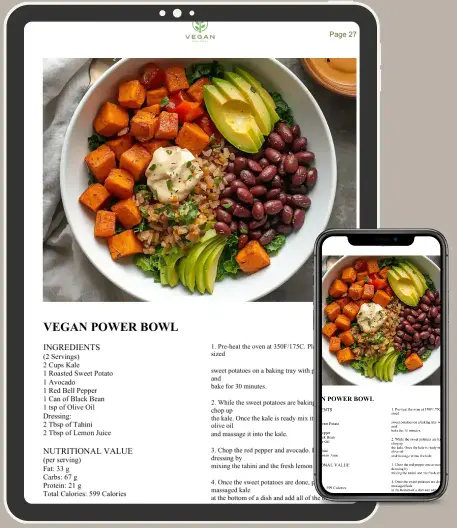
The Complete 28-Day Vegan Meal Plan + Grocery List
- 28-day structured calendar — breakfast, lunch, dinner & snack, every single day
- Every meal meets protein, iron & B12 — no guesswork, no gaps
- 4 weekly grocery lists — categorised, budget-friendly, zero waste
- Saves 7+ hours weekly — print once, follow all month
- Bonus Nutrition Guide Toolkit — vegan tips, guides & family meal prep
Instant digital download · Printable PDF · Use today
Conclusion: Building an Effective Vegan RA Nutrition Strategy
The evidence for a vegan diet for rheumatoid arthritis is consistent, mechanistically well-explained, and practically actionable. Plant-based eating addresses multiple inflammatory pathways simultaneously: reducing arachidonic acid substrate, loading antioxidants that quench synovial oxidative stress, feeding the gut microbiome with the fibre it needs to regulate immune activity, and removing the saturated fat that activates inflammatory TLR4 signalling. No single pharmaceutical agent addresses all five of these pathways at once.
The most critical practical adjustments for vegans with RA are the omega-3 strategy (algae EPA and DHA, not ALA alone), consistent daily turmeric and ginger, maximising dietary fibre through legumes and whole plant foods, and letting go of the nightshade myth so valuable anti-inflammatory vegetables stay on the plate.
A vegan diet for rheumatoid arthritis works best when it is treated as a comprehensive lifestyle approach rather than a list of individual foods. The anti-inflammatory vegan diet guide, the omega-3 foods guide, the gut health guide, and the autoimmune diet guide on this site all provide complementary frameworks that build on the principles covered here. You can also explore the clinical literature on anti-inflammatory nutrition via PubMed and dosing evidence summaries via Examine.com.