Medical Disclaimer: Irritable bowel syndrome (IBS) is a complex functional disorder with significant individual variation. This article is for informational purposes only. If you have been diagnosed with IBS, inflammatory bowel disease, coeliac disease, or another gastrointestinal condition, work with a gastroenterologist or registered dietitian before making significant dietary changes. The low-FODMAP protocol in particular should be supervised by a dietitian trained in its use.
A vegan diet for IBS sits at an uncomfortable intersection: the foods most associated with a healthy gut microbiome are often the same foods that trigger the most severe IBS symptoms. Legumes, garlic, onion, whole wheat, and some fruits, the foundation of a standard plant-based diet, are among the highest-FODMAP foods in existence.
This creates a genuine challenge that most plant-based IBS guides avoid confronting directly. The answer is not to abandon plant-based eating. The answer is to understand which plant foods are the problem, why they trigger symptoms, and which low-FODMAP plant alternatives deliver equivalent nutrition without the fermentation cascade that causes bloating, cramping, diarrhoea, and constipation in the irritable bowel.
The FODMAP framework, developed at Monash University and now the most evidence-backed IBS dietary tool, is fully compatible with plant-based eating when applied correctly. This guide translates it into practical vegan food choices, substitutions, and a protocol.
What IBS Is and Why Plant-Based Eating Is Complicated
Irritable bowel syndrome is a functional GI disorder: recurring abdominal pain associated with changes in stool frequency or consistency, without structural abnormality. It affects an estimated 10-15% of the global population and is the most commonly diagnosed gastrointestinal condition.
Why Standard Vegan Diets Can Worsen IBS
A vegan diet for IBS creates a genuine conflict: the foods with the strongest evidence for long-term gut microbiome health are often short-term IBS triggers. Three categories define this tension:
- Legumes are high in galacto-oligosaccharides (GOS): a FODMAP category that bacteria ferment rapidly in the colon, producing gas, bloating, and pain. Standard vegan dietary guidance recommends legumes at every meal. For an IBS patient in the middle of a flare, a daily cup of lentils can be genuinely disabling.
- Garlic and onion are among the highest-FODMAP foods in existence: both are rich in fructans (fructooligosaccharides) that even small amounts of can trigger severe symptoms in FODMAP-sensitive individuals. Both are present in virtually every savoury plant-based recipe.
- High insoluble fibre intake in IBS-D accelerates transit and worsens diarrhoea: the “eat more fibre” advice that applies broadly to gut health is not universally correct for IBS. The type of fibre matters more than the total amount, and for IBS-D in particular, rapid insoluble fibre loading is counterproductive.
The key insight: The problem is specific high-FODMAP plant foods, not plant-based eating as a category. A successful vegan diet for IBS identifies which plant foods are problematic, substitutes low-FODMAP equivalents, and reintroduces systematically. Precision, not abandonment, is the foundation of a vegan diet for IBS.
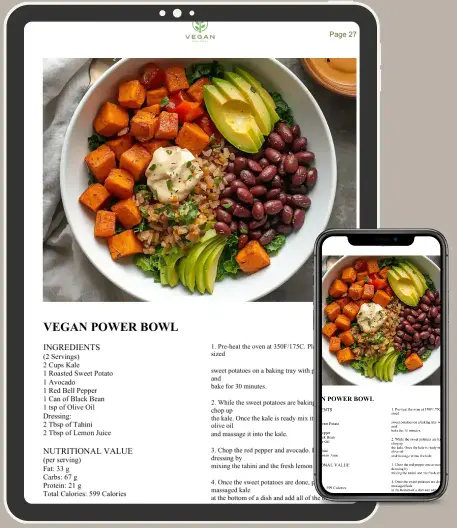
Ultimate 28-Day Vegan Meal Plan
+ Complete Grocery List & Toolkit
Built by a professional chef with 10+ years in MENA & Mediterranean kitchens
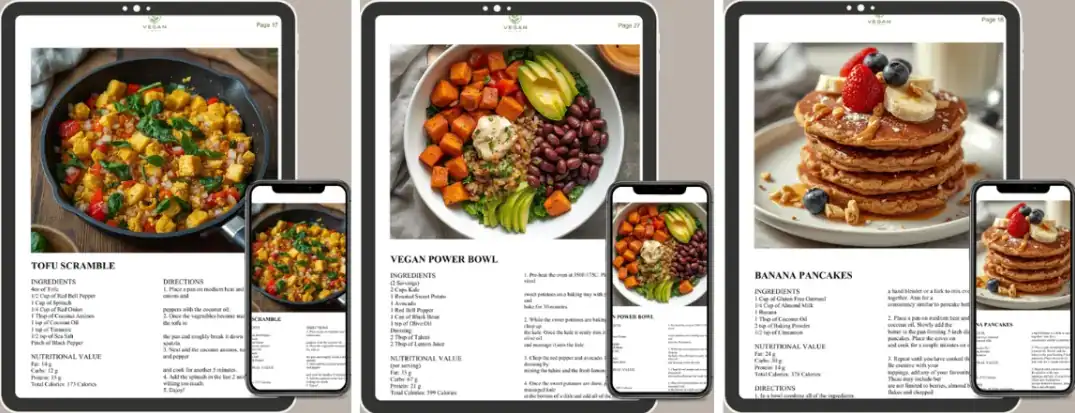
- 36 chef-tested vegan recipes — full-colour photo for every single one
- Complete 28-day meal calendar — every breakfast, lunch, dinner & snack planned
- 4 weekly grocery lists — organised by supermarket section, nothing specialty
- Getting started guides — nutrition, vegan swaps, protein facts, foods list
- Pantry & nutrition hub — Middle Eastern ingredients, whole grains, substitutions
- Budget-friendly tips — eat well, spend less every week
- BONUS: Vegan Nutrition Toolkit — protein cheat sheet, dining out guide, meal prep tips, label reading & quick reference sheets
The FODMAP Framework: The Most Evidence-Based IBS Tool
FODMAP stands for Fermentable Oligosaccharides, Disaccharides, Monosaccharides, and Polyols. These are categories of short-chain carbohydrates that are poorly absorbed in the small intestine and rapidly fermented by bacteria in the colon. In people with IBS, this fermentation process produces excessive gas, draws water into the bowel, and hyperstimulates the visceral nerve fibres that generate the pain signals characteristic of IBS.
FODMAP Categories: What They Are and Where They Hide in Vegan Foods
Source: Monash University FODMAP Diet App and database. Note: cauliflower is high in polyols at large servings but tolerated in small portions by many IBS patients. Threshold effects are individual.
The Vegan FODMAP Advantage
Lactose, the disaccharide FODMAP category in dairy, is entirely absent from a plant-based diet. Lactose intolerance frequently co-occurs with IBS and is one of the most common dietary triggers. A vegan diet eliminates this category automatically, without any deliberate modification.
The Three-Phase FODMAP Protocol
The FODMAP dietary protocol is not a permanent restriction diet. It consists of three structured phases:
- Elimination phase (2-6 weeks): all high-FODMAP foods are removed from the diet simultaneously. The goal is to establish a symptom-free baseline, not permanent restriction. Most people notice significant symptom relief within 2-3 weeks.
- Reintroduction phase (6-8 weeks): each FODMAP category is tested individually by reintroducing one food from each group for 3 days, then returning to the baseline before testing the next. This phase identifies which categories specifically trigger your symptoms.
- Personalisation phase (ongoing): based on reintroduction findings, you maintain a personalised diet that eliminates only your specific trigger categories. Most people can reintroduce several FODMAP categories without symptoms, significantly expanding their food range beyond the elimination phase.
Critical error to avoid: Treating the elimination phase as a permanent diet. Long-term FODMAP restriction is unnecessary for most patients and reduces microbiome diversity. The protocol identifies individual triggers, not a permanent food ban.
Vegan Foods Ranked for IBS: Low vs High FODMAP
The ranking below separates vegan foods into low-FODMAP (generally safe during elimination), moderate (threshold-dependent), and high-FODMAP (avoid during elimination). For a vegan diet for IBS to work, the elimination phase must be built around the green and yellow categories.
Plant-Based Foods by FODMAP Level
Source: Monash University FODMAP Diet App. Threshold effects are individual, portions that trigger symptoms in one person may be tolerated by another. This chart reflects the elimination phase guidance.
Garlic oil is a game-changer: Garlic flavour without FODMAPs. The fructans in garlic are water-soluble but not oil-soluble. Garlic-infused oil, made by heating garlic in oil and removing the garlic solids, delivers full garlic flavour with zero FODMAP content. This single substitution makes low-FODMAP vegan cooking significantly more flavourful and less restrictive. See the full guide to plant-based gut health for the microbiome context behind FODMAP fermentation.
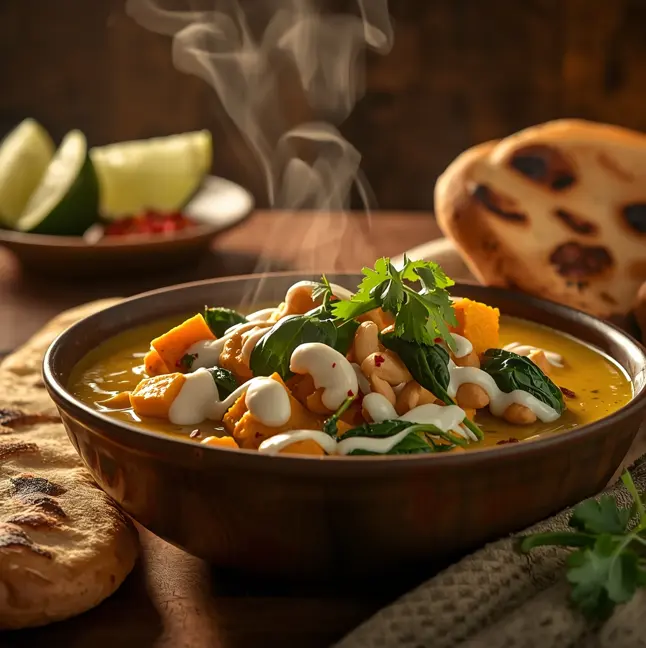
6 Spotlight Foods for Plant-Based IBS Management
These six foods are selected for their specific evidence in IBS management alongside their nutritional value and practical daily use in a plant-based kitchen.
Fibre Types and IBS: Soluble vs Insoluble
The single most important fibre principle for managing a vegan diet for IBS is understanding the difference between soluble and insoluble fibre and how each affects the irritable bowel differently.
Soluble vs Insoluble Fibre in IBS Management
Dissolves in water, forms a gel in the GI tract. Slows digestion, softens stools, stabilises transit. Beneficial for both IBS-C and IBS-D.
Best vegan sources: oats, psyllium husk, chia seeds, flaxseeds, carrots, potatoes (cooked and cooled), rice (cooked and cooled)
Does not dissolve, adds bulk and accelerates transit. Good for IBS-C in moderation. Often worsens IBS-D and abdominal pain when increased rapidly.
High sources: wheat bran, whole grain bread, raw vegetables, legume skins, apple and pear skins
The well-meaning advice to “eat more fibre” for gut health applies most directly to soluble fibre sources and applies differently across IBS subtypes. For IBS-C patients, both soluble and moderate insoluble fibre are generally beneficial. For IBS-D patients, soluble fibre (oats, psyllium, cooked root vegetables) is the priority while rapid increases in insoluble fibre often worsen urgency and frequency.
Resistant starch note: Cooked and cooled rice, potatoes, and pasta contain resistant starch, which is technically a type of prebiotic fibre that feeds butyrate-producing gut bacteria. Resistant starch is well-tolerated by most IBS patients and adds microbiome benefit without triggering fermentation symptoms. This is one reason why leftover rice and cold potato salads can be better tolerated than freshly cooked equivalents. The high-fibre vegan foods guide covers resistant starch sources in detail.
The Gut-Brain Axis: Why Stress and Diet Interact in IBS
IBS is classified as a disorder of gut-brain interaction. Symptoms arise not from structural bowel damage but from altered communication between the gut and central nervous system via the enteric nervous system and vagus nerve.
For the vegan diet for IBS protocol to work most effectively, dietary change should be paired with stress management. The microbiome influences mood through short-chain fatty acid production and tryptophan metabolism. This bidirectional relationship is why combined dietary and psychological approaches consistently outperform either alone.
The 7-Step Vegan IBS Protocol
This protocol is structured to move through the elimination, reintroduction, and personalisation phases within a plant-based framework. Steps 1-3 establish the elimination phase baseline. Steps 4-7 guide the reintroduction and maintenance approach.
-
1Switch your protein foundation from legumes to tofu and tempeh for 6 weeks
This is the most disruptive but most necessary change in establishing a low-FODMAP vegan elimination phase. Replace lentil and chickpea-based dinners with tofu and tempeh as the primary protein source. Both are low-FODMAP or low-moderate FODMAP (tempeh) and retain the complete amino acid profile of soy. This temporary substitution gives the gut the rest it needs while the baseline is established. Reintroduction of legumes in small portions typically begins at week 7-8.
-
2Replace garlic and onion with garlic-infused oil and spring onion greens
For a successful vegan diet for IBS elimination phase, this substitution solves the single biggest flavour challenge. Make garlic-infused oil by gently heating garlic cloves in olive oil for 10 minutes, then removing the solids, the oil is low-FODMAP and retains full garlic flavour. Use the green tops of spring onions freely in place of white onion. Combined with ginger, chilli, and fresh herbs, this substitution produces genuinely satisfying food without any FODMAP compromise. Reviewed in detail at NutritionFacts on FODMAP and IBS.
-
3Switch from wheat to rice, oats, and gluten-free grains as carbohydrate bases
Wheat contains fructans that trigger IBS in many patients. Rice and oats are both low-FODMAP at standard portions. Gluten-free pasta replaces wheat pasta directly. Sourdough bread (24+ hour ferment) is often tolerated because bacterial pre-digestion reduces fructan content. Cooked and cooled rice adds resistant starch that benefits the microbiome without fermentation symptoms.
-
4Prioritise soluble fibre over insoluble fibre, add psyllium if needed
A vegan diet for IBS that replaces high-FODMAP foods with low-FODMAP whole foods may temporarily reduce total fibre intake. Compensate with soluble fibre sources: oats, psyllium husk, chia seeds, and cooked root vegetables. Add psyllium husk at 5g in a large glass of water once daily if stool consistency becomes irregular during the elimination phase. Increase insoluble fibre sources only gradually, rapid increases worsen abdominal pain, urgency, and bloating in most IBS subtypes.
-
5After 6 weeks of baseline, begin structured FODMAP reintroduction
Introduce one FODMAP category at a time over three days, then return to baseline for four days before testing the next category. Start with the foods you miss most: for most vegans, this means testing GOS (legumes) first, then fructans (onion, garlic, wheat). Test portion sizes as well as categories, many patients tolerate small amounts of legumes (a quarter cup) where a full cup triggers symptoms. The goal is to identify your specific thresholds, not to re-eliminate everything. Most people can reintroduce two or three FODMAP categories after testing, significantly broadening the diet. Evidence for the structured protocol is reviewed at PubMed (Halmos et al., 2014 low-FODMAP RCT).
-
6Maintain microbiome diversity during restriction through low-FODMAP plant variety
The gut microbiome depends on variety. Long-term FODMAP restriction without variety reduces microbiome health. During elimination, maximise variety within low-FODMAP foods: rotate vegetables, vary herbs and spices, use different coloured peppers, and try different grain sources. This preserves microbiome diversity during restriction and improves personalisation phase outcomes. See the anti-inflammatory plant diet guide for the plant diversity and microbiome research.
-
7Monitor nutrient status and supplement appropriately
A temporary period of low-FODMAP eating may reduce legume intake, which in turn reduces folate, iron, and fibre. Monitor dietary adequacy using a tracking tool (Cronometer is appropriate) and address any gaps. B12 supplementation remains non-negotiable. Zinc from pumpkin seeds and hemp seeds can compensate for reduced legume zinc during the elimination phase. The nutrient deficiency guide covers the full panel relevant to vegans on a temporarily restricted diet.
A Chef’s Perspective: MENA Low-FODMAP Cooking Adaptations
In over 20 years cooking professionally across the Middle East and Mediterranean, the greatest culinary challenge of managing a vegan diet for IBS is the loss of garlic and onion. These two aromatics are not merely ingredients in MENA cooking, they are the flavour architecture of everything. Virtually every savoury dish in Lebanese, Gulf, and North African cuisine begins with a base of garlic and onion cooked in oil. Removing them is not a minor substitution.
The solution that works professionally is layered flavour replacement. Garlic-infused oil provides the garlic dimension. Scallion greens provide the onion freshness. Asafoetida (hing), a spice used extensively in South Asian cooking and sometimes in MENA spice blends, provides a deeply allium-like savoury depth at very small amounts and is low-FODMAP. Cumin, coriander, and turmeric compensate for the lost aromatic base by providing their own deep warmth. Fresh ginger provides pungency.
Together, these substitutions recreate approximately 80% of the flavour complexity of a traditional MENA cooking base, which is sufficient to make genuinely satisfying food. Lebanese mujaddara (rice and lentils with onion) adapted for low-FODMAP becomes rice, tofu, spring onion greens, and cumin in garlic-infused oil. The signature is still there. The FODMAP content is drastically reduced.
My recommendation for anyone navigating a vegan diet for IBS within a MENA culinary tradition: invest in good garlic-infused oil, keep a bunch of spring onions always in the refrigerator, and build your spice rack around cumin, coriander, turmeric, and asafoetida. These four tools make the difference, in any vegan diet for IBS, between food that is clinically tolerable and food that is genuinely pleasurable within its constraints. The Ultimate 28-Day Vegan Meal Plan + Grocery List (Complete Solution) provides 36 chef-tested whole-food recipes using simple supermarket ingredients, meeting protein, iron, and B12 needs, a cooking foundation that can be adapted with these FODMAP substitutions for individual needs.
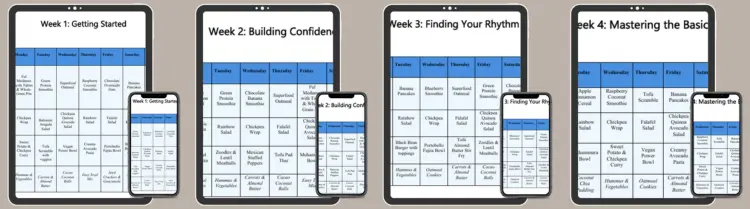
28-Day Vegan Meal Plan
+ Grocery List
Complete Solution · Nutritionist-Approved · Print & Use Today
Read on any device · No apps needed
Frequently Asked Questions
Can a vegan diet make IBS worse?
Yes, if it is built around high-FODMAP plant foods without modification. A standard plant-based diet with daily legumes, garlic, onion, and wheat can significantly worsen IBS symptoms in FODMAP-sensitive patients. However, a vegan diet for IBS that applies the low-FODMAP framework achieves symptom relief comparable to an omnivore low-FODMAP diet. The dietary pattern is not the problem. The specific high-FODMAP foods within that pattern are the problem, and they can be substituted.
Is a low-FODMAP diet the same as a gluten-free diet?
No, and confusing them is a common error. A low-FODMAP diet restricts fructans in wheat, not gluten itself. Many people who feel better avoiding wheat do so because they are reducing fructans, not because they have coeliac disease or non-coeliac gluten sensitivity. For IBS, it is fructan avoidance that matters, not gluten avoidance per se. Sourdough wheat bread (long-fermented) is often tolerated by IBS patients because the fermentation pre-digests the fructans, even though it still contains gluten. True coeliac disease requires lifelong strict gluten elimination regardless of IBS status.
Can vegans get enough protein on a low-FODMAP diet?
Yes. Firm tofu and tempeh are both low-to-moderate FODMAP and provide complete amino acid profiles. Peanut butter (2 tbsp is low-FODMAP), pumpkin seeds, hemp seeds, and small portions of canned, well-rinsed chickpeas and lentils are also tolerated by most IBS patients at appropriate serving sizes. The protein challenge is real but manageable. Most people following a vegan diet for IBS elimination phase can reach 50-70g of protein daily from these sources, which is adequate for most adults. Work with a dietitian if protein targets are a concern.
Are fermented foods good or bad for IBS?
It depends on the individual and the fermented food. Tempeh and miso (in small amounts) are generally well-tolerated because fermentation reduces FODMAP content. Sauerkraut and kimchi may worsen symptoms in some IBS patients due to the vinegar, residual fructan content, or simply from introducing significant bacterial activity to an already hypersensitive gut. The approach is to introduce fermented foods cautiously during the reintroduction phase, starting with small amounts of tempeh or miso and assessing individual response before adding higher-fibre fermented options.
Does garlic-infused oil really not trigger IBS symptoms?
For the vast majority of IBS patients who react to garlic fructans, yes. The fructans in garlic are water-soluble, not oil-soluble. When garlic is cooked in oil and the solids removed, the fructans remain with the garlic solids and do not transfer to the oil. Monash University has tested commercially produced garlic-infused oils and confirmed they are low-FODMAP. The caveat: this applies to oil where the garlic has been removed and the oil has cooled. Dishes cooked with whole garlic cloves present in the food still contain fructans from the garlic. The principle is sound and clinically validated, but use infused oil, not oil with floating garlic solids.
Why do some IBS patients react to foods that are labelled low-FODMAP?
Non-FODMAP triggers, including fat content, caffeine, capsaicin, and carbonation, affect IBS independently of fermentation. Some patients also react to histamine or salicylates rather than FODMAPs. If significant symptoms persist on a well-conducted elimination diet, further investigation with a gastroenterologist is appropriate to identify non-FODMAP triggers.
How long should the low-FODMAP elimination phase last?
The recommended elimination phase is 2-6 weeks: not longer. Most patients achieve a clear symptom baseline within 2-4 weeks. Extending restriction beyond 6 weeks without beginning reintroduction reduces gut microbiome diversity and increases the risk of nutritional deficiency. It also makes the subsequent reintroduction phase harder because the baseline becomes harder to distinguish from habituation effects. If symptoms have not improved after a strict 4-week elimination phase, the diagnosis may not be FODMAP-sensitive IBS and further medical investigation is warranted.
Can IBS be managed with diet alone, without medication?
For mild-to-moderate IBS, dietary management produces sufficient relief for 50-75% of patients. For severe IBS, medication (antispasmodics, loperamide, low-dose antidepressants for visceral hypersensitivity) is often necessary alongside dietary changes. Diet and medication are complementary. A gastroenterologist can guide whether medication is appropriate.
What is the difference between IBS and IBD?
IBS is a functional disorder with normal gut structure but disordered function. IBD (Crohn’s and ulcerative colitis) involves structural inflammation requiring anti-inflammatory medication. Their dietary management overlaps but differs significantly, particularly on fibre: high-fibre plant eating is broadly positive for IBS but can worsen active IBD flares. This distinction requires medical investigation and cannot be determined by symptoms alone.
Do probiotics help IBS on a vegan diet?
Specific strains show the best RCT evidence: Lactobacillus rhamnosus GG and Bifidobacterium infantis 35624. Plant-based probiotic supplements in cellulose capsules provide these without animal ingredients. The practical challenge is that FODMAPs in some probiotic-containing foods (yoghurt alternatives with inulin, kimchi with onion) may trigger symptoms independently of the probiotic. Standalone supplements avoid this conflict during elimination.
Should I avoid coffee on a vegan IBS diet?
Possibly, for IBS-D patients. Coffee is not a FODMAP trigger but it is a significant gut motility stimulant that can worsen urgency, frequency, and abdominal cramping in IBS-D through non-FODMAP mechanisms. Black coffee is technically low-FODMAP. However, the gastrocolic reflex stimulation from caffeine can be severe enough in IBS-D to warrant reduction or elimination during the elimination phase. For IBS-C, the motility-stimulating effect of coffee may actually be beneficial. Assess coffee response individually as part of the broader dietary assessment.
Is a vegan diet for IBS nutritionally complete long-term?
During the elimination phase, temporary legume reduction can lower folate, iron, and zinc. This is addressed by diversifying other low-FODMAP plant sources and supplementing B12. Once the personalisation phase is complete and individual FODMAP thresholds are established, most people can reintroduce legumes in tolerated quantities, restoring nutritional completeness. A permanently severe restriction of all high-FODMAP plants is nutritionally suboptimal and typically unnecessary once individual triggers are identified. Regular monitoring supports this, alongside the vegan blood test guide. Long-term, a vegan diet for IBS guided by individual reintroduction results is nutritionally complete with standard vegan supplementation.
A Plant-Based Diet and IBS: Precision Over Restriction
A vegan diet for IBS is not about avoiding all difficult foods permanently. It is about identifying which specific FODMAPs trigger your symptoms through a structured protocol, substituting intelligently during the elimination phase, and returning to the broadest possible plant food diversity once your individual thresholds are established.
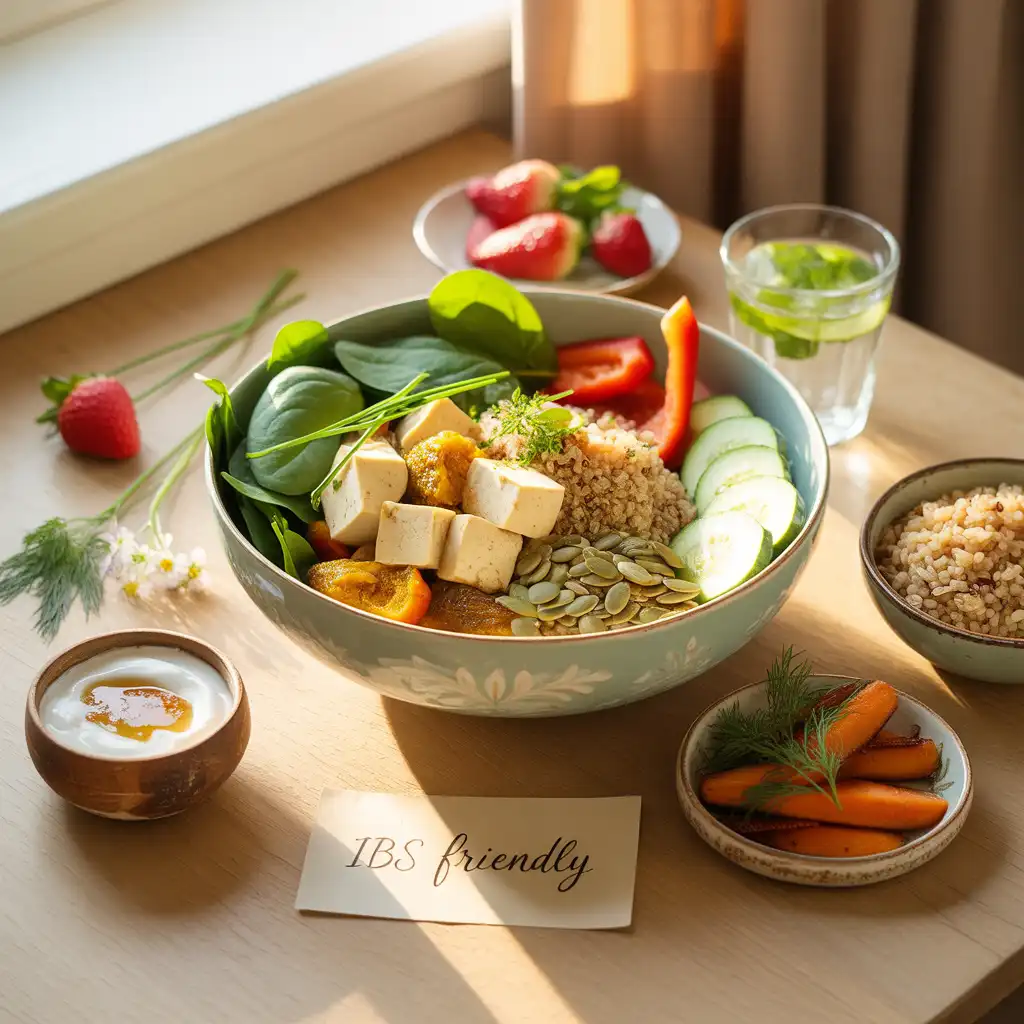
The framework is clear: tofu and tempeh for protein, rice and oats for carbohydrates, garlic-infused oil and spring onion greens for flavour, low-FODMAP vegetables for variety, and psyllium for soluble fibre. Most people with IBS can reach a nutritionally complete, satisfying, whole-food plant-based diet without the symptoms that previously defined their relationship with food.
The Ultimate 28-Day Vegan Meal Plan + Grocery List (Complete Solution) gives you 36 chef-tested recipes with a photo for every recipe, four weekly grocery lists, and a 28-day calendar, built from simple supermarket ingredients and meeting protein, iron, and B12 needs. Apply the FODMAP substitutions in this guide and work with a dietitian to individualise reintroduction.