Medical Disclaimer: This content is for informational and educational purposes only and does not constitute medical advice. Non-alcoholic fatty liver disease (NAFLD) is a medical condition requiring professional diagnosis and management. If you have been diagnosed with NAFLD, NASH, or any liver condition, consult a hepatologist or gastroenterologist and a registered dietitian before making significant dietary changes. Never stop or adjust prescribed medication based on dietary changes without medical supervision.
Vegan Diet for Fatty Liver: The Complete Plant-Based NAFLD Guide
TL;DR
Non-alcoholic fatty liver disease (NAFLD) affects 1 in 4 adults globally and is the leading cause of chronic liver disease. A well-designed vegan diet is one of the most powerful evidence-based interventions for NAFLD reversal because it simultaneously addresses all four of the primary dietary drivers of liver fat accumulation: excess fructose, saturated fat intake, gut dysbiosis, and systemic inflammation. Plant-based diets reduce liver fat through four distinct mechanisms — high fiber reduces hepatic lipogenesis, low saturated fat reduces intramyocellular and intrahepatic lipid deposits, plant polyphenols protect hepatocytes from oxidative stress, and fermented foods improve the gut-liver axis that drives NAFLD progression. The one nutritional gap specifically relevant to vegans is choline — the most underappreciated liver-health nutrient in plant-based eating. This guide covers the four NAFLD stages, the clinical evidence for plant-based reversal, the eight most powerful liver foods, a ranked chart of hepatoprotective foods, the critical choline question, and the complete 7-step vegan NAFLD protocol.
The Four Stages of NAFLD: From Steatosis to Cirrhosis
Non-alcoholic fatty liver disease is a spectrum, not a single condition. Understanding which stage dietary intervention targets most effectively is critical for setting realistic expectations and applying the right dietary intensity.
Stages 1 and 2 are the primary targets of dietary intervention. Both are fully or highly reversible with consistent dietary change. The window for dietary reversal of NAFLD is wider than most people realise — early-stage fatty liver detected on routine blood tests or scans is an opportunity, not a diagnosis of permanent liver damage.
How Plant-Based Diets Reverse NAFLD: The 4 Mechanisms
A vegan diet for fatty liver operates through four distinct and simultaneous mechanisms. This multi-pathway approach is what separates a well-designed plant-based NAFLD diet from simple caloric restriction or single-nutrient interventions.
Mechanism 1: High Fiber Reduces Hepatic Lipogenesis
De novo lipogenesis (DNL) is the liver’s conversion of excess carbohydrates into fat. Refined carbohydrates and fructose from added sugar drive DNL far more than other macronutrients — dietary fructose is nearly entirely metabolised in the liver and is uniquely lipogenic. High dietary fiber from legumes, whole grains, and vegetables slows glucose absorption, reduces insulin spikes, and directly suppresses the SREBP-1c transcription factor that drives DNL gene expression. A plant diet replacing refined carbohydrates with fiber-rich legumes and whole grains reduces hepatic fat accumulation through this mechanism independently of caloric restriction. Fermentable fiber also produces butyrate, which activates AMPK in hepatocytes — the master metabolic switch that reduces liver fat synthesis and increases fatty acid oxidation simultaneously. The high-fiber plant food framework is at the high fiber vegan foods guide.
Mechanism 2: Low Saturated Fat Reduces Intrahepatic Lipid Deposits
Saturated fatty acids — primarily palmitic acid from animal products and coconut/palm oils — activate hepatic inflammatory pathways via TLR4 receptors and drive intrahepatic lipid accumulation more potently than equivalent doses of unsaturated fatty acids. Plant-based diets that replace saturated animal fat with the unsaturated fats from olive oil, nuts, and seeds produce measurable reductions in intrahepatic triglyceride content over 8-12 weeks independent of total caloric intake. This is a direct fat-quality mechanism: the type of fat consumed changes liver fat metabolism regardless of how many total calories are consumed from fat. This connection links closely to the cholesterol framework at the vegan cholesterol guide.
Mechanism 3: Plant Polyphenols Protect Hepatocytes from Oxidative Stress
Hepatocyte oxidative stress is the primary driver of progression from simple steatosis (Stage 1, fully reversible) to NASH (Stage 2, inflammatory). Excess liver fat generates reactive oxygen species that damage hepatocyte membranes, activate stellate cells to produce fibrosis, and initiate the inflammatory cascade of NASH. Plant polyphenols — particularly resveratrol, curcumin, EGCG, silymarin (from milk thistle), and quercetin — neutralise hepatic ROS, inhibit NF-kB inflammatory signalling in liver cells, and upregulate Nrf2, the master antioxidant transcription factor in hepatocytes. Coffee deserves special mention: epidemiological and controlled clinical evidence reviewed at PubMed consistently shows 2-3 cups of coffee daily associates with lower NAFLD prevalence, lower ALT and AST, and reduced fibrosis progression — an effect attributed to chlorogenic acids and other polyphenols rather than caffeine specifically.
Mechanism 4: Improved Gut-Liver Axis Reduces Endotoxin Load
The gut-liver axis is a direct anatomical connection: the portal vein carries blood from the intestines directly to the liver, meaning that anything produced or absorbed in the gut reaches the liver first. Gut dysbiosis in NAFLD patients produces excess lipopolysaccharide (LPS) from gram-negative bacteria. LPS enters portal circulation and activates hepatic TLR4 receptors, driving the inflammation, oxidative stress, and stellate cell activation that converts simple steatosis to NASH. Plant-based diets rich in fermentable fiber and fermented foods restore microbiome diversity, reduce pathogenic LPS-producing bacteria, and increase the barrier-maintaining Akkermansia muciniphila and Bifidobacterium species. This gut-liver axis improvement is the mechanism connecting gut health to liver health — the full microbiome framework is at the vegan gut health guide.
The 8 Most Powerful Plant Foods for Liver Health
These eight foods address NAFLD through one or more of the four mechanisms above. Each has specific clinical evidence for liver health improvement either in human trials or strong mechanistic evidence from controlled studies.
1. Coffee (2-3 Cups Daily)
Mechanism: polyphenols + NF-kB inhibition + fibrosis reduction
The single most epidemiologically supported dietary intervention for NAFLD. Regular coffee consumption (caffeinated or decaffeinated) associates with significantly lower NAFLD prevalence, lower liver enzyme levels, and reduced fibrosis progression in multiple large prospective studies. The active compounds are chlorogenic acids, not caffeine. Two to three cups daily is the evidence-based dose.
2. Walnuts
Mechanism: omega-3 ALA + polyphenols + anti-inflammatory
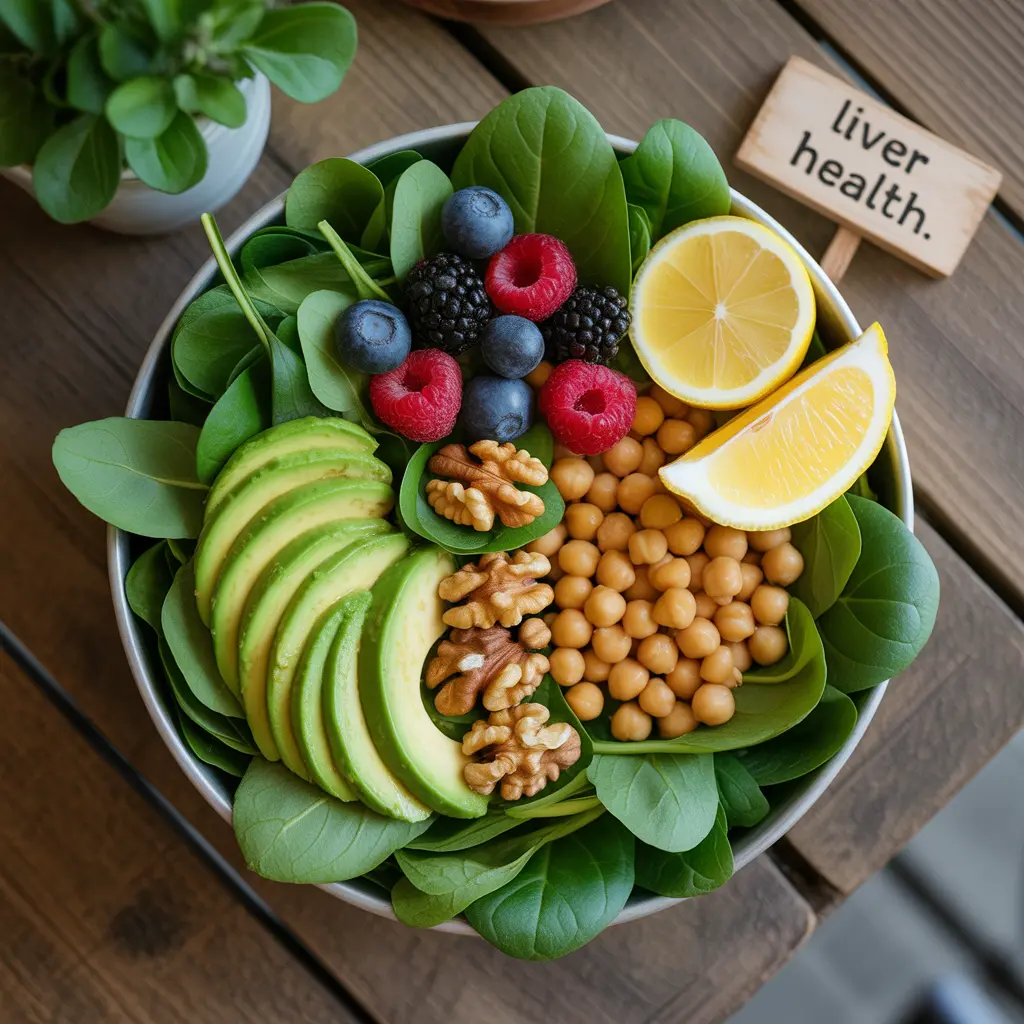
The most evidence-supported nut for NAFLD. A 12-week RCT found walnut consumption significantly reduced liver fat, ALT, and AST compared to controls on a standard diet. Walnuts deliver ALA omega-3 (2.7g per 30g), polyphenols including ellagic acid, and arginine (for nitric oxide production that supports hepatic blood flow). The only nut with meaningful omega-3 content relevant to liver inflammation.
3. Lentils and Legumes
Mechanism: fiber + resistant starch + plant protein replacing animal fat
Legumes address the NAFLD problem through multiple pathways simultaneously: their fermentable fiber reduces DNL, their resistant starch improves gut-liver axis health, their plant protein replaces saturated-fat-containing animal protein, and their low glycaemic load reduces post-meal insulin spikes that drive hepatic lipogenesis. Daily legume consumption consistently associates with better liver enzyme profiles in observational data.
4. Green Tea (EGCG)
Mechanism: EGCG + Nrf2 activation + hepatic fat oxidation
EGCG from green tea activates Nrf2 in hepatocytes, upregulating the antioxidant enzyme network that protects liver cells from oxidative stress. It also inhibits fatty acid synthase (FASN), directly reducing hepatic fat synthesis. Multiple clinical trials show green tea extract supplementation (and regular tea consumption) reduces ALT, AST, and liver fat quantified by ultrasound. Three to five cups daily provides clinically relevant EGCG doses without supplementation.
5. Broccoli and Cruciferous Vegetables
Mechanism: sulforaphane + Nrf2 + hepatic detoxification phase II
Sulforaphane from broccoli (and other cruciferous vegetables: Brussels sprouts, cauliflower, kale, cabbage) is one of the most potent Nrf2 activators known. In the liver specifically, Nrf2 activation upregulates the phase II detoxification enzymes (glutathione S-transferases, NQO1) that neutralise the reactive electrophiles and oxidised lipids driving NASH progression. Sulforaphane also reduces hepatic stellate cell activation — the primary driver of fibrosis. Eat broccoli lightly steamed or raw for maximum sulforaphane content.
6. Turmeric (Curcumin)
Mechanism: NF-kB inhibition + stellate cell suppression + bile production
Curcumin has extensive pre-clinical and growing clinical evidence for NAFLD. It inhibits NF-kB in hepatocytes (reducing inflammatory cytokine production), suppresses hepatic stellate cell activation (reducing fibrosis risk), and stimulates bile production that assists with dietary fat emulsification and clearance. A randomised trial found curcumin supplementation reduced liver fat grade and ALT significantly versus placebo over 8 weeks. Use with black pepper (piperine) to increase curcumin bioavailability by 2,000%.
7. Avocado
Mechanism: oleic acid + plant sterols + glutathione precursors
Avocado contains oleic acid (the same monounsaturated fat as olive oil), plant sterols that reduce hepatic cholesterol synthesis, and glutathione precursor compounds. A daily half avocado provides meaningful oleic acid alongside vitamin E for hepatocyte membrane protection and choline (19mg per half) — relevant to vegan choline strategy. Clinical evidence for avocado specifically in NAFLD is limited but mechanistically consistent with the broader MUFA-liver fat reduction literature.
8. Oats (Beta-Glucan)
Mechanism: beta-glucan + gut-liver axis + cholesterol clearance
Beta-glucan from oats reduces hepatic cholesterol synthesis by binding bile acids in the gut and preventing their reabsorption, forcing the liver to convert more cholesterol to new bile — a process that lowers total hepatic cholesterol and indirectly reduces liver fat. Beta-glucan also improves gut microbiome composition in ways that reduce LPS translocation to the liver, addressing the gut-liver axis mechanism. Three grams of beta-glucan daily (approximately one cup of cooked oats) is the evidence-based dose for liver enzyme improvement.
The Ultimate 28-Day Vegan Meal Plan + Grocery List
Everything you need to eat well for a full month — planned, photographed, and ready to print.
- Complete 28-day daily calendar
- 40+ nutritionist-approved recipes
- 4 weekly grocery lists
- Protein, iron & B12 at every meal
- Saves 7+ hours of planning per week
Top Vegan Liver Foods Ranked by Hepatoprotective Score
The chart below ranks vegan foods and beverages by a composite hepatoprotective score across four dimensions: evidence strength for liver fat reduction, anti-inflammatory effect on hepatocytes, gut-liver axis contribution, and oxidative stress protection. Higher scores reflect stronger or more consistent evidence across these dimensions.
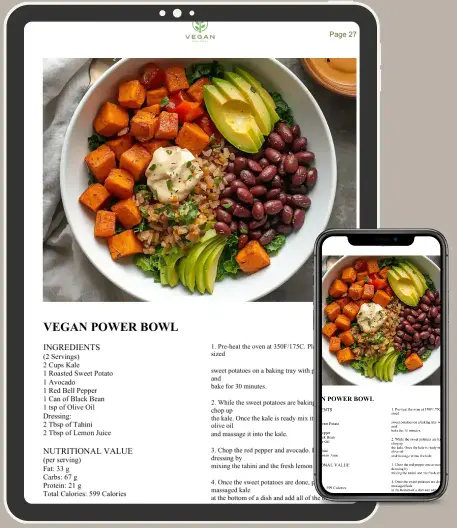
28-Day Vegan Meal Plan
+ Grocery List
Complete Solution · Nutritionist-Approved · Print & Use Today
Read on any device · No apps needed
Choline on a Vegan Diet: The Missed Piece in NAFLD Nutrition
Choline is the most underappreciated liver-health nutrient in vegan nutrition. It is not a vitamin in the classical sense — it is a conditionally essential nutrient that the body can synthesise in limited amounts but requires dietary supply to meet the full demand for liver function. Its role in NAFLD is direct and well-established: choline is required for the synthesis of phosphatidylcholine, the phospholipid that forms the outer membrane of very-low-density lipoprotein (VLDL) particles. VLDL is the liver’s primary mechanism for exporting triglycerides into circulation. Without adequate choline, VLDL cannot form properly, triglycerides cannot leave the liver, and liver fat accumulates.
Choline deficiency is one of the oldest and most reproducible experimental models of fatty liver disease. Deliberately feeding animals or humans a choline-deficient diet reliably produces NAFLD within weeks. Critically, choline deficiency-induced fatty liver occurs regardless of total caloric intake, fat intake, or carbohydrate intake. It is a direct, nutrient-specific mechanism for liver fat accumulation.
Why Vegans Are at Elevated Choline Risk
The richest dietary sources of choline are eggs (147mg per egg), liver (356mg per 100g), and fish (72-187mg per 100g) — all animal foods. Dairy provides moderate choline (40mg per cup of milk). The standard Western vegan diet, if not deliberately planned for choline, routinely falls below the adequate intake of 425mg/day for women and 550mg/day for men. This gap is not trivial: a daily choline deficit sustained over months to years is a direct contributor to liver fat accumulation that cannot be addressed by any other dietary intervention. The fact that choline is absent from most vegan nutrition guides makes it the single most important nutritional gap specific to plant-based liver health.
Vegan Choline Sources: Building to Adequate Intake
Building to Adequate Choline from Plant Foods: A Daily Example
Meeting the 425-550mg daily adequate intake from plants requires deliberate food selection:
- 100g firm tofu at lunch: 117mg choline
- 1 cup edamame as snack: 136mg choline
- 1 cup cooked kidney beans at dinner: 72mg choline
- 1 cup cooked broccoli with dinner: 48mg choline
- 1 cup cooked oats at breakfast: 35mg choline
- 2 tbsp peanut butter: 28mg choline
- Daily total: 436mg choline — meets female adequate intake (425mg). Men at 550mg need one additional high-choline serving or a choline supplement.
People who do not eat tofu or edamame daily will almost certainly fall below adequate choline intake. A phosphatidylcholine supplement (500-1000mg daily) is a practical option for vegans with NAFLD who cannot reliably meet choline targets from food.
Foods That Worsen NAFLD on Any Diet
For a vegan diet for fatty liver to produce maximum reversal, the liver-damaging inputs must be eliminated as consistently as the liver-protecting inputs are added. Several foods and beverages are common in poorly planned vegan diets and actively worsen NAFLD through specific mechanisms.
Fructose and Added Sugar: The Primary Hepatic Lipogenesis Driver
Fructose is uniquely hepatotoxic relative to other carbohydrates. Unlike glucose, which is metabolised throughout the body, fructose is almost entirely metabolised in the liver, where it bypasses the normal rate-limiting steps of glycolysis and is directly converted to triglycerides by de novo lipogenesis. The liver fat-fructose relationship is dose-dependent and independent of total caloric intake: consuming fructose in a caloric deficit still increases liver fat. Sources to eliminate entirely: fruit juice (even 100% natural), soft drinks, processed vegan desserts and baked goods with added sugar, agave syrup (76% fructose — worse than high-fructose corn syrup), and sweetened plant milks. Whole fruit is not a significant NAFLD risk because the fructose is delivered with fiber that dramatically slows absorption and reduces hepatic fructose load.
Saturated Fats from Coconut Oil and Processed Vegan Foods
Coconut oil is 90% saturated fat — the highest saturated fat content of any commonly used culinary oil. Palmitic acid (the primary saturated fatty acid in coconut oil and palm oil) directly activates TLR4 receptors on hepatocytes and Kupffer cells, driving inflammatory NF-kB signalling and hepatic lipid accumulation. Many vegan processed foods — including vegan butter, vegan cheese, vegan ice cream, and vegan pastry products — use coconut oil or palm oil as their fat base, creating a significant hidden saturated fat burden in plant-based diets that appear healthy. Replace coconut oil and palm-oil-based products with extra virgin olive oil, avocado oil, or whole food fat sources (nuts, seeds, avocado).
Refined Carbohydrates: The Insulin and DNL Driver
White bread, white rice, white pasta, refined vegan crackers, and processed vegan snack foods drive insulin spikes that activate SREBP-1c, the master transcription factor for hepatic de novo lipogenesis. The mechanism is insulin-mediated rather than fructose-mediated, but the outcome is the same: increased liver fat synthesis. Replacing refined carbohydrates with legumes, whole grains, and vegetables is the most practical single dietary change for reducing NAFLD progression in people eating a standard vegan diet. The insulin resistance connection to NAFLD is covered in depth at the vegan insulin resistance guide.
Alcohol: Completely Contraindicated in NAFLD
NAFLD by definition occurs in the absence of significant alcohol consumption — but alcohol worsens pre-existing liver fat through mechanisms that compound with NAFLD pathology: increased hepatic lipid peroxidation, direct mitochondrial dysfunction in hepatocytes, disruption of gut barrier integrity increasing LPS translocation, and inhibition of fatty acid beta-oxidation. Even moderate alcohol consumption significantly increases the risk of NASH progression and liver fibrosis in people with established NAFLD. Complete elimination is the standard clinical recommendation for anyone with diagnosed fatty liver disease at any stage.
28-Day Vegan Meal Plan + Grocery list.
Transform your lifestyle with our comprehensive guide. This isn’t just a recipe book; it’s a complete system designed for success:
- The Vegan Guide: Essential transition tips and nutritional benefits.
- 40+ Chef Recipes: Breakfast, lunch, and dinner with high-quality photos.
- 4-Week Meal Plan: A fully structured day-by-day calendar.
- Grocery Lists: Categorized weekly lists to save you time and money.
- Photos: High-Quality Recipe Photos.
- Nutritions: Vegan Nutrition Guide Toolkit.
The 7-Step Vegan NAFLD Reversal Protocol
This protocol applies all four reversal mechanisms simultaneously within a practical daily eating structure. The timeline for measurable improvement is 8-12 weeks for liver enzyme normalisation and 12-24 weeks for liver fat reduction confirmed on imaging.
Eliminate Fructose and Added Sugar Completely
This is the single highest-impact first step for NAFLD reversal. Remove fruit juice, soft drinks, sweetened plant milks, processed vegan desserts, and any product listing high-fructose corn syrup, agave, or added sugar in the first five ingredients.
- Replace fruit juice with whole fruit: same nutrition, dramatically different fructose delivery speed due to fiber
- Replace sweetened plant milk with unsweetened versions
- Read labels on all processed vegan products for added sugar content
- Allow whole fruit (2-3 servings/day): the fiber matrix protects against fructose-driven DNL
Replace All Refined Carbohydrates with Legumes and Whole Grains
White rice becomes soaked brown rice or lentils. White bread becomes sourdough whole grain or eliminates entirely. White pasta becomes lentil pasta or whole grain pasta in smaller portions. This shift reduces insulin-driven DNL while simultaneously increasing fiber for the gut-liver axis mechanism. The metabolic improvement is measurable within 4-6 weeks of consistent implementation.
Daily Coffee and Green Tea: The Polyphenol Liver Protocol
Two to three cups of coffee in the morning plus three to five cups of green tea across the day delivers the most evidence-supported polyphenol combination for liver protection available from beverages. The chlorogenic acids in coffee and the EGCG in green tea operate through different but complementary liver-protective pathways. This combination is the most accessible and lowest-cost liver-health dietary intervention available.
- Coffee: 2-3 cups, any preparation (filter, espresso, plunger — not sugar-laden café drinks)
- Green tea: 3-5 cups, brewed from loose leaf or quality tea bags (not bottled sweetened green tea)
- Both decaffeinated versions retain liver-protective polyphenols if caffeine is a concern
Daily Choline Target: 425-550mg from Identified Food Sources
Build choline intake deliberately using the grid in Section 5. Tofu, edamame, and kidney beans should be daily staples for vegan NAFLD management. If consistently hitting 425-550mg from food is not practical, phosphatidylcholine (500-1000mg daily) or alpha-GPC supplements provide a reliable plant-derived choline source.
Broccoli and Cruciferous Vegetables: Minimum 5 Servings Weekly
Sulforaphane from cruciferous vegetables is the most liver-specific Nrf2 activator in the plant kingdom. Five servings weekly of broccoli, Brussels sprouts, cauliflower, cabbage, or kale provides consistent sulforaphane delivery for hepatocyte oxidative stress protection.
- Steam lightly or eat raw: sulforaphane is destroyed by boiling and high-heat cooking
- Chopping or chewing raw broccoli converts glucoraphanin to sulforaphane via myrosinase enzyme
- Let chopped broccoli sit for 40 minutes before cooking: allows myrosinase to convert glucoraphanin first
Replace Coconut Oil and Processed Vegan Saturated Fats with EVOO
Extra virgin olive oil is the primary cooking fat and finishing oil. Its oleic acid does not drive TLR4 inflammatory signalling in hepatocytes, its oleocanthal inhibits inflammatory enzymes, and it provides vitamin E for hepatocyte membrane protection. Replace coconut oil, palm oil, and highly processed vegan product fats with EVOO in all cooking applications. Use avocado oil for high-heat cooking where EVOO flavour is unsuitable.
Target 7-10% Body Weight Loss If Overweight
The clinical evidence consistently shows that 7-10% body weight reduction produces histological improvement in NAFLD — including reduction in liver fat grade, resolution of inflammation, and in some cases reversal of early fibrosis. A high-fiber plant-based diet naturally facilitates this weight loss through high satiety at lower caloric density, without the nutritional deficiencies that accompany severe caloric restriction. The structured weight loss framework is at the vegan 30-day weight loss plan.
- Target a 500 kcal daily deficit for 0.5kg weekly fat loss
- Maintain adequate protein (1.2-1.6g per kg) to prevent muscle loss during caloric restriction
- Weight loss is additive to the direct dietary NAFLD reversal mechanisms — they work together
Chef Section: MENA Liver-Supportive Cooking
Twenty years of professional MENA and Mediterranean kitchen experience reveals a culinary tradition built around the very foods that clinical evidence identifies as most hepatoprotective: olive oil as the primary fat, legumes as the protein foundation, bitter herbs and coffee as daily staples, and an almost complete absence of refined sugar outside of dedicated dessert contexts. The traditional Mediterranean and MENA diet is not incidentally liver-supportive. It is structurally aligned with NAFLD prevention in a way that most modern diets, including poorly planned vegan diets, are not.
Four MENA Liver-Supportive Cooking Traditions
1. The Extra Virgin Olive Oil Finishing Tradition
In every professional MENA kitchen, extra virgin olive oil is used twice: once in low-heat cooking as a flavour base, and once as a cold finish drizzled over completed dishes at serving. The cold finishing application preserves polyphenols (oleocanthal, hydroxytyrosol) that are partially degraded during cooking. A tablespoon of cold EVOO drizzled over a lentil soup or grain bowl at serving is not aesthetic — it is a hepatoprotective polyphenol delivery that the MENA kitchen tradition has preserved without nutrition science instruction.
2. Coffee as Morning Medicine
The Arabic coffee tradition (qahwa: cardamom-scented light roast) and Turkish coffee culture both involve two to three small cups of strong, unsweetened coffee consumed in the morning as the most important daily beverage ritual. The chlorogenic acid content of these traditional preparations is high. In a professional MENA kitchen context, the morning coffee ritual is not a caffeine delivery mechanism — it is a cultural practice that happens to deliver one of the best-evidenced hepatoprotective dietary interventions available. The hepatologist’s recommendation for 2-3 cups of coffee daily for NAFLD management aligns precisely with a cultural practice that predates hepatology as a medical specialty.
3. Bitter Herbs and Garlic in Daily Cooking
MENA cooking uses bitter herbs (parsley, fresh coriander, za’atar) and raw or lightly cooked garlic in quantities that constitute genuine daily hepatoprotective doses. Allicin from garlic activates Nrf2 in liver cells, inhibits hepatic lipid synthesis, and reduces ALT in clinical studies of garlic supplementation. In professional MENA cooking, garlic is not a subtle flavouring — it is a structural ingredient used at quantities (four to six cloves per dish, often lightly crushed rather than fully cooked) that preserve allicin content while building the foundational flavour profile. The incidental liver protection from this culinary tradition is clinically meaningful.
4. Turmeric in Every Yellow Rice and Lentil Dish
In MENA professional cooking, a teaspoon of turmeric per four-person dish is standard for every rice preparation, lentil dish, and legume stew. This is culinary tradition, not supplementation protocol. But the curcumin delivery from this daily cooking practice at these concentrations is clinically significant — approximately the same curcumin dose used in some NAFLD intervention studies showing liver enzyme improvement. Black pepper is co-used with turmeric throughout MENA cooking not deliberately for bioavailability enhancement but because the flavour combination is traditional. The piperine-curcumin bioavailability enhancement is a scientific validation of a culinary tradition.
The MENA Liver-Supportive Day: A Professional Kitchen Template
- Morning: 2 cups Arabic qahwa (unsweetened cardamom coffee) + steel-cut oats with walnuts (30g) and blueberries (2.5g beta-glucan + chlorogenic acids + ALA omega-3)
- Mid-morning: 2 cups green tea
- Lunch: mujaddara (soaked lentils + cooled rice) with 2 tbsp EVOO finish + raw garlic + parsley + 100g firm tofu alongside (fiber + choline + oleocanthal + allicin)
- Afternoon: 2 cups green tea + 30g walnuts
- Dinner: turmeric-and-black-pepper chickpea stew + steamed broccoli lightly dressed with EVOO + lemon (curcumin + sulforaphane + oleocanthal, NF-kB triple inhibition)
- Daily choline estimate: 420-460mg. Daily hepatoprotective score: exceptional.

28-Day Vegan Meal Plan
+ Grocery List
Complete Solution · Nutritionist-Approved · Print & Use Today
Read on any device · No apps needed
Putting It Together: Vegan Diet for Fatty Liver as a Systematic Reversal Protocol
A vegan diet for fatty liver is not a single intervention. It is a four-mechanism system that simultaneously reduces hepatic fat synthesis (by eliminating fructose and refined carbohydrates), improves fat transport out of the liver (through adequate choline), protects hepatocytes from oxidative stress progression (through polyphenols, sulforaphane, and coffee), and improves the gut-liver axis that drives inflammation (through fermentable fiber and fermented foods). Applied consistently over 8-24 weeks, this protocol produces measurable improvements in liver enzymes, liver fat grade, and inflammatory markers — outcomes with a solid evidence base in both plant-based dietary research and the broader NAFLD intervention literature.
The missed piece that most vegan NAFLD guides omit is choline. No amount of fiber, polyphenols, or olive oil replaces the direct requirement for choline in hepatic VLDL synthesis and liver fat export. A vegan diet for fatty liver that does not actively address choline from tofu, edamame, legumes, and cruciferous vegetables — or supplement phosphatidylcholine when food choline is inadequate — will not achieve its full reversal potential regardless of how good the rest of the protocol is.
The anti-inflammatory and metabolic health connections extend beyond the liver: the full inflammatory diet framework is at the vegan anti-inflammatory guide and the cholesterol connection at the vegan cholesterol guide.
FAQ: 12 Questions About the Vegan Diet for Fatty Liver
Yes, with strong clinical support for stages 1 and 2 (simple steatosis and NASH). Plant-based dietary interventions have been shown in controlled studies to reduce liver fat by 20-50% over 12-24 weeks, normalise ALT and AST liver enzymes, and in some cases resolve NASH-grade inflammation entirely. The mechanisms are multiple and well-characterised: fiber reduces hepatic DNL, low saturated fat reduces intrahepatic lipid deposits, polyphenols protect hepatocytes from oxidative progression, and improved gut microbiome reduces LPS-driven liver inflammation. A well-designed vegan diet for fatty liver is one of the most evidence-aligned non-pharmacological NAFLD interventions available.
Yes — this is one of the most consistently supported findings in NAFLD epidemiology. Multiple large prospective cohort studies have found that regular coffee drinkers have significantly lower NAFLD prevalence, lower liver enzyme levels, lower rates of fibrosis progression, and lower hepatocellular carcinoma risk compared to non-drinkers. The protective compounds are chlorogenic acids and other polyphenols, not caffeine — decaffeinated coffee shows similar hepatoprotective associations. The evidence-based dose is 2-3 cups daily. Drinking coffee with added sugar, syrups, or high-calorie milk additions negates the benefit. Black coffee or coffee with unsweetened plant milk is the recommended preparation for NAFLD management.
Several dietary patterns common in poorly planned vegan diets contribute to NAFLD:
- High refined carbohydrate intake: white bread, white rice, vegan pastries, and processed snack foods drive insulin-mediated de novo lipogenesis
- High added sugar and fruit juice: fructose is directly lipogenic in the liver
- High coconut oil or palm oil consumption: processed vegan foods often use these saturated fats which drive hepatic inflammation
- Choline deficiency: inadequate tofu, edamame, and legume consumption leaves VLDL synthesis impaired, preventing liver fat export
- Low protein intake: inadequate dietary protein impairs VLDL synthesis through multiple pathways beyond choline
A vegan label does not protect against NAFLD if the underlying dietary quality is poor.
Choline is required to synthesise phosphatidylcholine, which forms the outer membrane of VLDL (very-low-density lipoprotein) particles. VLDL is the liver’s primary mechanism for packaging and exporting triglycerides into the bloodstream for use by other tissues. Without adequate choline, VLDL cannot form properly, triglycerides cannot leave the liver, and they accumulate as hepatic fat. Choline deficiency is one of the oldest and most reproducible experimental models of fatty liver disease — deliberately feeding subjects a choline-deficient diet reliably produces NAFLD within weeks regardless of caloric intake. This is not a theoretical concern: vegans who do not eat tofu, edamame, or kidney beans regularly are at real risk of chronic choline insufficiency contributing to liver fat accumulation.
Whole fruit is not a significant NAFLD risk, and the evidence does not support avoiding fruit in NAFLD management. The fructose in whole fruit is delivered slowly alongside substantial fiber, polyphenols, water, and micronutrients that dramatically slow absorption and reduce hepatic fructose load. The liver-damaging fructose comes from concentrated sources: fruit juice (removes all fiber, delivers fructose as fast as soft drinks), soft drinks, high-fructose corn syrup in processed foods, agave syrup (76% fructose), and concentrated dried fruit eaten in large quantities. Two to three servings of whole fruit daily is standard in the Mediterranean and MENA dietary patterns with the best NAFLD outcomes — these diets are not low-fruit diets.
Liver enzyme improvement (ALT and AST normalisation) typically begins within 4-8 weeks of consistent dietary implementation and is measurably significant at 12 weeks. Liver fat reduction confirmed by imaging typically requires 12-24 weeks for clinically meaningful reduction. Histological improvement (biopsy-confirmed NASH resolution) has been demonstrated at 6-12 months in dietary intervention studies. The timeline depends on baseline severity, degree of dietary change from the previous pattern, consistency of implementation, and whether weight loss accompanies the dietary change. Monitoring through blood tests at 8-12 weeks provides early feedback on whether the protocol is working before imaging is repeated.
Chronic high consumption of coconut oil can contribute to NAFLD progression through its palmitic acid content. Palmitic acid is the primary saturated fatty acid in coconut oil (approximately 45% of its fatty acid composition). In hepatocytes and Kupffer cells, palmitic acid activates TLR4 receptors, triggering inflammatory NF-kB signalling and hepatic lipid accumulation through mechanisms distinct from fructose-driven DNL. Occasional use of coconut oil in cooking is unlikely to cause clinically significant liver damage in people with otherwise healthy diets. Regular high-volume use — common in vegan cooking as a butter replacement and in processed vegan products — can contribute meaningfully to intrahepatic lipid accumulation over time.
The hepatoprotective beverage hierarchy:
- Coffee (2-3 cups daily): strongest evidence for liver protection of any beverage. Unsweetened only.
- Green tea (3-5 cups daily): EGCG and Nrf2 activation. Brewed, not bottled.
- Water: adequate hydration supports all hepatic metabolic processes
- Unsweetened plant milks: fortified versions contribute B12, D3, calcium alongside hydration
- Avoid completely: fruit juice, soft drinks, energy drinks, alcohol, sweetened beverages of any kind
For NAFLD specifically, the evidence suggests that a well-designed plant-based diet outperforms a generic low-fat diet because it addresses more causal mechanisms simultaneously. Low-fat diets reduce fat intake but do not necessarily address fructose and refined carbohydrate-driven hepatic lipogenesis, do not deliver the polyphenols and sulforaphane that protect against NASH progression, and do not improve the gut-liver axis through fermentable fiber. A plant-based diet rich in legumes, whole grains, cruciferous vegetables, coffee, green tea, and walnuts with adequate choline addresses all four NAFLD mechanisms at once. The Mediterranean diet pattern shows similar multi-mechanism benefits and is often used as a comparison standard in NAFLD dietary research — plant-based diets align closely with Mediterranean dietary principles.
The evidence-supported supplement consideration for vegan NAFLD management:
- Phosphatidylcholine (500-1000mg daily): if dietary choline from tofu, edamame, and legumes is consistently below 425mg/day
- Vitamin E (800 IU daily, as alpha-tocopherol): the only supplement with Level A evidence for NASH histological improvement in clinical guidelines — prescribed under medical supervision for confirmed NASH
- Algae omega-3 DHA/EPA (500mg daily): omega-3 supplementation reduces liver fat in NAFLD patients in multiple RCTs
- Curcumin (500-1000mg with piperine): if dietary turmeric intake is inconsistent
- B12 and D3: universal vegan requirements, not NAFLD-specific
Discuss any supplementation with a healthcare provider, particularly vitamin E at therapeutic doses.
NAFLD and insulin resistance are closely linked through bidirectional causality. Insulin resistance drives NAFLD by increasing hepatic DNL (through elevated insulin activating SREBP-1c), reducing fatty acid beta-oxidation in the liver, and increasing non-esterified fatty acid delivery to the liver from insulin-resistant adipose tissue. Conversely, hepatic fat accumulation worsens systemic insulin resistance by impairing hepatic insulin receptor signalling. They are self-reinforcing conditions that share almost all of the same dietary drivers and the same dietary interventions. The full insulin resistance dietary framework is at the vegan insulin resistance guide.
For stages 1 and 2 (simple steatosis and early NASH), diet alone has been shown to produce complete histological resolution in a significant proportion of patients in dietary intervention studies. The most impressive results come from combined dietary and lifestyle interventions producing 7-10% body weight reduction alongside specific food changes. For advanced fibrosis (stage 3), dietary intervention can halt progression and produce partial regression, but complete reversal of fibrosis likely requires sustained dietary commitment over 12-24 months and potentially pharmacological support. Cirrhosis (stage 4) involves irreversible structural changes that dietary intervention cannot reverse, though diet remains critical for managing liver function and preventing further damage. All stages benefit from dietary intervention — the earlier the intervention, the more complete the reversal.