
Vegan Brain Health Diet: The Complete Science Guide to the Brain-Gut Axis on Plants
A vegan brain health diet works through the brain-gut axis: the bidirectional communication highway linking gut microbiome composition, neurotransmitter production, and cognitive function. High-fiber plant diets reshape the gut microbiome toward strains that produce serotonin precursors, reduce neuroinflammation, and support BDNF, the protein responsible for neuron growth and memory. This guide covers the exact science, the most critical brain-supporting plant nutrients, a practical 7-step daily protocol, and how to structure meals that nourish both gut and brain simultaneously.
The Brain-Gut Axis: How Your Gut Talks Directly to Your Brain
A vegan brain health diet is built on one foundational insight: the gut and brain are not separate systems. They are continuous communicators linked by the vagus nerve, the enteric nervous system, immune signalling molecules, and gut microbiome metabolites. This bidirectional highway is the brain-gut axis, and the research around it represents one of the most significant shifts in nutritional psychiatry in decades.
The gut hosts approximately 100 trillion microorganisms that produce neurotransmitters, modulate immunity, synthesise short-chain fatty acids, and communicate directly with the vagus nerve. Around 90% of the body’s serotonin is produced here by enterochromaffin cells whose output is directly shaped by microbiome composition. The microbiome also produces GABA, dopamine precursors, and neuroprotective metabolites that cross the blood-brain barrier and influence mood, cognition, and anxiety.
High-fiber, polyphenol-rich plant diets are the most powerful intervention known for shifting microbiome composition toward neuroprotective species. Strains like Lactobacillus, Bifidobacterium, and Faecalibacterium prausnitzii thrive on dietary fiber, producing the SCFAs and signalling molecules that reduce neuroinflammation and promote BDNF expression. These organisms decline on low-fiber Western diets and recover rapidly on plant-based eating.
This bridges the research in the vegan gut health guide and the vegan diet and anxiety guide. The brain-gut axis is the biological mechanism connecting both topics.
The 8 Most Critical Brain Nutrients on a Vegan Brain Health Diet
A successful approach requires deliberate attention to eight key nutrients: either critical for neurological function, frequently under-consumed on plants, or both.
Of these eight, omega-3 DHA and B12 carry the highest deficiency risk on a plant diet and both require supplementation rather than dietary adjustment alone. The vegan supplements guide covers exact forms and dosages. The vegan blood test guide covers which markers to check and when.
Serotonin, Tryptophan, and the Gut-Brain Serotonin Factory
The relationship between microbiome health and serotonin production is one of the most clinically significant aspects of plant-based brain nutrition. Ninety percent of serotonin is synthesised in the gut by enterochromaffin cells, and the rate is directly modulated by specific gut bacteria.
The process begins with dietary tryptophan, the essential amino acid precursor to serotonin. Certain Clostridiales species produce SCFAs that stimulate enterochromaffin cells to upregulate this conversion. Bifidobacterium infantis increases tryptophan availability by reducing the competing IDO pathway that otherwise diverts tryptophan toward the pro-inflammatory kynurenine cascade rather than serotonin synthesis.
High dietary fiber drives tryptophan-promoting microbiome species. Polyphenols from berries and legumes inhibit IDO inflammatory activity. Magnesium supports tryptophan hydroxylase enzyme function. Pumpkin seeds, oats, lentils, and tofu provide the tryptophan substrate needed for optimal synthesis.
Tryptophan competes with other large neutral amino acids for transport across the blood-brain barrier. Pairing tryptophan-rich plant foods with complex carbohydrates triggers an insulin response that clears competing amino acids, giving tryptophan preferential brain entry. Oats with pumpkin seeds, or lentils with wholegrain rice, are particularly effective combinations for serotonin optimisation.
Include tryptophan-rich plant foods at breakfast and lunch, paired with complex carbohydrates, and maintain the high-fiber pattern that sustains serotonin-supporting microbiome species. Meaningful microbiome shifts begin within two weeks; mood and anxiety effects follow within four to six weeks, consistent with the evidence in the vegan diet and anxiety guide.
28-Day Vegan Meal Plan +
Grocery list.
BDNF: The Brain Fertilizer That Plant Eating Actively Protects
Brain-derived neurotrophic factor (BDNF) is one of the most important proteins in neuroscience. It supports the survival of existing neurons, promotes the growth of new neurons and synapses, and is essential for the long-term potentiation underlying memory formation. Low BDNF levels are consistently found in patients with depression, anxiety, Alzheimer’s disease, and cognitive decline. Conversely, higher BDNF levels are associated with better memory, faster learning, greater emotional resilience, and reduced neurodegeneration risk.
Dietary pattern is one of the most modifiable determinants of BDNF expression. Key upregulators include omega-3 DHA, curcumin, polyphenols from berries and dark chocolate, dietary fiber via SCFA production, and mild caloric restriction. A well-structured plant diet addresses nearly all of these levers simultaneously: algae DHA, abundant polyphenols and fiber, and naturally lower caloric density supporting the mild restriction that promotes BDNF upregulation.
The dietary factors that suppress BDNF are equally documented: saturated fat, refined sugar, caloric excess, and ultra-processed food patterns. A whole-food plant-based diet removes most of these suppressors while providing BDNF-promoting inputs, making it one of the most compelling long-term neuroprotective eating strategies.
Butyrate, produced by fiber-fermenting gut bacteria, crosses the blood-brain barrier and directly upregulates BDNF gene expression in the hippocampus. The chain: dietary fiber feeds beneficial bacteria, which produce butyrate, which drives BDNF, which builds stronger neural connections. High-fiber plant eating is the most practical daily way to sustain this pathway.
Curcumin, the active polyphenol in turmeric, is associated with measurable BDNF increases in clinical studies. Combining turmeric with black pepper increases curcumin absorption by up to 2,000% via piperine. This simple pairing, embedded in MENA and Mediterranean spice traditions for centuries, is one of the most accessible neuroprotective additions to any plant-based diet.
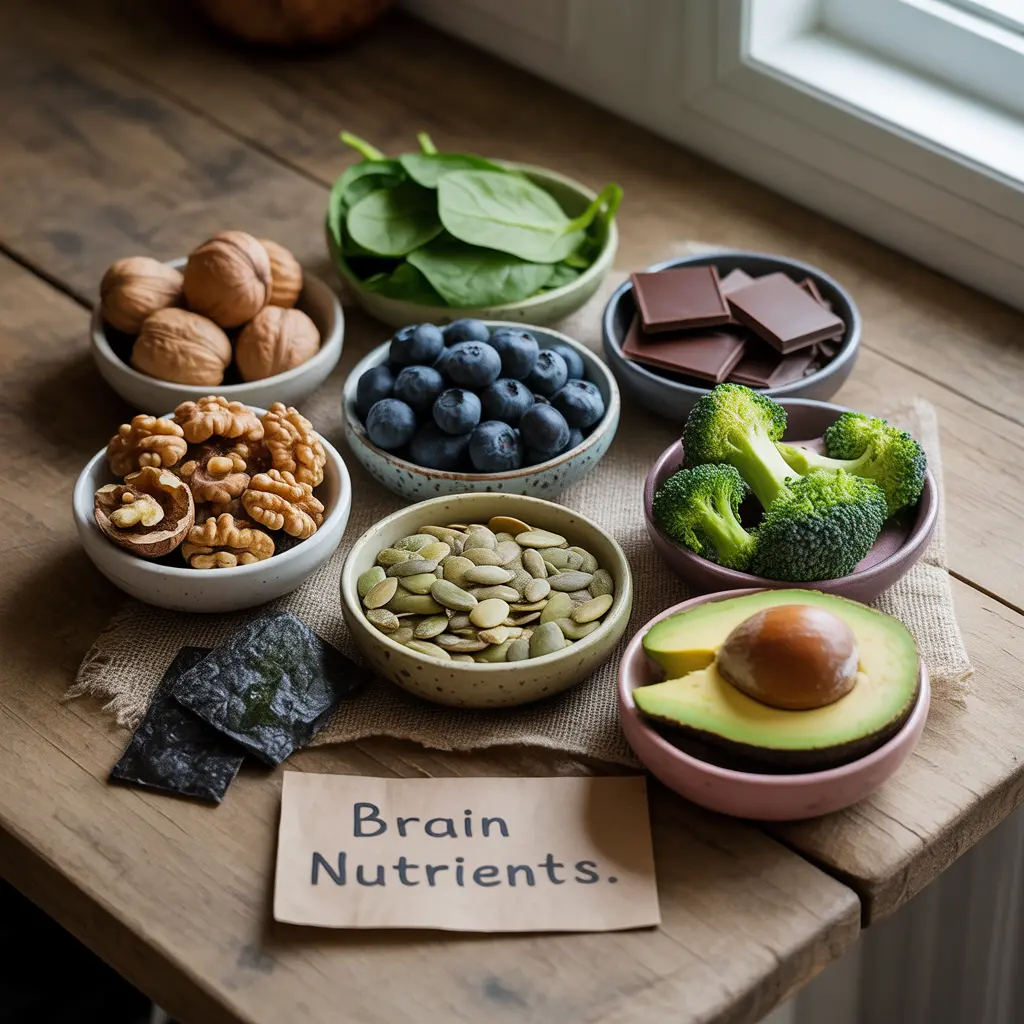
Walnuts rank highest for their omega-3 ALA content and polyphenol profile: ellagitannins converted by gut bacteria to urolithins, compounds with significant anti-neuroinflammatory activity. For ALA-to-DHA conversion rates and algae oil strategies, see the complete vegan nutrition guide.
What Happens to Your Brain Week by Week on a Vegan Brain Health Diet
Understanding the timeline of change on a plant-based brain nutrition plan helps set realistic expectations during the early phase when shifts occur below conscious perception.
The vegan diet and anxiety guide covers the mood timeline in detail. The vegan gut health guide explains the microbiome transition mechanics.
Vegan Brain Health Diet: Nutrient-to-Brain-Function Map
Your 7-Step Daily Protocol for the Vegan Brain Health Diet
The following protocol translates the brain-gut axis science into a practical daily framework. Each step targets one of the seven primary neurological levers identified in the research.
▼
▼
▼
▼
▼
▼
The ultimate 30-day vegan meal prep plan covers the batch cooking framework that makes consistent daily execution practical. The anti-inflammatory vegan diet guide covers the overlapping dietary principles.
MENA and Mediterranean Cuisine: Built for Brain Health Before the Science Existed
Twenty years across MENA and Mediterranean professional kitchens has shown how traditional food cultures instinctively assembled what research now confirms. The ingredients, combinations, and techniques of these traditions map almost perfectly onto cognitive nutrition science.
The most striking example is walnut-based dishes. Walnuts appear in Persian, Levantine, and North African cooking in salads, stuffings, dipping sauces, and stews. They were used medicinally for memory and mental sharpness long before the omega-3 and polyphenol research confirmed exactly why. In professional kitchens across MENA, we toast walnuts lightly in a dry pan before use: this releases the volatile aromatic compounds and increases the bioavailability of the fat-soluble polyphenols. A simple technique with a measurable nutritional upgrade.
The second is the turmeric and black pepper pairing in North African and Levantine spice blends. Ras el hanout, baharat, and chermoula all contain both turmeric and black pepper alongside other anti-neuroinflammatory spices like ginger and coriander. The curcumin-piperine bioavailability synergy that researchers identified in the 2000s had been codified in spice blend traditions for centuries. Working with these blends daily reinforces that culinary tradition and nutritional science arrive at the same place from different directions.
A third principle from professional Mediterranean cooking is the olive oil and polyphenol base. Starting almost every savory dish with a generous quantity of good extra-virgin olive oil and building aromatics in it creates a fat-soluble polyphenol carrier system: the oleocanthal and oleacein in high-quality olive oil are themselves anti-inflammatory and neuroprotective, and they carry the fat-soluble polyphenols from other ingredients through the digestive process. This is why traditional MENA and Mediterranean cooking, even before the shift to fully plant-based, consistently outperforms Western dietary patterns on neurological health outcomes in population studies.
See the Middle Eastern vegan recipes guide and the vegan diet nutrition and science guide for the recipes that embody these principles.
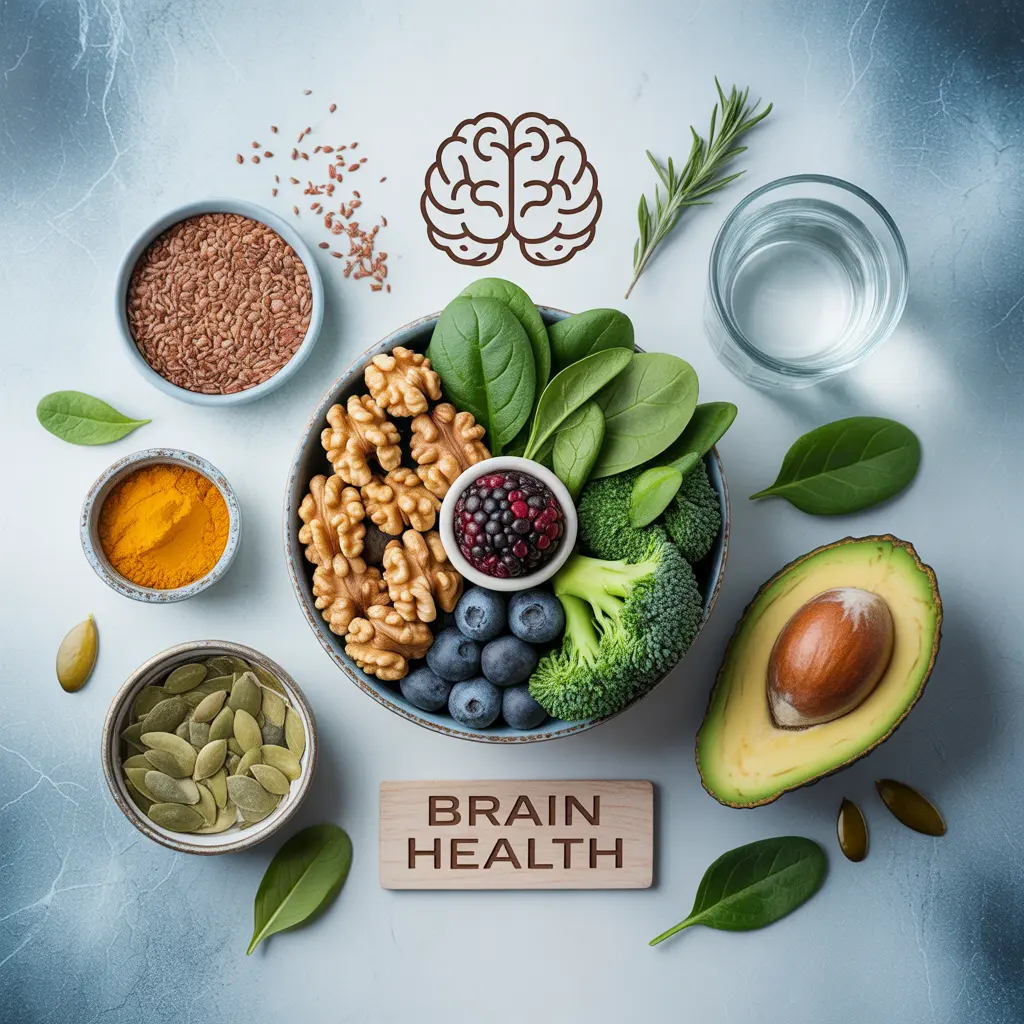
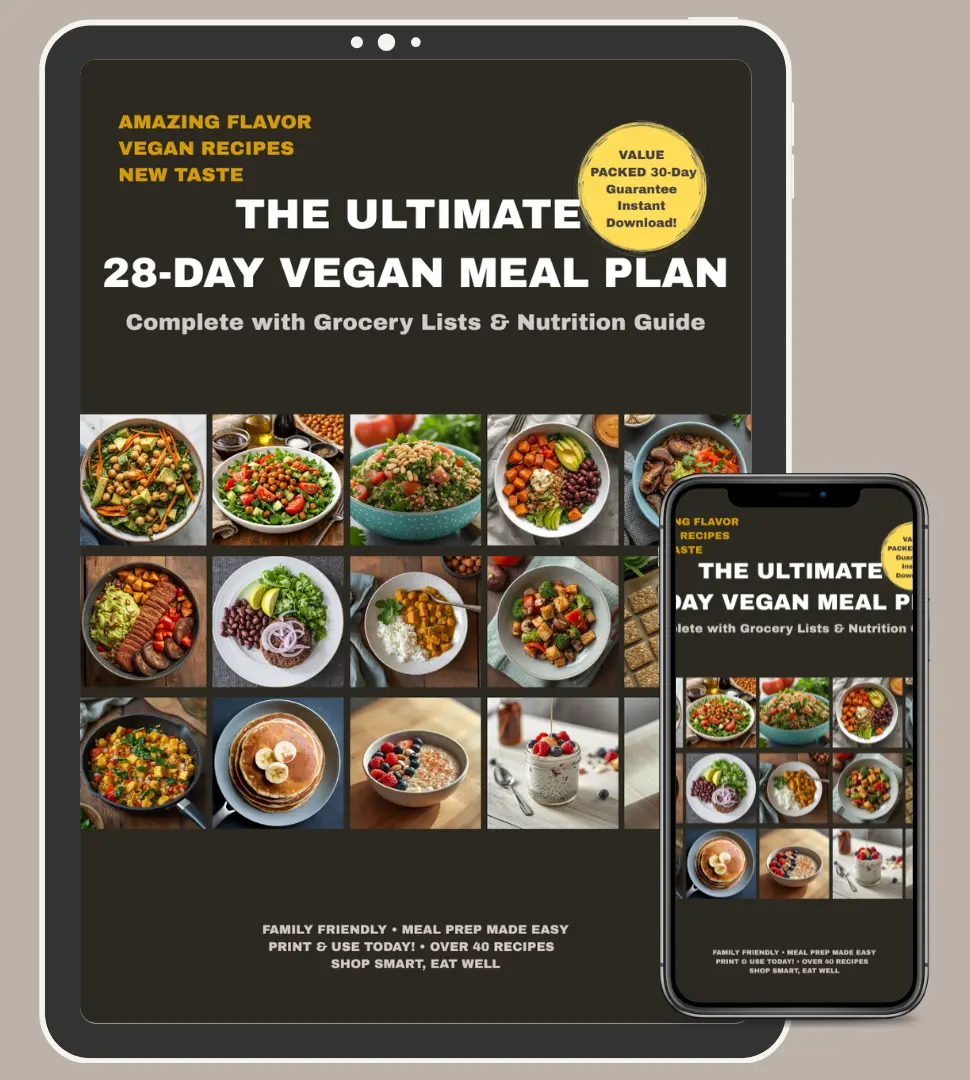
Implementing all seven steps of the vegan brain health diet protocol daily is straightforward with a structured plan in hand. The Ultimate 28-Day Vegan Meal Plan + Grocery List, (Complete Solution) includes a complete 28-day calendar with shopping lists, simple recipes with common ingredients, and a bonus Vegan Nutrition Guide Toolkit. Save 7+ hours weekly on meal planning.
Conclusion: Feed Your Brain Through Your Gut
The vegan brain health diet is a whole-system approach grounded in the brain-gut axis: the most direct route to cognitive health and neuroprotection runs through the gut microbiome, and a high-fiber, polyphenol-rich plant diet is the most powerful tool available for shaping it.
Feed abundant fiber to bacteria that produce serotonin precursors, butyrate, and anti-inflammatory metabolites. Supply DHA from algae oil, tryptophan from legumes and seeds, folate from dark greens, and magnesium from every whole plant meal. Protect BDNF with polyphenols, curcumin, and walnuts. The vegan brain health diet delivers all of this within a single coherent framework that compounds with every week of consistent application.
The Ultimate 28-Day Vegan Meal Plan + Grocery List, (Complete Solution) puts every brain health principle into ready-to-cook meals: over 40 nutritionist-approved recipes, vibrant photo for every dish, easy grocery list, and helpful vegan tips and guides. Print and use today.
Frequently Asked Questions About Vegan Brain Health Diet
1. Can a vegan diet improve brain health and cognitive function?
Yes. High-fiber plant diets support microbiome species responsible for serotonin production, BDNF upregulation, and neuroinflammation reduction. Longitudinal studies link plant-based patterns with 30-35% lower cognitive decline risk.
2. What is the brain-gut axis and why does it matter for vegans?
The brain-gut axis is the bidirectional communication network between the gut microbiome and the brain via the vagus nerve, immune signalling, and neurotransmitter metabolites. Plant foods are the primary fuel for the gut bacteria that drive this pathway.
3. What is the most important nutrient for brain health on a vegan diet?
DHA omega-3 and B12 carry the highest deficiency risk with the most direct neurological consequences. DHA is critical for brain membrane structure and synaptic function. B12 deficiency causes progressive, potentially irreversible nerve damage.
4. How does the gut microbiome affect mood and mental health?
The gut microbiome produces over 40 neuroactive compounds including serotonin precursors, GABA, and dopamine metabolites. It also regulates the neuroinflammatory environment. A diverse, fiber-fed microbiome is strongly associated with better mood and reduced anxiety.
5. What vegan foods are best for cognitive function?
Walnuts, blueberries, lentils, pumpkin seeds, dark leafy greens, flaxseed, turmeric with black pepper, dark cacao, and tofu rank highest for combined cognitive nutrient density. Each provides different brain-supporting compounds: DHA precursors, polyphenols, tryptophan, folate, magnesium, or zinc.
6. Can a vegan diet help with anxiety and depression?
Mechanistically, yes. The gut-microbiome-serotonin pathway directly links dietary fiber intake to serotonin production. Polyphenols reduce neuroinflammation associated with depression. Adequate magnesium, folate, and tryptophan support neurotransmitter synthesis. The evidence is reviewed in detail in the vegan diet and anxiety guide.
7. What is BDNF and how do plant foods affect it?
BDNF (brain-derived neurotrophic factor) is a protein that supports neuron survival and growth, and underlies memory formation. Dietary fiber drives gut bacterial production of butyrate, which crosses the blood-brain barrier and upregulates BDNF gene expression. Polyphenols from berries, cacao, and turmeric also independently promote BDNF.
8. Do I need to take DHA supplements on a vegan diet for brain health?
Yes. ALA from flaxseed and walnuts converts to DHA at only 5-10% efficiency in the body. Algae-sourced DHA supplements provide the direct form that the brain uses. A dose of 250-500mg daily is the standard recommendation for cognitive support on a vegan brain health diet.
9. How quickly does a plant diet change brain and mood function?
Initial gut microbiome shifts begin within days. Measurable mood and anxiety changes typically appear within four to six weeks of consistent high-fiber eating. Sustained cognitive benefits from BDNF upregulation and neuroplasticity improvements develop over two to six months of consistent dietary pattern maintenance.
10. Is the Mediterranean diet better than a vegan diet for brain health?
They overlap significantly. The Mediterranean diet’s brain health benefits come almost entirely from its plant components: legumes, olive oil, vegetables, nuts, and polyphenols. A well-structured vegan diet incorporates all of these while eliminating the saturated fat from animal products associated with neuroinflammation.
11. What role does sleep play in the vegan brain health diet?
Sleep is when the glymphatic system clears neurotoxic waste. Magnesium supports deep sleep architecture. Tryptophan provides the melatonin precursor. Covering both nutrients consistently supports the overnight brain-clearing process critical for long-term cognitive protection.
12. Can children benefit from a vegan brain health diet?
Yes, with careful attention to B12, DHA, iodine, iron, and zinc. These nutrients are critical during brain development. A well-planned vegan diet that supplements appropriately and includes a wide variety of whole plant foods can support healthy cognitive development. Consultation with a paediatric dietitian is advisable for children under five.
Still spending hours figuring out what to eat?
What’s included in your download
- 40+ nutritionist-approved recipes
- Complete 28-day calendar
- Meets protein, iron & B12 needs
- Family & meal prep friendly
- Vibrant photo for every recipe
- Simple, common ingredients
Instant PDF download. No subscriptions. No waiting.