
Medical Disclaimer: The information on this page is for general educational purposes only and does not constitute medical advice. Dietary changes, especially for individuals with health conditions, require professional guidance. Never modify your diet or supplement regimen without consulting your healthcare provider or registered dietitian. This content does not replace clinical diagnosis or individualised medical care.
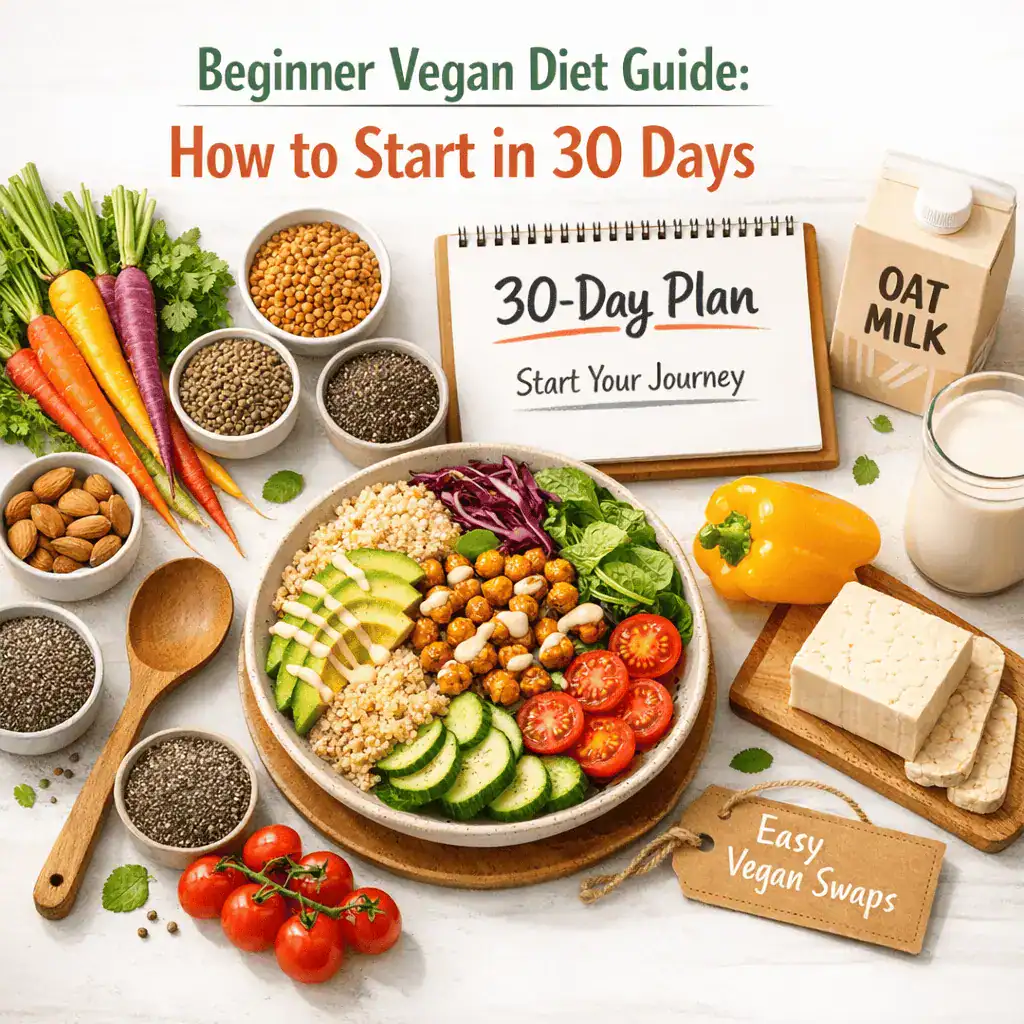
Beginner Vegan Diet: Your 30-Day Start Guide Without Confusion
A beginner vegan diet is simpler than the internet makes it seem. This guide delivers a clear 30-day roadmap, essential nutrient checklist, five easy meal templates, and practical strategies for social situations. Focus on familiar foods first, stock pantry staples, prioritise protein variety, and remember: progress matters more than perfection. Most people find that a well-planned plant-based approach actually simplifies eating choices while supporting long-term health.
What Is a Beginner Vegan Diet? Key Reasons to Start
Starting a beginner vegan diet can feel overwhelming when you’re staring at your fridge wondering what’s left to eat. You’ve probably heard conflicting advice about protein, read horror stories about nutrient deficiencies, and questioned whether you can actually stick with this long-term. Here’s the truth: transitioning to a vegan diet is simpler than the internet makes it seem, and this guide will show you exactly how to start without the confusion, deprivation, or mistakes that trip up most beginners.
A vegan diet eliminates all animal products, including meat, poultry, fish, eggs, dairy, and honey. Unlike vegetarians who may consume eggs and dairy, vegans rely entirely on plant-based foods like fruits, vegetables, grains, legumes, nuts, and seeds. For a complete overview of plant-based nutrition fundamentals, see our beginner vegan diet guide.
People adopt this eating pattern for three main reasons:
- Health benefits: Research links plant-based eating to lower risks of heart disease, type 2 diabetes, certain cancers, and obesity. Many people report improved energy, clearer skin, and better digestion after making the switch.
- Environmental impact: Animal agriculture contributes significantly to greenhouse gas emissions, deforestation, and water consumption. A vegan diet can reduce your carbon footprint by up to 73%, according to Oxford University research.
- Animal welfare: For many, eliminating animal products aligns with ethical beliefs about animal rights and reducing animal suffering in factory farming systems.
Your reasons are personal, and they don’t need to fit perfectly into these categories. What matters is finding your “why” because it will anchor you when the transition gets challenging. Many people find that a well-planned beginner vegan diet actually simplifies their eating choices and improves their health.
A comprehensive review published in the Journal of the American Heart Association found that plant-based diets are associated with a 25% lower risk of developing cardiovascular disease compared to non-plant-based diets. The benefits appear strongest when diets emphasise whole foods over processed alternatives.
Beginner Vegan Diet Plan: Your First 30 Days Guide
Week 1: Assessment and Education
This initial assessment phase is crucial for any successful beginner vegan diet. Don’t throw out your entire pantry on day one. Instead, spend this week observing and learning.
Audit your current diet. Write down everything you eat for three days. Notice which meals are already vegan or could easily become vegan with simple swaps. That morning oatmeal? Already vegan. Pasta with marinara? Vegan. This exercise reveals that you’re probably closer to plant-based eating than you realize.
Learn to read labels. Animal products hide in unexpected places. Whey (dairy), casein (dairy), and gelatin (animal bones) appear in everything from bread to candy. Download a vegan scanner app like “Is It Vegan?” to make grocery shopping easier. For store navigation tips, see our vegan grocery shopping guide.
Identify your protein sources. This is the number one concern for new vegans. Familiarize yourself with high-protein plant foods: lentils (18g protein per cooked cup), chickpeas (15g per cup), tofu (20g per cup), tempeh (31g per cup), and edamame (17g per cup). You’ll be eating these regularly. For a complete protein reference, see our vegan protein sources guide.
Research nutrient needs. Beyond protein, focus on vitamin B12 (supplement required), iron (pair with vitamin C for absorption), omega-3 fatty acids (flaxseeds, chia seeds, walnuts), and calcium (fortified plant milks, leafy greens, tofu). For comprehensive nutrient guidance, see our complete vegan nutrition guide.
Week 2: Simple Substitutions
Start replacing animal products with plant-based alternatives in your favorite meals.
Breakfast swaps:
- Cow’s milk → Oat milk, soy milk, or almond milk
- Scrambled eggs → Scrambled tofu with turmeric and black salt
- Yogurt → Coconut yogurt or soy yogurt
- Butter on toast → Avocado, peanut butter, or vegan butter
Lunch and dinner swaps:
- Ground beef → Lentils, crumbled tempeh, or textured vegetable protein
- Chicken → Chickpeas, white beans, or marinated tofu
- Cheese → Nutritional yeast, cashew cheese, or store-bought vegan cheese
- Sour cream → Cashew cream or coconut cream
Snack swaps:
- Regular chips and crackers → Check labels; many are accidentally vegan
- Chocolate → Dark chocolate (check for milk ingredients)
- Ice cream → Coconut-based, oat-based, or cashew-based ice cream
The goal this week is familiarity, not perfection. You might discover that oat milk tastes better in coffee than almond milk, or that nutritional yeast becomes your new obsession.
Week 3: Master Basic Meal Building
Now that you understand substitutions, learn to build balanced vegan meals from scratch.
The vegan plate formula:
- Half plate: Non-starchy vegetables (broccoli, spinach, peppers, cauliflower, zucchini)
- Quarter plate: Protein source (beans, lentils, tofu, tempeh, seitan)
- Quarter plate: Complex carbohydrates (brown rice, quinoa, sweet potato, whole grain pasta)
- Healthy fats: Avocado, nuts, seeds, olive oil
Five easy meal templates to rotate:
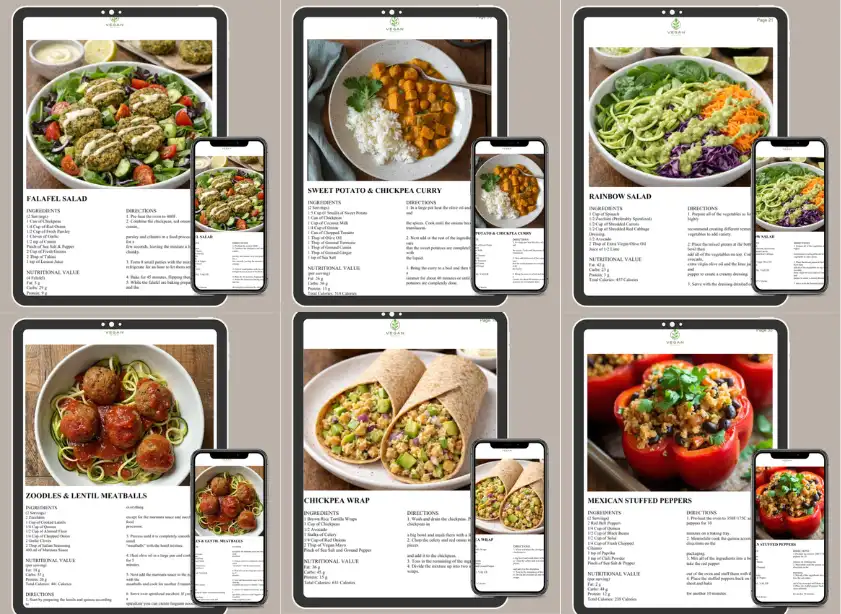
- Buddha bowls: Grain base + roasted vegetables + protein + sauce (tahini, peanut sauce, or cashew cream)
- Stir-fries: Tofu or tempeh + mixed vegetables + soy sauce or teriyaki + rice or noodles
- Tacos: Black beans or lentils + lettuce + tomatoes + avocado + salsa + corn tortillas
- Pasta dishes: Whole grain pasta + marinara or pesto + white beans + sautéed greens
- Curries: Chickpeas or lentils + coconut milk + curry paste + vegetables + rice
Cook one new recipe every few days. Simplicity beats complexity when you’re learning. A sheet pan of roasted chickpeas and vegetables with tahini sauce requires minimal skill but delivers maximum nutrition. For time-saving strategies, see our vegan meal prep for beginners guide.
Week 4: Navigate Challenges and Build Confidence
The final week focuses on real-world situations that challenge new vegans.
Eating out: Most restaurants now offer vegan options, but don’t hesitate to ask for modifications. Request pasta with marinara instead of cream sauce, ask for burrito bowls without cheese and sour cream, or order vegetable sushi rolls. Asian, Mediterranean, Mexican, and Indian cuisines typically have the most vegan-friendly options.
Social gatherings: Offer to bring a dish you know you can eat. A hearty quinoa salad, vegan chili, or vegetable curry shows others that plant-based food is delicious and filling. Most people won’t even notice the absence of animal products.
Cravings for old favorites: Distinguish between physical hunger and emotional attachment. If you’re craving your grandmother’s chicken soup, you might be craving comfort and memories, not the chicken itself. Create new traditions with satisfying vegan versions. Vegan comfort food exists: creamy mac and cheese, loaded nachos, burgers, pizza, and more.
Meal prep strategies: Dedicate two to three hours on Sunday to batch cooking. Prepare a large pot of grains, roast sheet pans of vegetables, cook several types of beans, and chop vegetables for quick assembly during the week. This prevents the “I don’t know what to eat” panic that leads to ordering non-vegan takeout.
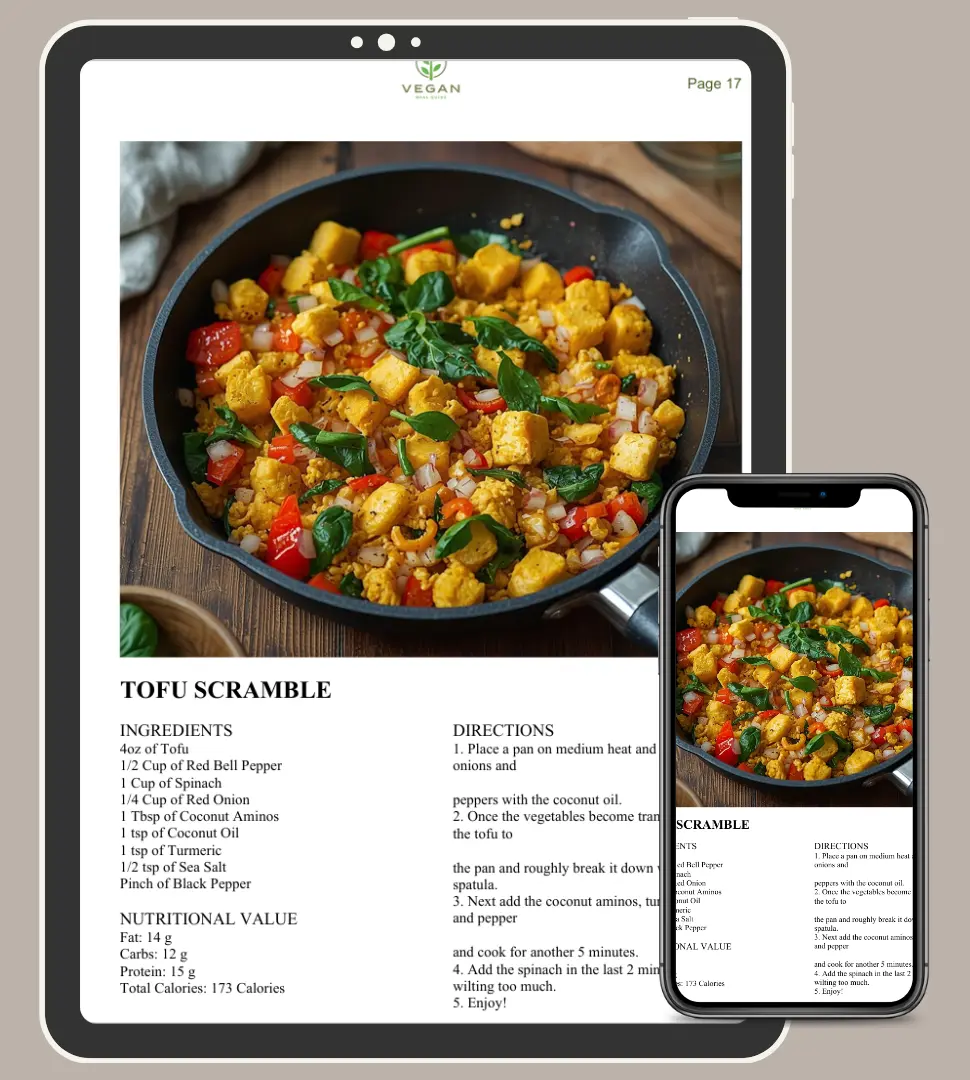
Getting consistent daily nutrition from plant foods is far easier with a structured plan already in place. The Ultimate 28-Day Vegan Meal Plan + Grocery List (Complete Solution) includes nutritionist-approved recipes and easy weekly grocery lists covering all 4 weeks, giving you a reliable framework to incorporate beginner vegan diet principles without daily planning stress.
Essential Nutrients for Your Beginner Vegan Diet
While a well-planned vegan diet provides most nutrients, several require special attention.
Vitamin B12 (Critical)
This vitamin doesn’t naturally occur in plant foods. Take a daily supplement of 250 micrograms or a weekly dose of 2,500 micrograms. Non-negotiable. B12 deficiency causes irreversible nerve damage, so supplementation is essential for every vegan. For guidance on testing and supplementation timing, see our vegan blood test guide.
Protein
Contrary to popular belief, protein deficiency is rare on a vegan diet if you’re eating enough calories. Aim for 0.8 to 1.0 grams per kilogram of body weight. A 150-pound person (68 kg) needs about 54-68 grams daily. One cup of cooked lentils (18g) plus a cup of quinoa (8g) plus two tablespoons of peanut butter (8g) plus a cup of soy milk (7g) provides 41 grams already.
Iron
Plant-based iron (non-heme) absorbs less efficiently than animal-based iron (heme), but absorption increases dramatically when you consume vitamin C simultaneously. Eat iron-rich foods like lentils, spinach, tofu, and fortified cereals alongside citrus fruits, bell peppers, or tomatoes. For a complete reference on plant-based iron, see our vegan iron sources guide.
Omega-3 fatty acids
While fish contains DHA and EPA directly, your body can convert ALA (found in flaxseeds, chia seeds, hemp seeds, and walnuts) into these crucial omega-3s. Grind flaxseeds or chia seeds for better absorption, and consider an algae-based DHA supplement if you have conversion concerns.
Calcium
Fortified plant milks contain as much calcium as cow’s milk. One cup of fortified soy or oat milk typically provides 300-350mg. Add calcium-set tofu, leafy greens like bok choy and kale, tahini, and almonds to meet the 1,000mg daily recommendation.
Vitamin D
Most people, vegan or not, are deficient in vitamin D. Get sunlight exposure when possible and consider a vitamin D2 or vegan D3 (from lichen) supplement, especially during winter months.
Zinc and Iodine
Zinc is found in whole grains, legumes, nuts, and seeds. Soaking and sprouting beans and grains increases zinc absorption. For iodine, use iodized salt or consume seaweed occasionally. One gram of dried seaweed can provide your daily iodine needs, but don’t overdo it as excessive iodine causes problems too.
Most vegans find that tracking food intake for a few weeks using an app like Cronometer helps identify any nutritional gaps. Once you establish eating patterns that meet your needs, daily tracking becomes unnecessary. For context on common nutrient concerns, see our vegan nutrient deficiencies guide.
Nutrient requirements depend on age, sex, activity level, health status, and life stage. Pregnant individuals, athletes, older adults, and those with medical conditions may have different needs. Work with a registered dietitian to personalize your approach, especially if you have underlying health conditions.
6 Common Beginner Vegan Diet Mistakes (And How to Avoid Them)
Mistake 1: Eating too few calories
Vegetables are less calorie-dense than animal products. New vegans often feel hungry because they’re not eating enough. Add more legumes, nuts, seeds, avocados, and whole grains to your meals. If you’re losing weight unintentionally, you’re not eating enough.
Mistake 2: Not planning meals
“I’ll figure it out” doesn’t work when your kitchen is empty. Plan at least three days of meals, write a shopping list, and keep quick staples like canned beans, frozen vegetables, and pasta on hand for emergency meals. For budget-friendly planning, see our cheap vegan meals on a budget guide.
Mistake 3: Relying too heavily on processed vegan foods
Vegan burgers, fake meats, and dairy-free ice cream are fine occasionally, but whole foods should form the foundation of your diet. These processed items are often high in sodium and low in nutrients.
Mistake 4: Expecting perfection immediately
You might accidentally eat something with hidden dairy or make mistakes reading labels. That’s normal. Progress matters more than perfection. Each meal is a new opportunity to choose plants.
Mistake 5: Ignoring protein variety
Eating only chickpeas for protein gets boring and limits your amino acid profile. Rotate through beans, lentils, tofu, tempeh, seitan, edamame, quinoa, and nuts to ensure complete nutrition and prevent taste fatigue.
Mistake 6: Not preparing for social situations
Call restaurants ahead, research menus online, eat something small before parties with limited options, and practice politely declining non-vegan food without lengthy explanations.
Canned Lentils (per 1 cup / 198g serving)
Canned lentils are the ultimate beginner vegan staple: no soaking required, ready in minutes, and packed with protein, fiber, and iron. They work in soups, salads, tacos, curries, and even burgers. Rinse before use to reduce sodium. Keep 2-3 cans on hand for emergency meals.
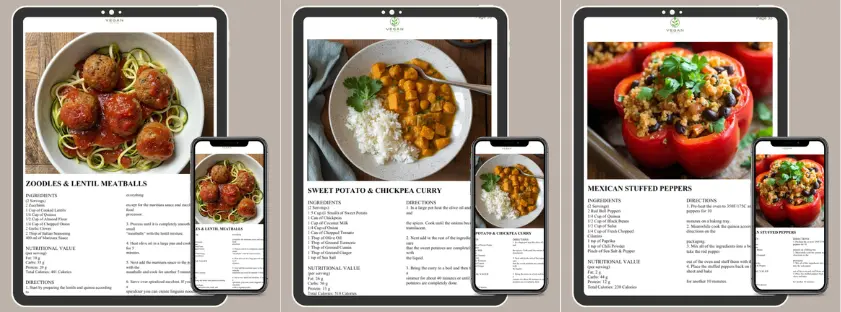
28-Day Vegan Meal Plan + Grocery list.
Transform your lifestyle with our comprehensive guide. This isn’t just a recipe book; it’s a complete system designed for success:
- 28-Day Meal Plan every meal, nothing to figure out
- 4 Weekly Grocery Lists sorted by aisle, saves money
- Balanced Macros protein, iron and B12 daily
- Under $1 Per Serving eat well on any budget
- 90-Min Sunday Prep one session, whole week fed
- Vegan Swaps Guide meat, dairy and eggs replaced
- Nutrition Toolkit protein targets and dining guide
- 36 Chef Recipes every meal photographed
Building Your Vegan Pantry: Shopping List Essentials
Stock these staples, and you’ll always have meal options available.
Proteins
- Dried or canned beans (black, kidney, pinto, white)
- Dried or canned lentils (brown, red, green)
- Canned chickpeas
- Firm and extra-firm tofu
- Tempeh
- Seitan (or vital wheat gluten to make your own)
Grains
- Brown rice, quinoa, oats, whole grain pasta
- Whole grain bread
- Tortillas (check for lard)
Plant milks and dairy alternatives
- Fortified soy, oat, or almond milk
- Nutritional yeast
- Vegan butter
- Coconut cream or cashews for cream sauces
Nuts and seeds
- Almonds, cashews, walnuts, peanuts
- Chia seeds, flaxseeds, hemp seeds
- Tahini (sesame seed paste)
- Nut butters
Healthy fats
- Olive oil, coconut oil, avocado oil
- Avocados
- Olives
Flavor builders
- Vegetable broth
- Soy sauce or tamari
- Hot sauce, mustard, sriracha
- Herbs and spices (garlic powder, onion powder, cumin, paprika, turmeric, black pepper)
- Tomato paste and canned tomatoes
- Maple syrup, dates, or agave for sweetness
Frozen items
- Mixed vegetables
- Berries
- Edamame
- Pre-cooked brown rice
With these ingredients, you can make stir-fries, curries, pasta dishes, tacos, salads, Buddha bowls, soups, and sandwiches without special trips to the store. For a complete pantry reference, see our vegan pantry staples list.
If you want to eat plant-based without breaking the bank, focus on dried beans, lentils, rice, oats, and seasonal produce. These items provide maximum nutrition per dollar. Frozen vegetables are often more affordable and nutrient-dense than fresh out-of-season options.
Sample 7-Day Meal Plan for Vegan Beginners
This 7-day meal plan demonstrates how simple vegan eating can be. Each day provides approximately 2,000 calories and meets protein requirements. Adjust portions based on your individual needs. For a day-by-day transition roadmap, see our first week vegan day-by-day guide.
Breakfast: Oatmeal with almond milk, banana, walnuts, and cinnamon
Lunch: Chickpea salad sandwich with lettuce, tomato, and avocado
Dinner: Black bean tacos with salsa, guacamole, and corn tortillas
Snacks: Apple with peanut butter, handful of almonds
Breakfast: Smoothie with soy milk, frozen berries, spinach, banana, and flaxseeds
Lunch: Lentil soup with whole grain bread
Dinner: Stir-fried tofu with broccoli, bell peppers, and brown rice
Snacks: Hummus with carrot sticks, orange
Breakfast: Whole grain toast with avocado and tomato slices
Lunch: Buddha bowl with quinoa, roasted chickpeas, sweet potato, and tahini dressing
Dinner: Spaghetti with marinara sauce and white beans, side salad
Snacks: Trail mix, banana
Breakfast: Chia pudding made with coconut milk and topped with berries
Lunch: Veggie wrap with hummus, lettuce, cucumber, shredded carrots, and sprouts
Dinner: Thai red curry with tofu, vegetables, and jasmine rice
Snacks: Popcorn with nutritional yeast, apple
Breakfast: Scrambled tofu with spinach and whole grain toast
Lunch: Quinoa salad with black beans, corn, tomatoes, and lime dressing
Dinner: Lentil shepherd’s pie with mashed sweet potatoes
Snacks: Dark chocolate, orange, cashews
Breakfast: Smoothie bowl with oat milk, frozen fruit, topped with granola and sliced banana
Lunch: Minestrone soup with white beans and crusty bread
Dinner: Teriyaki tempeh with steamed broccoli and brown rice
Snacks: Celery with almond butter, berries
Breakfast: Pancakes made with oat flour, topped with maple syrup and fruit
Lunch: Mediterranean wrap with falafel, lettuce, tomato, cucumber, and tahini sauce
Dinner: Vegetable curry with chickpeas, coconut milk, and naan bread
Snacks: Roasted chickpeas, grapes
Notice that each day includes varied protein sources, plenty of vegetables, whole grains, and healthy fats. The meals are straightforward and use accessible ingredients you’ll find at any supermarket.
When to Expect Results and Changes
Different benefits appear at different times during your transition.
First week
Digestive changes are common. Increased fiber from beans, vegetables, and whole grains might cause temporary bloating or gas. This usually resolves as your gut bacteria adjust. Drink plenty of water and increase fiber gradually if needed.
Weeks 2-4
Many people report increased energy and better sleep. If you feel fatigued, evaluate whether you’re eating enough calories and getting adequate protein and iron. For context on energy concerns, see our why am I tired on a vegan diet guide.
Month 2-3
Skin improvements often become noticeable. Reduced dairy consumption eliminates a common trigger for acne and inflammation. Some people notice weight loss if they were previously eating calorie-dense animal products.
Month 3-6
Cholesterol levels typically drop significantly. Taste preferences shift as your palate adjusts. Foods that once seemed bland might taste sweet and flavorful. Cravings for animal products generally diminish or disappear.
Beyond 6 months
Long-term benefits include reduced risk of chronic diseases, maintained or improved weight, stable energy throughout the day, and often reduced inflammation and joint pain.
Individual experiences vary. Some people feel amazing immediately, while others need more time to find the right balance of foods that work for their body. Remember that success with a beginner vegan diet comes from consistency, not perfection. Every plant-based meal is a step forward in your journey.
Scientific References & Plant-Based Nutrition Authority
- National Institutes of Health (NIH): View the official health professional factsheet on Vitamin B12 for supplementation guidance and deficiency prevention.
- Academy of Nutrition and Dietetics: Access position papers on vegetarian and vegan diets for evidence-based guidance on plant-based eating across life stages.
- VeganHealth.org: Access evidence-based guidelines on vegan nutrition fundamentals specifically tailored for those on a strictly plant-based diet.
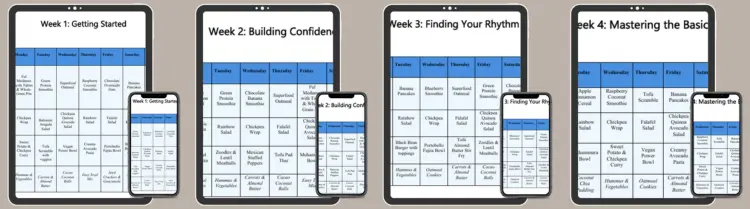
Psst.. Start your transformation now. Everything is done for you, 36 chef vegan recipes, 4 weekly grocery lists, and a full 28-day Meal Plan. Zero thinking, every meal decided. Balanced macros daily, one Sunday prep feeds your whole week. No subscription.
Get the Plan →Frequently Asked Questions
Is a beginner vegan diet healthy for everyone?
Yes, a well-planned vegan diet is appropriate for all life stages, including pregnancy, childhood, and older adulthood, according to the Academy of Nutrition and Dietetics. The key is intentional planning to meet nutrient needs, particularly vitamin B12, iron, calcium, omega-3s, and vitamin D. Individuals with specific health conditions should consult a registered dietitian for personalized guidance.
Will I get enough protein on a beginner vegan diet?
Yes, protein deficiency is rare on a vegan diet when calorie needs are met. Plant proteins like lentils, chickpeas, tofu, tempeh, and quinoa provide ample protein. Aim for 0.8-1.0 grams per kilogram of body weight. A varied diet naturally provides all essential amino acids without the need for “protein combining” at every meal. For a complete protein reference, see our vegan protein sources guide.
Do I need to take supplements on a vegan diet?
Vitamin B12 supplementation is essential for all vegans, as this nutrient does not occur naturally in plant foods. Vitamin D supplementation is recommended for most people regardless of diet, especially in winter months or with limited sun exposure. Other supplements may be appropriate based on individual needs, blood work, and life stage. For guidance on testing and supplementation, see our vegan supplements guide.
How do I handle eating out as a new vegan?
Check menus online beforehand, call restaurants to ask about modifications, and focus on cuisines with naturally vegan-friendly options like Mediterranean, Indian, Mexican, and Asian. Most restaurants will accommodate simple requests like removing cheese or substituting vegetables. Don’t apologize for your choices: simply order what works for you. For comprehensive restaurant strategies, see our eating out vegan guide.
What is the easiest way to start a beginner vegan diet?
The simplest approach is to follow a structured plan that builds plant-based meals into your routine automatically. The Ultimate 28-Day Vegan Meal Plan + Grocery List (Complete Solution) includes nutritionist-approved recipes and easy weekly grocery lists covering all 4 weeks, making it easy to start without planning everything from scratch.
Will I lose weight on a beginner vegan diet?
Weight changes vary by individual. Some people lose weight due to increased fiber and reduced calorie density, while others maintain or gain weight depending on food choices and portion sizes. Focus on nutrient density and adequate calories rather than weight outcomes. If unintentional weight loss occurs, increase intake of legumes, nuts, seeds, and whole grains.
How do I deal with cravings for animal products?
Distinguish between physical hunger and emotional attachment. Cravings often reflect habit or comfort associations rather than nutritional needs. Create satisfying vegan versions of favorite foods, ensure adequate calories and protein, and give your palate time to adjust. Most cravings diminish within 4-6 weeks as taste preferences shift.
Is a beginner vegan diet more expensive?
Not necessarily. Staple plant foods like beans, lentils, rice, oats, and seasonal produce are among the most affordable foods available. Processed vegan alternatives can increase costs, so focus on whole foods. For budget-friendly strategies, see our cheap vegan meals on a budget guide.
How do I ensure my family accepts a beginner vegan diet?
Focus on familiar foods with simple modifications rather than dramatic changes. Offer to prepare one vegan meal per week for the family, emphasizing flavor and satisfaction over ideology. Most people enjoy plant-based meals when they’re well-prepared. For family-oriented planning, see our vegan meal plan for families guide.
What if I accidentally eat something non-vegan?
Progress matters more than perfection. One accidental slip does not undo your efforts or values. Learn from the experience, adjust your label-reading or communication strategies, and continue moving forward. Each plant-based meal is a positive choice.
How long does it take to adjust to a beginner vegan diet?
Digestive adaptation typically occurs within 1-2 weeks as gut bacteria adjust to increased fiber. Taste preferences often shift within 4-6 weeks. Social confidence and meal planning skills develop over 2-3 months with practice. Individual timelines vary based on prior eating patterns and support systems.
Can children follow a beginner vegan diet safely?
Yes, well-planned vegan diets are appropriate for children according to the Academy of Nutrition and Dietetics. Key considerations include adequate calories, protein, vitamin B12, vitamin D, calcium, iron, and omega-3s. Work with a pediatric registered dietitian to ensure age-appropriate planning. For child-focused guidance, see our healthy vegan diet for kids guide.
Meeting Your Goals with a Beginner Vegan Diet
A beginner vegan diet is not about restriction but about discovering the abundance of plant-based eating. The key is starting simple: audit your current meals, make gradual substitutions, stock pantry staples, and focus on progress over perfection. This food-first approach aligns with evidence-based guidance that well-planned plant-based diets support health across the lifespan. By incorporating the strategies outlined in this guide into your daily routine, you can confidently begin your plant-based journey without confusion or deprivation. The Ultimate 28-Day Vegan Meal Plan + Grocery List (Complete Solution) gives you exactly that, with 36 chef-tested recipes with a photo for every recipe, easy weekly grocery lists covering all 4 weeks, and a complete 28-day calendar so you always know what to prepare next.
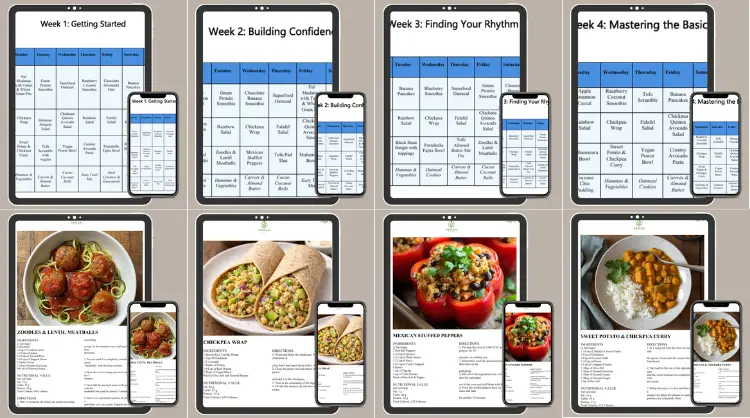
Tired of overthinking your meals?
What’s included in your download
- 28-Day Meal Plan
- 4 Weekly Grocery Lists
- Balanced Nutrtion, protein, iron, B12
- Under $1 Per Serving
- 90-Min Sunday Prep
- Vegan Swaps Guide
- Nutrition Toolkit
- Beginner Action Plan
- Dining Out Guide
- 36 Chef Recipes
Instant PDF download. No subscriptions.
Check this small sample?
Enter your email below to get 2 free recipes instantly:
Handling Social Situations as a New Vegan
Navigating social situations is a common challenge when starting a beginner vegan diet, but these strategies will help.
At family dinners
Offer to bring a substantial vegan dish that can serve as your main course. Don’t make your dietary choice the focus of conversation unless asked. If family members are curious, answer briefly and redirect conversation to other topics.
At restaurants with friends
Check the menu online beforehand and identify vegan options. Most restaurants will accommodate modifications. Don’t apologize for being vegan or make it an inconvenience. Simply order what works for you.
When people ask why you’re vegan
Keep your answer brief and positive. “I feel better eating this way” or “It aligns with my values” ends the conversation without sounding preachy. Save the documentary recommendations and statistics unless someone specifically asks for more information.
During holidays
Holidays center around food traditions, which can feel challenging at first. Veganize your favorite dishes, or create new traditions. Vegan versions of nearly every holiday food exist: stuffing, mashed potatoes, gravy, pumpkin pie, cookies, and more.
When others criticize your choice
You don’t owe anyone a debate. Respond with “I appreciate your concern, but this is working well for me” and change the subject. Remember that unsolicited nutrition advice often comes from people who haven’t examined their own eating habits.
Most social challenges ease within a few months as people adjust to your new normal. The initial curiosity and questions fade, and eating vegan becomes just another aspect of who you are.
Don’t panic at restaurants: Use our Complete Guide to Eating Out Vegan to find a meal at almost any cuisine or chain. Research menus online, call ahead for modifications, and remember that most kitchens are happy to accommodate simple requests.