
Medical Disclaimer: The information on this page is for general educational purposes only and does not constitute medical advice. A vegan diet for heart disease or any cardiovascular condition should be discussed with your cardiologist or registered dietitian before making dietary changes. This content does not replace professional medical guidance, diagnosis, or treatment.
A vegan diet for heart disease is one of the most evidence-backed dietary interventions available. Meta-analyses confirm it reduces cardiovascular disease risk by 15 to 25% and ischemic heart disease risk by up to 21%. The protective mechanisms include lower LDL cholesterol, reduced blood pressure, less arterial inflammation, and healthier body weight. This guide covers the science, the top heart-protective foods, a 7-day meal plan, and practical strategies for getting started today.
Vegan Diet for Heart Disease: 5 Proven Ways to Cut CVD Risk
Heart disease is quietly dismantling the health of millions of people who believe they are eating well. Following a vegan diet for heart disease is one of the most clinically supported steps you can take to reverse that trajectory, with major meta-analyses confirming risk reductions of 15 to 25% for cardiovascular disease and 21% for ischemic heart disease specifically. This guide gives you the research, the foods, a complete 7-day meal plan, and a clear protocol for protecting your cardiovascular system starting this week.
Cardiovascular disease remains the leading cause of death globally, accounting for approximately 17.9 million lives each year according to the World Health Organization. What makes this statistic particularly important is that research consistently classifies cardiovascular disease as one of the most preventable chronic conditions. Diet is among the most powerful controllable variables.
The question most people ask is not whether plant-based eating helps the heart. The science on that has been settled for decades. The question is: precisely how does a vegan diet for heart disease work, which foods matter most, and how do you build a realistic eating pattern that delivers those benefits every single day?
What the Science Actually Says About a Vegan Diet for Heart Disease
The relationship between plant-based eating and cardiovascular protection is not based on a single study or a dietary trend. It rests on decades of large cohort research, randomised controlled trials, and systematic reviews involving hundreds of thousands of participants.
A 2024 umbrella review published in the American Journal of Preventive Cardiology analysed 21 systematic reviews and found that vegan and vegetarian diets are consistently associated with a 15 to 25% reduction in cardiovascular disease incidence and a 13 to 15% reduction in CVD mortality. These figures hold across different populations, geographic regions, and follow-up periods.
The EPIC-Oxford study, one of the largest prospective cohort studies of dietary patterns in Europe, found that vegans had a 22% lower risk of ischemic heart disease compared to meat eaters. A separate analysis from the Adventist Health Study-2, which followed over 73,000 participants, confirmed these findings and added that plant-based eating is associated with lower rates of hypertension, type 2 diabetes, and obesity , all major cardiovascular risk factors.
A vegan diet for heart disease is not simply about removing meat. The benefit comes from the combined effect of increasing fibre, phytonutrients, antioxidants, and potassium while reducing saturated fat, dietary cholesterol, haem iron, and N-nitroso compounds from processed meats. It is a systematic overhaul of the inputs that drive cardiovascular inflammation and arterial damage.
The most important research finding, however, is not just about risk reduction. Dr. Dean Ornish published landmark trials showing that a plant-based diet combined with lifestyle changes could actually reverse coronary artery disease , demonstrating measurable regression of arterial plaques after one year. This puts plant-based nutrition in a category few dietary interventions occupy: not just protective but potentially therapeutic for those who already have a diagnosis.
The EPIC-Oxford cohort study found that vegans had a 22% lower risk of ischemic heart disease compared to meat eaters, after adjusting for age, sex, smoking, alcohol, physical activity, and education level. This remained consistent across a follow-up period of over 18 years.
For anyone already living with a cardiovascular condition, the evidence for a plant-based approach is compelling enough that leading organisations including the American Heart Association, the American College of Cardiology, and the Physicians Committee for Responsible Medicine all now formally recognise plant-based diets as a cardioprotective eating pattern.
5 Biological Mechanisms That Explain the Protection
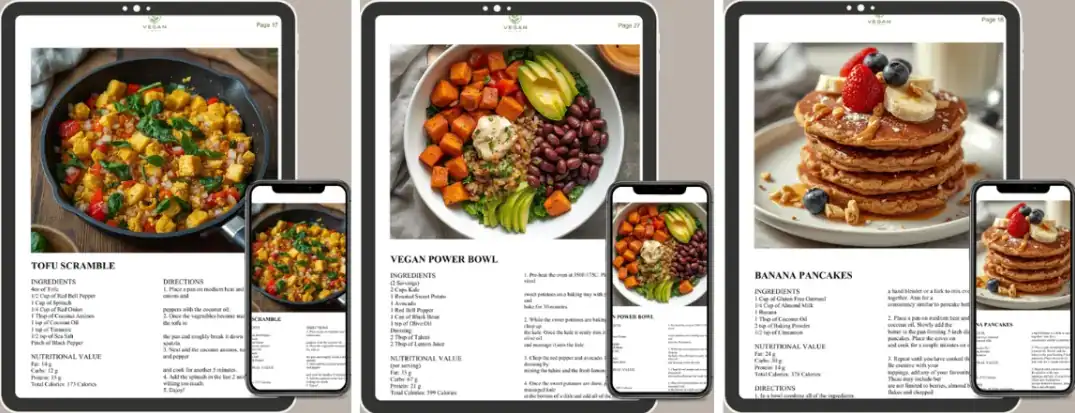
Understanding why a vegan diet for heart disease works makes it easier to apply the right food choices with intention. There are five primary pathways through which plant-based nutrition protects the cardiovascular system.
1. LDL Cholesterol Reduction
Saturated fat, found predominantly in animal products, stimulates the liver to produce more LDL (low-density lipoprotein) cholesterol. LDL particles that become oxidised embed in arterial walls, triggering the plaque-building process known as atherosclerosis. Eliminating the dietary sources of saturated fat while increasing soluble fibre from oats, beans, and legumes reduces LDL cholesterol by an average of 20 to 32% in clinical trials. If you want to understand the specific cholesterol mechanics in more detail, the guide on managing cholesterol on a vegan diet covers this mechanism step by step.
2. Blood Pressure Normalisation
Plant foods are naturally rich in potassium and magnesium, two minerals that directly relax arterial walls and reduce vascular resistance. At the same time, plant-based eating reduces sodium load when whole foods replace processed products. The result is a consistent and clinically meaningful reduction in both systolic and diastolic blood pressure. The full breakdown of this relationship is available in the post on vegan diet and blood pressure.
3. Systemic Inflammation Reduction
Chronic low-grade inflammation is a primary driver of cardiovascular disease progression. Animal products, particularly red and processed meats, elevate inflammatory markers including C-reactive protein (CRP), interleukin-6 (IL-6), and tumour necrosis factor-alpha. A diet centred on vegetables, legumes, whole grains, and fruit significantly lowers these markers. Berries, leafy greens, and cruciferous vegetables are particularly powerful in this regard. More on this anti-inflammatory mechanism can be found in the anti-inflammatory vegan diet guide.
4. Endothelial Function Improvement
The endothelium is the thin inner lining of your blood vessels. Healthy endothelial cells produce nitric oxide, which keeps vessels flexible and prevents platelet clumping. Dietary nitrates from leafy greens, beetroot, and arugula are converted to nitric oxide in the body, directly improving endothelial function. This mechanism is one of the key reasons plant-based diets lower stroke and heart attack risk beyond what cholesterol reduction alone can explain.
5. Healthy Body Weight Maintenance
Obesity is one of the strongest independent predictors of cardiovascular disease. A vegan diet for heart disease consistently produces and maintains a lower body mass index compared to omnivorous diets, even without intentional caloric restriction. The high fibre content of plant foods promotes satiety, slows gastric emptying, and reduces post-meal blood glucose spikes that drive fat storage and metabolic dysfunction.
The 9 Most Heart-Protective Foods on a Plant-Based Diet
A vegan diet for heart disease is only as effective as the foods it is built around. The following nine foods carry the strongest evidence for cardiovascular protection and should appear consistently in your weekly rotation.
Black Beans (cooked, per 100g)
Black beans are one of the most potent cardiovascular foods available. Their soluble fibre directly binds LDL cholesterol in the digestive tract, while their high folate content lowers homocysteine , an amino acid linked to elevated heart attack risk. They also provide potassium for blood pressure regulation and magnesium for arterial relaxation.
1. Oats
Oats contain beta-glucan, a soluble fibre that forms a viscous gel in the digestive tract and binds bile acids made from cholesterol, pulling them out of circulation. A daily intake of 3 grams of oat beta-glucan is consistently shown in clinical trials to reduce LDL cholesterol by 5 to 10%. This is one of the few dietary interventions with an approved FDA health claim for heart disease risk reduction.
2. Legumes (Lentils, Chickpeas, Beans)
Legumes are arguably the single most important food group for a vegan diet centred on cardiovascular health. They provide soluble fibre, plant protein, folate, potassium, and magnesium in one package. A meta-analysis of 26 randomised controlled trials found that eating one daily serving of legumes reduces LDL cholesterol by 5% independently of other dietary changes. Eating legumes four or more times per week is associated with a 22% lower risk of ischemic heart disease.
3. Leafy Greens (Spinach, Kale, Swiss Chard, Arugula)
Leafy greens are rich in dietary nitrates, magnesium, folate, and vitamin K. Their nitrate content is directly converted to nitric oxide, which improves endothelial function and arterial flexibility. High dietary nitrate intake is linked to a 12 to 26% reduction in cardiovascular mortality in large cohort studies. Aim for at least one large serving of leafy greens per day when following a vegan diet for heart disease.
4. Walnuts and Flaxseeds
These are your primary sources of alpha-linolenic acid (ALA), the plant-based omega-3 fatty acid. ALA reduces triglycerides, lowers inflammatory markers, and may modestly reduce blood pressure. For more on omega-3 sources within plant-based eating, see the guide on vegan omega-3 foods and sources. Walnuts also contain L-arginine, a precursor to nitric oxide production.
5. Berries
Blueberries, strawberries, raspberries, and blackberries are among the highest-antioxidant foods on earth. Their anthocyanins reduce LDL oxidation, lower blood pressure, and improve HDL cholesterol function. The Harvard Nurses’ Health Study found that women eating three or more servings of berries per week had a 32% lower risk of heart attack compared to those eating fewer than one serving monthly.
6. Whole Grains (Brown Rice, Quinoa, Farro, Barley)
Each additional serving of whole grains per day is associated with a 9% reduction in cardiovascular mortality according to a 2016 meta-analysis in Circulation. Barley is particularly potent for cholesterol reduction due to its beta-glucan content. Whole grains also provide B vitamins including folate, thiamine, and niacin, which support cardiovascular function and reduce homocysteine.
7. Beetroot
Beetroot is the richest dietary source of inorganic nitrates among common vegetables. A single glass of beetroot juice can lower systolic blood pressure by 4 to 8 mmHg within hours. The effect is attributed to the nitrate-to-nitric oxide conversion pathway that dilates blood vessels and reduces cardiac workload. Including roasted beetroot or beetroot-based dishes two to three times per week is a practical cardiovascular strategy.
8. Nuts (Almonds, Pistachios, Hazelnuts)
Eating 28 to 42 grams of mixed nuts per day is consistently associated with lower LDL cholesterol, lower triglycerides, and reduced systemic inflammation. The PREDIMED trial found that a Mediterranean diet supplemented with nuts reduced major cardiovascular events by 28%. While that trial was not strictly vegan, the nut component contributed independently to the outcome.
9. Extra Virgin Olive Oil
Though technically not a whole plant food, extra virgin olive oil remains the most evidence-backed culinary fat for cardiovascular health. Its oleocanthal content functions as a natural anti-inflammatory, and oleic acid has been shown to improve arterial stiffness markers. Use it as a finishing oil on cooked vegetables and grains rather than as a high-heat cooking fat to preserve its polyphenol content.
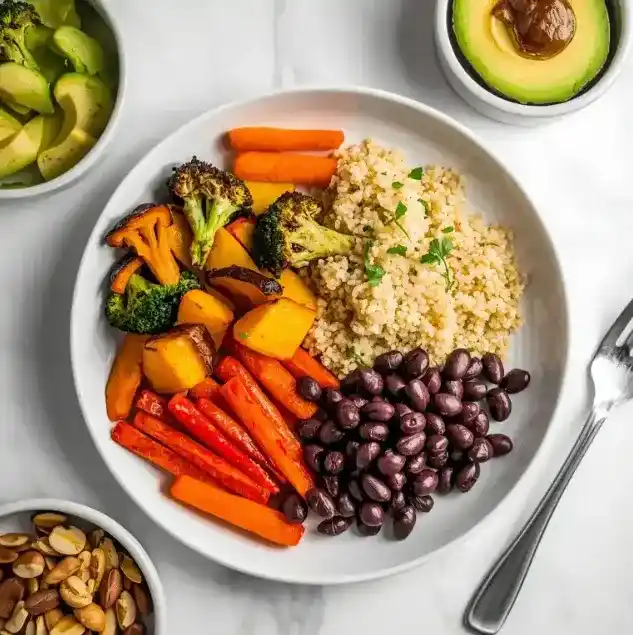
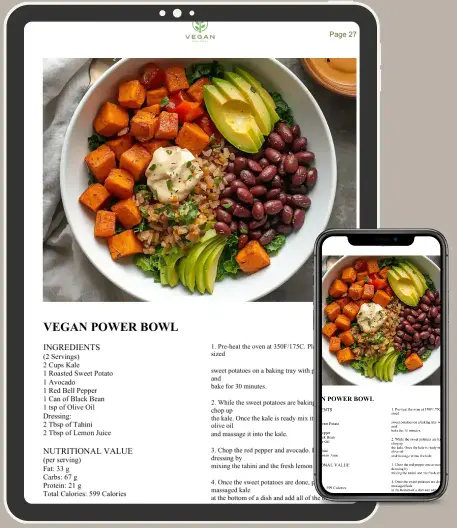
Getting these nine foods into your daily and weekly rotation consistently is where most people struggle , the planning load is the barrier, not the foods themselves. The Ultimate 28-Day Vegan Meal Plan + Grocery List (Complete Solution) builds these heart-protective foods into every week, with nutritionist-approved recipes and a complete grocery list covering all 4 weeks , so the planning is already done for you.
-
Complete 28-day calendarEvery breakfast, lunch, dinner & snack planned
-
40+ nutritionist-approved recipesVibrant photo for every single dish
-
Easy weekly grocery listsShop smart, spend less, waste nothing
-
Protein, iron & B12 at every mealNutritionally complete — no guesswork
-
Saves 7+ hours weeklyPrint it once, follow it all month
-
Bonus: Nutrition Guide ToolkitVegan tips, guides & family meal prep
7-Day Vegan Meal Plan for Heart Disease
A vegan diet for heart disease works best when it is structured and repeatable. The 7-day framework below is designed around the foods with the strongest cardiovascular evidence, with each day targeting a specific protective mechanism. Every meal focuses on high-fibre ingredients, plant protein sources, and cardiovascular-supportive micronutrients.
Breakfast: Oat porridge with blueberries and ground flaxseed
Lunch: Lentil and kale soup with wholegrain bread
Dinner: Brown rice, roasted chickpeas, steamed broccoli, tahini dressing
Breakfast: Beetroot and spinach smoothie with banana
Lunch: Arugula salad with walnuts, strawberries, balsamic
Dinner: Lentil dhal with spinach, brown rice, turmeric
Breakfast: Chia pudding with mango and hemp seeds
Lunch: Walnut and bean wrap with avocado
Dinner: Tofu with edamame, sesame, brown rice noodles
Breakfast: Mixed berry bowl with oats and almond butter
Lunch: Black bean and sweet potato bowl
Dinner: Quinoa with roasted vegetables, olive oil, herbs
Breakfast: Oat bran with banana slices and walnuts
Lunch: Chickpea and roasted pepper stew
Dinner: Barley risotto with mushrooms and asparagus
Breakfast: Spinach and banana smoothie with flaxseed
Lunch: Pinto bean tacos with avocado and salsa
Dinner: Steamed bok choy, tofu, brown rice, low-sodium miso
Breakfast: Golden turmeric oats with raisins and pistachios
Lunch: Mixed greens, lentils, pomegranate, lemon dressing
Dinner: Roasted beetroot and chickpea grain bowl with tahini
This 7-day framework provides approximately 35 to 45 grams of fibre daily, which is meaningfully above the minimum threshold at which cardiovascular protection is consistently observed in the literature. Each day averages 1,700 to 1,950 calories and meets protein requirements of 50 to 65 grams , without any calorie counting required during the eating phase.
What to Avoid on a Vegan Diet for Cardiovascular Health
Following a vegan diet for heart disease does not automatically guarantee cardiovascular protection. A poorly planned plant-based diet that relies on processed vegan foods can still be high in sodium, refined sugar, trans fats, and ultra-processed ingredients , all of which drive cardiovascular damage through the same inflammatory mechanisms as animal products.
Ultra-processed vegan products (vegan cheeses, meat substitutes with long ingredient lists), refined grains (white bread, white pasta), added sugars, coconut oil in large amounts, salty snacks and processed crackers, fried plant foods, and sweetened beverages including fruit juice. These foods spike blood glucose, raise triglycerides, promote inflammation, and undermine the cardiovascular benefits of plant-based eating.
The term “vegan” on a food label means only that no animal products were used. It says nothing about the sodium content, the degree of processing, or the glycaemic load. High sodium intake is one of the primary drivers of hypertension , and many vegan convenience products contain 600 to 900mg of sodium per serving. For context, the American Heart Association recommends a daily maximum of 1,500mg for people with cardiovascular disease.
The Coconut Oil Question
Coconut oil is high in saturated fat , specifically lauric acid , and has been aggressively marketed as heart-healthy in wellness communities. The evidence does not support this claim. The American Heart Association and the European Society of Cardiology both advise limiting coconut oil consumption for people with cardiovascular risk factors. Use extra virgin olive oil as your primary fat source and treat coconut oil as an occasional flavouring ingredient rather than a cooking staple.
The Sodium Trap in Vegan Cooking
Salt, soy sauce, miso, and tamari are common in vegan cooking, and used in excess they raise blood pressure and increase stroke risk. When cooking for cardiovascular health, use low-sodium versions of soy products, flavour with herbs, spices, lemon, and acid rather than salt, and taste before adding rather than cooking with fixed sodium quantities.
Refined Sugar and Cardiovascular Risk
Excess added sugar drives triglyceride production in the liver, contributes to non-alcoholic fatty liver disease, and promotes insulin resistance , all of which independently raise cardiovascular risk. A vegan diet for heart disease should prioritise whole fruit over fruit juice, unsweetened plant milks over sweetened versions, and avoid vegan baked goods and confectionery as regular staples.
Key Nutrients to Monitor on a Vegan Diet for Heart Disease
Plant-based nutrition provides most cardiovascular-protective nutrients in abundance. However, there are a small number of nutrients that require intentional attention to ensure optimal cardiovascular function long-term.
| Nutrient | Why It Matters for the Heart | Best Plant Sources |
|---|---|---|
| Vitamin B12 | Deficiency raises homocysteine, a cardiovascular risk marker | Fortified foods, B12 supplement (essential) |
| Omega-3 (ALA/DHA/EPA) | Reduces triglycerides and inflammation | Walnuts, flaxseeds, hemp seeds; algae oil supplement |
| Folate | Lowers homocysteine in conjunction with B12 | Lentils, spinach, asparagus, chickpeas |
| Magnesium | Regulates heart rhythm and arterial pressure | Dark leafy greens, pumpkin seeds, almonds, black beans |
| Potassium | Directly lowers blood pressure | Bananas, sweet potato, avocado, white beans |
| Iodine | Supports thyroid function , thyroid disorders elevate CVD risk | Seaweed, iodised salt, iodine supplement |
Vitamin B12 deserves particular emphasis. It is the one nutrient that cannot be reliably obtained from whole plant foods alone. B12 deficiency elevates homocysteine, a metabolite associated with increased risk of heart attack and stroke. Every person following a vegan diet should supplement with at least 250mcg of cyanocobalamin daily or 2,500mcg weekly. For a full picture of this nutrient in the context of plant-based eating, see the complete guide on vitamin B12 for vegans.
Omega-3 fatty acids on a plant-based diet come primarily from ALA in flaxseeds, walnuts, and hemp seeds. ALA can be converted to the longer-chain EPA and DHA, but conversion rates are variable and often low. For people with existing cardiovascular disease, an algae-based DHA/EPA supplement (250 to 500mg daily) provides the same source as fish oil without the animal product, and is the most direct way to ensure adequate long-chain omega-3 status. The post on plant-based omega-3 sources covers conversion rates and supplementation in detail.
Homocysteine is an underappreciated cardiovascular risk factor. Elevated homocysteine damages arterial walls directly and promotes clot formation. It is primarily elevated by B12 and folate deficiency , both of which are addressable with diet and supplementation. Ask your doctor to test homocysteine at your next cardiovascular check-up.
Magnesium deficiency is remarkably common even in people eating balanced diets. It disrupts heart rhythm regulation, raises arterial stiffness, and is associated with higher rates of sudden cardiac death. Pumpkin seeds (156mg per 28g serving), dark chocolate (64mg per 28g), and black beans (60mg per 100g cooked) are among the most concentrated plant-based sources. Reaching the recommended daily intake of 310 to 420mg is straightforward on a well-planned plant-based diet but requires consistent inclusion of magnesium-rich foods.
Building the right nutrient pattern across 28 days is harder than it looks in theory. The Ultimate 28-Day Vegan Meal Plan + Grocery List (Complete Solution) is built around nutritionist-approved recipes that meet protein, iron, and B12 needs across all four weeks , removing the guesswork from this process entirely.
The EPIC-Oxford study, one of the largest prospective cohort studies of dietary patterns in Europe, found that vegans had a 22% lower risk of ischemic heart disease compared to meat eaters, as confirmed in the EPIC-Oxford cohort findings published on PubMed. A separate analysis from the Adventist Health Study-2, which followed over 73,000 participants, confirmed these findings and added that plant-based eating is associated with lower rates of hypertension, type 2 diabetes, and obesity, all major cardiovascular risk factors.
The most important research finding, however, is not just about risk reduction. Dr. Dean Ornish published landmark trials showing that a plant-based diet combined with lifestyle changes could actually reverse coronary artery disease, demonstrating measurable regression of arterial plaques after one year, as detailed in the Ornish lifestyle trial published on PubMed. This puts plant-based nutrition in a category few dietary interventions occupy: not just protective but potentially therapeutic for those who already have a diagnosis.
Saturated fat, found predominantly in animal products, stimulates the liver to produce more LDL cholesterol. LDL particles that become oxidised embed in arterial walls, triggering the plaque-building process known as atherosclerosis. Eliminating the dietary sources of saturated fat while increasing soluble fibre from oats, beans, and legumes reduces LDL cholesterol by an average of 20 to 32% in clinical trials, a mechanism covered in depth on NutritionFacts.org. If you want to understand the specific cholesterol mechanics in more detail, the guide on managing cholesterol on a vegan diet covers this mechanism step by step.
Legumes are arguably the single most important food group for a vegan diet centred on cardiovascular health. They provide soluble fibre, plant protein, folate, potassium, and magnesium in one package. A meta-analysis of 26 randomised controlled trials published on PubMed found that eating one daily serving of legumes reduces LDL cholesterol by 5% independently of other dietary changes. Eating legumes four or more times per week is associated with a 22% lower risk of ischemic heart disease.
Omega-3 fatty acids on a plant-based diet come primarily from ALA in flaxseeds, walnuts, and hemp seeds. ALA can be converted to the longer-chain EPA and DHA, but conversion rates are variable and often low. For people with existing cardiovascular disease, an algae-based DHA/EPA supplement provides the same source as fish oil without the animal product, and is the most direct way to ensure adequate long-chain omega-3 status. Vegan Health provides a detailed breakdown of omega-3 recommendations for plant-based eaters. The post on plant-based omega-3 sources covers conversion rates and supplementation in detail.
Frequently Asked Questions
Can a vegan diet for heart disease actually reverse coronary artery disease?
This is one of the most important questions in clinical nutrition. The landmark Ornish trials demonstrated measurable regression of coronary artery stenosis after one year of a very low-fat plant-based diet combined with exercise, stress management, and social support. After five years, regression continued while the control group showed progression. This makes plant-based eating one of the only dietary interventions with documented reversal potential for coronary artery disease. However, it is important to note that the Ornish protocol was intensive and medically supervised. If you have a confirmed CVD diagnosis, any dietary intervention should be coordinated with your cardiologist.
How quickly will a vegan diet for heart disease lower my LDL cholesterol?
Clinical trials consistently show meaningful LDL reductions within 3 to 4 weeks of switching to a whole-food plant-based eating pattern. The mechanism is primarily the removal of dietary saturated fat and cholesterol, combined with increased soluble fibre intake. Most studies report 20 to 32% reductions in LDL over 4 to 12 weeks in participants who fully adopt the dietary pattern. Individual results depend on baseline LDL levels, genetic factors (particularly APOE genotype), and consistency of the dietary change. Blood lipid panels should be repeated 8 to 12 weeks after a significant dietary transition to assess your personal response.
Do I need to follow a very low-fat vegan diet to get the cardiovascular benefits?
No. The Ornish protocol used a very low-fat approach (under 10% of calories from fat), but subsequent research has shown that cardiovascular benefits are achievable with moderate fat intakes when the fat sources are from whole plant foods such as nuts, seeds, avocado, and olive oil. The PREDIMED trial achieved significant CVD risk reduction with a Mediterranean diet that included moderate olive oil and nut consumption. The critical variable is the source of fat , plant-based unsaturated fats are cardioprotective, while saturated fat from animal products is the primary dietary driver of LDL elevation.
Is a vegan diet for heart disease safe if I am on statins or blood pressure medication?
In most cases, a plant-based diet is safe alongside cardiovascular medications and may actually enhance their effectiveness. However, there are important considerations. Grapefruit and certain fruit juices interact with statin metabolism. Significant dietary changes can also affect the required dosage of blood pressure medications , as the diet lowers blood pressure independently, medication dosages may need adjustment to avoid hypotension. Always inform your prescribing physician and cardiologist when making major dietary changes so that medication management can be reviewed accordingly.
What is the easiest way to follow a heart disease vegan diet?
The simplest approach is to follow a structured plan that has already done the nutritional balancing for you. The Ultimate 28-Day Vegan Meal Plan + Grocery List (Complete Solution) includes nutritionist-approved recipes and a complete grocery list for every week , making it easy to start without planning everything from scratch. Having every meal mapped out with the right foods eliminates the daily decision fatigue that causes most people to abandon plant-based eating within the first few weeks.
Does a plant-based diet help with heart failure or is it only for prevention?
Research on plant-based eating in established heart failure is more limited than in coronary artery disease prevention, but the available evidence is encouraging. Plant-based diets reduce inflammation, improve cardiometabolic risk factors, and lower the burden on the failing heart by reducing circulating blood volume through lower sodium and higher potassium intake. Case reports and observational studies suggest improvements in ejection fraction and functional capacity in heart failure patients who adopt plant-based eating patterns. This remains an active research area. Anyone with a heart failure diagnosis should work with their cardiologist and a registered dietitian before making significant dietary changes.
How much fibre should I be eating on a vegan diet for heart health?
The cardiovascular benefit of dietary fibre begins to plateau at approximately 25 to 35 grams per day for most people, according to large meta-analyses. The average Western diet provides only 15 to 17 grams. A well-planned whole-food plant-based diet typically delivers 40 to 60 grams daily without any specific effort. The most important fraction for cardiovascular benefit is soluble fibre from oats, legumes, and fruit , target at least 5 to 10 grams of soluble fibre daily within your overall fibre intake for optimal LDL-lowering effect.
Are legumes safe for people with heart disease who also have kidney disease?
This requires individual medical guidance. People with advanced chronic kidney disease (CKD stages 3b to 5) may need to limit potassium and phosphorus intake, which affects legume consumption. However, for most people with cardiovascular disease without advanced kidney involvement, legumes are among the most beneficial foods available. If you have both cardiovascular disease and CKD, work with a renal dietitian who can personalise your plant protein strategy based on your specific lab values and kidney function stage.
Can a vegan diet lower triglycerides as well as LDL cholesterol?
Yes. Plant-based diets consistently reduce triglyceride levels, particularly when refined carbohydrates and added sugars are replaced with whole plant foods. The mechanisms include reduced dietary fructose from eliminated processed foods, increased omega-3 ALA intake from nuts and seeds, lower total caloric density leading to reduced hepatic lipogenesis, and higher fibre intake improving insulin sensitivity. Clinical trials typically show triglyceride reductions of 15 to 25% in people switching from a standard Western diet to a whole-food plant-based eating pattern over 8 to 12 weeks.
Does a vegan diet protect against stroke as well as heart attack?
The evidence for stroke prevention on a plant-based diet is somewhat more nuanced than for coronary heart disease. Meta-analyses generally show 10 to 20% lower ischaemic stroke risk in plant-based eaters. However, some earlier analyses suggested slightly elevated haemorrhagic stroke risk in very low-fat plant-based diets, potentially linked to lower blood pressure reducing clotting capacity. More recent umbrella reviews, including the 2024 AJPC analysis, find net favourable stroke outcomes on balanced plant-based diets that include adequate B12 and omega-3 supplementation. Haemorrhagic stroke concern appears largely absent in well-supplemented vegans.
How does a vegan diet compare to the DASH diet for heart disease?
Both diets produce meaningful cardiovascular benefit, and they share considerable overlap: both emphasise vegetables, fruits, whole grains, legumes, and nuts while limiting sodium and processed foods. The primary difference is that the DASH diet allows lean meats and low-fat dairy, while a vegan approach eliminates all animal products. Studies directly comparing the two find that vegan diets tend to produce greater LDL reductions and lower body weight, while DASH is marginally more effective for short-term blood pressure reduction. A plant-based diet that incorporates DASH principles , particularly the sodium reduction and potassium emphasis , likely delivers superior overall cardiovascular outcomes than either approach alone.
What role does gut microbiome play in the vegan diet and heart disease connection?
The gut-heart axis is an increasingly important area of cardiovascular research. Animal-based diets high in choline and carnitine (from red meat and eggs) are metabolised by certain gut bacteria to produce TMAO (trimethylamine N-oxide), a compound associated with atherosclerosis, platelet aggregation, and increased cardiovascular event risk. Plant-based diets dramatically reduce TMAO production because they do not provide the substrates. Additionally, the high fibre content of plant-based eating feeds beneficial Firmicutes and Bacteroidetes species that produce short-chain fatty acids, which reduce intestinal and systemic inflammation. For more on gut health, see the post on vegan diet and gut healing.
Ultimate 28-Day Vegan Meal Plan
+ Complete Grocery List & Toolkit
Built by a professional chef with 10+ years in MENA & Mediterranean kitchens
- 36 chef-tested vegan recipes — full-colour photo for every single one
- Complete 28-day meal calendar — every breakfast, lunch, dinner & snack planned
- 4 weekly grocery lists — organised by supermarket section, nothing specialty
- Getting started guides — nutrition, vegan swaps, protein facts, foods list
- Pantry & nutrition hub — Middle Eastern ingredients, whole grains, substitutions
- Budget-friendly tips — eat well, spend less every week
- BONUS: Vegan Nutrition Toolkit — protein cheat sheet, dining out guide, meal prep tips, label reading & quick reference sheets
Building a Heart-Healthy Vegan Life: The Practical Summary
A vegan diet for heart disease works because it addresses the root causes of cardiovascular disease simultaneously: it lowers LDL cholesterol, reduces blood pressure, decreases systemic inflammation, improves endothelial function, and supports a healthy body weight , all through food choices rather than pharmacological intervention. The evidence for these mechanisms is not preliminary or theoretical. It is supported by decades of cohort data, randomised controlled trials, and the clinical experience of cardiologists who routinely use plant-based nutrition as a first-line therapeutic tool.
The practical path forward is to build a weekly eating pattern that consistently delivers the nine heart-protective food groups covered in this guide: legumes, oats, leafy greens, whole grains, nuts, seeds, berries, beetroot, and olive oil. Supplement with B12 daily and consider an algae-based DHA/EPA supplement if you have existing cardiovascular disease. Reduce processed foods, sodium, added sugars, and refined grains even if they carry a vegan label. And track your progress with regular blood lipid panels and blood pressure measurements so you can see the measurable impact of your dietary changes over time.
Consistency across 28 days is where the transformation happens , the Ultimate 28-Day Vegan Meal Plan + Grocery List (Complete Solution) gives you exactly that, with 36 chef-tested recipes, nutritionist-approved nutrition, and a complete grocery list for every week so you never have to wonder what to cook for your heart health.
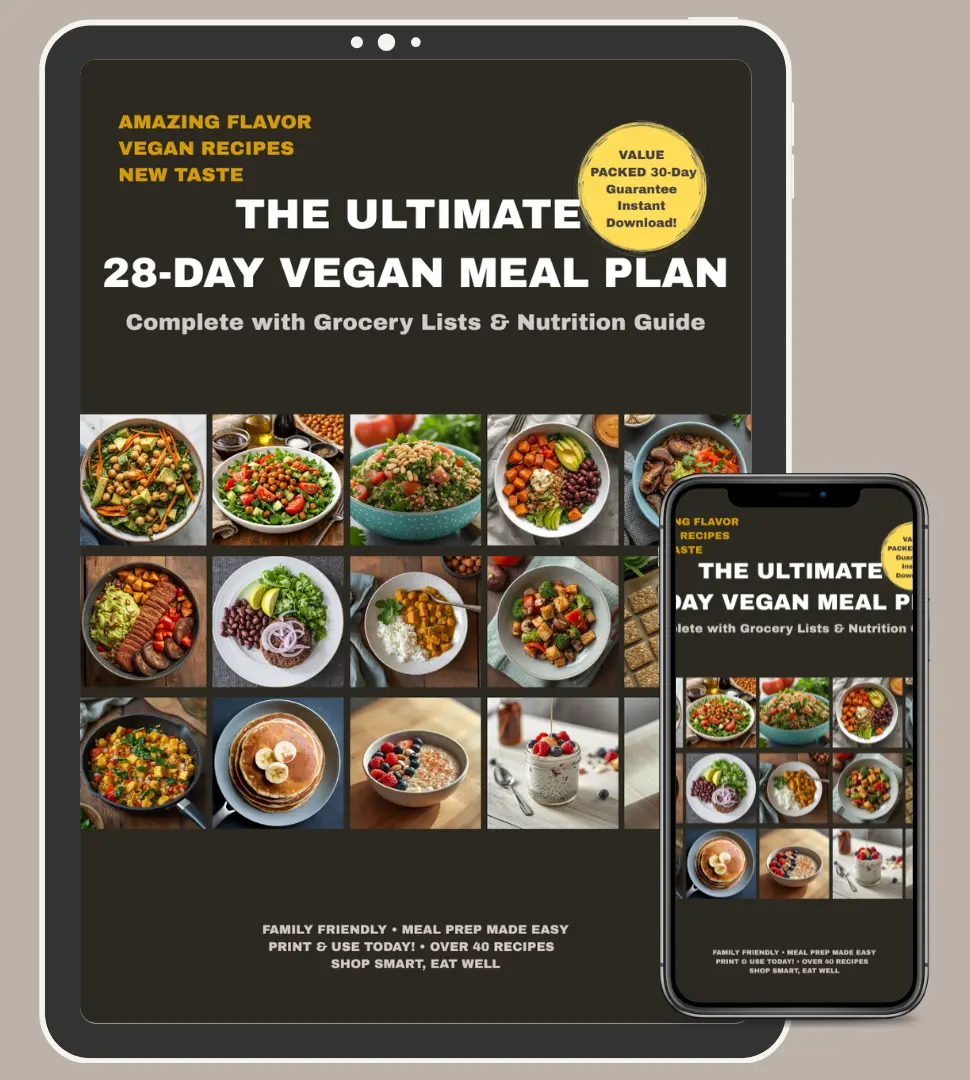
28-Day Vegan Meal Plan + Grocery list.
Transform your lifestyle with our comprehensive guide. This isn’t just a recipe book; it’s a complete system designed for success:
- The Vegan Guide: Essential transition tips and nutritional benefits.
- 40+ Chef Recipes: Breakfast, lunch, and dinner with high-quality photos.
- 4-Week Meal Plan: A fully structured day-by-day calendar.
- Grocery Lists: Categorized weekly lists to save you time and money.
- Photos: High-Quality Recipe Photos.
- Nutritions: Vegan Nutrition Guide Toolkit.