
Medical Disclaimer: This article is for informational and educational purposes only. It does not constitute medical advice and is not a substitute for professional healthcare. Hormonal imbalances require proper diagnosis by a qualified physician. If you have a diagnosed hormonal condition, consult your doctor or a registered dietitian before making significant dietary changes.
Vegan Hormone Balancing Diet: How to Balance Hormones Naturally on a Plant-Based Diet
 🏆 BEST VALUE
+ Grocery List
The 6 Hormonal Systems Food Can Influence
The phrase “hormone balancing” is used loosely in wellness culture, sometimes applied to single foods or supplements as though the endocrine system responds to simple individual inputs. It does not. The hormonal system is a vast, interconnected network of glands, feedback loops, receptor sites, and metabolic pathways. What food does is provide the raw materials, cofactors, and environmental signals that the body uses to produce, transport, metabolise, and clear hormones. A well-structured vegan hormone balancing diet addresses multiple systems simultaneously through nutritional completeness, not through single “hormone-balancing” foods.
The thyroid is where vegan-specific hormonal risk is most concentrated. Thyroid hormones T3 and T4 require iodine as their literal molecular component: T4 contains four iodine atoms, T3 contains three. Without adequate dietary iodine, thyroid hormone production falls regardless of how good the rest of the diet is. Vegans who avoid dairy (a major iodine source in Western diets) and do not use iodised salt or eat seaweed regularly face a genuine iodine gap. The dedicated guide on this site covers all plant iodine sources and supplementation thresholds at the vegan iodine foods guide. Addressing this gap is the first priority in any vegan hormone balancing diet for thyroid support.
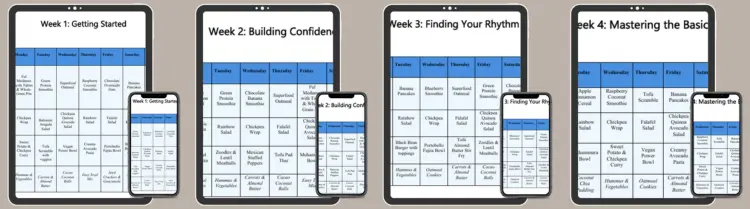
28-Day Vegan Meal Plan
+ Grocery List
Complete Solution · Nutritionist-Approved · Print & Use Today
Read on any device · No apps needed
Why a Plant-Based Diet Has a Hormonal Advantage
A well-structured whole-food plant-based diet has several specific structural advantages for hormonal balance that omnivore diets typically cannot match. These advantages are not incidental. They arise from the specific nutritional character of plant foods when eaten in diversity and abundance.
The Five Plant-Based Hormonal Advantages
Fibre and oestrogen clearance: The liver conjugates used oestrogen and sends it to the gut for excretion. Adequate dietary fibre ensures this conjugated oestrogen is eliminated efficiently. Low-fibre diets allow the enzyme beta-glucuronidase (produced by certain gut bacteria) to de-conjugate oestrogen, allowing it to be reabsorbed into the bloodstream. Whole-food plant-based diets consistently deliver 35 to 50g of fibre daily, substantially suppressing beta-glucuronidase activity and supporting oestrogen clearance. This is the most direct dietary mechanism for preventing oestrogen dominance, a state associated with PMS, fibroids, and endometriosis.
Phytoestrogens from soy: Isoflavones in soy foods (tofu, tempeh, edamame) are selective oestrogen receptor modulators. In premenopausal women with high oestrogen, they compete with native oestrogen at receptor sites, reducing oestrogenic activity. In postmenopausal women with low oestrogen, they provide weak oestrogenic support. This bidirectional modulation is not a concern but a physiological balancing mechanism when soy is consumed in whole-food form from traditional preparations.
Cruciferous indoles for liver oestrogen metabolism: Indole-3-carbinol (I3C) and diindolylmethane (DIM), formed when cruciferous vegetables are chewed or cooked, upregulate cytochrome P450 1A2 and 3A4 enzymes in the liver. These enzymes convert potent oestrone and oestradiol into weaker 2-hydroxy oestrogen metabolites, reducing the overall oestrogenic burden on tissues.
Magnesium for cortisol and insulin: Plant foods are the richest dietary sources of magnesium. Magnesium is required for over 300 enzymatic reactions including insulin receptor signalling, cortisol synthesis regulation, and GABA receptor function. Low magnesium is directly associated with elevated cortisol, insulin resistance, and PMS severity. Vegan diets centred on leafy greens, legumes, and seeds consistently outperform omnivore diets in dietary magnesium provision.
Low saturated fat for hormone receptor sensitivity: Saturated fat from animal products increases inflammation via TLR4 signalling and reduces insulin receptor sensitivity. Replacing dietary saturated fat with the unsaturated fat profile of whole plant foods improves both insulin and oestrogen receptor function at the cellular level.
These five advantages do not operate in isolation. They work together to create a hormonal environment that supports balance rather than excess or deficiency. The whole-food plant-based framework behind this approach is built on the principle that unprocessed plant foods produce consistently better health outcomes than processed vegan alternatives.
Top Vegan Hormone-Balancing Foods Ranked
This ranking assesses plant foods by their combined evidence for positively influencing one or more of the six hormonal systems identified above. Foods that affect multiple systems simultaneously rank highest. The ranking reflects specificity and strength of hormonal evidence, not general nutritional value.
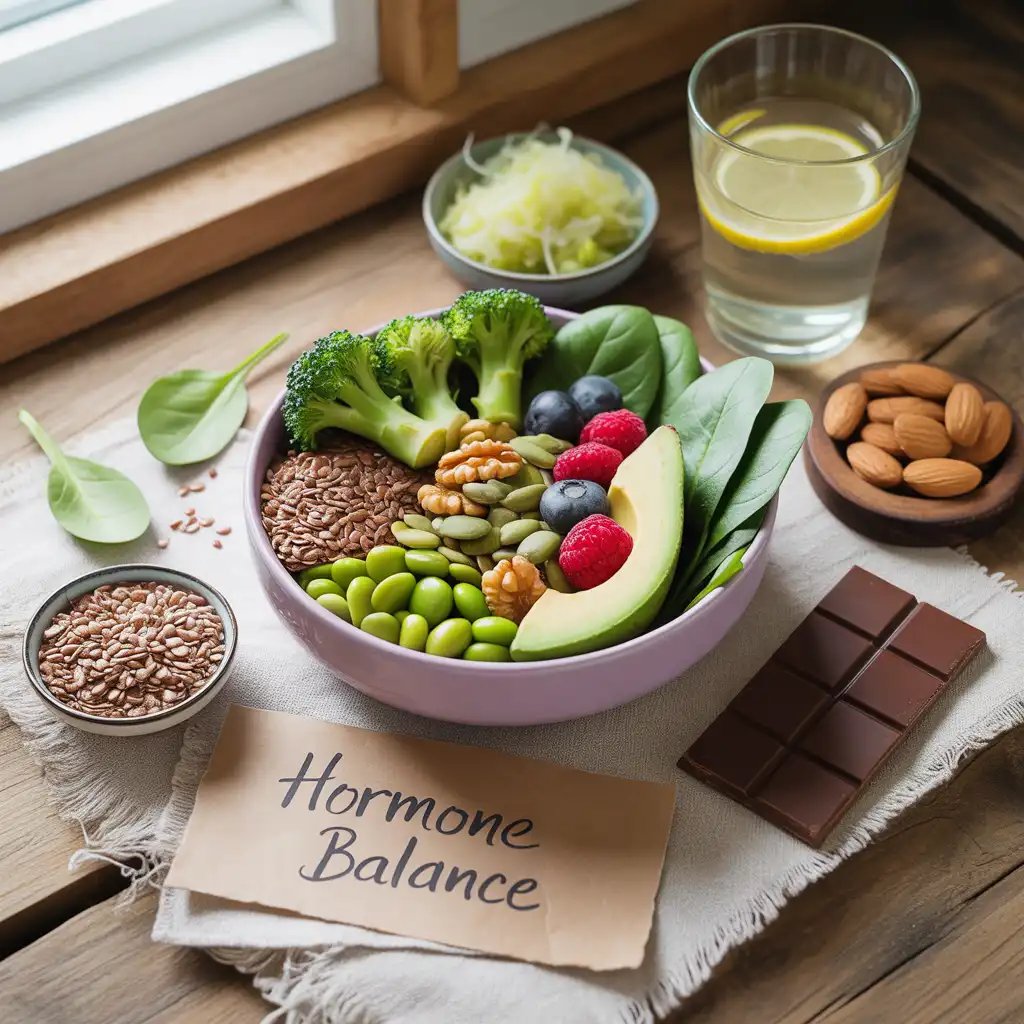
Ground flaxseed ranks first because it addresses more hormonal pathways simultaneously than any other single plant food. The lignans in flaxseed are the most potent phytoestrogenic compounds in the plant kingdom, with evidence for reducing oestrogen-driven cancer risk, improving menstrual cycle regularity, and reducing PMS severity. Flaxseed’s ALA omega-3 content supports the anti-inflammatory environment that underpins healthy hormone receptor function. Its fibre content supports oestrogen clearance through the gut. And its magnesium content supports cortisol regulation and insulin sensitivity. One tablespoon of ground flaxseed daily is one of the most evidence-efficient single dietary additions available for a vegan hormone balancing diet.
Cruciferous vegetables rank second because of their specific liver enzyme activation properties. No other food category directly upregulates the cytochrome P450 enzymes that convert potent oestrogens into weaker, safer metabolites. For women with oestrogen dominance symptoms, which include PMS, heavy periods, painful periods, fibrocystic breast tissue, or diagnosed endometriosis, daily cruciferous vegetables are a specific, targeted dietary intervention. The endometriosis-specific dietary framework on this site, at the vegan endometriosis diet guide, covers this in full clinical detail.
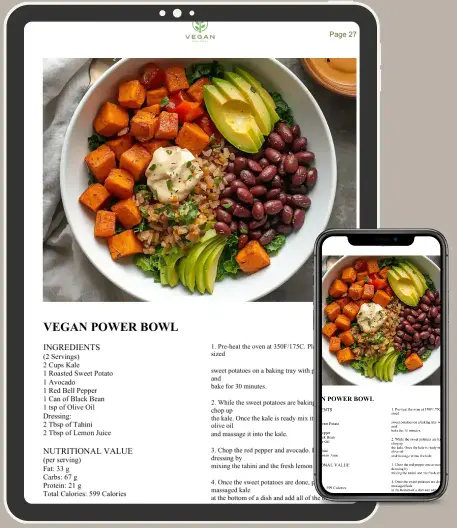
The Complete 28-Day Vegan Meal Plan + Grocery List
- 28-day structured calendar — breakfast, lunch, dinner & snack, every single day
- Every meal meets protein, iron & B12 — no guesswork, no gaps
- 4 weekly grocery lists — categorised, budget-friendly, zero waste
- Saves 7+ hours weekly — print once, follow all month
- Bonus Nutrition Guide Toolkit — vegan tips, guides & family meal prep
Instant digital download · Printable PDF · Use today
Best Foods by Hormonal Target
The thyroid row deserves close attention for vegans. Thyroid hormone synthesis is a sequential nutrient-dependent process: iodine provides the molecular backbone, selenium (via deiodinase enzymes) converts inactive T4 to active T3, zinc supports thyroid receptor function, and tyrosine provides the amino acid scaffold. A vegan hormone balancing diet that supplies adequate iodine from seaweed or supplementation, selenium from one to two Brazil nuts or a supplement, and zinc from pumpkin seeds, hemp seeds, and legumes covers this full chain. The specific dietary support for thyroid conditions including Hashimoto’s, the most common thyroid autoimmune condition, is covered at the vegan Hashimoto’s diet guide.
Spotlight: 6 Key Hormone-Balancing Plant Foods
The single most evidence-rich hormone-balancing plant food. Lignans bind oestrogen receptors, ALA omega-3 reduces inflammation, fibre supports oestrogen clearance. Must be ground for absorption. One tablespoon daily in porridge, smoothies, or dressings.
The cruciferous champion for oestrogen metabolism. Provides sulforaphane, indole-3-carbinol, and DIM that collectively upregulate liver enzymes converting potent oestrogens to safer 2-hydroxy metabolites. Lightly steam rather than boil to preserve these compounds.
Fermented soy provides isoflavones (selective oestrogen receptor modulators) plus fermentation-enhanced bioavailability. Genistein and daidzein from fermented soy are better absorbed than from non-fermented sources. Also provides protein and gut-supportive probiotics.
Among the richest plant sources of zinc (thyroid and hormonal enzyme cofactor) and magnesium (cortisol and insulin regulation). Also provide tryptophan for melatonin synthesis and lignans for oestrogen support. A 30g daily handful covers most zinc needs.
The most practical vegan iodine food source. Two to three sheets of nori provide approximately 100 to 200 mcg iodine, covering the adult daily requirement without the risk of excess from high-iodine seaweeds like kelp. Use in sushi rolls, soups, or crumbled over grain bowls.
High-fibre legumes are the backbone of the vegan hormone balancing diet strategy for oestrogen clearance, insulin sensitivity, and cortisol stability. Daily legume intake produces the low-glycaemic, high-fibre dietary pattern most associated with balanced hormonal rhythms across all six hormonal systems.
The Gut-Hormone Axis: The Most Important Connection
The gut microbiome does not just digest food. It actively participates in hormonal regulation through multiple direct and indirect pathways. For women specifically, the gut’s role in oestrogen metabolism is so significant that researchers have named this component of the gut microbiome the “estrobolome,” the collection of bacterial genes capable of metabolising oestrogen.
How the Gut Microbiome Regulates Oestrogen
The liver detoxifies used oestrogen by conjugating it (attaching it to glucuronic acid), making it water-soluble for excretion via bile into the intestine. In an ideal scenario, this conjugated oestrogen travels through the bowel and exits in stool. However, certain gut bacteria produce beta-glucuronidase, an enzyme that de-conjugates oestrogen, releasing it in its free, active form where it can be reabsorbed through the intestinal wall and recirculate into the bloodstream. A gut dysbiosis that overproduces beta-glucuronidase creates chronic oestrogen recirculation, contributing to oestrogen dominance symptoms. The vegan hormone balancing diet strategy for the estrobolome is therefore identical to a general gut health strategy: maximise dietary fibre diversity to maintain beneficial bacteria that suppress beta-glucuronidase overproduction, and consume fermented foods to support the bacterial balance that keeps this enzyme in check.
Beyond oestrogen, the gut microbiome affects cortisol regulation through the gut-brain-HPA axis. The hypothalamic-pituitary-adrenal (HPA) axis, the cortisol stress response system, receives significant input from gut microbiome signals via the vagus nerve. Gut dysbiosis can chronically upregulate the HPA axis, creating the sustained cortisol elevation that disrupts sleep, menstrual regularity, thyroid function, and metabolic health. Short-chain fatty acids from plant fibre, particularly butyrate, have been shown to modulate HPA axis activity directly, reducing baseline cortisol tone in conditions of gut dysbiosis.
For a vegan hormone balancing diet to work at the gut-hormone level, two things are required: high fibre diversity from 30 or more different plant species per week (the threshold most associated with optimal microbiome diversity), and regular fermented food intake to maintain beneficial bacterial populations. The complete gut health nutrition framework is covered at the vegan gut health guide on this site, which covers the dietary strategy for estrobolome support in full alongside the broader gut microbiome optimisation approach.
Serotonin is also synthesised predominantly in the gut (approximately 90% of the body’s serotonin is produced by gut enterochromaffin cells). Serotonin is not only a mood neurotransmitter but a direct melatonin precursor: serotonin is converted to melatonin in the pineal gland at night. A gut microbiome that supports serotonin production therefore also supports sleep hormone regulation. Dietary tryptophan from pumpkin seeds, oats, and tofu provides the amino acid substrate for this gut-serotonin-melatonin pathway, connecting the vegan hormone balancing diet to sleep quality in a directly mechanistic way. The vegan sleep diet guide on this site covers this serotonin-melatonin connection in full.
Ultimate 28-Day Vegan Meal Plan
+ Complete Grocery List & Toolkit
Built by a professional chef with 10+ years in MENA & Mediterranean kitchens
- 36 chef-tested vegan recipes — full-colour photo for every single one
- Complete 28-day meal calendar — every breakfast, lunch, dinner & snack planned
- 4 weekly grocery lists — organised by supermarket section, nothing specialty
- Getting started guides — nutrition, vegan swaps, protein facts, foods list
- Pantry & nutrition hub — Middle Eastern ingredients, whole grains, substitutions
- Budget-friendly tips — eat well, spend less every week
- BONUS: Vegan Nutrition Toolkit — protein cheat sheet, dining out guide, meal prep tips, label reading & quick reference sheets
Foods That Disrupt Hormones on a Vegan Diet
A vegan hormone balancing diet is not just about adding supportive foods. It requires reducing the dietary inputs that actively disrupt hormonal signalling. Several of these exist even within a vegan dietary framework and are often overlooked precisely because they are plant-derived.
Key Hormonal Disruptors to Reduce on a Vegan Diet
- Ultra-processed vegan foods: Refined flour, added sugars, and industrial seed oils in processed vegan products drive insulin spikes and inflammation that disrupt all six hormonal systems simultaneously. The ultra-processed vegan food problem and how to identify it from labels is covered in the whole food vegan diet framework.
- High-glycaemic carbohydrates without fibre: White rice, white bread, and refined pasta eaten without fibre or protein create rapid glucose and insulin spikes. Chronic insulin elevation is the primary driver of PCOS-related hormonal disruption and contributes to cortisol dysregulation. Whole grains with legumes at every meal is the practical replacement strategy.
- Excessive soy in non-fermented form: Moderate soy from tofu, tempeh, and edamame is evidence-supported for hormonal balance. However, very high intakes of soy protein isolate in protein powders, or relying on heavily processed soy-based meat alternatives daily, has not been studied at the quantities some plant-based eaters consume. Whole fermented soy foods rather than isolated soy protein is the hormonal safest approach.
- Caffeine excess: Caffeine elevates cortisol, particularly when consumed in the morning before eating. Moderate coffee or tea (one to two cups daily with food) is well-tolerated. High caffeine intake from multiple coffees, energy drinks, and pre-workout supplements chronically stresses the HPA axis and impairs cortisol rhythm, sleep, and the downstream hormones cortisol disrupts.
- Alcohol: Alcohol directly impairs liver oestrogen detoxification, increases aromatase activity (converting androgens to oestrogen), disrupts sleep architecture, and elevates cortisol. Even moderate alcohol consumption measurably increases oestrogen levels in women. A vegan hormone balancing diet is most effective when alcohol is minimised.
- Very low calorie restriction: Undereating is one of the most powerful hormonal disruptors available. The hypothalamus downregulates reproductive hormone production, thyroid output, and leptin signalling in conditions of caloric deficit. Women following very low-calorie vegan diets may experience amenorrhoea, thyroid suppression, and fatigue that are entirely diet-driven. Adequate caloric intake from whole plant foods is fundamental to hormonal health.
The PCOS-specific dietary intervention that addresses insulin-driven hormonal disruption is covered in dedicated detail on this site. The vegan approach to PCOS, combining low-glycaemic plant foods, high fibre, anti-inflammatory omega-3 fats, and targeted supplementation, represents one of the most well-evidenced dietary strategies for restoring hormonal balance in this condition. Explore the approach at the vegan PCOS diet guide.
7-Step Vegan Hormone Balancing Protocol
Add one tablespoon of ground flaxseed to your daily diet without fail. This single habit addresses more hormonal pathways simultaneously than almost any other dietary addition. Grind fresh in a coffee grinder or buy pre-ground and store in the freezer. Add to porridge, smoothies, salad dressings, or stir into soups after cooking. Ground flaxseed is the most evidence-supported starting point for the vegan hormone balancing diet, particularly for women managing oestrogen dominance symptoms, PMS, perimenopause, or cycle irregularity.
Eat one serving of cruciferous vegetables daily, lightly cooked. Broccoli, Brussels sprouts, cauliflower, kale, bok choy, cabbage, or radishes. Light steaming for 3 to 4 minutes rather than boiling in water preserves the glucosinolate precursors that form I3C and DIM. Eating raw is also effective. Pair with a fat source (olive oil, tahini, avocado) for fat-soluble compound absorption. For women with diagnosed oestrogen dominance, endometriosis, or heavy periods, this daily cruciferous habit is the most directly targeted dietary intervention available. The magnesium in dark leafy greens from the same meal also supports cortisol regulation. More on magnesium-rich plant foods is at the vegan magnesium foods guide.
Address iodine and selenium for thyroid support. Iodine: eat two to three sheets of nori per week, use iodised salt, or take a supplement providing 150 mcg iodine daily. Avoid high-iodine seaweeds like kelp, which can suppress thyroid function through excess. Selenium: one to two Brazil nuts daily or a supplement providing 55 to 100 mcg. This covers the selenium required for T4 to T3 conversion via deiodinase enzymes. These two micronutrients together address the two most common plant-diet-specific thyroid nutrient gaps. The zinc piece is covered through daily pumpkin seeds or the vegan zinc foods guide.
Eat legumes at every main meal for insulin sensitivity and oestrogen clearance fibre. Lentils, chickpeas, black beans, edamame, or white beans at lunch and dinner provides 15 to 20g of dietary fibre from those two meals alone. The combination of soluble fibre (slowing glucose absorption, improving insulin sensitivity) and insoluble fibre (supporting oestrogen clearance through accelerated bowel transit) makes daily legume intake the single most impactful dietary habit for multi-system hormonal support. For insulin-specific support, eating low-glycaemic whole plant foods at every meal with legumes and fibre is the most direct clinical approach.
Supplement omega-3 as algae-derived DHA and EPA. Omega-3 fatty acids reduce systemic inflammation, improve leptin receptor sensitivity, support healthy oestrogen metabolism, and reduce cortisol reactivity. Plant ALA from flaxseed and walnuts contributes to the omega-3 profile but does not reliably provide the EPA and DHA that drive the most clinically significant hormonal benefits. Algae-derived DHA and EPA at 500 to 1,000 mg daily provides the same fatty acids without fish, from the original marine algae source. The full evidence base for omega-3 in plant-based diets is at the vegan omega-3 guide.
Support the gut-hormone axis with fibre diversity and fermented foods. Target 30 or more different plant species per week for microbiome diversity. This sounds demanding but counts every different vegetable, fruit, legume, grain, nut, seed, and herb as a separate species. A grain bowl with quinoa, chickpeas, kale, red pepper, pumpkin seeds, and fresh parsley already counts as six species in one meal. Add fermented foods daily: miso in soups, tempeh as a protein, sauerkraut (with live cultures) as a condiment, and kefir alternatives from coconut or soy. This dual strategy, diversity plus fermentation, maintains the estrobolome balance and HPA axis modulation discussed in the gut-hormone section above.
Protect sleep as a hormonal intervention in its own right. Melatonin secretion, growth hormone release, cortisol rhythm reset, insulin sensitivity restoration, and leptin replenishment all occur during sleep. No dietary protocol can fully compensate for chronic sleep disruption on hormonal health. Eat tryptophan-rich foods in the evening (pumpkin seeds, oats, tofu, bananas), ensure magnesium sufficiency, avoid caffeine after noon, and create a light-dark cycle that supports melatonin onset. Sleep is not a lifestyle factor separate from the vegan hormone balancing diet. It is a hormonal intervention that the diet directly supports. For the complete sleep nutrition framework, see the vegan sleep diet guide on this site.
Chef’s Perspective: MENA Hormonal Wisdom in the Kitchen
In over twenty years of professional cooking across Lebanon, the Gulf, and Saudi Arabia, I have cooked with ingredients that traditional MENA medicine long recognised as supportive of hormonal and reproductive health, even without the vocabulary of endocrinology. Fenugreek, black seed (Nigella sativa), turmeric, sesame, and the consistent use of legumes in multiple daily meal contexts are all MENA culinary traditions that align closely with what we now understand about hormonal nutrition.
Fenugreek seeds, used in Lebanese and Gulf cooking in breads, spice blends, and medicinal teas, contain diosgenin, a phytoestrogen with traditional use in supporting menstrual regularity and menopausal symptom management. Modern research has confirmed anti-diabetic and insulin-sensitising properties that support the vegan hormone balancing diet framework directly. In traditional cooking I learned from, fenugreek was added to bread dough, stirred into yogurt alternatives, and used in spiced meat preparations that I now replicate with lentils and chickpeas.
Black seed oil (Nigella sativa) has an extraordinary phytochemical profile with evidence for thyroid support, anti-inflammatory activity, and insulin sensitisation. It is used across MENA cooking as a finishing oil, a bread-topping seed, and a medicinal preparation. The research on its thymoquinone content and hormonal effects is still emerging, but the traditional knowledge that guided its use for centuries in women’s health contexts appears increasingly well-founded.
The legume-centred MENA meal structure, ful medames at breakfast, lentil soup at lunch, chickpea-based dishes at dinner, creates exactly the daily fibre pattern that modern research identifies as optimal for estrobolome support and insulin sensitivity maintenance. These are not coincidences. They are the distilled nutritional wisdom of a food culture that evolved in a region where plant-centred eating was both practical and foundational to health. The vegan hormone balancing diet I recommend today draws directly from this tradition.

Frequently Asked Questions: Vegan Hormone Balancing Diet
Can a vegan diet really help balance hormones naturally?
Yes, through multiple well-documented mechanisms. A whole-food plant-based diet provides the dietary fibre that supports oestrogen clearance through the gut, the magnesium that regulates cortisol and insulin, the isoflavones and lignans that modulate oestrogen receptor activity, the cruciferous compounds that improve liver oestrogen metabolism, and the microbiome-supporting diversity that maintains the estrobolome. These are not speculative mechanisms. They are supported by clinical and mechanistic research across multiple hormonal systems. A vegan hormone balancing diet cannot replace medical treatment for diagnosed hormonal conditions, but it provides a powerful dietary foundation that supports hormonal health across multiple systems simultaneously.
Does soy disrupt hormones in a vegan diet?
No, for the vast majority of people. This is one of the most persistent and least evidence-supported concerns in nutritional science. The isoflavones in soy are selective oestrogen receptor modulators, not oestrogen itself. In populations with lower oestrogen levels (postmenopausal women), they provide mild oestrogenic support. In populations with higher oestrogen levels, they compete at receptor sites and reduce oestrogenic activity. Multiple large population studies and clinical trials confirm that moderate soy consumption, particularly in whole fermented forms like tempeh and miso, does not disrupt hormonal health and may support it. The concern applies specifically to very high doses of isolated soy protein from supplements, not to culinary soy in normal food quantities.
What are the best foods for oestrogen balance on a vegan diet?
The most evidence-supported foods for oestrogen balance in a vegan hormone balancing diet are ground flaxseed (lignans modulate oestrogen receptor activity and support clearance), broccoli and cruciferous vegetables (I3C and DIM activate liver enzymes that convert potent oestrogens to safer metabolites), fermented soy (isoflavones as selective oestrogen receptor modulators), and high-fibre legumes (suppressing beta-glucuronidase activity that causes oestrogen recirculation through the gut). Daily intake across all four categories provides comprehensive oestrogen metabolic support.
How does a vegan diet affect thyroid hormones?
A well-planned vegan diet supports thyroid function well. A poorly planned vegan diet can impair it through iodine deficiency specifically. Thyroid hormone T4 contains four iodine atoms. Without dietary iodine, T4 production falls and TSH rises in compensation. Vegans who avoid dairy (a significant iodine source in Western diets) and do not use iodised salt, eat seaweed, or supplement iodine regularly are at genuine risk. The solution is deliberate iodine sourcing, not dietary restriction. Selenium from one to two Brazil nuts supports the T4 to T3 conversion enzyme. Zinc from pumpkin seeds supports thyroid receptor function. With these three nutrients addressed, a vegan diet supports thyroid health entirely adequately. The thyroid-specific vegan nutrition approach is detailed at the vegan thyroid diet guide.
What is the estrobolome and why does it matter for vegan hormone balance?
The estrobolome is the collection of gut bacteria and their enzymes capable of metabolising oestrogen. The most important enzyme in this context is beta-glucuronidase, produced by certain gut bacteria. In a healthy gut with high fibre diversity, beta-glucuronidase activity is suppressed, allowing conjugated oestrogen to be excreted efficiently. In a dysbiotic gut with low fibre and low bacterial diversity, beta-glucuronidase is overproduced, de-conjugating oestrogen and allowing it to be reabsorbed into circulation. This creates a cycle of oestrogen recirculation that contributes to oestrogen dominance symptoms. A vegan hormone balancing diet high in diverse plant fibre is the most direct dietary intervention for maintaining a healthy estrobolome.
Can a vegan diet help with PMS symptoms?
Yes, and the evidence is meaningful. Multiple dietary factors that a whole-food vegan diet provides consistently show benefits for PMS severity: magnesium from leafy greens and seeds reduces PMS-related mood changes, water retention, and cramping; calcium from fortified plant milk and tofu reduces overall PMS symptom severity in controlled trials; vitamin D (via supplementation) reduces PMS symptoms; the low saturated fat, high fibre profile of WFPB diets reduces the systemic inflammation that amplifies PMS; and the oestrogen-clearing fibre strategy described in this guide directly addresses the oestrogen dominance that underlies many PMS presentations. A clinical trial comparing a low-fat vegan diet to standard dietary advice in premenopausal women found significant reductions in PMS duration and intensity in the vegan group.
Are there vegan foods that raise cortisol?
Yes. High-glycaemic refined carbohydrates cause rapid blood glucose rises followed by sharp declines. The glucose decline triggers a cortisol stress response as the body attempts to restore blood sugar. This is why meals of plain white rice, white bread, or sugary processed vegan foods can be followed by fatigue and irritability that have a cortisol component alongside the insulin component. Caffeine, particularly on an empty stomach, directly elevates cortisol for one to two hours after consumption. Alcohol elevates cortisol and disrupts its normal diurnal rhythm. The practical replacement strategy is to eat low-glycaemic whole plant foods at every meal, including a protein source and fibre to slow glucose absorption, and to avoid high caffeine intake especially before eating.
Does the vegan hormone balancing diet work differently for menopause?
The vegan hormone balancing diet adapts significantly for the menopause transition because the hormonal context changes fundamentally. Before menopause, the priority is often reducing oestrogen dominance through fibre, cruciferous vegetables, and gut health. During perimenopause and after menopause, declining oestrogen creates a different context: the isoflavones from soy may now provide mild oestrogenic support at receptor sites where there is less competition from native oestrogen. Calcium and vitamin D become paramount for bone protection given oestrogen’s loss of bone-preserving function. The menopause-specific vegan dietary approach, including phytoestrogen strategy, bone health, and cardiovascular considerations, is covered in dedicated menopause resources on this site.
What supplements should vegans take for hormone balance?
The essential supplements for a vegan hormone balancing diet are vitamin B12 (universal for all vegans, affects homocysteine which influences hormone metabolism), vitamin D3 from lichen (deficiency directly impairs insulin sensitivity, immune hormone function, and reproductive health), and iodine if seaweed and iodised salt are not regular dietary inclusions. Conditional supplements worth considering based on individual assessment: magnesium glycinate or threonate (if dietary intake from greens and seeds is insufficient), omega-3 algae DHA and EPA (for leptin, cortisol, and oestrogen metabolism), and zinc if dietary intake from seeds and legumes is not meeting the vegan-adjusted higher requirement. A full supplement map for plant-based diets is available through the vegan supplements guide on this site.
How long does a vegan hormone balancing diet take to show results?
Timeline varies considerably by hormonal system and individual baseline. Insulin sensitivity improvements from high-fibre plant foods are measurable within two to four weeks. Oestrogen metabolite ratios (the balance between potent and weak oestrogen metabolites) shift within four to eight weeks of consistent cruciferous vegetable and flaxseed intake. Gut microbiome composition shifts toward a more hormone-supportive estrobolome within four to twelve weeks of increased fibre diversity. Thyroid hormone levels stabilise within four to eight weeks of correcting iodine or selenium deficiency. Menstrual cycle regularisation from dietary changes typically requires two to three full cycles, so two to three months minimum. Perimenopausal symptoms may show meaningful improvement over three to six months of consistent whole-food plant-based eating.
Is a vegan diet good for hormonal acne?
A whole-food plant-based diet is among the most evidence-supported dietary approaches for hormonal acne. Androgens, the hormones most directly responsible for sebum overproduction and acne, are influenced by insulin: elevated insulin drives increased androgen production via IGF-1. A low-glycaemic, high-fibre vegan diet reduces insulin and IGF-1 more consistently than any other dietary pattern studied. Dairy avoidance, which is automatic on a vegan diet, removes the primary dietary source of exogenous IGF-1 and growth hormones that independently promote acne. Anti-inflammatory omega-3 fats from algae reduce the prostaglandin-driven inflammation that converts sebum into inflamed acne lesions. The vegan skin health approach, covering both acne and glow-promoting nutrition, is explored in dedicated skin guides on this site.
What is the connection between sleep and hormone balance on a vegan diet?
Sleep is not separate from hormonal health. It is one of the most powerful hormonal regulators available. During sleep, the body resets cortisol rhythm (cortisol should be lowest at night and peak at morning), secretes growth hormone for tissue repair, restores insulin sensitivity, and replenishes leptin stores for next-day appetite regulation. Chronic sleep deprivation elevates cortisol, reduces insulin sensitivity, suppresses leptin, elevates ghrelin (hunger hormone), and disrupts reproductive hormone cycles. A vegan hormone balancing diet supports sleep quality through tryptophan-rich foods for serotonin and melatonin synthesis, magnesium for nervous system relaxation, and avoiding high-caffeine and high-sugar foods that disrupt sleep architecture. Diet and sleep operate bidirectionally: good dietary choices improve sleep, and better sleep improves hormonal responses to good dietary choices.
Conclusion: A Vegan Hormone Balancing Diet That Works Across All Six Systems
The vegan hormone balancing diet is not a single-food solution or a supplement protocol dressed up as nutrition. It is a comprehensive dietary framework that addresses the biological foundations of hormonal health: the fibre that manages oestrogen clearance, the micronutrients that enable thyroid hormone synthesis, the magnesium that regulates cortisol, the low-glycaemic plant foods that restore insulin sensitivity, the diverse plant species that maintain the estrobolome, and the tryptophan-rich foods that support the serotonin-melatonin sleep pathway.
A well-structured whole-food plant-based diet has structural advantages for hormonal health that are not easily replicated by omnivore dietary patterns: the fibre density, the phytochemical diversity, the low saturated fat profile, the prebiotic richness, and the microbiome-supporting food variety all contribute to a hormonal environment that is inherently more balanced than a diet built around processed foods and animal products.
The seven steps in this protocol, starting with daily ground flaxseed and building through cruciferous vegetables, thyroid micronutrients, daily legumes, omega-3 supplementation, gut health diversity, and sleep nutrition, create a complete hormonal support system from plant-based food choices. For deeper dives into specific hormonal conditions covered in this guide, explore the PCOS guide, the endometriosis guide, the Hashimoto’s guide, and the menopause guide on this site. Supporting clinical research is available through PubMed, evidence summaries on individual supplements and foods at Examine.com, and evidence-based vegan nutrition guidance through VeganHealth.org. A vegan hormone balancing diet, built with intention and understanding, is one of the most powerful nutritional strategies available for long-term hormonal health.
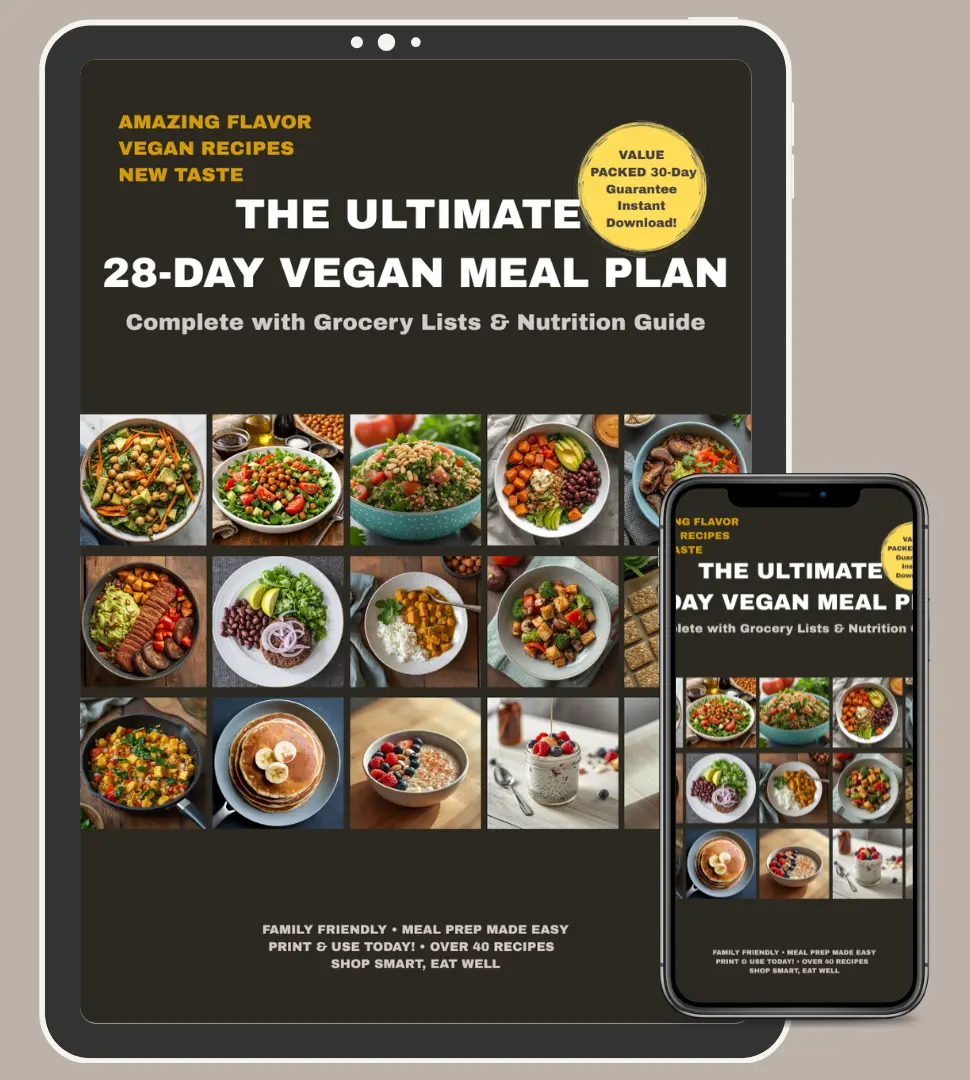
Still spending hours figuring out what to eat?
What’s included in your download
- 40+ nutritionist-approved recipes
- Complete 28-day calendar
- Meets protein, iron & B12 needs
- Family & meal prep friendly
- Vibrant photo for every recipe
- Simple, common ingredients
Instant PDF download. No subscriptions. No waiting.