Disclaimer: This article is for informational and educational purposes only. Gut health concerns vary significantly by individual. Consult a registered dietitian or gastroenterologist for personalised guidance if you have IBS, IBD, SIBO, or other digestive conditions.
Vegan Gut-Healing Foods: Top 10 Plant-Based Foods That Restore Your Microbiome Naturally
Ultimate 28-Day Vegan Meal Plan
+ Complete Grocery List & Toolkit
Built by a professional chef with 10+ years in MENA & Mediterranean kitchens
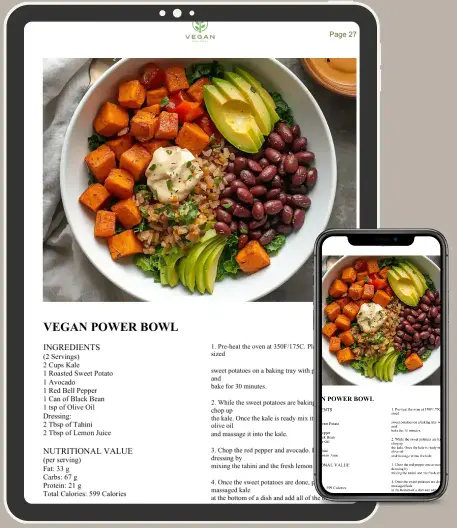
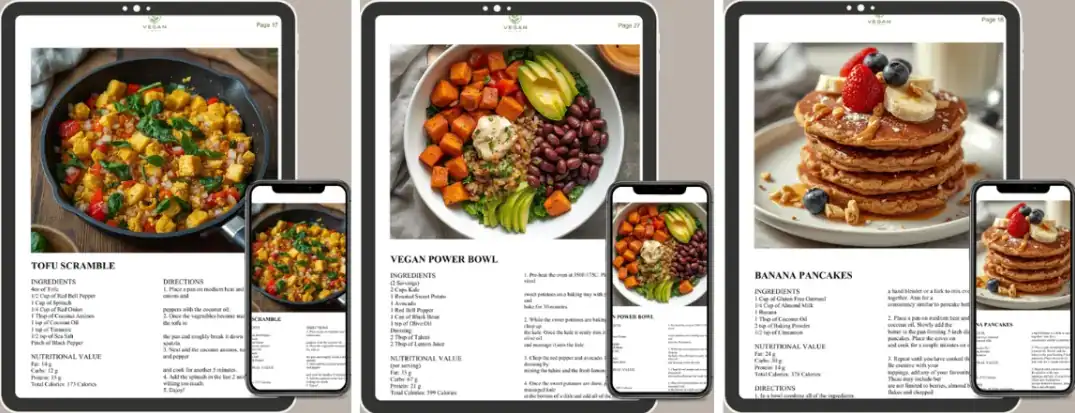
- 36 chef-tested vegan recipes — full-colour photo for every single one
- Complete 28-day meal calendar — every breakfast, lunch, dinner & snack planned
- 4 weekly grocery lists — organised by supermarket section, nothing specialty
- Getting started guides — nutrition, vegan swaps, protein facts, foods list
- Pantry & nutrition hub — Middle Eastern ingredients, whole grains, substitutions
- Budget-friendly tips — eat well, spend less every week
- BONUS: Vegan Nutrition Toolkit — protein cheat sheet, dining out guide, meal prep tips, label reading & quick reference sheets
Why Gut Health Matters More for Vegans Than You Think
Vegan gut-healing foods are not just a wellness trend. They represent a fundamental alignment between plant-based eating and the biological reality of the human digestive system. The human gut contains approximately 100 trillion microorganisms, collectively known as the microbiome, which influence everything from immune function to mood regulation to nutrient absorption. Research via PubMed consistently shows that plant-based diets support greater microbial diversity, a key marker of gut health, compared to standard Western diets high in processed foods and animal products.
For vegans specifically, gut health carries additional significance. Plant-based diets are naturally higher in fiber, which serves as fuel for beneficial gut bacteria. However, a sudden increase in fiber without adequate hydration or gradual adaptation can cause temporary digestive discomfort. This is where strategic selection of vegan gut-healing foods becomes essential: they provide the prebiotic fibers, probiotic cultures, and anti-inflammatory compounds that support a smooth transition to, or optimization of, a whole-food plant-based diet.
Furthermore, many vegans manage conditions like IBS, food sensitivities, or post-antibiotic recovery, where targeted gut support accelerates healing. The foods featured in this guide are selected not only for their microbiome benefits but also for their accessibility, affordability, and compatibility with common vegan meal patterns. Whether you are new to plant-based eating or optimizing an established vegan diet, these vegan gut-healing foods provide a practical, evidence-based foundation for digestive wellness.
The connection between vegan gut-healing foods and broader health outcomes extends beyond digestion. A well-functioning microbiome supports mental health through the gut-brain axis, regulates inflammation linked to chronic disease, and enhances the bioavailability of nutrients from plant foods. For those exploring the intersection of gut health and plant-based nutrition, the gut health vegan diet guide on this site provides deeper context on how microbiome support integrates with overall vegan wellness strategies.
The Science: How Plant Foods Feed Your Microbiome
Understanding why vegan gut-healing foods work requires a brief look at three core mechanisms: prebiotics, probiotics, and polyphenols. Each plays a distinct role in supporting a resilient, diverse, and balanced gut microbiome.
The Three Pillars of Microbiome Support
Prebiotics: Non-digestible fibers that serve as food for beneficial gut bacteria. Found in garlic, onions, leeks, asparagus, bananas, oats, and legumes. Prebiotics stimulate the growth of Bifidobacteria and Lactobacilli, two genera associated with improved digestion and immune function.
Probiotics: Live microorganisms that, when consumed in adequate amounts, confer health benefits. Found in fermented foods like sauerkraut, kimchi, miso, tempeh, kombucha, and plant-based yogurts. Probiotics introduce beneficial strains directly into the gut ecosystem.
Polyphenols: Plant compounds with antioxidant and anti-inflammatory properties. Found in berries, green tea, dark chocolate, olives, and spices like turmeric. Polyphenols are metabolized by gut bacteria into bioactive compounds that reduce inflammation and support microbial diversity.
These three categories are not mutually exclusive. Many vegan gut-healing foods deliver multiple benefits. For example, tempeh provides probiotics from fermentation, prebiotic fiber from soybeans, and polyphenols from the fermentation process itself. This synergy is why whole-food, plant-based approaches to gut health often outperform isolated supplement strategies.
Research consolidated at VeganHealth.org emphasizes that microbiome diversity, not just the presence of specific strains, correlates most strongly with health outcomes. A varied plant-based diet naturally promotes this diversity by providing a wide range of fibers and phytonutrients that different bacterial species prefer. This is the foundational insight behind the vegan gut-healing foods featured in this guide: they are not magic bullets, but rather strategic components of a diverse, fiber-rich, plant-forward eating pattern.
The Fiber Advantage: Why Plants Win for Gut Health
Fiber is the single most important dietary factor for microbiome health, and plant foods are its exclusive source. Animal products contain zero fiber. A typical vegan diet provides 40 to 60 grams of fiber daily, compared to 15 to 20 grams in standard Western diets. This difference matters because fiber fermentation in the colon produces short-chain fatty acids (SCFAs) like butyrate, which nourish colon cells, reduce inflammation, and strengthen the gut barrier.
For those managing IBS or sensitive digestion, the vegan IBS diet guide on this site covers how to introduce high-fiber vegan gut-healing foods gradually to minimize discomfort while maximizing long-term benefits. The key is consistency, not perfection: small, daily additions of prebiotic and probiotic foods create cumulative microbiome shifts over weeks and months.
Disclaimer: This article is for informational and educational purposes only. Gut health concerns vary significantly by individual. Consult a registered dietitian or gastroenterologist for personalised guidance if you have IBS, IBD, SIBO, or other digestive conditions.
Top 10 Vegan Gut-Healing Foods (With Practical Uses)
Each food below is selected for its evidence-based microbiome benefits, accessibility, and versatility in everyday vegan cooking. Practical usage tips ensure you can incorporate them without overhauling your routine.
Why it heals: Fermented cabbage delivers live Lactobacillus strains plus vitamin C and fiber. Unpasteurized versions retain probiotics; shelf-stable canned sauerkraut is typically pasteurized and lacks live cultures.
How to use: Add 2 to 3 tablespoons to grain bowls, wraps, or alongside roasted vegetables. Start with small amounts if new to fermented foods.
Why they heal: Rich in inulin and fructooligosaccharides (FOS), prebiotic fibers that selectively feed Bifidobacteria. Also contain allicin, a compound with antimicrobial and anti-inflammatory properties.
How to use: Sauté as a base for soups, stews, and sauces. Roast whole garlic cloves for a spreadable paste. Add raw to dressings for maximum prebiotic impact.
Why they heal: Provide resistant starch and soluble fiber that feed beneficial bacteria. Also deliver plant protein and iron, supporting overall gut lining health.
How to use: Batch cook for meal prep. Add to soups, salads, wraps, or blend into dips. Rinse canned varieties to reduce sodium.
Why they heal: Packed with polyphenols like anthocyanins that reduce gut inflammation and promote growth of Akkermansia, a bacterium linked to metabolic health.
How to use: Add to overnight oats, smoothies, or plant-based yogurt. Frozen berries retain polyphenols and are cost-effective year-round.
Why it heals: Fermented soybean paste delivers probiotics, enzymes, and umami flavor. Contains strains like Aspergillus oryzae that support digestive enzyme production.
How to use: Whisk into warm (not boiling) water for instant soup. Use as a marinade base or stir into grain bowls. Store in fridge for months.
Why they heal: Rich in beta-glucan, a soluble fiber that feeds beneficial bacteria and supports healthy cholesterol levels. Also provide resistant starch when cooled.
How to use: Prepare overnight oats, warm porridge, or add to smoothies. For extra prebiotic benefit, cook and cool oats before reheating.
Why it heals: Fermented soy product with probiotics, complete protein, and prebiotic fiber. Fermentation increases bioavailability of nutrients and reduces antinutrients.
How to use: Marinate and pan-fry for grain bowls, crumble into tacos, or slice for sandwiches. Steam briefly before cooking to soften texture if desired.
Why it heals: Rich in catechins, polyphenols that reduce gut inflammation and promote growth of beneficial Bifidobacteria. Also supports antioxidant status systemically.
How to use: Brew 2 to 3 cups daily. Enjoy hot or iced. Avoid adding dairy; plant milks do not interfere with polyphenol absorption.
Why they heal: Among the richest dietary sources of inulin, a prebiotic fiber that selectively stimulates Bifidobacteria growth. Also provide vitamins K and folate.
How to use: Roast asparagus with olive oil and garlic. Sauté leeks as a soup base or add to grain bowls. Use the green tops of leeks in stocks.
Why they heal: Provide soluble fiber, omega-3 fatty acids (ALA), and lignans that support gut barrier integrity and reduce inflammation. Also promote regularity.
How to use: Grind flaxseeds for absorption; add to smoothies, oatmeal, or baked goods. Soak chia seeds to make pudding or use as an egg replacer.
Practical Tip: Start Small, Build Consistency
Introducing multiple vegan gut-healing foods at once can cause temporary bloating or gas as your microbiome adapts. Begin with one or two foods from this list, incorporating them daily for a week before adding another. For example, start with garlic and onions in your cooking, then add a tablespoon of sauerkraut to lunch, then incorporate berries at breakfast. This gradual approach minimizes discomfort while allowing your gut bacteria to adjust. For those with IBS or sensitive digestion, the vegan IBS diet guide provides a low-FODMAP adaptation of these principles.
For those seeking to maximize the impact of these foods, combining prebiotic and probiotic sources in the same meal creates a synbiotic effect. For example, a bowl of miso soup with tofu, seaweed, and scallions delivers probiotics from miso, prebiotics from scallions, and polyphenols from seaweed. This strategic layering is the essence of effective vegan gut-healing foods integration.
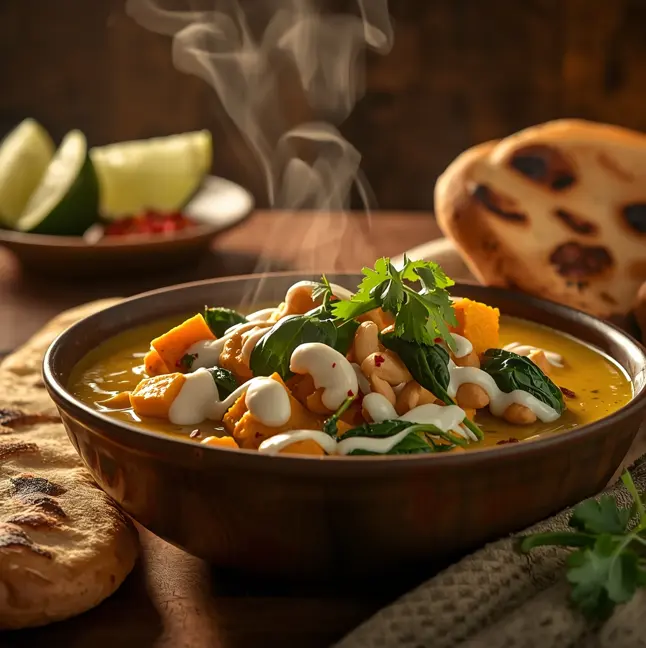
How to Incorporate These Foods Daily Without Overhaul
The goal is not to eat all 10 vegan gut-healing foods every day. Rather, aim to include three to five different items across your meals, rotating varieties throughout the week to maximize microbiome diversity. Below are practical, low-effort strategies for seamless integration.
The 3-Meal Framework: Simple Daily Integration
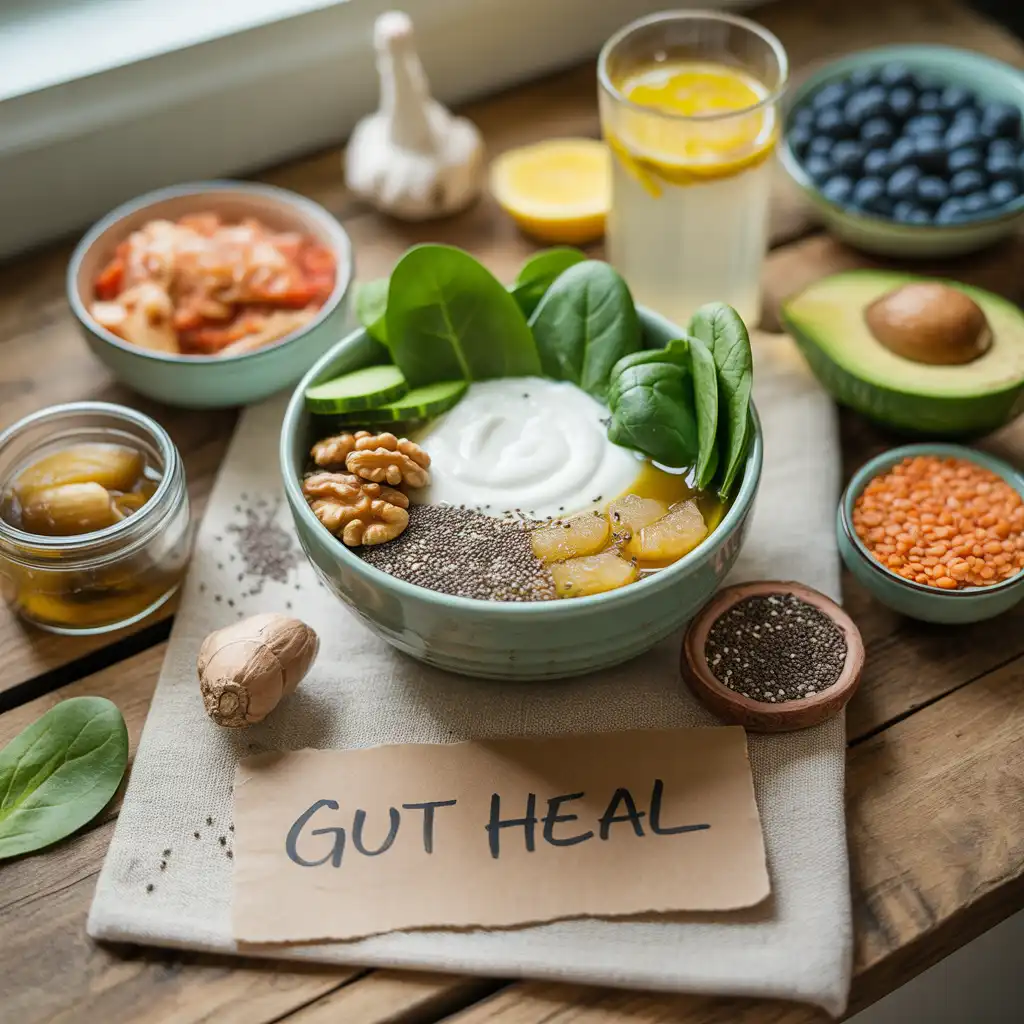
Breakfast: Choose one prebiotic or polyphenol source. Examples: overnight oats with berries and ground flax; green tea with a banana; plant-based yogurt topped with chia seeds and sliced leeks (savory option).
Lunch: Include one probiotic or high-fiber component. Examples: grain bowl with sauerkraut and lentils; miso soup with tempeh and vegetables; salad with chickpeas, asparagus, and tahini dressing.
Dinner: Focus on cooked prebiotic vegetables and legumes. Examples: roasted garlic and onion with quinoa and broccoli; lentil stew with leeks and carrots; tempeh stir-fry with green tea marinade.
Snacks (optional): Berries, a small handful of walnuts, or kombucha. Keep snacks simple to avoid overwhelming the digestive system.
Batch preparation is your ally. Cook a large pot of lentils or chickpeas on Sunday. Roast a tray of asparagus, leeks, and garlic. Prepare overnight oats for three mornings. These small investments create a week of gut-supportive meals with minimal daily effort. The vegan meal prep for beginners guide on this site covers the component-based approach that makes this strategy sustainable long-term.
Hydration and Timing: Often Overlooked Essentials
Fiber-rich vegan gut-healing foods require adequate water to function optimally. Aim for at least 2 liters of water daily, increasing intake when consuming high-fiber meals. Additionally, spacing probiotic foods away from very hot beverages or meals preserves live cultures: add sauerkraut or miso to warm (not boiling) dishes, and enjoy kombucha or plant-based yogurt at room temperature.
For those exploring fermented foods for the first time, start with 1 to 2 tablespoons of sauerkraut or kimchi daily, gradually increasing to 1/4 cup as tolerated. This prevents the “die-off” reaction some experience when introducing large amounts of probiotics suddenly. The fermented foods vegan guide provides a detailed introduction to safe, effective fermentation practices at home.
Foods to Limit When Healing Your Gut
While focusing on vegan gut-healing foods, it is equally important to minimize items that can disrupt microbiome balance or irritate a sensitive gut. This is not about perfection, but about creating a supportive environment for healing.
Common Gut Disruptors to Reduce
- Ultra-processed vegan foods: Mock meats and cheeses high in additives, emulsifiers, and refined oils may reduce microbial diversity. Prioritize whole-food ingredients.
- Excess added sugars: High sugar intake can promote growth of less beneficial bacterial strains. Limit sugary plant milks, desserts, and sweetened beverages.
- Artificial sweeteners: Some studies suggest sucralose and aspartame may negatively impact gut bacteria. Opt for whole-food sweeteners like dates or maple syrup in moderation.
- Excessive alcohol: Even plant-based alcohols can irritate the gut lining and alter microbiome composition. Consume mindfully, if at all.
- Very high-fat meals: Large amounts of oil, even healthy plant oils, can slow digestion and cause discomfort in sensitive individuals. Balance fats with fiber-rich foods.
This is not a restrictive list. The goal is awareness, not elimination. Many people find that as they increase intake of vegan gut-healing foods, cravings for processed items naturally decrease. For those managing specific conditions like SIBO or IBD, working with a healthcare provider to personalize these guidelines is essential. The anti-inflammatory vegan diet guide offers additional strategies for reducing dietary triggers while maintaining nutritional adequacy.
7-Day Gut-Healing Meal Framework for Beginners
This framework demonstrates how to rotate vegan gut-healing foods across a week without repetition or complexity. Each day includes one prebiotic, one probiotic or polyphenol source, and one high-fiber staple.
Monday: Overnight oats with blueberries, ground flax, and green tea. Lunch: Lentil and vegetable soup with miso paste and sauerkraut on the side. Dinner: Quinoa bowl with roasted garlic, asparagus, and tempeh.
Tuesday: Smoothie with banana, chia seeds, spinach, and kombucha. Lunch: Large salad with chickpeas, leeks, berries, and tahini dressing. Dinner: Miso-glazed tempeh with brown rice and steamed broccoli.
Wednesday: Warm oatmeal with raspberries and walnuts. Lunch: Leftover lentil soup with a side of sauerkraut. Dinner: Stir-fried tempeh with onions, garlic, and green tea marinade over soba noodles.
Thursday: Chia pudding with mixed berries and plant-based yogurt. Lunch: Grain bowl with roasted asparagus, chickpeas, and miso-tahini dressing. Dinner: Hearty stew with lentils, leeks, and carrots.
Friday: Green tea and banana with a handful of almonds. Lunch: Wrap with hummus, sauerkraut, roasted vegetables, and tempeh. Dinner: Miso soup with tofu, seaweed, and scallions; side of roasted sweet potato.
Saturday: Overnight oats with flax, berries, and a spoon of plant-based yogurt. Lunch: Large salad with mixed greens, chickpeas, berries, and lemon-tahini dressing. Dinner: Tempeh tacos with sauerkraut slaw and avocado.
Sunday: Smoothie with banana, chia, spinach, and kombucha. Lunch: Leftover stew or grain bowl. Dinner: Roasted garlic and onion pasta with lentils and a side of steamed asparagus.
Flexibility Is Key
This framework is a template, not a rigid plan. Swap days, substitute vegetables based on seasonality, or adjust portions to your appetite. The core principle is consistent inclusion of vegan gut-healing foods, not perfection in execution. For those new to meal planning, the vegan pantry staples list helps ensure you always have the foundational ingredients on hand.
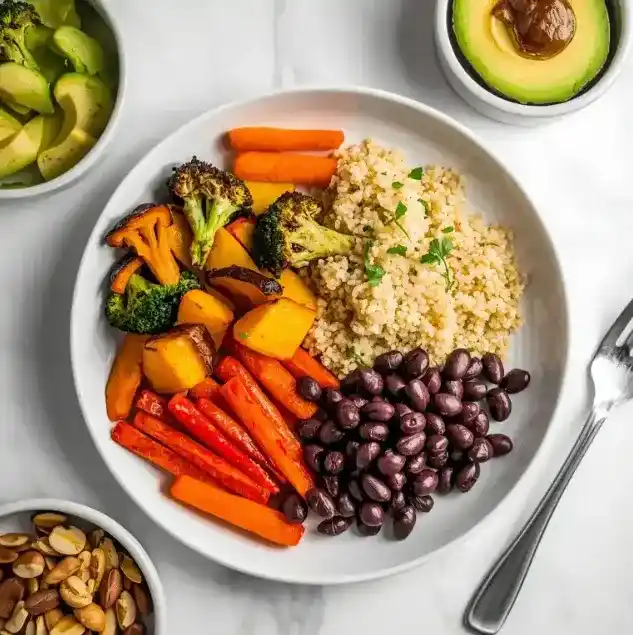
-
Complete 28-day calendarEvery breakfast, lunch, dinner & snack planned
-
40+ nutritionist-approved recipesVibrant photo for every single dish
-
Easy weekly grocery listsShop smart, spend less, waste nothing
-
Protein, iron & B12 at every mealNutritionally complete — no guesswork
-
Saves 7+ hours weeklyPrint it once, follow it all month
-
Bonus: Nutrition Guide ToolkitVegan tips, guides & family meal prep
Chef’s Perspective: Traditional Fermentation Wisdom from MENA Kitchens
In over twenty years of professional cooking across Lebanon, the Gulf, and Saudi Arabia, I have witnessed how traditional fermentation practices naturally supported gut health long before the term “microbiome” entered popular discourse. The MENA domestic kitchen did not think of sauerkraut or kimchi; it thought of torshi (pickled vegetables), labneh (strained yogurt), and mish (fermented cheese). But the principle was identical: preserve the harvest, enhance flavor, and support digestion through microbial transformation.
Lebanese households ferment cabbage with carrots and turnips, creating a probiotic condition that accompanies nearly every meal. This is not a side dish; it is a digestive aid, consumed in small amounts to stimulate enzyme production and support nutrient absorption. Similarly, miso in Japanese cuisine or dosa batter in South Indian cooking represents the same wisdom: allow time and microbial activity to transform simple ingredients into something more nourishing and more digestible.
When I teach vegan gut-healing foods today, I draw from this tradition. Fermentation is not a trend; it is a timeless technology for enhancing food. The vegan gut-healing foods featured in this guide are modern expressions of this ancient wisdom: sauerkraut is torshi with cabbage; miso is a fermented soybean paste with deep umami; tempeh is a fermented cake that delivers complete protein and probiotics. By reconnecting with these traditions, we honor both culinary heritage and biological intelligence.
For those interested in exploring fermentation at home, start simple: a jar of cabbage with salt, left at room temperature for three to five days, becomes sauerkraut. The process requires no special equipment, only patience and observation. This is the essence of vegan gut-healing foods: accessible, traditional, and profoundly effective.
Frequently Asked Questions About Vegan Gut-Healing Foods
How quickly will I notice improvements from vegan gut-healing foods?
Most people report subtle changes in digestion, energy, or bloating within one to two weeks of consistent intake. Measurable shifts in microbiome composition typically require four weeks of sustained dietary changes, per research via PubMed. Patience and consistency matter more than intensity: small daily additions of prebiotic and probiotic foods create cumulative benefits over time.
Can vegan gut-healing foods help with IBS symptoms?
Yes, but with nuance. Prebiotic fibers can initially exacerbate IBS symptoms in sensitive individuals. The key is gradual introduction and personalization. Start with low-FODMAP prebiotic sources like firm bananas or small amounts of garlic-infused oil. The vegan IBS diet guide provides a structured approach to incorporating gut-healing foods while managing IBS triggers.
Do I need probiotic supplements if I eat fermented foods?
For most people, no. Fermented vegan foods like sauerkraut, miso, and tempeh provide diverse probiotic strains that support gut health. Supplements may be beneficial in specific cases, such as post-antibiotic recovery or diagnosed dysbiosis, under professional guidance. Food-first approaches align with the whole-food philosophy of vegan gut-healing foods.
Are all fermented vegan foods probiotic?
No. Only unpasteurized, refrigerated fermented foods retain live cultures. Shelf-stable sauerkraut, pasteurized miso soup, or baked tempeh may lack active probiotics, though they still provide prebiotic fiber and other nutrients. Check labels for “live and active cultures” or purchase from the refrigerated section.
Can I overdo prebiotic foods and cause discomfort?
Yes. Rapidly increasing prebiotic fiber intake can cause gas, bloating, or cramping as gut bacteria adjust. Start with small portions (e.g., 1 clove of garlic, 1/4 cup lentils) and increase gradually over weeks. Hydration and gentle movement support comfortable adaptation. Listen to your body and adjust pace accordingly.
How do vegan gut-healing foods support mental health?
Through the gut-brain axis: a diverse microbiome produces neurotransmitters like serotonin and GABA, reduces systemic inflammation linked to depression, and supports the vagus nerve communication pathway. Research via NutritionFacts.org highlights the mental health benefits of fiber-rich, polyphenol-dense plant diets.
What if I do not like fermented foods?
Start with milder options: miso paste blended into soups is subtle; tempeh marinated and cooked loses its fermented edge; plant-based yogurts come in many flavors. Alternatively, focus on prebiotic and polyphenol sources like garlic, berries, and green tea, which deliver significant gut benefits without fermentation.
Can children benefit from vegan gut-healing foods?
Yes, with age-appropriate adaptations. Introduce fermented foods in small amounts (e.g., a teaspoon of sauerkraut). Focus on naturally sweet prebiotic sources like bananas and oats. Consult a pediatric dietitian for personalized guidance, especially for children with digestive sensitivities.
How do I store fermented vegan foods to preserve probiotics?
Keep unpasteurized fermented foods refrigerated in airtight containers. Use clean utensils to avoid contamination. Consume within the timeframe on the label (typically 1 to 3 months after opening). For homemade ferments, follow safe fermentation guidelines to prevent spoilage.
Are vegan gut-healing foods expensive?
Not necessarily. Garlic, onions, lentils, oats, and seasonal berries are among the most affordable foods available. Fermented options like sauerkraut and miso have a higher per-serving cost but are used in small amounts, making them cost-effective over time. The cheap vegan meals guide covers budget strategies for gut-healthy eating.
Can I combine vegan gut-healing foods with other dietary approaches?
Absolutely. These foods complement gluten-free, low-FODMAP, anti-inflammatory, and whole-food plant-based patterns. The key is personalization: adapt portions and selections to your tolerance and health goals. For comprehensive nutrition guidance, the vegan nutrition facts guide provides foundational knowledge.
What is the single most important vegan gut-healing food to start with?
Garlic and onions. They are affordable, versatile, rich in prebiotic fibers, and form the flavor base of countless cuisines. Adding them to your daily cooking is the simplest, most sustainable entry point to microbiome support. From there, layer in one additional food each week to build a diverse, gut-supportive diet.

28-Day Vegan Meal Plan
+ Grocery List
Complete Solution · Nutritionist-Approved · Print & Use Today
Read on any device · No apps needed
Conclusion: Vegan Gut-Healing Foods Are Accessible, Traditional, and Transformative
Vegan gut-healing foods are not a niche trend. They represent a return to foundational eating patterns that align with human biology: diverse plant fibers, fermented staples, and polyphenol-rich botanicals. The top 10 foods featured in this guide provide a practical, evidence-based toolkit for supporting microbiome health without expensive supplements or restrictive protocols.
The key is consistency, not perfection. Incorporating three to five of these foods daily, rotating varieties throughout the week, and allowing time for adaptation creates cumulative benefits for digestion, immunity, and overall wellness. For those new to plant-based eating, these foods also ease the transition by supporting digestive comfort and nutrient absorption.
Vegan gut-healing foods work best as part of a broader whole-food, plant-based pattern. The whole food vegan diet guide on this site provides the nutritional framework that maximizes the impact of these gut-supportive choices. Combined with adequate hydration, mindful eating, and stress management, vegan gut-healing foods become a sustainable pillar of long-term health.
Start where you are. Add one prebiotic vegetable to your next meal. Try a tablespoon of sauerkraut. Brew a cup of green tea. These small steps, repeated consistently, create the foundation for a resilient, diverse, and thriving gut microbiome. Vegan gut-healing foods, approached with patience and curiosity, are one of the most accessible and transformative investments you can make in your health.