Disclaimer: This article is for informational and educational purposes only. It is not medical or nutritional advice. Consult a qualified healthcare professional or registered dietitian before making significant dietary changes, especially if you have a medical condition or take medication.
Vegan Vitamin E Foods: The Complete Guide to Plant-Based Vitamin E Sources
Why Vitamin E Matters on a Vegan Diet
Vitamin E is one of the body’s primary fat-soluble antioxidants. Its core job is protecting cell membranes from oxidative damage by neutralising free radicals before they can degrade the polyunsaturated fatty acids embedded in cell walls. For vegans, who typically consume more polyunsaturated fats from plant oils, seeds, and nuts than omnivores, this protective role becomes especially relevant. The more PUFAs in the diet, the more vitamin E is needed to protect them from oxidation.
Despite this, vitamin E is one of the most overlooked nutrients in standard vegan nutrition guidance. Most vegan nutrient discussions centre on B12, vitamin D, iron, omega-3, and calcium. Vitamin E rarely gets its own dedicated treatment. A 2023 analysis of vegan meal plans found vitamin E at just 7% of daily value in some cases, making it the second lowest nutrient measured after iodine. For context on how iodine stacks up, the vegan iodine foods guide covers that gap in full.
The gap is not because plant foods lack vitamin E. It is because of two compounding factors: first, the specific plant foods richest in vitamin E (seeds, nuts, wheat germ, cold-pressed oils) are not the foods most commonly centred in day-to-day plant-based cooking. Second, and more critically, vitamin E absorption depends almost entirely on the presence of dietary fat. A low-fat vegan diet can consume adequate vitamin E on paper while absorbing almost none of it in practice.
This is also why a whole-food plant-based approach naturally supports better vitamin E status: whole plant foods like nuts, seeds, avocado, and olive oil bring both the vitamin E and the fat needed to absorb it together.
The Fat Absorption Rule: The Most Critical Insight
Vitamin E is fat-soluble. This means it dissolves in fat, not water, and it is absorbed through the same intestinal pathways as dietary fats. Without fat present in the digestive tract at the same time as vitamin E, absorption drops dramatically. This single fact explains the majority of poor vitamin E status cases in otherwise well-intentioned plant-based eaters.
The practical implication is straightforward. If your vegan vitamin E foods are eaten alongside a source of fat, you absorb most of what you consume. If they are eaten in a low-fat context, most is wasted. A handful of sunflower seeds on a plain salad with no dressing absorbs far less vitamin E than the same seeds in a salad dressed with olive oil or tahini. Spinach sauteed in olive oil delivers meaningfully more vitamin E than raw spinach in a fat-free bowl.
The Low-Fat Vegan Diet Trap
Some whole-food plant-based approaches advocate for very low fat intake, removing oils and minimising nuts and seeds. For most nutrients this is fine or even beneficial. For vitamin E specifically, this approach creates a genuine absorption problem. Not only are the primary sources of vegan vitamin E foods (seeds, nuts, oil) reduced, but the fat needed to absorb E from other plant sources (leafy greens, whole grains) is also absent. If you follow a low-fat WFPB approach, pay close attention to your vitamin E food choices and consider including at least a small daily fat source with vitamin E-rich foods.
This connection between fat and fat-soluble vitamin absorption also applies to vitamins A, D, and K. The vegan vitamin D guide and the vegan vitamin K guide both cover this absorption principle within their respective nutrient contexts. The pattern is consistent: eat fat-soluble vitamins with fat, always.
The 8 Forms of Vitamin E: Which Plants Provide Which
Most people think of vitamin E as a single compound. It is actually a family of eight distinct molecules divided into two subfamilies: tocopherols and tocotrienols. Each subtype has different biological activity and is found in different plant foods. Understanding this helps explain why food variety matters as much as quantity when building a vegan vitamin E foods strategy.
For practical daily purposes, alpha-tocopherol is the form tracked by nutritional databases and the one measured against the RDA. Gamma-tocopherol deserves attention because it performs a different protective function: scavenging reactive nitrogen species that alpha-tocopherol cannot neutralise effectively. A vegan vitamin E foods strategy that includes both sunflower seeds (alpha-tocopherol dominant) and walnuts or sesame (gamma-tocopherol dominant) covers both pathways.
Tocotrienols are a newer area of research. They are found in rice bran, barley, and annatto, and early evidence suggests neuroprotective and cardiovascular properties beyond those of tocopherols. Eating a variety of whole grains alongside seeds and nuts naturally includes both families of vitamin E without any deliberate effort.
Top Vegan Vitamin E Foods Ranked
The following ranking is based on alpha-tocopherol content per 100g serving, the primary measurable vitamin E form in food databases. All values are approximate from USDA FoodData Central. Where vitamin E content is strongly affected by cooking method, this is noted. A whole-food approach to vitamin E, as outlined in the vegan nutrient deficiencies guide, should draw from the top half of this list daily.
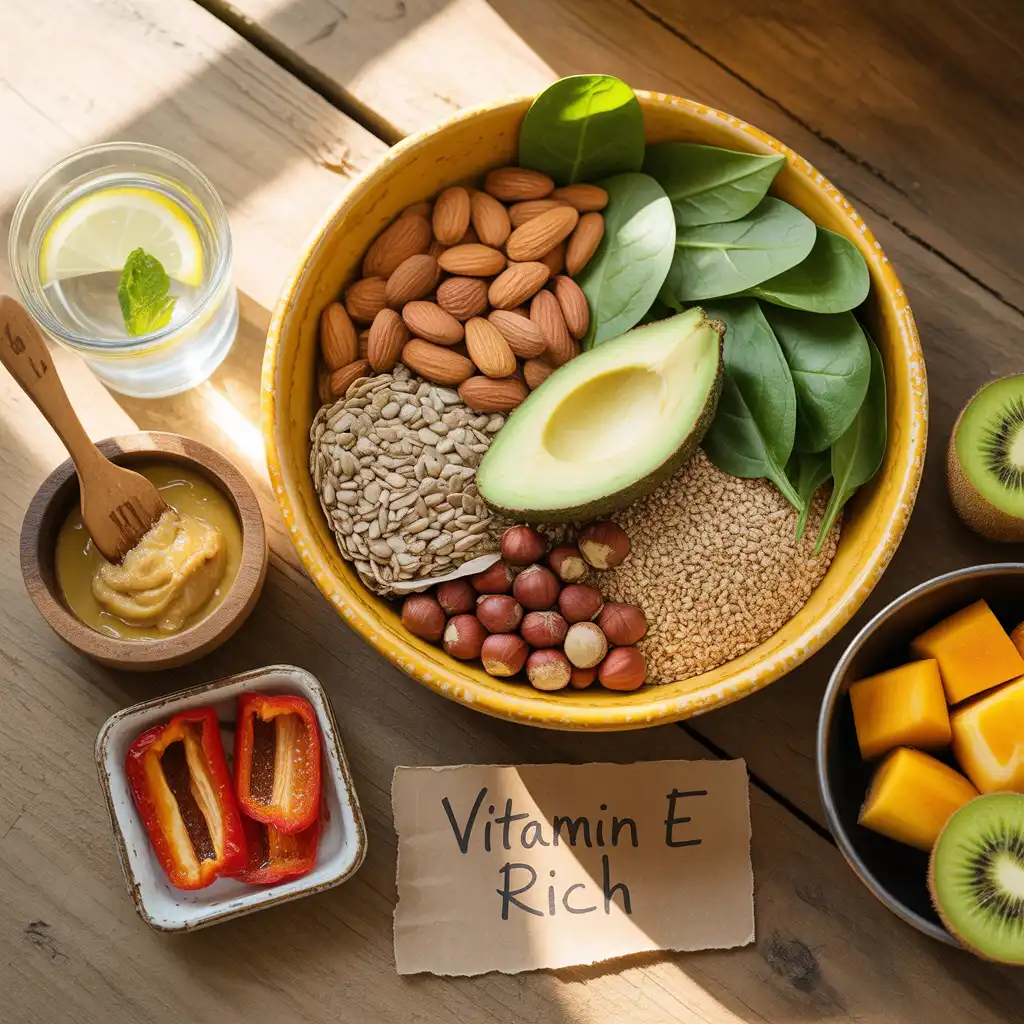
Sunflower seeds and almonds are the two most practical everyday vegan vitamin E foods. Both are widely available, affordable, and easy to incorporate into any meal format. A single 30g serving of sunflower seeds provides approximately 10.5mg of vitamin E, which is 70% of the adult daily requirement in a single small handful. Almonds at the same serving size deliver approximately 7.8mg, around 52% of the daily target.
Olive oil deserves special mention. While lower in volume-by-volume vitamin E than sunflower oil, extra virgin olive oil is a whole-diet staple used in MENA and Mediterranean cooking at daily quantities that add up significantly. Two tablespoons of EVOO provides approximately 3.8mg of vitamin E, contributing meaningfully to daily intake while simultaneously providing the fat needed to absorb vitamin E from every other plant source eaten in the same meal. Healthy fat intake and vitamin E status are discussed alongside omega-3 nutrition in the vegan omega-3 guide.
Spotlight: 6 Key Plant-Based Vitamin E Foods
These six vegan vitamin E foods offer the best combination of vitamin E content, overall nutritional value, and culinary versatility for daily plant-based eating.
The single most practical vegan vitamin E food. Rich in alpha-tocopherol. Add to porridge, salads, or eat as a snack. Also provides selenium, magnesium, and zinc.
The most portable and widely available high-E nut. Eat raw or as almond butter. Provides calcium, magnesium, and fibre alongside exceptional vitamin E content.
Uniquely provides vitamin E alongside monounsaturated fat, ensuring its own absorption. The only whole fruit with significant fat content. Vitamin E plus built-in absorber.
A daily cooking staple that contributes both vitamin E and the fat needed for absorption from other plant foods. Choose cold-pressed EVOO to preserve tocopherol content.
A valuable low-calorie E source that also provides iron, folate, and vitamin K. Absorption of its vitamin E improves significantly when cooked in olive oil or dressed with fat.
Gamma and alpha-tocopherol combined. Choose natural peanut butter (peanuts only). A tablespoon on whole grain bread delivers meaningful E with built-in fat for absorption.
Skin Health and Immunity: The Antioxidant Mechanism
Vitamin E’s reputation as a skin nutrient is well earned. The skin is exposed to more oxidative stress than almost any other organ: UV radiation, pollution, heat, and environmental toxins all generate free radicals that damage skin cell membranes. Vitamin E, concentrated in the skin’s sebaceous glands and deposited directly into the sebum that coats the skin surface, acts as the primary fat-soluble antioxidant line of defence against this damage.
Vitamin E and Skin: What the Research Shows
Vitamin E reduces UV-induced lipid peroxidation in skin cells, helping prevent photoageing. It works synergistically with vitamin C: C regenerates oxidised E back to its active form, extending E’s antioxidant lifespan in skin tissue. This is why combining vitamin E-rich foods with vitamin C-rich foods (citrus, berries, peppers) provides stronger skin protection than either alone. The vegan vitamin C guide covers the best plant sources of C to pair with your vitamin E foods.
For skin health specifically, both dietary vitamin E and topical application have evidence behind them. Dietary vitamin E from vegan vitamin E foods is the most reliable long-term strategy, as it delivers the nutrient systemically to all skin layers from within. Topical vitamin E oil, while popular, has more limited and mixed evidence. For anyone focused on skin nutrition specifically, the vegan glowing skin guide on this site integrates vitamin E within a complete skin nutrition plan.
Vitamin E and Immune Function
Beyond skin, vitamin E plays a specific role in immune competence that becomes increasingly important with age. T-lymphocyte function, a key component of adaptive immunity, declines with ageing in part due to increased oxidative stress in immune cells. Vitamin E has been shown to slow this decline. Research published on PubMed confirms that adequate vitamin E intake is associated with improved T-cell proliferation and enhanced immune response to vaccination in older adults.
For vegans over 50, who may already be attentive to immune support through the diet, ensuring adequate vegan vitamin E foods intake is a practical and evidence-supported strategy. For older vegans, ensuring adequate vegan vitamin E foods intake alongside vitamin D and B12 is a practical, evidence-supported nutritional priority.
Vitamin E and Brain Health
Emerging research points to a role for vitamin E in cognitive protection. The brain’s high concentration of PUFAs in neuronal membranes makes it particularly vulnerable to lipid peroxidation. Several observational studies have found lower blood vitamin E levels in people with mild cognitive impairment and Alzheimer’s disease. While causality has not been established, ensuring adequate dietary intake from vegan vitamin E foods is a low-risk, biologically plausible strategy for brain longevity. The vegan brain health guide covers the full nutritional picture for cognitive support.
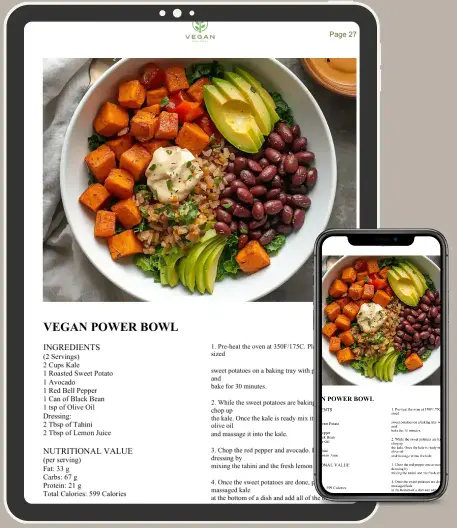
The Complete 28-Day Vegan Meal Plan + Grocery List
- 28-day structured calendar — breakfast, lunch, dinner & snack, every single day
- Every meal meets protein, iron & B12 — no guesswork, no gaps
- 4 weekly grocery lists — categorised, budget-friendly, zero waste
- Saves 7+ hours weekly — print once, follow all month
- Bonus Nutrition Guide Toolkit — vegan tips, guides & family meal prep
Instant digital download · Printable PDF · Use today
7-Step Vegan Vitamin E Protocol
This protocol is built around food-first strategies. Supplementation is rarely necessary if these steps are followed consistently.
Eat a small handful of sunflower seeds or almonds daily. 30g of either covers 50 to 70% of the adult vitamin E RDA in a single serving. Keep a jar of raw sunflower seeds on the counter. Add to porridge, salads, or eat as a snack. This one habit alone closes most of the vitamin E gap common in plant-based diets.
Always pair vitamin E-rich foods with dietary fat. The absorption rule applies to every meal. Spinach with olive oil. Seeds in a tahini-dressed salad. Almonds eaten alongside avocado. The fat does not need to be substantial, but it must be present. A fat-free salad topped with sunflower seeds absorbs a fraction of the E a dressed salad would.
Use extra virgin olive oil as your primary cooking fat. EVOO provides 14mg vitamin E per 100g and is the cooking fat most consistent with the evidence on long-term health outcomes. Two tablespoons daily in cooking, dressings, and drizzling adds approximately 3.8mg of vitamin E while ensuring fat availability for absorption from every other plant source in the meal.
Eat dark leafy greens at least once daily. Spinach, kale, and chard are moderate vitamin E sources that also provide vitamin K, folate, iron, and magnesium. Their E content becomes meaningful at daily consumption. The vegan vitamin K guide explores how these same greens simultaneously contribute to K1 intake.
Include whole grains for tocotrienols. Brown rice, oats, barley, and whole wheat provide tocotrienols not found in seeds and nuts. Eating whole grains daily adds the tocotrienol family of vitamin E to the tocopherol coverage from seeds, oils, and nuts, creating full-spectrum vitamin E nutrition.
Avoid excessive heat when cooking vitamin E-rich foods. Alpha-tocopherol is relatively stable to heat but degrades at high temperatures over time. Lightly toasting sunflower seeds is fine. Deep-frying or repeatedly overheating vitamin E-rich oils causes significant E losses. Use low to medium heat, add oil toward the end of cooking where possible, and use cold-pressed oils in dressings rather than cooking everything in the same oil at high heat.
Consider a food-form supplement only if dietary intake is consistently low. Synthetic DL-alpha-tocopherol (common in cheap supplements) has approximately half the biological activity of natural d-alpha-tocopherol. If supplementing, choose a natural mixed tocopherol supplement that includes all four tocopherol forms. More detail on vegan supplement strategy is in the vegan supplements guide. For most people eating the protocol above, supplementation is unnecessary.
Chef’s Perspective: MENA Olive Oil and Nut Traditions as Vitamin E Foundations
Working in professional kitchens across Lebanon, the Gulf, and Saudi Arabia for over twenty years, I cooked daily with ingredients that are now understood to be among the richest plant-based vitamin E sources available. What strikes me looking back is how deeply embedded these vegan vitamin E foods were in the culinary architecture of MENA cooking, not as supplements or health foods but as fundamental flavour and texture elements that happened to be extraordinarily nutritious.
Extra virgin olive oil is the most significant example. In Lebanese cooking, olive oil is not a measured cooking fat used sparingly. It is poured generously over hummus, swirled into soups, used to finish lentil dishes, and drizzled over grilled vegetables as a finishing touch. A traditional Lebanese home kitchen would easily use 2 to 4 tablespoons of EVOO per person per day across all meals. At 14mg vitamin E per 100g, this daily olive oil use alone covers a significant portion of the vitamin E requirement, while simultaneously providing the fat that absorbs E from every other source on the plate.
Almonds and pistachios feature across MENA sweets, savoury garnishes, and everyday snacking in ways that are deeply culturally embedded. Ma’amoul pastries filled with ground almonds and dates, muhallabia desserts topped with crushed pistachios, rice dishes scattered with toasted almonds and pine nuts: every one of these traditions delivers vitamin E alongside fat in the exact combination that maximises absorption. The cuisine and the nutritional science are aligned in the same direction.
Tahini, made from ground sesame seeds, appears in almost every corner of MENA cooking. As a base for dips, a sauce for falafel, a dressing for fattoush, and a component of countless other preparations, tahini delivers vitamin E, gamma-tocopherol specifically from sesame, calcium, and healthy fat in a package that has been central to plant-forward MENA eating for centuries. When I design plant-based menus today, tahini is one of the first ingredients I reach for, not just for flavour but because it contributes meaningfully to the nutritional architecture of every dish it touches.
Frequently Asked Questions About Vegan Vitamin E Foods
Do vegans get enough vitamin E from plant foods?
It depends heavily on diet composition and fat intake. Vegans who eat seeds, nuts, olive oil, and avocado regularly with adequate dietary fat generally have good vitamin E status. Vegans following very low-fat dietary approaches, or those who centre their diet around grains, legumes, and vegetables without regular seed and nut intake, may have lower vitamin E status. The 2023 meal plan analysis finding vitamin E at 7% of daily value highlights that this is a real gap in some plant-based diets.
What are the symptoms of vitamin E deficiency on a vegan diet?
Severe vitamin E deficiency is uncommon in otherwise healthy adults. When it occurs, symptoms include peripheral neuropathy (numbness and tingling in hands and feet), muscle weakness, vision problems, and impaired immune function. Suboptimal but non-deficient vitamin E status is more common and manifests as increased oxidative stress markers, poorer skin resilience, and potentially reduced immune competence. True deficiency is most common in people with fat malabsorption conditions rather than dietary insufficiency alone.
Is sunflower oil a good source of vitamin E on a vegan diet?
Sunflower oil is very high in vitamin E (approximately 41mg per 100g) but also very high in omega-6 linoleic acid. Regular high-temperature cooking with sunflower oil generates oxidation products and worsens the omega-6 to omega-3 ratio. For vitamin E intake, whole sunflower seeds are a superior choice. For cooking oil, EVOO is more appropriate. Sunflower oil used cold in dressings is a reasonable occasional option, but should not replace olive oil as the primary culinary fat.
Can I get too much vitamin E from plant foods?
Vitamin E toxicity from food alone is extremely unlikely. The tolerable upper intake level is 1,000mg per day of supplemental alpha-tocopherol, far above anything achievable through vegan vitamin E foods alone. High-dose supplementation (above 400IU daily) has been associated with increased bleeding risk and in some studies with increased all-cause mortality, which is why food-first strategies are preferred. Eating seeds, nuts, and olive oil generously carries no toxicity risk.
Does cooking destroy vitamin E in plant foods?
Alpha-tocopherol is moderately heat-stable at normal cooking temperatures. Light sauteing or steaming preserves most of the vitamin E content. High-temperature frying over extended periods does degrade vitamin E significantly. Toasting nuts and seeds at moderate temperatures (under 170C) causes minimal E loss. The more important factor is keeping oil-based vitamin E sources unheated where possible, using cold-pressed EVOO in dressings and finishing rather than as a high-heat frying oil.
Do I need to supplement vitamin E on a vegan diet?
For most vegans eating a varied diet that includes seeds, nuts, olive oil, and adequate dietary fat, supplementation is unnecessary. The priority is ensuring these foods are present daily and always eaten with fat for absorption. If you follow a very low-fat plant-based diet, or have a fat malabsorption condition, supplementation may be worth discussing with a healthcare provider. If supplementing, choose natural d-alpha-tocopherol or a mixed tocopherol product rather than synthetic DL-alpha-tocopherol.
Which vegan vitamin E food has the highest content per serving?
Wheat germ oil has the highest concentration at approximately 149mg per 100g, but it is rarely consumed in useful quantities. For practical daily eating, sunflower seeds at 35mg per 100g (approximately 10.5mg per 30g serving) provide the most accessible and calorie-reasonable source. Almonds at 26mg per 100g are close behind and arguably more versatile. A 30g serving of almonds provides approximately 7.8mg, covering just over 50% of the adult daily requirement.
How does vitamin E interact with vitamin C in plant-based diets?
Vitamins E and C work synergistically. Vitamin C (ascorbic acid) regenerates oxidised vitamin E back to its active antioxidant form, effectively extending E’s protective capacity. This means that a meal combining vitamin E-rich foods (seeds, avocado, olive oil) with vitamin C-rich foods (citrus, bell peppers, berries) provides stronger combined antioxidant protection than either alone. This synergy is a practical reason to include both nutrient families at meals rather than treating them as separate dietary concerns.
Is almond butter as good as whole almonds for vitamin E?
Natural almond butter made from almonds only (no added oils, salt, or sugar) provides essentially the same vitamin E content as whole almonds. The grinding process does not significantly degrade tocopherols. Almond butter can be more practical for some people, particularly for adding to smoothies, spreading on whole grain bread, or using as a sauce base. Check the ingredient list: almond butter should contain almonds only. Products with added palm oil or hydrogenated fats add unnecessary processing.
Does avocado provide meaningful vitamin E?
Yes, and uniquely so. Avocado provides approximately 2.1mg vitamin E per 100g (around 14% of daily requirements per half avocado), while simultaneously supplying the monounsaturated fat needed to absorb it. This self-contained combination makes avocado one of the most efficient vegan vitamin E foods: no additional fat source is needed to maximise absorption. Avocado also provides vitamin K, folate, potassium, and fibre, making it a strong all-round nutritional addition to a plant-based diet.
What is the difference between natural and synthetic vitamin E supplements?
Natural vitamin E (d-alpha-tocopherol) has approximately twice the biological activity of synthetic vitamin E (DL-alpha-tocopherol). The synthetic form, made from petroleum-derived compounds, is chemically a mixture of eight stereoisomers of which only one matches the natural form. For vegans who choose to supplement, selecting a natural d-alpha-tocopherol or mixed tocopherol product ensures better utilisation. Many budget supplements use the cheaper synthetic form. Check the form listed on the supplement facts panel.
How much vitamin E do I need daily as a vegan?
The adult RDA for vitamin E is 15mg per day of alpha-tocopherol equivalent. This is achievable from food without supplementation on a well-constructed whole food vegan diet. A daily combination of 30g sunflower seeds (10.5mg), one tablespoon EVOO (1.9mg), half an avocado (1.3mg), and a serving of dark leafy greens with fat already provides approximately 14mg, close to the full daily requirement. Adding almonds, peanut butter, or whole grains brings total intake comfortably to the target and beyond.

28-Day Vegan Meal Plan
+ Grocery List
Complete Solution · Nutritionist-Approved · Print & Use Today
Read on any device · No apps needed
Conclusion: Building Consistent Vegan Vitamin E Intake
Vegan vitamin E foods are not scarce or exotic. They are seeds, nuts, cold-pressed oils, and dark leafy greens: foods that belong at the centre of any well-designed plant-based diet. The challenge is not availability but awareness and pairing. Without the fat absorption rule, the best vegan vitamin E foods deliver a fraction of their potential. With it, the daily requirement is achievable through ordinary whole-food plant-based eating without any supplementation.
The practical priorities are clear: a daily handful of sunflower seeds or almonds, olive oil used freely in cooking and dressing, leafy greens at every opportunity, and the understanding that every vitamin E-rich food should be eaten alongside a source of dietary fat. These four habits, maintained consistently, provide robust vitamin E status as a natural outcome of a well-structured whole food vegan diet.
For a complete picture of vegan micronutrition, explore the companion guides on this site: the vegan nutrient deficiencies guide for an overview of all key gaps, the vegan supplements guide for targeted supplementation decisions, and the vegan brain health guide for the broader cognitive nutrition picture. Supporting research is available via PubMed, ods.od.nih.gov (NIH Office of Dietary Supplements), and Examine.com. Building your intake of vegan vitamin E foods into daily habits is one of the simplest and highest-return nutritional adjustments available on a plant-based diet.