Medical Disclaimer: Chronic kidney disease requires individualised dietary management. Potassium, phosphorus, and protein targets vary significantly by stage and individual lab values. This article is for informational purposes only and does not replace guidance from a nephrologist or renal dietitian. Always confirm dietary changes with your kidney care team before acting on general nutrition advice.
A vegan diet for kidney disease sits at the intersection of two strong bodies of nutritional evidence pointing in the same direction: plant protein is significantly less damaging to kidney function than animal protein, and the dietary pattern associated with the slowest CKD progression in population studies is one that resembles a whole-food plant-based diet.
At the same time, chronic kidney disease (CKD) is one of the few clinical contexts where some elements of a standard plant-based diet, high potassium, high phosphorus from legumes, and high oxalate in some greens, require active management rather than free consumption. The evidence supports the approach. The approach requires precision.
This guide to a vegan diet for kidney disease is written for three audiences: people with early-stage CKD (stages 1-2) looking to slow progression, people with mid-stage CKD (stages 3-4), and carers helping someone navigate kidney disease on a plant-based diet. The protocol is practical and specific.
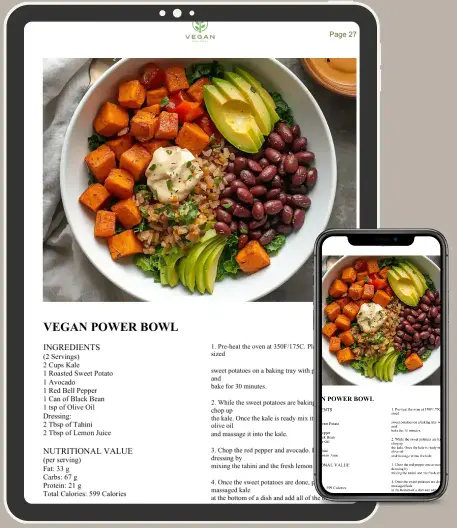
Ultimate 28-Day Vegan Meal Plan
+ Complete Grocery List & Toolkit
Built by a professional chef with 10+ years in MENA & Mediterranean kitchens
- 36 chef-tested vegan recipes — full-colour photo for every single one
- Complete 28-day meal calendar — every breakfast, lunch, dinner & snack planned
- 4 weekly grocery lists — organised by supermarket section, nothing specialty
- Getting started guides — nutrition, vegan swaps, protein facts, foods list
- Pantry & nutrition hub — Middle Eastern ingredients, whole grains, substitutions
- Budget-friendly tips — eat well, spend less every week
- BONUS: Vegan Nutrition Toolkit — protein cheat sheet, dining out guide, meal prep tips, label reading & quick reference sheets
What the Research Shows About Plant-Based Diets and CKD
The research on a vegan diet for kidney disease has moved considerably in the last decade, and the trajectory is clearly positive. Earlier nephrological guidance tended to restrict plant-based diets in CKD due to concerns about potassium and phosphorus from legumes. More recent evidence has largely reversed this position, while adding the nuance that stage and individual lab values determine which restrictions apply.
The Three Core Evidence Pillars
The case for a vegan diet for kidney disease rests on three distinct but complementary evidence pillars:
- Plant protein is less nephrotoxic than animal protein. Animal protein, particularly from red meat and dairy, increases glomerular filtration pressure and accelerates hyperfiltration, the mechanism most directly linked to progressive kidney damage. Plant protein sources (legumes, tofu, tempeh) produce less ammonia, less sulphur-containing amino acids, and a lower acid load, all of which reduce the work the damaged kidney must perform. A landmark meta-analysis found that replacing animal protein with plant protein significantly reduced proteinuria and slowed eGFR decline in CKD patients.
- Dietary fibre reduces uremic toxin production. The gut microbiome of CKD patients produces elevated uremic toxins (indoxyl sulphate, p-cresyl sulphate) from protein fermentation in the colon. High dietary fibre from plant foods feeds bacteria that ferment carbohydrates instead, competitively reducing uremic toxin production. Uremic toxins at elevated levels are independently associated with CKD progression and cardiovascular mortality in kidney patients. See the full anti-inflammatory plant diet guide for the fibre-microbiome mechanism in detail.
- Plant phosphorus is less bioavailable than inorganic phosphorus. Phosphorus in whole plant foods is bound to phytic acid, resulting in 20-40% lower absorption compared to animal-sourced phosphorus. Inorganic phosphate additives in processed foods are absorbed at nearly 100%. A whole-food plant diet may deliver less bioavailable phosphorus than a nominally “low-phosphorus” processed food diet.
Important context: Hypertension and type 2 diabetes are the two leading causes of CKD globally, accounting for approximately 60% of all cases. A plant-based diet that controls blood pressure and blood glucose through the mechanisms documented in the vegan blood pressure guide is therefore also addressing two of the primary drivers of kidney damage upstream of manifest CKD.
CKD Stages 1-5: How Dietary Guidance Shifts
A vegan diet for kidney disease is not a single protocol applied uniformly. The dietary management of CKD is explicitly stage-dependent, and understanding how the guidance evolves across stages is essential for applying the right approach at the right time.
The key insight is that early CKD (stages 1-3a) is where a whole-food plant-based diet provides the most straightforward benefit with the fewest restrictions, and when dietary intervention has the greatest potential to slow progression. People in stages 1-2 transitioning to a plant-based diet are making the single most evidence-supported dietary choice for kidney protection available.
Later stages require individual lab value monitoring. Potassium and phosphorus targets become highly individual and cannot be addressed through blanket dietary rules.
What to Eat and What to Limit: A Practical Ranking
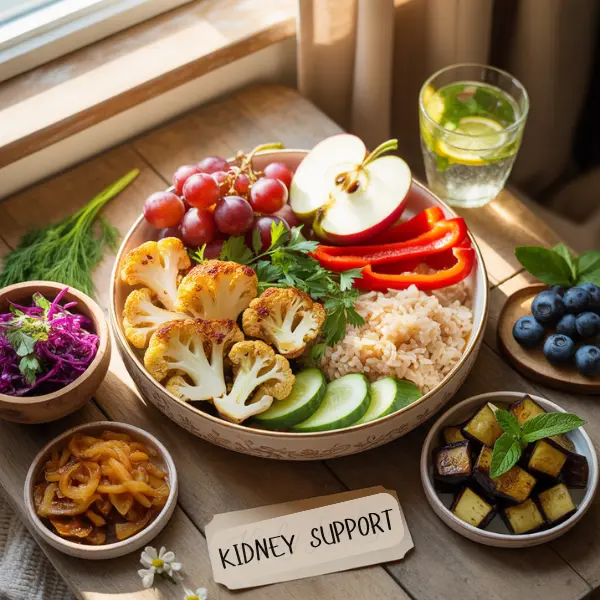
For a vegan diet for kidney disease, the foods below are ranked by their overall kidney-friendliness profile across the most common CKD stages (1-4). The ranking reflects phosphorus bioavailability, potassium load, protein source quality, and anti-inflammatory effect simultaneously.
Vegan Foods Ranked for Kidney Health (Stages 1-4)
Note: Rankings apply most directly to stages 3-4. Stages 1-2 have fewer restrictions. All potassium guidance must be confirmed against individual lab values with a renal dietitian. See the vegan potassium foods guide for context on how dramatically potassium content varies across plant foods.
Key principle: In CKD dietary management, cooking method matters as much as food choice. Boiling vegetables in large volumes of water and discarding the liquid (leaching) can reduce potassium content by 30-70%. Peeling, cutting small, and double-boiling root vegetables further reduces potassium. This cooking technique allows a wider range of plant foods to be included in later-stage CKD than a raw food potassium table would suggest.
-
Complete 28-day calendarEvery breakfast, lunch, dinner & snack planned
-
40+ nutritionist-approved recipesVibrant photo for every single dish
-
Easy weekly grocery listsShop smart, spend less, waste nothing
-
Protein, iron & B12 at every mealNutritionally complete — no guesswork
-
Saves 7+ hours weeklyPrint it once, follow it all month
-
Bonus: Nutrition Guide ToolkitVegan tips, guides & family meal prep
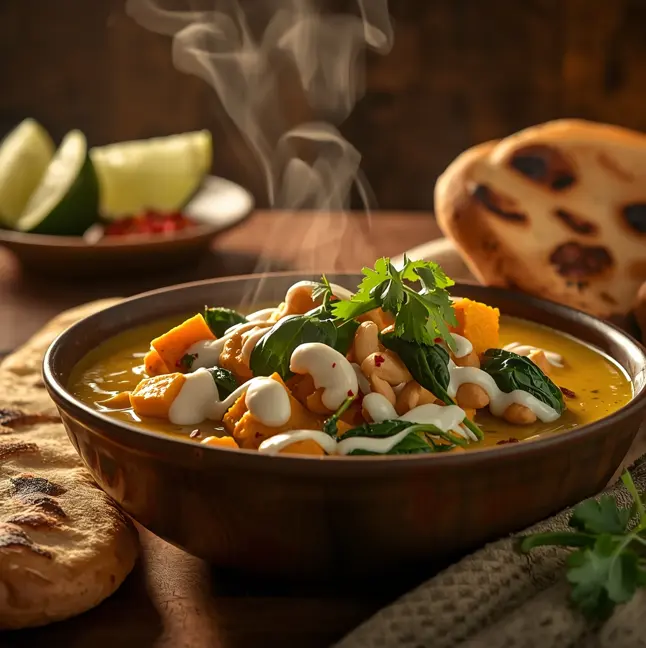
6 Spotlight Foods for Plant-Based Kidney Health
These six foods are selected for their strong kidney-protective evidence, practical daily usability across most CKD stages, and nutritional profile that supports the unique demands of kidney disease management on a plant-based diet.

The Phosphorus and Potassium Nuance
Phosphorus: Why Food Source Matters More Than Food Amount
The phosphorus picture in a vegan diet for kidney disease is more nuanced than most CKD guides acknowledge. Restricting all high-phosphorus foods including legumes has historically been the default approach. Emerging evidence suggests this is too blunt.
Phosphorus bioavailability varies dramatically by source. Inorganic phosphate additives in processed foods (labelled as phosphoric acid, sodium phosphate, calcium phosphate, and similar compounds on ingredients lists) are absorbed at near 100%. Animal-source phosphorus (dairy, meat, eggs) is absorbed at 40-60%. Plant-source phosphorus from whole foods is absorbed at only 20-40% because it is bound to phytate, which human digestive enzymes cannot fully break down.
The practical implication: a diet of whole plant foods may deliver significantly less bioavailable phosphorus than a nominally “low-phosphorus” processed food diet. Kidney patients following a plant-based diet should be assessed on serum phosphorus lab values rather than using a generic food phosphorus table that does not account for bioavailability differences. See the vegan bone health guide for broader context on phosphorus metabolism and plant-based eating.
The practical rule for CKD: avoid all foods with phosphate additives (check every ingredient label), use whole plant foods as your phosphorus baseline, and confirm serum phosphorus levels with your nephrology team rather than self-restricting plant foods based on total phosphorus content alone.
Potassium: Stage-Dependent, Not Universally Restricted
Blanket potassium restriction in all CKD is outdated. Most current guidelines recommend against routine restriction in stages 1-3 unless serum K+ is elevated. Many early-stage patients have normal or even low potassium, and restriction can cause harm in these individuals.
The relevant guidance: monitor serum potassium through regular blood tests and adjust dietary potassium based on individual results. A person in stage 3a with normal serum potassium does not need to avoid high-fibre vegan foods. The vegan potassium foods guide shows how dramatically content varies across plant foods.
When potassium restriction does become necessary (stages 3b-4 with elevated serum K+), the most effective dietary tool is cooking technique. Peeling, cutting into small pieces, soaking in water for several hours, and then boiling in large amounts of fresh water with the water discarded reduces potassium in root vegetables and legumes by 30-70%. This technique, called potassium leaching, is the primary way to include a wider range of plant foods in later-stage CKD cooking.
The 7-Step Vegan Kidney Disease Protocol
This protocol applies to CKD stages 1-4. Stage 5 and dialysis patients require individualised renal dietitian management.
-
1Eliminate all foods containing phosphate additives, immediately and completely
Read every ingredient label and eliminate any food containing: phosphoric acid, sodium phosphate, disodium phosphate, calcium phosphate, or any other phosphate compound. These additives appear in many packaged foods, plant-based alternatives, and fizzy drinks. Their inorganic phosphorus is absorbed at near 100%, making them significantly more damaging to serum phosphorus than whole food sources.
-
2Switch from animal protein to plant protein as your primary protein source
For a vegan diet for kidney disease, the protein transition is the most evidence-supported change available for slowing eGFR decline. Replace meat, dairy, and eggs with tofu (the cleanest CKD protein choice), well-rinsed legumes, and tempeh. Maintain total protein at 0.8g/kg in stages 1-3 and 0.6-0.8g/kg in stage 4 unless on dialysis. Do not reduce protein below these levels without medical supervision, protein malnutrition is a significant risk in CKD and worsens outcomes. The source of protein matters more than severe restriction at early stages. See the evidence reviewed at NutritionFacts.org on plant-based diets and CKD.
-
3Reduce sodium to under 2,000 mg per day through cooking from scratch
High sodium accelerates CKD progression through blood pressure and increases potassium excretion demands on the failing kidney. Cooking from whole plant ingredients with garlic, onion, lemon, vinegar, herbs, and spices as flavour foundations allows a genuinely flavourful low-sodium diet. Avoiding packaged sauces, condiments, and commercial stock cubes removes the largest source of hidden sodium. A brief review of the vegan blood pressure guide gives the full sodium-potassium dietary strategy relevant to CKD.
-
4Base your vegetable intake on low-potassium options and use leaching for others
For stages 3-4 with elevated serum potassium: cabbage, cauliflower, broccoli, green beans, cucumber, lettuce, peppers, and berries are the safest daily vegetable choices. For higher-potassium vegetables (potato, sweet potato, tomato, spinach), use leaching: peel, cut small, soak in cold water for 2-4 hours, drain, and boil in large fresh water before discarding the liquid. This technique reduces potassium by 30-70%. It allows the nutrient diversity of plant-based eating to be maintained even at later CKD stages. See the high-fibre plant foods guide for the fibre content of kidney-appropriate plant foods.
-
5Maintain an anti-inflammatory dietary pattern to reduce CKD progression drivers
Systemic inflammation drives CKD progression independently of blood pressure and blood glucose. A vegan diet for kidney disease that includes berries, extra virgin olive oil, garlic, ginger, and turmeric in daily cooking addresses inflammation through the NF-kB pathway, reducing the oxidative stress that is specifically elevated in kidney disease. Extra virgin olive oil is both anti-inflammatory and kidney-friendly (low potassium, low phosphorus, high oleocanthal). Use it as your primary fat. The full mechanism is covered in the anti-inflammatory vegan diet guide.
-
6Supplement B12, vitamin D, and monitor iron and zinc regularly
CKD independently affects vitamin D activation (the kidney converts 25-OH-D to active 1,25-OH-D), making vitamin D deficiency nearly universal in moderate-to-advanced CKD regardless of dietary pattern. B12 deficiency on a plant-based diet compounds the elevated homocysteine already associated with CKD. Both B12 and vitamin D supplementation are non-negotiable for a well-managed vegan diet for kidney disease. Iron deficiency anaemia is common in CKD (reduced erythropoietin) and may require monitoring alongside dietary iron from plant foods. See the vegan blood test guide for the full annual monitoring panel.
-
7Work with a renal dietitian, this is not optional for stages 3 and beyond
General plant-based nutrition guides cannot replace individual assessment in CKD, because the targets appropriate for one person may be contraindicated for another at the same stage with different lab values. A renal dietitian knowledgeable about plant-based diets is the critical professional partner for anyone managing a vegan diet for kidney disease. Specifically request a dietitian with plant-based experience when discussing with your renal team. See the nutrient deficiency guide for broader vegan monitoring context.
A Chef’s Perspective: MENA Low-Phosphorus Cooking Traditions
In over 20 years cooking professionally across the Middle East and Mediterranean, I worked within culinary traditions remarkably well-suited to a vegan diet for kidney disease with minor adaptations.
MENA cooking builds flavour from aromatic bases: garlic, onion, cumin, coriander, turmeric, and preserved lemon, rather than salt. A Lebanese red lentil soup made with olive oil, garlic, cumin, and lemon contains minimal sodium, low inorganic phosphorus, moderate potassium manageable in stages 1-3, and anti-inflammatory activity from every seasoning component. Without modification, it is an appropriate early-stage CKD meal.
The adaptation required for later stages is principally about substitution within the same flavour framework. Replacing high-potassium lentils with well-rinsed, leached chickpeas or substituting white rice as the carbohydrate base maintains the culinary character of MENA cooking while reducing mineral load. Cabbage dishes, from Lebanese malfouf (stuffed cabbage rolls) to North African braised cabbage with spices, use one of the most kidney-friendly vegetables available as the centrepiece ingredient.
The key insight for anyone adapting MENA cooking to a CKD-appropriate plant-based diet is that the flavour system already exists and does not need replacement. What changes is which vegetables and legumes carry the dish, and how they are prepared. Garlic, olive oil, lemon, cumin, and herbs remain the permanent foundation. It is a minor structural adjustment, not a culinary reinvention. The Ultimate 28-Day Vegan Meal Plan + Grocery List (Complete Solution) is built on this MENA whole-food cooking approach, using simple supermarket ingredients, with every recipe meeting protein, iron, and B12 needs, a practical starting point that can be further adapted with renal dietitian guidance for individual CKD requirements.
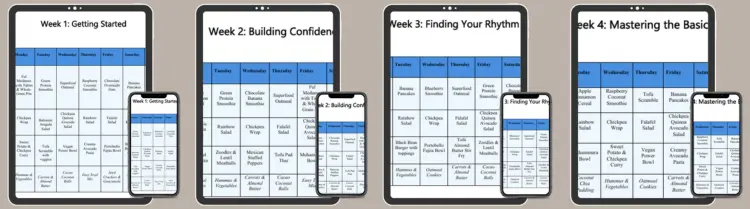
28-Day Vegan Meal Plan
+ Grocery List
Complete Solution · Nutritionist-Approved · Print & Use Today
Read on any device · No apps needed
Frequently Asked Questions
Is a vegan diet safe for people with kidney disease?
Yes, with appropriate planning. The evidence for a vegan diet for kidney disease is positive across multiple large studies, showing slower CKD progression, lower proteinuria, and reduced cardiovascular risk in plant-based dietary patterns. The caveats are important: potassium management is required in stages 3b-4 based on lab values, phosphate additives must be eliminated, and protein targets must be maintained. With renal dietitian input, a plant-based diet is both safe and beneficial. Without individual assessment for later stages, it requires more self-management than a person newly diagnosed with CKD should attempt alone.
Can vegans eat beans and lentils with kidney disease?
In stages 1-3a: generally yes, with attention to preparation (boiling and discarding liquid reduces potassium). In stages 3b-4: individual serum potassium and phosphorus levels determine whether and how much legume is appropriate. The critical distinction is that legume phosphorus is phytate-bound (less bioavailable) and legume protein generates a lower acid load than animal protein, so the kidney friendliness of legumes is higher than their raw phosphorus content suggests. A renal dietitian familiar with plant-based diets will assess individual lab values rather than applying blanket legume restrictions.
What potassium level is dangerous in CKD?
Serum potassium above 5.5 mEq/L (hyperkalemia) is the clinical threshold requiring active dietary management in CKD. Above 6.0 mEq/L, hyperkalemia becomes a serious cardiac risk requiring urgent management. Below 5.0 mEq/L, dietary potassium restriction is generally not necessary unless there is a specific clinical reason. Many CKD patients in early stages have normal serum potassium and do not require restriction. The serum potassium number from your blood test, not the potassium content table on a nutrition website, determines whether you need to restrict dietary potassium.
Does plant protein really protect kidney function better than animal protein?
The evidence strongly suggests yes for CKD patients. A vegan diet for kidney disease benefits from the fact that plant protein creates a lower intraglomerular filtration pressure, produces less ammonium, generates a lower dietary acid load (alkaline ash effect), and produces fewer sulphur-containing amino acid waste products than animal protein at equivalent intake amounts. A meta-analysis of randomised controlled trials found that substituting plant protein for animal protein significantly reduced proteinuria and slowed eGFR decline. The evidence is consistent enough that most current renal nutrition guidelines support plant protein as the preferred protein source in CKD. See the research overview at PubMed (plant vs animal protein in CKD).
What is potassium leaching and how effective is it?
Potassium leaching removes potassium from vegetables by drawing it into cooking water. Process: peel, cut small, soak in cold water for 2-4 hours, drain, then boil in large fresh water and discard the liquid. Studies show this reduces potassium in root vegetables by 30-70% depending on vegetable type and soak time. For leafy greens, boiling and draining is the primary reduction method. The technique expands the range of plant foods appropriate for stages 3-4.
Can I use salt substitutes on a kidney diet?
No. Salt substitutes, which some people managing a vegan diet for kidney disease try to use, typically replace sodium chloride with potassium chloride, a highly concentrated potassium source. For CKD patients managing elevated serum potassium, potassium chloride salt substitutes can cause dangerous hyperkalemia. This is one of the most common dangerous self-management errors in kidney disease. Use herbs, spices, lemon juice, vinegar, garlic, and onion for flavour instead. These achieve satisfying flavour complexity without any potassium chloride risk.
Do I need to restrict fluid intake on a vegan kidney diet?
Fluid restriction is not typically necessary until stages 4-5. In stages 1-3, adequate hydration supports kidney function. Later-stage fluid targets are determined by urine output, weight, blood pressure, and dialysis modality, highly individual parameters. Follow your nephrology team’s guidance. Plant-based whole foods contain high water content that should be factored into later-stage fluid discussions.
How does a vegan diet affect CKD-related bone disease?
CKD-related mineral and bone disorder (CKD-MBD) involves dysregulation of calcium, phosphorus, PTH, and vitamin D. Plant-based diets generate a lower dietary acid load (alkaline ash effect) than high-animal-protein diets, which reduces skeletal calcium buffering and may modestly support bone mineral density. The vitamin D activation deficit in CKD requires supplementation with the activated form (calcitriol or alphacalcidol) as prescribed by your nephrologist, regardless of dietary pattern. Eliminating phosphate-additive foods, which drive elevated PTH in CKD, is both a kidney and bone management priority. The full vegan bone health context is covered in the plant-based bone health guide.
Is tofu safe to eat with kidney disease?
For most CKD patients in stages 1-4, tofu is one of the best protein choices available. Its phosphorus is phytate-bound, its amino acid profile generates less acid load than meat, and soy protein reduces proteinuria. The moderate potassium (150 mg per 100g) is manageable at most stages. Rinsing tofu before cooking reduces potassium slightly for tighter stage-4 targets.
What are the most dangerous foods for kidney disease on a plant-based diet?
For most CKD stages: phosphate-additive processed foods (read every label), salt substitutes containing potassium chloride (potentially fatal in hyperkalemia), high-potassium fruit juices (orange, tomato, prune, pomegranate in large quantities in stages 3b-4), and star fruit (contains nephrotoxic compounds that healthy kidneys clear but damaged kidneys cannot, causing acute neurological toxicity even in small amounts). Star fruit is the only food with an absolute CKD contraindication across all stages. All other foods are stage-dependent and should be assessed against individual lab values.
Can a vegan diet slow CKD progression?
The evidence suggests yes. The 2019 ARIC cohort study found a 36% lower risk of kidney failure in the most plant-heavy dietary pattern group. Multiple prospective studies and meta-analyses show slower eGFR decline in plant-based vs high animal protein dietary patterns. The mechanisms are well-established: lower glomerular filtration pressure from plant protein, reduced uremic toxin production from fibre, lower acid load, and better blood pressure control. A well-planned vegan diet for kidney disease is one of the strongest dietary interventions available for CKD progression management, particularly in stages 1-3 where the kidney has the most functional reserve to protect.
Should I count potassium or phosphorus in milligrams on a CKD diet?
For potassium: yes, in stages 3b-4 with elevated serum K+, daily targets (typically 2,000-3,000 mg in stage 4) should be tracked. For phosphorus: counting total milligrams without distinguishing source is misleading due to bioavailability differences. Eliminate inorganic phosphate additives completely. For remaining plant food phosphorus, your serum phosphorus level, not a dietary total, is the relevant number to monitor with your team.
Plant-Based Eating and Kidney Health: The Evidence Is on Your Side
A vegan diet for kidney disease is not a compromise or a dietary limitation. It is, based on the current evidence, the dietary pattern most aligned with slowing CKD progression, reducing cardiovascular risk in kidney patients, and managing the complex mineral balance that CKD demands, when approached with appropriate precision.
The key principles hold across stages: switch from animal to plant protein, eliminate phosphate additives completely, reduce sodium, base vegetables around low-potassium options with leaching for others, supplement B12 and vitamin D, and work with a renal dietitian for individual stage-based guidance. A vegan diet for kidney disease that applies these principles is not restrictive. It is whole, flavourful, and consistent with the broad evidence base for plant-based eating as a protective dietary pattern.
If you are looking for a structured whole-food cooking foundation to build your CKD-adapted diet from, the Ultimate 28-Day Vegan Meal Plan + Grocery List (Complete Solution) gives you 36 chef-tested recipes with a photo for every recipe, four weekly grocery lists, and a 28-day calendar. Built from simple supermarket ingredients, meeting protein, iron, and B12 needs. Use it as a starting template and work with your renal dietitian to adapt the potassium and phosphorus content for your individual stage and lab values.