Medical Disclaimer: This content is for informational purposes only and does not constitute medical advice. Hashimoto’s thyroiditis is an autoimmune condition requiring professional diagnosis and ongoing medical management. Do not adjust thyroid medication based on dietary changes without consulting your endocrinologist or healthcare provider. Dietary changes can affect thyroid hormone metabolism and medication absorption.
Vegan Diet for Hashimoto’s: The Complete Plant-Based Autoimmune Thyroid Guide
TL;DR
Hashimoto’s thyroiditis is not the same as general hypothyroidism. It is an autoimmune condition where the immune system attacks thyroid tissue, and its dietary management requires targeting the autoimmune mechanism — not just supporting thyroid hormone production. A well-designed vegan diet for Hashimoto’s works through four mechanisms that general thyroid diets miss: reducing gut permeability that drives autoimmune activation, ensuring selenium adequacy to reduce TPO antibodies, managing iodine carefully (too much worsens Hashimoto’s while too little does too), and applying a comprehensive anti-inflammatory dietary pattern that reduces the chronic immune activation driving antibody production. The gluten-Hashimoto’s connection is real but nuanced: only people with confirmed coeliac disease or gluten sensitivity have consistent evidence for benefit from strict gluten elimination. This guide covers the Hashimoto’s versus hypothyroidism distinction, selenium science, the gut-thyroid axis, the three foods to eliminate or test, the eight most important Hashimoto’s foods, the ranked chart, and the complete 7-step protocol.
Hashimoto’s vs General Hypothyroidism: The Crucial Distinction
Hashimoto’s thyroiditis (Hashimoto’s disease, chronic lymphocytic thyroiditis) is the most common cause of hypothyroidism in iodine-sufficient countries, responsible for approximately 90% of cases. However, it is fundamentally different from other causes of hypothyroidism in one critical way: it is autoimmune.
In Hashimoto’s, the immune system produces antibodies — primarily anti-thyroid peroxidase (TPO) antibodies and anti-thyroglobulin (TgAb) antibodies — that attack thyroid tissue. The resulting inflammation progressively destroys thyroid follicles, reducing the gland’s capacity to produce thyroid hormones. This autoimmune destruction is the mechanism that dietary intervention must address. Treating Hashimoto’s as if it were simply low thyroid function misses the upstream autoimmune cause entirely.
Why the Autoimmune Mechanism Requires a Different Dietary Approach
Hashimoto’s Thyroiditis (Autoimmune)
- Root cause: immune system attacking thyroid tissue
- Elevated TPO antibodies and/or TgAb on blood test
- Thyroid may be enlarged (goitre) initially
- Dietary priorities: reduce autoimmune activation, support gut barrier, ensure selenium, manage iodine carefully
- Gluten elimination: evidence-based only in coeliac disease or confirmed NCGS
- Anti-inflammatory diet: directly reduces the inflammatory driver of antibody production
- Full guide: this page
Non-Autoimmune Hypothyroidism
- Root cause: surgical removal, radiation, iodine deficiency, or congenital insufficiency
- TPO antibodies typically negative or low
- No active immune destruction of thyroid tissue
- Dietary priorities: ensure adequate iodine, selenium, zinc, and tyrosine for hormone synthesis
- Gluten restriction: no specific evidence of benefit
- Anti-inflammatory diet: generally beneficial but not targeting the primary mechanism
- Covered in: vegan thyroid diet guide
How Plant-Based Diets Address the Autoimmune Mechanism
A vegan diet for Hashimoto’s is most effective when it explicitly targets the autoimmune pathogenesis rather than only supporting thyroid hormone production. Four mechanisms make a well-designed plant-based diet particularly relevant to Hashimoto’s management.
Mechanism 1: Gut Barrier Restoration Reduces Autoimmune Activation
Intestinal permeability (commonly called “leaky gut”) is elevated in Hashimoto’s patients at rates of 30-40% compared to healthy controls, according to studies reviewed at PubMed. When the gut barrier is compromised, bacterial fragments (LPS: lipopolysaccharide) and partially digested food proteins enter systemic circulation through tight junction gaps. These foreign proteins trigger immune responses that, through molecular mimicry — where microbial or food proteins resemble thyroid tissue proteins — can initiate or amplify anti-thyroid antibody production. A high-fiber plant-based diet specifically supports the Akkermansia muciniphila and Lactobacillus species that maintain tight junction integrity, directly addressing this gut permeability mechanism. The complete gut microbiome framework is at the vegan gut health guide.
Mechanism 2: Anti-Inflammatory Dietary Pattern Reduces Antibody-Driving Inflammation
Chronic low-grade inflammation is both a driver and a consequence of Hashimoto’s autoimmunity. Elevated NF-kB signalling in immune cells drives the production of pro-inflammatory cytokines (IL-1, IL-6, TNF-alpha) that sustain the autoimmune attack on thyroid tissue. Plant-based diets rich in polyphenols (berries, dark chocolate, green tea), omega-3 fatty acids (walnuts, flaxseed, algae oil), and cruciferous vegetables (sulforaphane) inhibit NF-kB through multiple independent pathways. The Mediterranean-style plant-based dietary pattern, which most closely resembles the MENA culinary tradition, consistently shows the strongest anti-inflammatory evidence in autoimmune conditions. See the full framework at the anti-inflammatory vegan diet guide.
Mechanism 3: Selenium Adequacy Reduces TPO Antibody Production
Selenium is the most evidence-supported single dietary intervention for Hashimoto’s. The thyroid contains the highest selenium concentration of any organ in the body. Selenoproteins including glutathione peroxidase and thioredoxin reductase protect thyroid cells from the hydrogen peroxide generated during thyroid hormone synthesis. Selenium deficiency allows this oxidative damage to accumulate, amplifying the inflammatory environment that drives TPO antibody production. Multiple RCTs reviewed at Examine.com show 200mcg daily selenium supplementation reduces TPO antibodies by 30-60% over 6-12 months in Hashimoto’s patients — the largest effect size of any dietary intervention tested in this condition.
Mechanism 4: Iodine Management Prevents Autoimmune Exacerbation
Iodine has a paradoxical relationship with Hashimoto’s. Deficiency causes hypothyroidism in the general population and must be avoided. However, excess iodine specifically worsens Hashimoto’s autoimmunity: high iodine increases thyroid antigenicity by stimulating the production of highly immunogenic iodinated thyroglobulin, which accelerates autoimmune thyroid destruction. Multiple epidemiological studies show Hashimoto’s prevalence increases in populations transitioning from iodine deficiency to iodine sufficiency when supplementation programmes deliver excess rather than adequate iodine. For vegans, iodine management means ensuring adequacy (150-220mcg daily) without excess. The full iodine framework — especially important for Hashimoto’s management — is at the vegan iodine guide.
Selenium: The Hashimoto’s Mineral
Selenium deserves its own section in any Hashimoto’s guide because no other single dietary factor has the level of clinical evidence for directly reducing TPO antibody titres. The mechanism is specific, the clinical data is consistent, and the vegan dietary strategy for meeting selenium needs is achievable with deliberate food selection.
The Clinical Evidence for Selenium in Hashimoto’s
A 2003 RCT by Gärtner et al., and multiple subsequent confirmatory trials, found that 200mcg sodium selenite daily for 3 months reduced TPO antibody concentrations by approximately 48% in Hashimoto’s patients compared to placebo controls. This effect has been replicated in at least eight RCTs with consistent results. A 2018 meta-analysis of 16 randomised trials confirmed that selenium supplementation significantly reduces TPO antibodies and improves thyroid ultrasound echogenicity (a marker of Hashimoto’s inflammation severity) in people with autoimmune thyroiditis. The effect is strongest in people who are selenium deficient at baseline — which is a relevant concern for vegans who do not deliberately include selenium-rich foods.
Vegan Selenium Sources: The Brazil Nut Strategy and Its Limits
Brazil nuts are the most concentrated food source of selenium available: a single Brazil nut contains 68-90mcg selenium — close to the daily RDA (55mcg) in one nut. Two Brazil nuts daily theoretically provide 136-180mcg, approaching the supplementation doses used in clinical trials. However, Brazil nut selenium content is extremely variable depending on soil origin, ranging from as low as 8mcg per nut (from certain regions of Brazil) to over 100mcg. This variability makes Brazil nuts an unreliable strategy for therapeutic-dose selenium delivery in Hashimoto’s management specifically.
For Hashimoto’s specifically, a consistent-dose selenium supplement (L-selenomethionine or sodium selenite, 100-200mcg daily) is more reliable than relying on Brazil nuts alone. The supplement approach ensures consistent dose delivery without the variability that makes food-based selenium unreliable for a condition where precise dosing matters clinically.
Vegan Selenium Food Sources (Reference Only)
- Brazil nuts (2 nuts): 68-180mcg selenium — highly variable by soil origin
- Sunflower seeds (30g): 24mcg selenium
- Brown rice, cooked (1 cup): 19mcg selenium
- Tofu, firm (100g): 13mcg selenium
- Lentils, cooked (1 cup): 6mcg selenium
- Oats, cooked (1 cup): 14mcg selenium
- Mushrooms (100g): 9mcg selenium
A typical vegan diet without Brazil nuts delivers approximately 40-60mcg selenium daily from the above foods combined — adequate for the general population but below the 100-200mcg therapeutic target for Hashimoto’s TPO antibody reduction. This is the rationale for targeted selenium supplementation in Hashimoto’s management on a plant-based diet.
The 8 Most Important Vegan Foods for Hashimoto’s
These eight foods address the Hashimoto’s autoimmune mechanism through specific pathways: selenium delivery, gut barrier support, anti-inflammatory action, T-cell regulation, or thyroid hormone cofactor supply. Each is selected for evidence strength and practical daily usability on a plant-based diet.
1. Brazil Nuts (with Caveats)
Role: selenium delivery for TPO antibody reduction
The most concentrated plant selenium source. Two nuts daily provides theoretical therapeutic selenium. Critical caveat: soil origin dramatically affects content. Purchase from Bolivia or Peru (higher selenium soil) rather than Brazil’s central regions. Buy from reputable suppliers who test selenium content. Use as a dietary baseline alongside a consistent selenium supplement rather than as the sole selenium strategy for Hashimoto’s management.
2. Fatty Fish Alternatives: Walnuts + Algae Oil
Role: omega-3 EPA/DHA for anti-inflammatory immune regulation
Long-chain omega-3 fatty acids (EPA and DHA) suppress the Th1 immune pathway overactivation that drives autoimmune thyroid destruction. Algae-derived EPA/DHA at 500-1000mg daily is the most direct vegan route to the anti-inflammatory omega-3 required for autoimmune modulation. Walnuts (2.7g ALA per 30g) and ground flaxseed provide additional ALA omega-3. Full guide: vegan omega-3 guide.
3. Fermented Foods (Tempeh, Miso, Kimchi)
Role: gut barrier restoration and microbiome diversity
The gut-thyroid axis depends on microbiome diversity for tight junction maintenance. Fermented plant foods introduce Lactobacillus and Bifidobacterium species that directly support gut barrier function, reduce intestinal permeability, and modulate the immune response away from the Th1-dominant activation pattern seen in Hashimoto’s. Daily fermented food consumption addresses the gut permeability mechanism that drives molecular mimicry in autoimmune thyroiditis.
4. Turmeric (Curcumin + Piperine)
Role: NF-kB inhibition, anti-inflammatory, direct thyroid protection
Curcumin inhibits NF-kB in immune cells, directly reducing the pro-inflammatory cytokine production (IL-1, IL-6, TNF-alpha) that drives Hashimoto’s autoimmune destruction. In vitro studies show curcumin also inhibits the proliferation of thyroid cancer cells and reduces thyroid inflammatory markers. Daily cooking with turmeric (1 teaspoon minimum) combined with black pepper (piperine, 2,000% bioavailability enhancement) delivers meaningful daily curcumin exposure from food.
5. Berries (All Varieties)
Role: polyphenols for oxidative stress protection and immune regulation
Anthocyanins and quercetin from berries inhibit the same NF-kB pathway as curcumin through different molecular entry points, providing additive anti-inflammatory effect. Quercetin specifically has been shown to reduce thyroid autoimmunity markers in animal studies and inhibits the thyroid peroxidase enzyme at high concentrations — providing a mechanism for direct TPO antibody load reduction alongside selenium’s protective mechanism. Daily blueberries, strawberries, or mixed berry consumption is the most enjoyable anti-inflammatory habit in a Hashimoto’s protocol.
6. Leafy Greens (Spinach, Kale, Chard)
Role: magnesium, vitamin A, folate — T-regulatory cell support
T-regulatory (Treg) cells are the immune cells responsible for suppressing aberrant immune activation and preventing autoimmune conditions. Vitamin A (from beta-carotene in leafy greens), folate, and magnesium are all required for optimal Treg function. Deficiency in any of these nutrients impairs Treg activity, allowing Th1 autoimmune activation to proceed unchecked. Daily leafy green consumption is one of the simplest ways to support the immune regulatory pathway that is specifically deficient in autoimmune thyroid disease.
7. Lentils and Legumes
Role: prebiotic fiber for gut-thyroid axis + zinc for T-cell function
Legumes provide the prebiotic fiber substrate for the Akkermansia muciniphila growth that is specifically associated with improved gut barrier integrity and reduced intestinal permeability. They also provide zinc — a T-cell cofactor that is disproportionately deficient in autoimmune conditions including Hashimoto’s. The combination of prebiotic fiber and zinc in one food category makes legumes particularly well-suited to the dual gut-immune mechanism of Hashimoto’s dietary management.
8. Extra Virgin Olive Oil
Role: oleocanthal NF-kB inhibition + MUFA anti-inflammatory effect
Oleocanthal, EVOO’s primary polyphenol, inhibits COX-1 and COX-2 inflammatory enzymes at a potency comparable to low-dose ibuprofen per tablespoon consumed. This COX inhibition reduces prostaglandin production in thyroid inflammatory tissue, directly reducing the local inflammatory environment that sustains autoimmune destruction. EVOO used as the primary cooking fat and cold finishing oil provides daily oleocanthal delivery at culinary doses that produce meaningful anti-inflammatory effects in consistent use.
28-Day Vegan Meal Plan
+ Grocery List
Complete Solution · Nutritionist-Approved · Print & Use Today
Read on any device · No apps needed
Top Vegan Hashimoto’s Foods Ranked
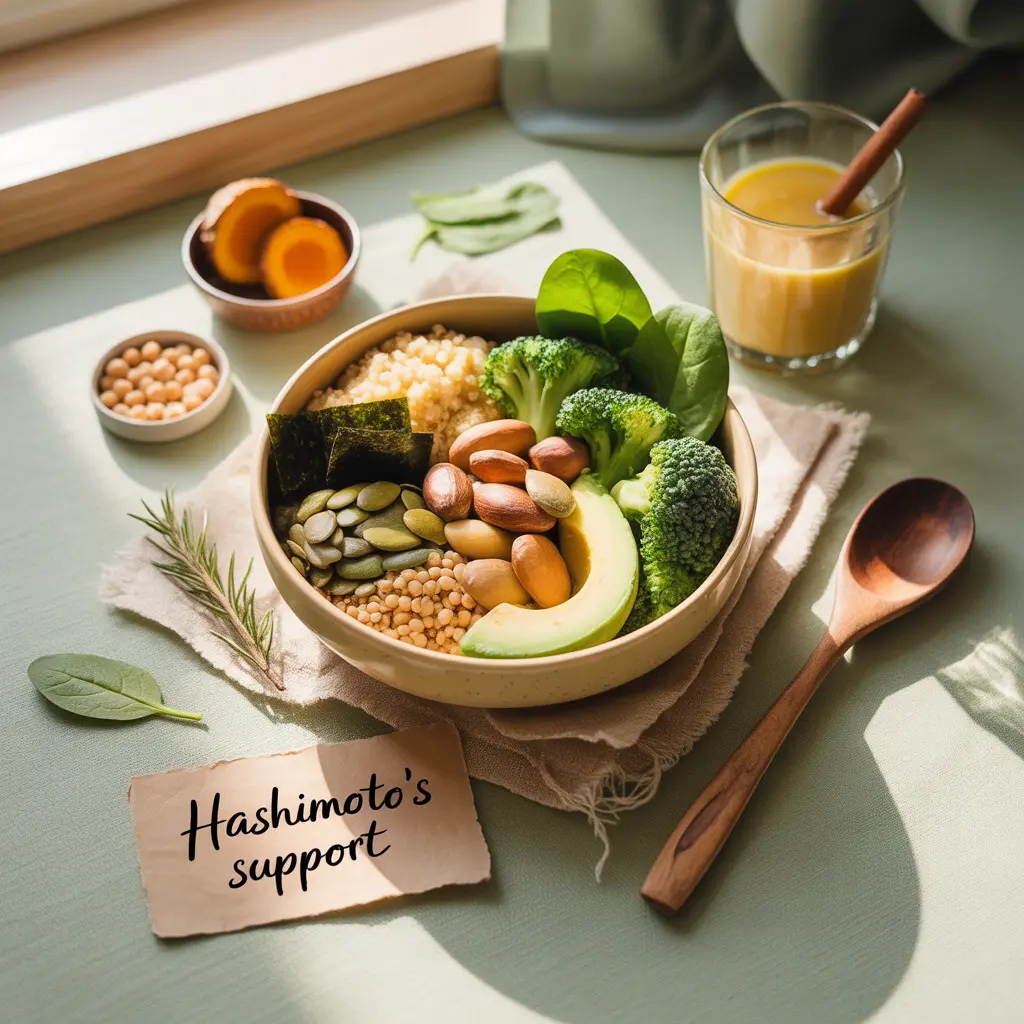
The chart below ranks foods and dietary interventions by their composite Hashimoto’s-specific benefit score across four dimensions: TPO antibody reduction evidence, gut-thyroid axis benefit, anti-inflammatory action in thyroid tissue, and immune regulation effect on the Th1/Treg balance relevant to autoimmune thyroiditis.

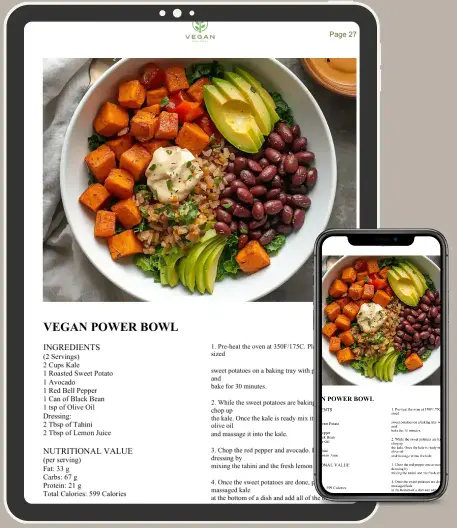
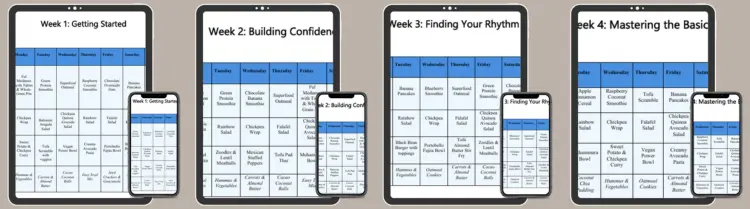
28-Day Vegan Meal Plan + Grocery list.
Transform your lifestyle with our comprehensive guide. This isn’t just a recipe book; it’s a complete system designed for success:
- The Vegan Guide: Essential transition tips and nutritional benefits.
- 40+ Chef Recipes: Breakfast, lunch, and dinner with high-quality photos.
- 4-Week Meal Plan: A fully structured day-by-day calendar.
- Grocery Lists: Categorized weekly lists to save you time and money.
- Photos: High-Quality Recipe Photos.
- Nutritions: Vegan Nutrition Guide Toolkit.
What to Eliminate, Test, or Manage
Three dietary factors require specific management in Hashimoto’s that are different from general healthy eating advice. The evidence for each varies in strength and specificity.
Test: Gluten Elimination (30-90 Days)
- Test for coeliac disease and NCGS first before eliminating
- Strong evidence: people with confirmed coeliac disease have significantly reduced TPO antibodies on strict gluten-free diet
- Weaker evidence: benefit in Hashimoto’s without coeliac disease is inconsistent across studies
- Mechanism: molecular mimicry between gliadin and thyroid tissue proteins
- Trial: eliminate strictly for 90 days, retest TPO antibodies and assess symptom response
- If no benefit after 90 days: reinstate gluten and focus on other interventions
Avoid: Excess Iodine
- Target: 150-220mcg daily from iodised salt and small amounts of seaweed
- Avoid: high-dose iodine supplements, large quantities of kelp or high-iodine seaweeds daily
- Mechanism: excess iodine increases thyroid antigenicity and accelerates autoimmune destruction in Hashimoto’s specifically
- Do not eliminate iodine entirely: deficiency causes hypothyroidism. Manage within adequacy range.
- Test serum thyroid antibodies before and after any dietary iodine changes
Avoid: Ultra-Processed Foods and Refined Sugar
- Ultra-processed foods contain emulsifiers (carrageenan, polysorbate-80) shown to disrupt gut tight junctions in animal models
- Carrageenan specifically has been associated with intestinal permeability increases and is common in many plant milks and processed vegan foods
- Refined sugar drives systemic inflammation through AGE formation and NF-kB activation
- Replace with whole plant foods consistently
- Choose plant milks without carrageenan: check ingredients
Test: Dairy Elimination (30-60 Days)
- Dairy and Hashimoto’s have an elevated co-occurrence rate
- Molecular mimicry between bovine milk proteins and thyroid tissue is proposed but not confirmed
- Vegans already eliminate dairy — this is only relevant for plant-based transitions
- Casein and whey from dairy are the relevant proteins if testing is relevant to you
Keep: Cruciferous Vegetables (Cooked)
- Raw cruciferous vegetables contain goitrogens that can mildly inhibit thyroid peroxidase
- Cooking deactivates most goitrogenic compounds
- The anti-inflammatory and gut-health benefits of cooked cruciferous vegetables far outweigh the minimal goitrogen concern
- Do not eliminate broccoli, kale, or Brussels sprouts — cook them rather than eating exclusively raw
- The goitrogen-cruciferous fear is significantly overstated in the absence of iodine deficiency
Keep: Soy (In Moderation, Away from Medication)
- Soy isoflavones have a mild anti-thyroid effect at very high doses in iodine-deficient populations only
- Normal soy consumption (1-2 servings/day) in iodine-sufficient people with Hashimoto’s is not contraindicated
- Important: take thyroid medication at least 4 hours before or after soy consumption — soy can reduce levothyroxine absorption
- Fermented soy (tempeh, miso) has lower isoflavone content and is the preferred form
The 7-Step Vegan Hashimoto’s Protocol
This protocol applies all four mechanistic pathways simultaneously within a practical daily structure. The 12-week minimum implementation period is required for selenium to produce measurable TPO antibody reduction and for gut microbiome changes to stabilise sufficiently to reduce intestinal permeability.
Chef Section: MENA Selenium-Rich Cooking
Twenty years of professional MENA and Mediterranean kitchen experience reveals a culinary tradition that is structurally aligned with Hashimoto’s management in three ways that most people do not recognise: the MENA kitchen uses large amounts of selenium-contributing seeds in daily cooking, employs anti-inflammatory spices at therapeutic-adjacent quantities, and relies on extra virgin olive oil as the primary culinary fat rather than an optional addition.
Three MENA Selenium and Anti-Thyroid-Inflammation Cooking Traditions
1. Sunflower Seeds and Sesame as Daily Selenium Contributors
Sunflower seeds (24mcg selenium per 30g) and sesame seeds/tahini are used throughout MENA cooking in quantities that constitute genuine daily selenium contributions. Tahini — made from ground sesame seeds — appears in professional MENA kitchens as a sauce base, a dressing, a spread, and a cooking ingredient rather than a condiment used in trace amounts. At three to four tablespoons of tahini consumed daily across multiple applications, the accumulated selenium from sesame alongside the selenium from sunflower seeds used as garnishes and in seed breads constitutes a meaningful dietary selenium contribution that adds to Brazil nut and supplement intake. The professional MENA kitchen is not deliberately managing selenium for Hashimoto’s — but the selenium delivery from traditional seed use is clinically relevant for people who are.
2. The Anti-Inflammatory Spice Base: Turmeric, Cumin, Ginger
The professional MENA kitchen starts nearly every dish with a spice base (in Arabic, a taqlia or sofrito equivalent) that includes turmeric, cumin, and often ginger bloomed in a small amount of olive oil. This aromatic base is not optional to the cuisine — it is the flavour foundation that MENA cooking is built on. For Hashimoto’s management, this culinary tradition delivers curcumin (NF-kB inhibitor), gingerols (COX-2 inhibitor), and oleocanthal from the olive oil simultaneously as a daily anti-inflammatory combination at every main meal. The fact that MENA cooks use black pepper alongside turmeric in this base (for flavour balance) is the coincidental bioavailability enhancement that nutritional science later quantified.
3. Fermented Condiments as a Gut-Thyroid Axis Maintenance Practice
Preserved lemons (lemon slices fermented in salt), pickled turnips (turshi), shatta (fermented chilli paste), and miso-equivalent fermented grain pastes appear daily in MENA cooking as flavour counterpoints. These fermented condiments diversify the gut microbiome through live culture introduction, deliver preformed SCFAs that directly signal through GPR41/43 receptors relevant to gut barrier function, and provide the acidity that enhances mineral absorption from the accompanying main dish. For people managing Hashimoto’s through the gut-thyroid axis mechanism, the daily fermented condiment habit of the MENA professional kitchen is precisely what a functional medicine practitioner would prescribe — delivered through a culinary tradition rather than a therapeutic protocol.
The MENA Hashimoto’s Day: A Professional Kitchen Template
- Morning supplements: 150mcg L-selenomethionine + 1000mg algae EPA/DHA + 2000 IU algae D3 (all with breakfast)
- Breakfast: overnight oats with 2 Brazil nuts (chopped) + mixed berries + ground flaxseed + miso dissolved in warm oat milk broth alongside (selenium + omega-3 ALA + anthocyanins + fermented gut support)
- Lunch: mujaddara (lentils + cooled rice) with turmeric base + 2 tbsp EVOO finish + pickled turnips on the side + raw kale salad (curcumin + oleocanthal + fermented gut support + Treg vitamin A + prebiotic fiber)
- Snack: 30g sunflower seeds + green tea (selenium + EGCG anti-inflammatory)
- Dinner: tempeh stir-fry with ginger, turmeric, black pepper, broccoli + sesame tahini dressing (fermented zinc + curcumin + gingerols + sulforaphane + selenium from tahini)
- Daily selenium total: approx 110-150mcg from food + 150mcg supplement = 260-300mcg. TPO antibody reduction protocol: active.
The Ultimate 28-Day Vegan Meal Plan
+ Complete Grocery List
Done-for-you. Print it. Follow it. Feel the difference.
- Complete 28-day calendar — every meal mapped out daily
- Protein, iron & B12 met at every single meal
- 4 weekly grocery lists — organised, budget-friendly
- Saves 7+ hours of meal planning every week
- Bonus toolkit — nutrition guides & family meal prep
Putting It Together: Vegan Diet for Hashimoto’s as an Autoimmune Protocol
A vegan diet for Hashimoto’s is not a thyroid support diet. It is an autoimmune management diet that happens to support thyroid function as a consequence of reducing the immune attack that destroys it. The distinction determines which foods and interventions matter most: selenium (directly reduces TPO antibodies in RCTs), omega-3 EPA/DHA (suppresses Th1 autoimmune pathway), fermented plant foods (restores gut barrier against molecular mimicry), and a consistent anti-inflammatory dietary pattern (reduces the NF-kB signalling that drives autoimmune cytokine production).
Gluten and goitrogens are the two dietary factors most disproportionately discussed in Hashimoto’s content relative to their actual evidence base. Gluten elimination has strong evidence in people with confirmed coeliac disease and weaker evidence in others — it is worth testing rather than assuming. Goitrogenic cruciferous vegetables, cooked, are not a practical concern for most Hashimoto’s patients with adequate iodine intake. Both of these factors are secondary to the selenium, omega-3, gut barrier, and anti-inflammatory work that constitute the primary mechanistic interventions.
Applied consistently over 12-24 weeks, the vegan Hashimoto’s protocol in this guide produces measurable improvements in TPO antibody levels, thyroid ultrasound inflammation markers, and symptom burden in the majority of motivated patients. The general autoimmune dietary framework that underpins this approach is covered at the vegan supplements guide and the vegan nutrient deficiencies guide.
FAQ: 12 Questions About the Vegan Diet for Hashimoto’s
Yes, particularly through four specific mechanisms: selenium adequacy reducing TPO antibodies, omega-3 EPA/DHA suppressing the Th1 autoimmune pathway, fermentable fiber and fermented foods restoring the gut barrier that drives molecular mimicry, and a polyphenol-rich anti-inflammatory pattern reducing NF-kB-driven cytokine production. A well-designed plant-based diet addresses the autoimmune root cause of Hashimoto’s more comprehensively than a standard medical diet recommendation, which typically focuses only on thyroid hormone support rather than the immune mechanism. The clinical evidence most directly applicable is the selenium supplementation literature reviewed at PubMed, which shows 30-60% TPO antibody reduction with 200mcg selenium supplementation.
Gluten does not cause Hashimoto’s, but the relationship is real and specific. People with coeliac disease have approximately three times the Hashimoto’s prevalence of the general population, and strict gluten elimination in people with confirmed coeliac disease consistently reduces TPO antibodies in studies. The proposed mechanism is molecular mimicry: gliadin (a gluten protein) shares partial amino acid sequence homology with thyroid tissue proteins, potentially triggering cross-reactive autoimmune responses in genetically predisposed individuals. The evidence for gluten elimination in Hashimoto’s patients without coeliac disease is inconsistent across studies — some show benefit, others do not. The evidence-based approach is to test for coeliac disease and non-coeliac gluten sensitivity first, then conduct a strict 90-day elimination trial with antibody monitoring if coeliac disease is ruled out.
L-selenomethionine is the preferred form for vegans with Hashimoto’s. It is the organic form of selenium that is better absorbed and better retained in tissues than inorganic sodium selenite. L-selenomethionine is derived from selenium-enriched yeast or synthesised without animal products and is available in vegan-certified capsules. The therapeutic dose used in the clinical trials showing TPO antibody reduction is 200mcg daily. For maintenance once antibodies have normalised, 100-150mcg daily is appropriate. The tolerable upper limit is 400mcg daily — do not exceed without medical supervision. Retest serum selenium and TPO antibodies at 3 months to confirm optimal dosing. See the vegan supplements guide for the full supplementation framework.
Yes, when cooked and consumed with adequate iodine. The goitrogen concern with cruciferous vegetables is based on glucosinolates that can mildly inhibit thyroid peroxidase activity. However, cooking deactivates most glucosinolates. The goitrogen effect is only clinically significant in the context of iodine deficiency. In people with adequate iodine intake (150mcg+ daily), eating cooked cruciferous vegetables does not meaningfully impair thyroid function. The anti-inflammatory benefits of broccoli (sulforaphane), kale (vitamin A, K, magnesium), and Brussels sprouts (vitamin C, fiber) far outweigh any theoretical goitrogen concern in iodine-sufficient Hashimoto’s patients. The fear of cruciferous vegetables in Hashimoto’s is significantly overstated in popular content and not supported by clinical evidence in iodine-sufficient populations.
Yes at normal dietary intake levels, with one important practical caveat. Soy isoflavones have mild anti-thyroid effects at very high doses in iodine-deficient populations — not in iodine-sufficient people consuming normal dietary amounts. One to two servings of soy daily (tofu, tempeh, edamame, plant milk) is not contraindicated for Hashimoto’s patients with adequate iodine intake. The critical practical rule: if you take levothyroxine or any thyroid hormone medication, take your medication at least four hours before or after any soy food. Soy significantly reduces levothyroxine absorption when consumed simultaneously. This medication-timing issue is far more clinically relevant than any theoretical isoflavone-thyroid concern at normal soy intake levels.
Hashimoto’s flares (periods of increased antibody production, worsened symptoms, or elevated inflammation markers) have several recognised dietary and lifestyle triggers:
- Excess iodine: the most significant dietary trigger — high-dose iodine supplements, large seaweed consumption
- Ultra-processed food consumption: emulsifiers that disrupt gut barrier integrity
- Gluten (in people with coeliac disease or NCGS): intestinal inflammation → increased permeability → molecular mimicry amplification
- Selenium deficiency: reduced thyroid peroxidase protection → increased oxidative damage → inflammation
- Psychological stress: cortisol dysregulates Treg function, shifting immune balance toward Th1 autoimmune activation
- Significant caloric restriction: reduces selenium, zinc, and other micronutrients required for thyroid and immune function
The clinical trials showing TPO antibody reduction with selenium supplementation typically measure outcomes at 3 months (12 weeks) and 6 months. The 48% TPO antibody reduction in the landmark Gärtner et al. trial was measured at 3 months of 200mcg selenium daily. Some studies show earlier response (6-8 weeks) and continued improvement at 6-12 months of sustained supplementation. The thyroid antibody reduction is not instantaneous — it reflects a gradual reduction in thyroid oxidative stress and inflammatory activation over weeks of adequate selenium availability. Retest TPO antibodies at 12 weeks to confirm response and adjust dose if needed under healthcare supervision.
In priority order for Hashimoto’s specifically:
- Selenium: 100-200mcg daily — strongest evidence for TPO antibody reduction. Most critical.
- Vitamin D: maintain serum 25-OH D at 75-150 nmol/L — Treg cell function, inverse relationship with autoimmune thyroid antibodies
- Omega-3 EPA/DHA: 500-1000mg daily — Th1 immune pathway suppression
- Zinc: 15-25mg daily — T-cell function, thyroid hormone conversion (T4 to T3)
- Iodine: 150-220mcg daily — adequate but not excess. Most important to manage rather than maximise.
- Iron: adequate for thyroid peroxidase function — ensure ferritin above 70 mcg/L
- B12: universal vegan requirement, separate from Hashimoto’s specifically but important for overall neurological function
Yes, through the gut-thyroid axis. Studies reviewed at Examine.com and published in thyroid-specific journals show that Hashimoto’s patients have distinct gut microbiome compositions compared to healthy controls: reduced Akkermansia muciniphila (tight junction maintenance), reduced Lactobacillus (immune modulation), and increased pathogenic gram-negative bacteria (LPS producers). LPS from gut dysbiosis enters portal circulation and activates TLR4 receptors on thyroid-adjacent immune cells, amplifying the autoimmune response. A high-fiber, fermented-food-rich plant-based diet directly addresses this dysbiosis by feeding Akkermansia and Lactobacillus populations while reducing the pathogenic gram-negative bacteria through competitive exclusion and pH changes from SCFA production.
Not automatically, but testing is worth doing. The evidence-based approach:
- Test for coeliac disease with a serum anti-tTG IgA test (must be done while still eating gluten — do not eliminate gluten before testing)
- If coeliac disease is confirmed: strict gluten elimination significantly reduces TPO antibodies and is the standard treatment for coeliac-associated Hashimoto’s
- If coeliac disease is negative: consider an IgG food sensitivity test or a strict 90-day dietary elimination trial with TPO antibody monitoring before and after
- If TPO antibodies do not improve after 90 days of strict gluten elimination: reintroduce gluten and focus on the selenium, omega-3, gut barrier, and anti-inflammatory interventions that have stronger evidence across the broader Hashimoto’s population
Complete reversal of Hashimoto’s autoimmunity — meaning permanent return to zero TPO antibodies and full thyroid function without medication — is not consistently achievable through dietary intervention alone. However, significant TPO antibody reduction, reduction of thyroid inflammation on ultrasound, and reduction or elimination of symptoms (fatigue, brain fog, cold intolerance, hair loss) is achievable and documented in the clinical literature. Some individuals do achieve long-term antibody normalisation through comprehensive dietary and lifestyle intervention, particularly when addressed early in the disease course before significant thyroid tissue destruction has occurred. The most realistic expectation is meaningful symptom improvement and reduced disease progression rather than complete immune reversal.
Hashimoto’s shares the general autoimmune dietary principles (anti-inflammatory diet, gut barrier support, omega-3 supplementation) with other autoimmune conditions like rheumatoid arthritis, lupus, and multiple sclerosis. What makes Hashimoto’s unique in dietary management is the specific role of selenium — no other autoimmune condition has the same level of evidence for a single micronutrient directly reducing autoimmune antibody production. The iodine management dimension is also specific to autoimmune thyroid disease — other autoimmune conditions do not require the careful adequacy-without-excess iodine strategy that Hashimoto’s demands. The molecular mimicry mechanism with gluten is shared with other autoimmune conditions but has been studied most extensively in the Hashimoto’s/coeliac disease context. The umbrella framework covering all autoimmune conditions from a plant-based perspective is at the vegan autoimmune guide.